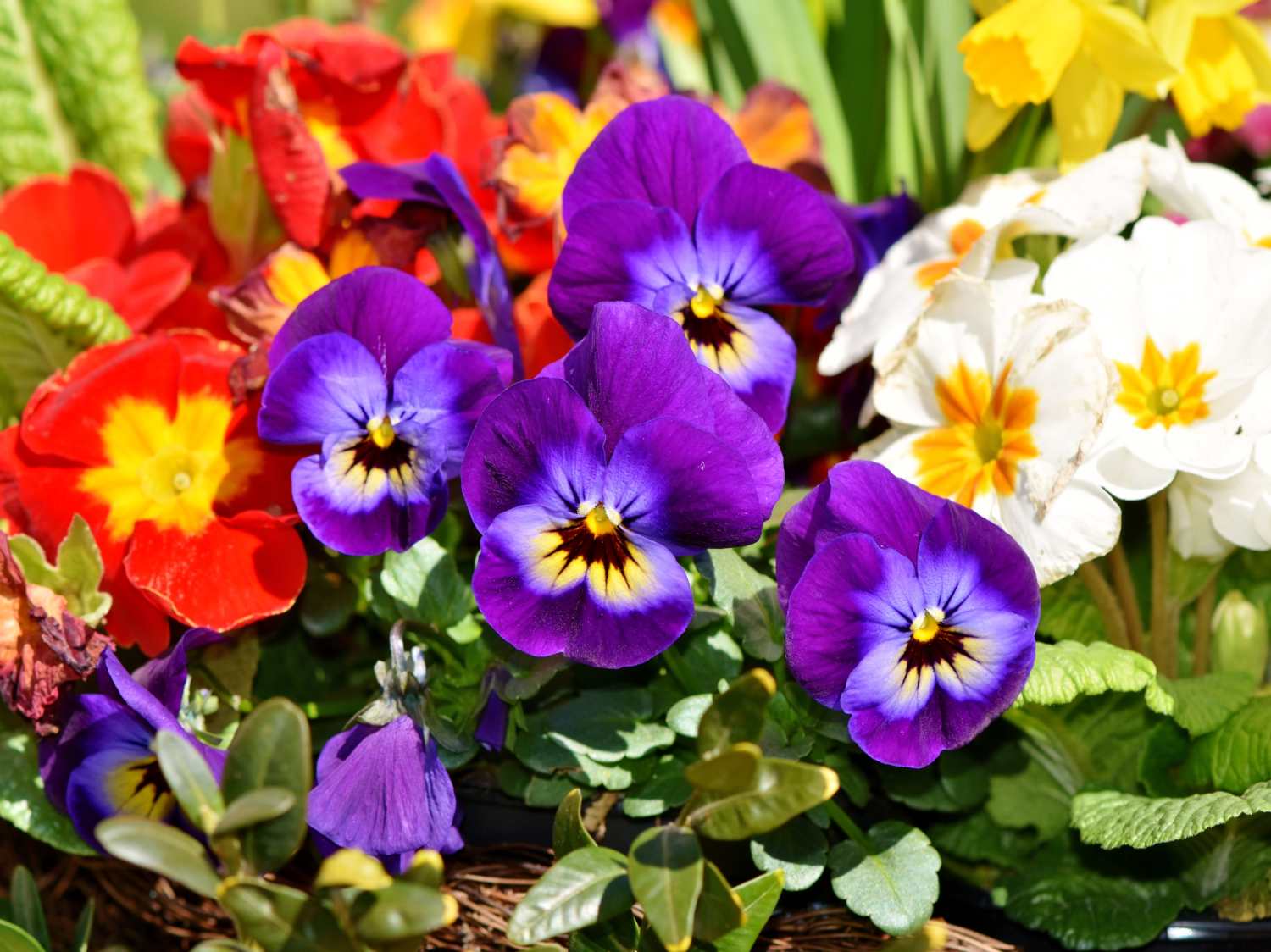
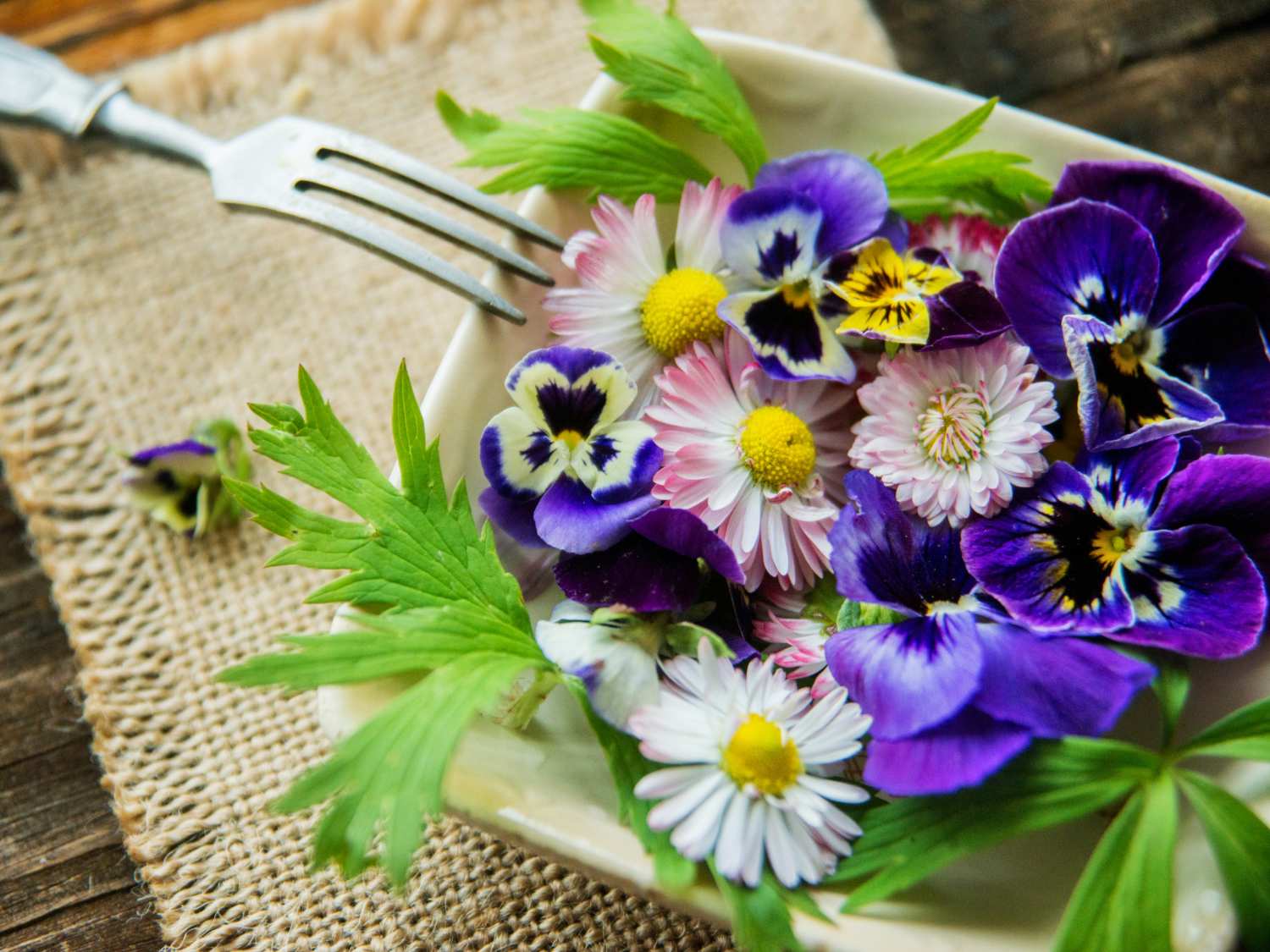
Nasturtium petals carry a clear peppery bite eaten straight from the plant, while dried marigold petals colour steamed rice much as saffron would. A good number of border ornamentals, from daylily to violet, pansy and borage, are edible as well as decorative. Give them full sun, sheltered from wind, and one planting feeds both eyes and plate.
Some plants can be eaten from root to tip. This is the case for daylily – plant them early spring, and they’ll grow with such vigor that you’ll savor them all summer long. Chop up the young, blanched leaves and serve with salad dressing or paired with other vegetables. Flowers can be blanched, too, or saute’ed with oil and Chinese noodles. They’re much better though when eaten raw without any seasoning.
Spread marigolds throughout your entire garden, they’ll bloom until it freezes. These sun-colored flowers are marvelous in a mixed salad to enliven the colors. It’s also easy to pickle the flower buds in vinegar. Use dried petals much as you would saffron when steaming rice or to flavor desserts.
Sow ‘Lucida’ Tagetus at the end of winter frost spells, they’re part of the French marigolds family and will grow best in full sun, sheltered from wind. This elegant plant with uncountable cute bright yellow flowers will enchant your landscape and meal plates! Leaves and flowers can also be added to your hot meals just prior to serving, and they’ll give a taste reminiscent of tarragon.

Pair them with toothache plant and purple basil: these three plants have colors that bolster each other very well ! Sow the toothache plant in May, mulch and that’s all! The more you harvest the terminal buds of the plant, the more productive it will get, sending out more. When mealtime arrives, this plant will surprise you with its tangy taste which appears in many Asian and Madagascan recipes.
Each of these ornamentals earns its place twice over, in the border and on the plate. Use the table to match the part you want to eat with the flavour and the sowing or planting time.
| Plant | Part eaten | Flavour or use | Sowing or planting time |
|---|---|---|---|
| Daylily | Young blanched leaves and flowers | Best raw, without any seasoning | Early spring |
| Marigold | Flowers, buds, dried petals | Pickled in vinegar, or used like saffron | Blooms on until the first frosts |
| ‘Lucida’ Tagetes | Leaves and flowers | Reminiscent of tarragon, added just before serving | Late winter, as frost spells end |
| Toothache plant | Terminal buds | Tangy, used in Asian and Madagascan recipes | Late spring |
| Stonecrop | Fleshy leaves | Nibbled with cottage cheese dip for appetizers | Plant in a very sunny spot |
| Nasturtium | Leaves and flowers | Pepper-like, raw in salads or fried as fritters | Pick the very first flowers that appear |
Primroses, violets, pansies, roses, lavender and borage can all join the harvest in the same way.
Plant stonecrop (Sedum telephium) in a very sunny spot: its fleshy leaves can be nibbled for appetizers dipped in cottage cheese dip.
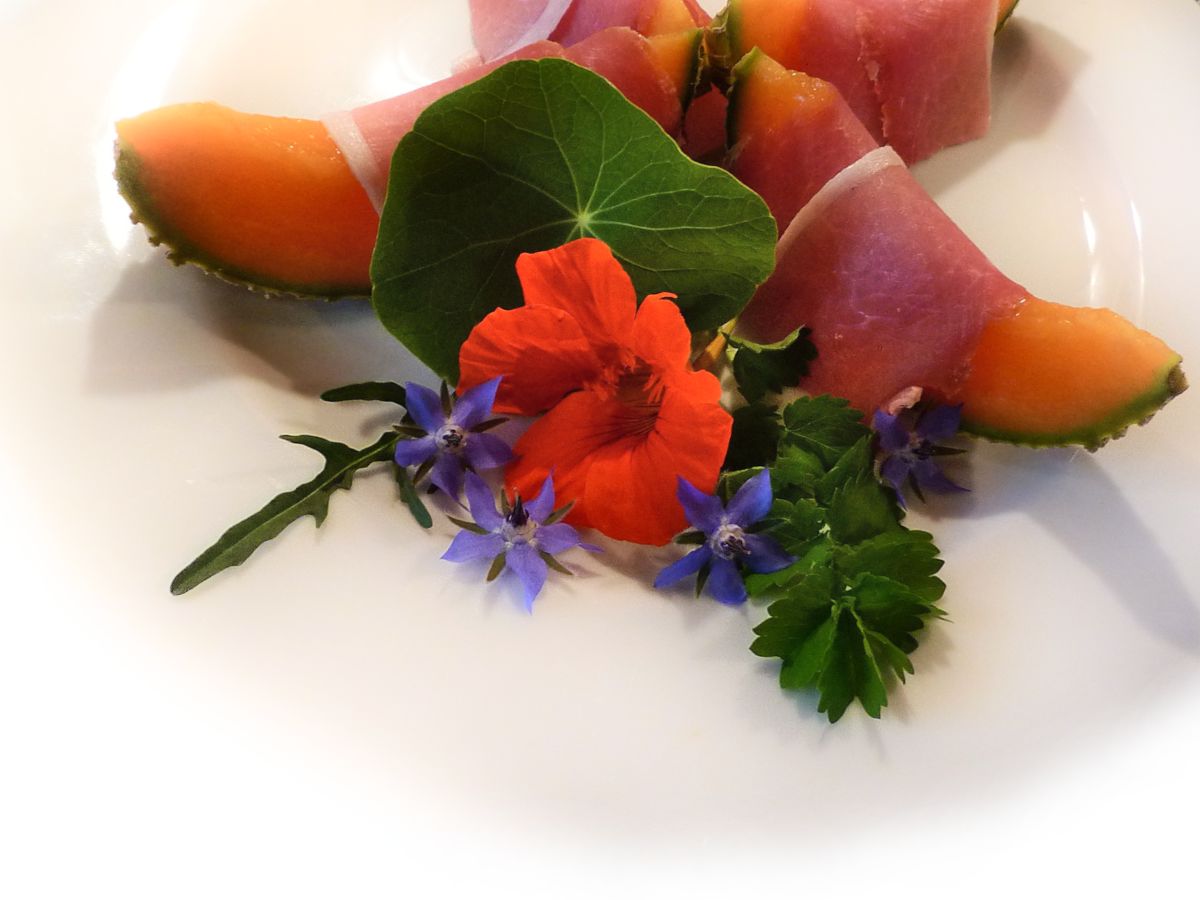
If you haven’t yet tasted nasturtium, go ahead and pick the very first flowers that appear! Taste them straight from the plant, their pepper-like taste will stand out. You can use nasturtium leaves and flowers in mixed salads or fry them like fritter.
Note that these plants are all edible, too: primroses, violets, pansies, roses, lavender, borage… All of these are beautiful garden varieties and will do great in your plate!
M.-C. H.