Home » Health » Peony: traditional uses, edible petals and how to prepare them
Peony: traditional uses, edible petals and how to prepare them
·
0
Medicinal peony (Paeonia officinalis) is grown for its huge late-spring blooms, but its petals are also edible and its root has a long history in European herbal practice. This page covers which part to use, how to make a petal infusion or syrup, what peony tastes like, and who should leave it alone.
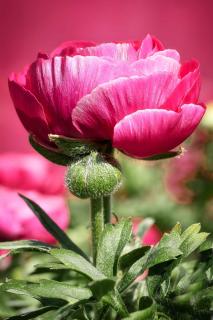
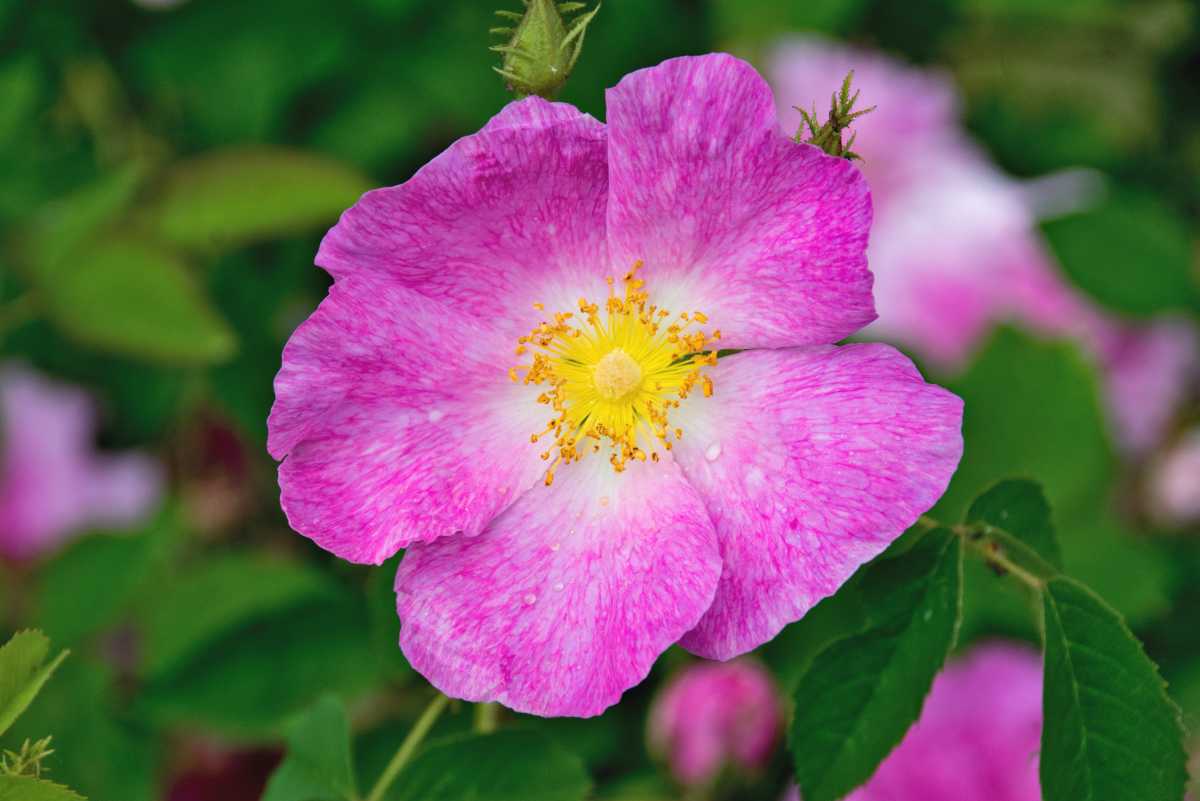
Medicinal peony, the species behind the old herbal recipes
Peony at a glance
Item
Detail
Botanical name
Paeonia officinalis
Family
Paeoniaceae
Part used
Petals and whole flowers (culinary); root (herbal tradition only)
Forms of use
Petal infusion, flower syrup, jam or jelly, salads, steamed flowers, skincare extracts
Harvest season
Flowers in late spring to early summer; roots in early autumn, on plants at least three years old
Taste
Petals floral and faintly sweet with a bitter finish; root markedly bitter and astringent
What it is credited with
Old European herbals record peony root being given for what they called “the falling sickness”, and describe it as antispasmodic. This is a historical record only, not a practice herbalists rely on.
Traditional herbalism credits the root with calming, pain-easing and sleep-friendly qualities, using it where someone struggles to settle at night.
Peony has a long-standing reputation in folk practice for irritability, restlessness and nervous tension.
Country recipes turned the flowers into a soothing syrup, valued for a tickly, dry cough.
Naturopathy credits the petals with a gentle soothing action on the digestive tract, taken as a mild infusion after meals.
The cosmetics trade uses peony extracts for their reputation as skin-calming and anti-ageing ingredients, typically in creams and serums rather than home preparations.
In Chinese herbal tradition, white peony root (Paeonia lactiflora) is one of the classic women’s tonics, used by practitioners within compound formulas.
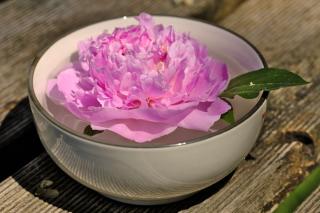
Petals steeped briefly give a pale, faintly floral infusion
How to use it
Petal infusion
Use a small handful of fresh petals, or a heaped teaspoon of dried ones, per cup.
Pour water just off the boil over them, cover, and steep 5 to 7 minutes.
Strain. The liquid is pale pink to straw-coloured, lightly floral, with a bitter edge that a dab of honey softens.
One cup in the evening is the usual habit. Keep it to a short run of a few days rather than a daily routine.
Flower syrup
Pack a jar with fresh petals, cover with boiling water and leave to steep overnight.
Strain, then warm the liquid with an equal weight of sugar until dissolved.
Bottle, label, and keep in the fridge; it holds a few weeks. A spoonful is the traditional dose for a scratchy throat.
A squeeze of lemon turns the syrup a brighter pink and helps it keep.
In the kitchen
Slice raw petals into ribbons and scatter over green salads for colour and a faint perfume.
Cook them into jam or jelly, on their own or with strawberries and rhubarb from the same season.
Fold chopped petals into doughnut batter or pastry dough before baking.
Steam whole flowers for a few minutes and serve as a side dish, dressed with a little butter or oil.
Always pull off the bitter white heel at the base of each petal first.
Harvesting and the root
Pick flowers on a dry morning in late spring to early summer, when they have just opened.
Dry petals in a single layer in the shade, then store airtight away from light.
The root is lifted in early autumn from established plants, washed and sliced before drying. Home preparations from the root are best left to a qualified practitioner, and shop-bought dried root should be used exactly as the label states.
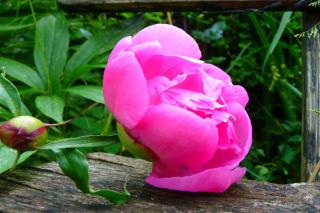
Flowers gathered dry keep their colour and scent best
Forms of use compared
Form
Part and preparation
Traditionally used for
Infusion
Petals, steeped 5 to 7 minutes in water just off the boil
An evening cup, credited in folk practice with easing restlessness
Syrup
Petals steeped overnight, then cooked with sugar
Country remedy for a dry, tickly cough
Culinary petals
Raw in salads, in jam, in batter, or whole flowers steamed
Colour, scent and a gentle floral flavour
Root preparations
Dried, sliced root; practitioner formulas and commercial extracts
Calming and antispasmodic reputation in herbal tradition
Cosmetic extracts
Standardised extracts in creams and serums
Skin-soothing claims made by the cosmetics trade
Petals sliced into ribbons brighten a plain green salad
Frequently Asked Questions
The one thing to remember: use the petals of your own homegrown peony, in small amounts, and leave the root to a qualified practitioner.
Which part of the peony can I actually eat?
The petals, raw or cooked, and the whole flower once steamed. Remove the pale bitter heel at the base of each petal first. The root, seeds and foliage are not food and are considered toxic in quantity.
What does a peony infusion taste like?
Pale, lightly floral and faintly sweet, with a bitter finish that some people find sharp. Steeping longer than seven minutes brings out more bitterness rather than more flavour. Honey or a squeeze of lemon rounds it off.
When should I harvest peony flowers?
Late spring to early summer, on a dry morning, as soon as the blooms open. Dry the petals flat and in the shade, then keep them airtight and away from light. Roots are lifted in early autumn from plants at least three years old.
Can I use the peonies from my bouquet?
No. Cut flowers sold for decoration are not grown as food and are commonly treated with products that have no place in your cup or salad bowl. Grow your own if you want to use the petals.
Is peony safe to use every day?
It is not a plant for daily long-term use. Herbal tradition uses it in short runs, and it should be avoided entirely in pregnancy, while breastfeeding and by children. Check with a healthcare professional if you take any medication, particularly blood thinners or sedatives.
This information is provided for general interest and reflects the traditional use of plants. It is not a substitute for medical advice. If you are on medication, pregnant, or in any doubt, ask a healthcare professional.
Written by Gaspard Lorthiois | Loves helping out, especially when it comes to growing things. Worked in herbal medicine, runs a farm, and dabbles in tech. Master's degree and engineer.