Home » Health » Strawberry: what tradition makes of the fruit, the leaves and the roots
Strawberry: what tradition makes of the fruit, the leaves and the roots
·
0
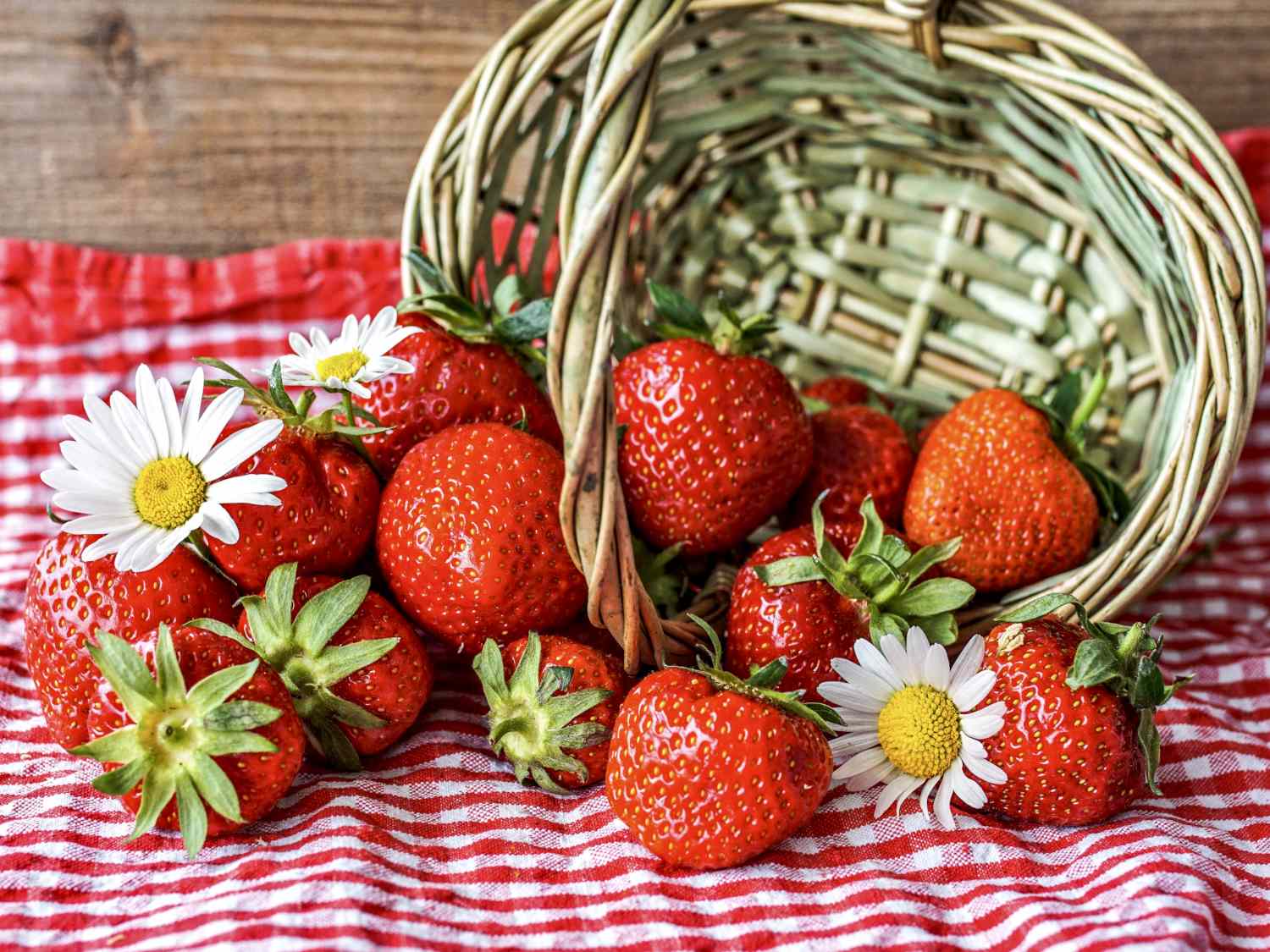
Strawberry is more than a dessert. The fruit is mostly water, very low in calories and unusually rich in vitamin C, while the leaves and roots of the plant have their own long history in country herbalism, as infusions and decoctions. This page sets out what the plant contains, what tradition credits it with, how to prepare it, and who should be careful.
Fresh fruit, leaf infusion, decoction of leaves and roots, gargle, mashed-fruit face mask
Harvest season
Fruit from late spring through summer; leaves in late spring; roots in autumn
Taste
Fruit sweet, perfumed, slightly acid; leaf infusion mild, green and faintly tannic, close to a light tea
Fruit, leaves and roots are all used in traditional herbalism
What it is credited with
Leaves and roots have a long-standing reputation as a diuretic in European country herbalism, where they were taken as a decoction to encourage the flow of water.
In traditional herbalism, that same diuretic decoction was used by people troubled by stiff, aching joints and by gravel and urinary discomfort.
The leaves and roots are astringent, and were traditionally used to settle loose bowels and irritation of the digestive tract.
The same astringency explains the old habit of using a cooled decoction as a gargle for a rough, scratchy throat.
Naturopathy values the fresh fruit as a light, refreshing, low-calorie food at the end of winter, chiefly for its vitamin C.
Home beauty tradition credits mashed strawberry with brightening and freshening the complexion when used as a short mask.
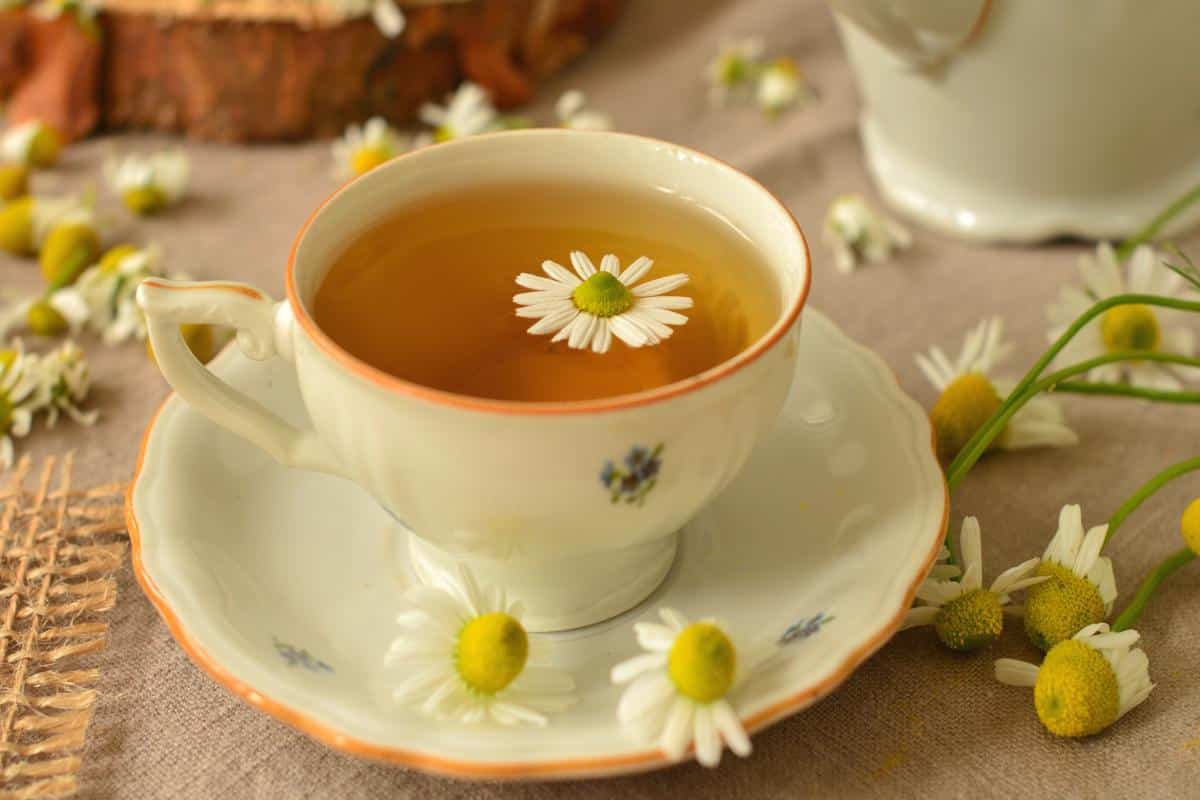
Dried strawberry leaf is valued by herbalists simply as a pleasant caffeine-free alternative to tea.
How to use it
Strawberry leaf infusion
Pick healthy young leaves in late spring, before the plant puts all its energy into fruiting.
Dry them flat in the shade, in a warm airy spot, until they snap rather than bend.
Use a heaped teaspoon of crumbled dried leaf per cup of just-boiled water.
Cover and steep for about ten minutes, then strain.
Taste: green, mild, slightly tannic. A slice of lemon or a leaf of mint suits it well.
Traditionally drunk in the afternoon, as a caffeine-free stand-in for tea, over a stretch of a week or two rather than continuously.
Decoction of leaves and roots
Lift a few roots in autumn, wash them well, chop them small and dry them with a handful of leaves.
Put a small handful of the chopped mix into a pan of cold water.
Bring to the boil, simmer a few minutes, then leave to stand off the heat before straining.
This is the stronger, more astringent preparation of the two; it tastes distinctly earthy and drying.
Traditionally taken spread across the day, for a short course of a few days.
Gargle
Make the decoction as above and let it cool to lukewarm.
Gargle, then spit it out — do not swallow the gargled liquid.
Repeat two or three times a day while the throat feels rough.
Spread on a clean, make-up-free face and hold in place with a square of gauze.
Leave for ten to fifteen minutes, then rinse with cool water.
Test a little on the inside of the wrist first — strawberry is a common allergen.
In the kitchen
Raw is best. Hull at the last moment and never soak hulled fruit in water.
Strawberry does not hold up to long cooking; flavour flattens fast.
Its perfume is at its fullest served slightly warm — a quick turn in a hot pan or a moment on the grill.
Pairs beautifully with thick cream, red wine, citrus, exotic fruit, ginger, mint and black pepper.
Worth trying on the savoury side: with goat’s cheese, cured ham, rocket, or a splash of balsamic.
Classic sweets: old-style strawberry pie, cheesecake, syrups, compotes and jam.
Forms of use compared
Form
Part used
Preparation
Traditionally used for
Infusion
Dried leaves
Steep in just-boiled water, covered, about ten minutes
A light caffeine-free daily drink; credited with a gentle diuretic action
Decoction
Leaves and roots
Simmer a few minutes in cold water brought to the boil, then strain
The stronger astringent and diuretic preparation of country herbalism
Gargle
Leaves and roots
Decoction cooled to lukewarm, spat out after use
Rough, scratchy throats
Mask
Ripe fruit
Mashed raw, applied ten to fifteen minutes, rinsed off
Freshening and brightening the complexion
Food
Ripe fruit
Raw, or barely warmed
A low-calorie, vitamin-C-rich fruit at the turn of the seasons
Frequently Asked Questions
The one thing to remember: dry a few young strawberry leaves in late spring and you have a mild, caffeine-free infusion on hand all year — while the fruit itself is best eaten raw and barely chilled.
Can you really drink strawberry leaves?
Yes — dried strawberry leaf makes a mild green-tasting infusion that herbalists have long used as a caffeine-free alternative to tea. Use a heaped teaspoon of crumbled dried leaf per cup, steep covered for about ten minutes and strain. Dry the leaves properly first; half-dried leaf can taste musty.
What is the difference between the infusion and the decoction?
The infusion uses leaves only, steeped in hot water, and is light and everyday. The decoction simmers chopped leaves and roots and is far more astringent and earthy in taste. Country herbalism reserved the decoction for short courses, and used it cooled as a gargle for a rough throat.
When should I pick the leaves and roots?
Take young, healthy leaves in late spring, before the plant commits everything to its fruit. Roots are lifted in autumn, washed, chopped small and dried. Harvest only from plants you have not treated, and away from roadsides.
Is strawberry safe for everyone?
No. Strawberry is a well-known allergen and some people come out in hives, so stop immediately at any sign of a reaction. Leaf and root preparations are traditionally avoided in pregnancy, while breastfeeding and in young children, and anyone on medication should check with a healthcare professional first.
Does cooking ruin strawberries?
Long cooking does flatten both the perfume and the vitamin C. Strawberry is at its best raw, or simply warmed through — a quick turn in a hot pan or a moment on the grill brings the scent right out. Save long simmering for jam, where that is the point.
This information is provided for general interest and reflects the traditional use of plants. It is not a substitute for medical advice. If you are on medication, pregnant, or in any doubt, ask a healthcare professional.
🌿 Nature & Garden Newsletter
Gardening tips, recipes & seasonal advice, twice a week.