Home » Health » Lavandin: traditional uses, forms and simple preparations
Lavandin: traditional uses, forms and simple preparations
·
0
Lavandin is the vigorous natural hybrid of spike lavender and true lavender, and its flowers hold far more essential oil than either parent. That is why Provence grows it by the hectare. Here is which part to pick, how to turn it into an infusion, a bath, a sachet or an infused oil tonight, what it tastes like, and who should leave it alone.
A hybrid the bees made long before growers noticed it
Midsummer to late summer, as the first flowers on each spike open
Taste
Strongly floral and camphor-like, faintly bitter, resinous on the finish — bolder than true lavender
Where it grows
Sunny, chalky, alkaline slopes around the Mediterranean, at roughly 300 to 700 m altitude
What it is credited with
Linen and wardrobes: Provençal household tradition slips pouches of dried flowers among sheets and woollens to keep them fresh and to discourage clothes moths.
Bath water: the Romans scattered scented lavender flowers in their baths, and the practice survives in herbalism as a warm, relaxing soak at the end of the day.
Restless evenings: herbalists have long recommended a sachet under the pillow or a weak evening infusion for people who wind down slowly.
Nervous tension: aromatherapy credits the diluted essential oil with a calming, sedative reputation, and a couple of drops massaged at the temples is the classic gesture for a tense, heavy head.
Everyday skin care: in traditional practice the plant has an antiseptic reputation, used to freshen grazes, small superficial scrapes and insect bites — crushed flowers and leaves rubbed on the spot, or a dab of lavandin liquor.
Stiff shoulders and knees: old Provençal habit rubs warm flower-infused oil into tired muscles after work in the fields.
After a heavy meal: southern French tradition serves a small glass of lavandin liquor as a digestive, and the plant has an old folk reputation as a diuretic.
Head lice: folk practice used strongly scented lavender and lavandin preparations on the hair and on combs as a deterrent.
Perfumery: its high oil yield made it a staple of soaps, eaux de toilette and household fragrance long before it reached the herbal shelf.
From wash-house to soap dish: a plant named for washing
How to use it
Flower infusion
One level teaspoon of dried flowers per cup of just-boiled water.
Cover and steep 5 minutes, no longer: lavandin turns soapy and bitter if pushed.
Strain, sweeten with honey if you like. One cup in the evening is plenty.
Use a smaller pinch than you would for true lavender — the camphor note is much stronger.
Bath infusion
Steep a good handful of flowering stems in a litre of boiling water, off the heat, for 10 to 15 minutes.
Strain into a warm bath, or simply tie the stems in a muslin bag and hang it under the running tap.
Soak 15 to 20 minutes, ideally before bed.
Infused (macerated) oil
Fill a clean dry jar loosely with fully dried flowers — damp flowers will spoil the oil.
Cover completely with sunflower, olive or sweet almond oil, seal, and leave on a warm windowsill for about three weeks, shaking daily.
Strain through muslin, bottle in dark glass, label, and use within a year for massage or dry skin.
Essential oil
Never neat: a few drops in a tablespoon of carrier oil is the usual dilution for adults.
Two or three drops in a bowl of hot water scents a room; a drop on a tissue tucked in the pillowcase is the gentler version of the pouch.
For temples, use the diluted blend and keep it well away from the eyes.
Dried sachet
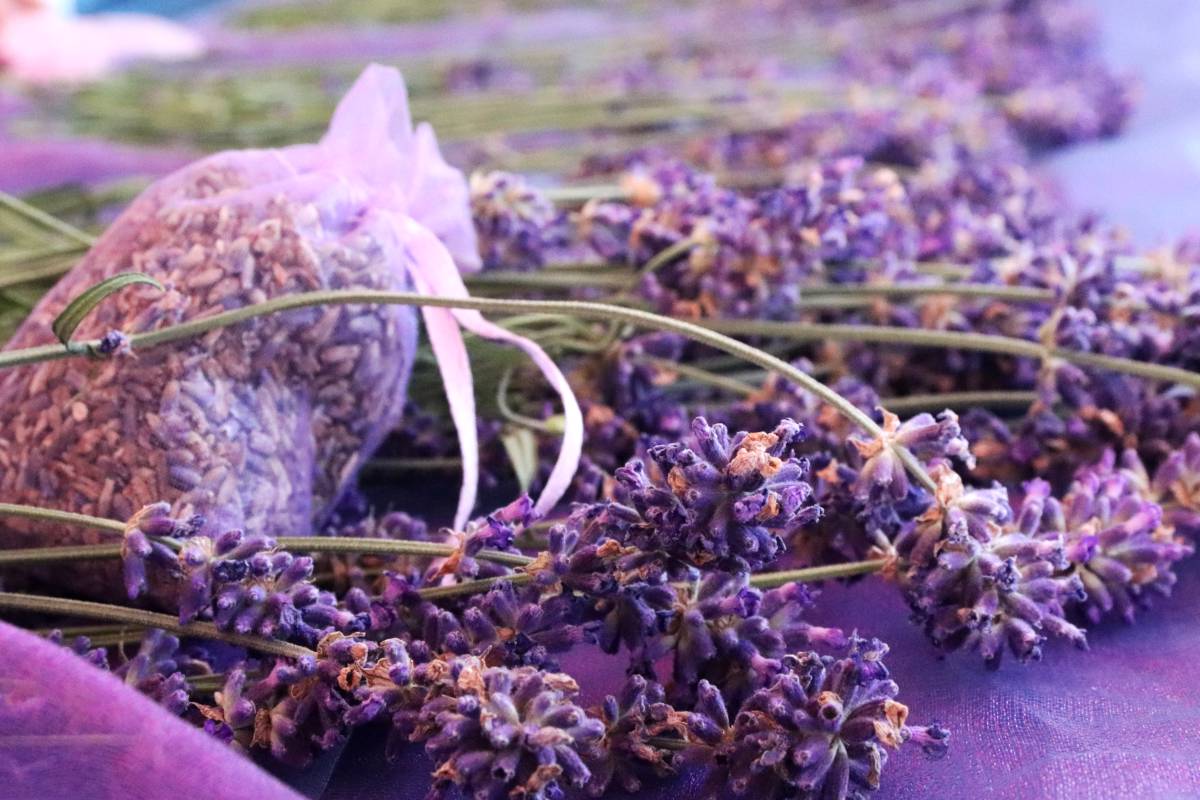
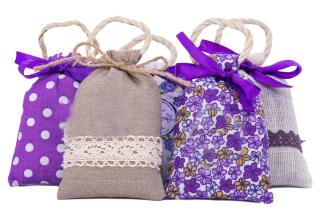
Fill a small cotton or linen pouch with dried flowers, close it tightly, and slip it under the pillow or between folded clothes.
Squeeze the pouch between your hands to wake the scent up; refill when it no longer answers.
In the kitchen
Steep a few flowers in warm milk or cream for 10 minutes, strain, then use for custard, panna cotta or ice cream.
Start with a pinch. Lavandin is louder than lavender and a heavy hand tastes of soap.
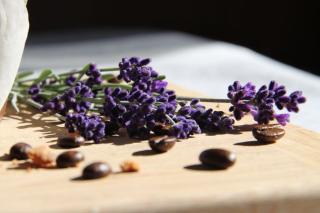
It pairs well with honey, lemon, apricot, peach and dark chocolate.
Whole flower stems are steeped in sweetened spirit in southern France for a few weeks to make a scented liquor, taken as a few sips after a meal.
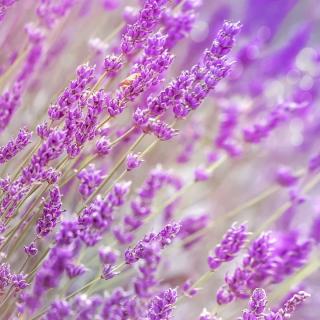
Flowering tops are the part to gather and dry
Forms of lavandin, how to prepare them and what tradition asks of them
Form
Preparation
Traditional purpose
Infusion
1 tsp dried flowers per cup, covered, 5 minutes
A calming evening drink in herbal practice
Bath infusion
A handful of stems steeped in 1 litre, strained into the tub
The Roman habit of a relaxing scented soak
Infused oil
Dried flowers steeped three weeks in a carrier oil
Massage for tired, stiff muscles; dry skin care
Essential oil
Distilled; always diluted in a carrier oil before use
Aromatherapy for tension and a heavy head
Dried sachet
Flowers in a closed cotton pouch
Fresh linen, moth deterrence, sleep ritual
Flavoured milk or liquor
Flowers steeped in warm cream, or stems in sweetened spirit
Desserts; a small digestive glass after a meal
The classic pouch: linen freshener and bedtime ritual
Frequently Asked Questions
The one thing to remember: pick the flowering tops midsummer to late summer, dry them in the dark, and use them in a short 5-minute infusion, a bath bag or a pillow pouch — and keep the essential oil diluted.
Is lavandin the same thing as lavender?
No. Lavandin is a natural hybrid of noble lavender and spike lavender, created by pollinating insects and grown because its flowers yield far more essential oil. Its scent is bolder and more camphorous than true lavender. In cooking and in infusions, use a smaller quantity than a lavender recipe calls for.
Which part do I use, and when do I pick it?
The flowering tops are the part that matters, with leaves and whole stems useful for baths and sachets. Cut the spikes midsummer to late summer, mid-morning once the dew has gone, just as the first flowers open. Hang small bundles upside down in a dark airy room, then store the dried flowers in an airtight jar.
Can I put lavandin essential oil straight on my skin?
No — dilute it. A few drops in a tablespoon of carrier oil is the usual adult dilution, and a 24-hour patch test on the forearm is sensible before a first use. Keep it away from the eyes, avoid it in pregnancy and breastfeeding, and do not use it on babies or young children.
What does lavandin taste like in cooking?
Strongly floral with a camphor edge, slightly bitter and resinous. It is louder than true lavender, so a pinch goes a long way and a heavy hand tastes of soap. Steep a few flowers in warm milk or cream for 10 minutes, strain, and use it with honey, lemon, apricot or dark chocolate.
Is lavandin safe for children?
The essential oil is not, because of its camphor and cineole content, and it should be kept away from babies, young children, and anyone with asthma or a history of seizures. A few sprigs and flowers in a warm bath, or a pouch tucked near the bed, are the traditional gentle options. Ask a healthcare professional before using anything stronger.
This information is provided for general interest and reflects the traditional use of plants. It is not a substitute for medical advice. If you are on medication, pregnant, or in any doubt, ask a healthcare professional.
Written by Gaspard Lorthiois | Loves helping out, especially when it comes to growing things. Worked in herbal medicine, runs a farm, and dabbles in tech. Master's degree and engineer.