Home » Health » Broccoli: what it contains, how to eat it, and who should go easy
Broccoli: what it contains, how to eat it, and who should go easy
·
0
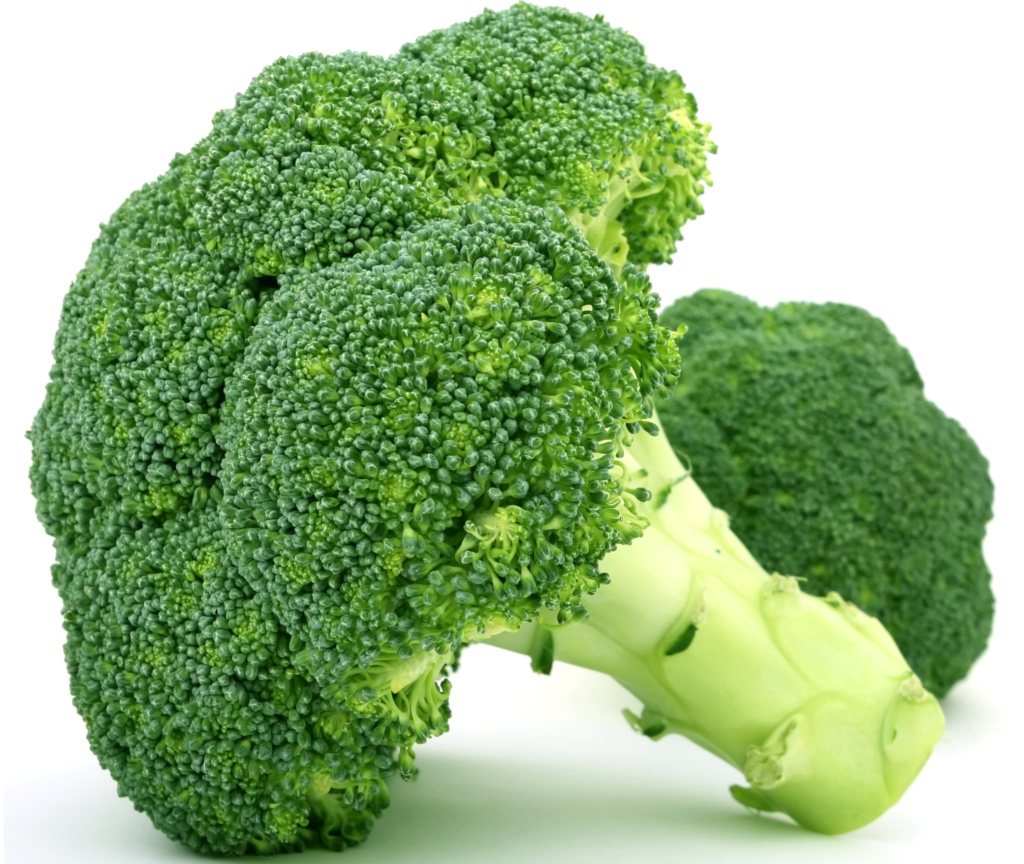
Broccoli is a cabbage in a hurry: harvested as a flower head before it blooms, eaten within days, and gone. It is mostly water, very light on calories, and dense in minerals and vitamins. This page sets out what is actually in it, what naturopathy and food tradition make of it, how to cook it so it stays worth eating, and who should keep an eye on their portions.
Broccoli at a glance
Item
Detail
Botanical name
Brassica oleracea var. italica
Family
Brassicaceae
Part used
Flower head (florets), tender stalk, young leaves; sprouted seeds
Forms of use
Raw in salads, steamed, blanched, sauteed, baked, cream soup, juiced, sprouts
Harvest season
Late spring to early summer for spring sowings; late summer to mid-autumn for the main crop, with sprouting types into late winter
Taste
Green and slightly sweet raw, mildly sulphurous when cooked, nutty when roasted
What it is credited with
Light, filling eating. Because it is mostly water and rich in fibre, naturopathy places broccoli among the vegetables to lean on in slimming and lighter-eating plans, where volume matters more than calories.
Mineral top-up. Herbal and naturopathic food traditions value it as a source of calcium, magnesium and potassium for people eating little dairy or a lot of processed food.
Everyday antioxidant intake. Its beta-carotene (provitamin A) and vitamin C give it a reputation, in naturopathic nutrition, for helping the body deal with free radicals, the ones linked to visible cell ageing.
Digestive comfort. Traditional kitchen wisdom singles broccoli out as the easiest cabbage on the stomach — far less heavy than headed cabbage — which is why it is the one usually suggested to people who find brassicas hard going.
A “neutral” food. In traditional Chinese medicine, broccoli is classed as neutral: neither warming nor cooling, and therefore considered suitable in most constitutions without tipping the balance.
Spring tonic reputation. Broccoli sprouts have a place in modern naturopathic practice as a concentrated “green” addition to salads and juices.
Broccoli is worth eating both raw and barely cooked
How to use it
Raw, the simplest form
Break a head into small florets, slice them thin, and dress with oil, lemon and salt — the slicing is what makes raw broccoli pleasant rather than woody.
Serve as crudités with a spicy or yoghurt-based dip; a handful per person is a normal serving.
Raw broccoli keeps its vitamin C, which is the part most easily lost in the pan.
Steamed, the everyday method
Cut into even florets, keeping the tender part of the stalk; discard only the tough woody base.
Steam 5 to 7 minutes, until a knife tip goes in but the green is still bright. Longer than that and you get the sulphur smell and a softer texture.
Finish with olive oil, lemon zest, garlic or toasted almonds.
Blanched, then anything
Plunge the small florets into boiling salted water for 2 to 3 minutes, then straight into cold water to fix the colour.
From there: sauté with garlic and chilli, fold into pasta, bake with cheese, or fry in a light batter.
Blanched and drained florets also freeze well in bags for a few months.
Cream soup
Sweat an onion, add the florets and a peeled potato, cover with stock, simmer about 20 minutes, blend.
A dollop of sour cream or crème fraîche at the table, plus a grind of black pepper and a little nutmeg.
Keeps 3 days in the fridge and reheats gently — do not boil it again.
Frequency
Two or three servings a week is the rhythm naturopathic eating plans usually suggest for brassicas, alternating raw and lightly cooked.
If broccoli is new to your table, start with small cooked portions and build up over a couple of weeks.
Forms of use compared
Form
Preparation
What it is for
Raw, thinly sliced
Small florets, sliced, dressed with oil and lemon
Keeps the crunch and the vitamin C; salads and crudités
Steamed
5 to 7 minutes over boiling water
The everyday side dish; gentlest on the flavour
Blanched
2 to 3 minutes in boiling salted water, then iced
Base for sautés, gratins, pasta and freezing
Cream soup
Simmered with potato and stock, blended
Easy on the stomach; a good way to use a whole head
Sprouted seeds
Sprouted in a jar over several days, rinsed twice daily
A concentrated green addition to salads and sandwiches
Frequently Asked Questions
The one thing to remember: steam small florets for 5 to 7 minutes, or slice them thin and eat them raw — both keep the flavour and the vitamin C that long boiling destroys.
Is broccoli better raw or cooked?
Raw keeps more vitamin C and the crunch, but it is harder on a sensitive stomach. Light steaming, 5 to 7 minutes, is the compromise most people settle on. Long boiling is the one method to avoid: it dulls the colour, softens the texture and sends the water-soluble vitamins into the pan water.
Why does broccoli smell of sulphur when I cook it?
That smell comes from the sulphur compounds natural to all cabbages, released by heat. It is a sign of overcooking more than anything else. Cut even-sized florets, keep the cooking short, and leave the lid off for part of the time.
Can I eat broccoli if I take blood-thinning tablets?
Broccoli is high in vitamin K, which interacts with anticoagulants such as warfarin. The usual advice is consistency rather than avoidance: keep your portions roughly the same from week to week. Discuss it with your doctor or pharmacist, who may want to check your levels.
Is broccoli really easier to digest than other cabbages?
It has that reputation in traditional kitchen wisdom, and cooks generally confirm it — broccoli sits far lighter than headed cabbage. All the same, if you bloat easily, start with small steamed portions or a blended soup rather than raw florets.
How long can I keep a head of broccoli?
Three to five days unwashed in a perforated bag in the crisper. Once the tight green beads start to yellow, the flowers are opening and the flavour has gone. Blanch and freeze whatever you will not use in time.
This information is provided for general interest and reflects the traditional use of plants. It is not a substitute for medical advice. If you are on medication, pregnant, or in any doubt, ask a healthcare professional.
Written by Gaspard Lorthiois | Loves helping out, especially when it comes to growing things. Worked in herbal medicine, runs a farm, and dabbles in tech. Master's degree and engineer.