Home » Health » Yarrow health benefits and therapeutic value
Yarrow health benefits and therapeutic value
·
0
Yarrow (Achillea millefolium) is a rhizome perennial broadly implanted in temperate regions of the Northern Hemisphere, also found simply along trails and in the woods. It boasts many health benefits.
First used in topical use as a wound-healing agent and to quench bleeding, the scientific name of yarrow can be traced to the Greek hero Achilles, who, according to legend, used it to treat his soldier’s wounds during the Trojan war. Today, many therapeutic properties have been attributed to this plant.
Astringent, clotting and antiseptic, a compress imbibed with yarrow decoctions (2 oz (60 g) flowered tips for 1 quart (1 liter) water) will help stop bleeding and contribute to the wound-healing activity for small cuts.
Anti-inflammatory and antispasmodic, yarrow infusions (1 oz (30 g) flowered tips for 1 quart (1 liter) boiling water) treat digestive disorders, stomach and intestinal spasms, spasmodic diarrhea as well as excessively abundant menstruation and irregular menstrual cycles.
As an emmenagogue, yarrow stimulates the blood flow in the pelvic and uterine areas of the body. When taken as a bath seat, this plant alleviates pain due to menstruation.
Invigorating yarrow is effective in case of overall tiredness.
Since it favors elimination of toxins while being only a light diuretic, yarrow is effective in case of cystitis or urinary inflammation.
When inhaled or in infusions mixed with honey and a few drops of Tabasco, yarrow shows itself to be effective against respiratory tract infections in case of flu or cold.
Growing yarrow for its health benefits
Yarrow requires full sun, even if hot, and soil that is preferably dry and well drained. Very hardy, this plant resists very low temperatures, and doesn’t require much care.
You can grow yarrow in pots, as long as you select a large garden box at least 12 inches (30 cm) wide and deep.
Note that common yarrow tends to be quite invasive, feel free to cut the flowers before they spread new seeds.
Although this plant is clearly more often ingested for its therapeutic benefits than for its taste, you can nonetheless spice up mixed salads with a few tender young shoots. You can chop the leaves and use them as you would parsley, or boil them in water and fry them with a wad of butter, which is something the English often do.
Images: adobestock: Татьяна Пинкасевич
Pixabay: Maria, Olga Kachor, Ulrike Leone
🌿 Nature & Garden Newsletter
Gardening tips, recipes & seasonal advice, twice a week.

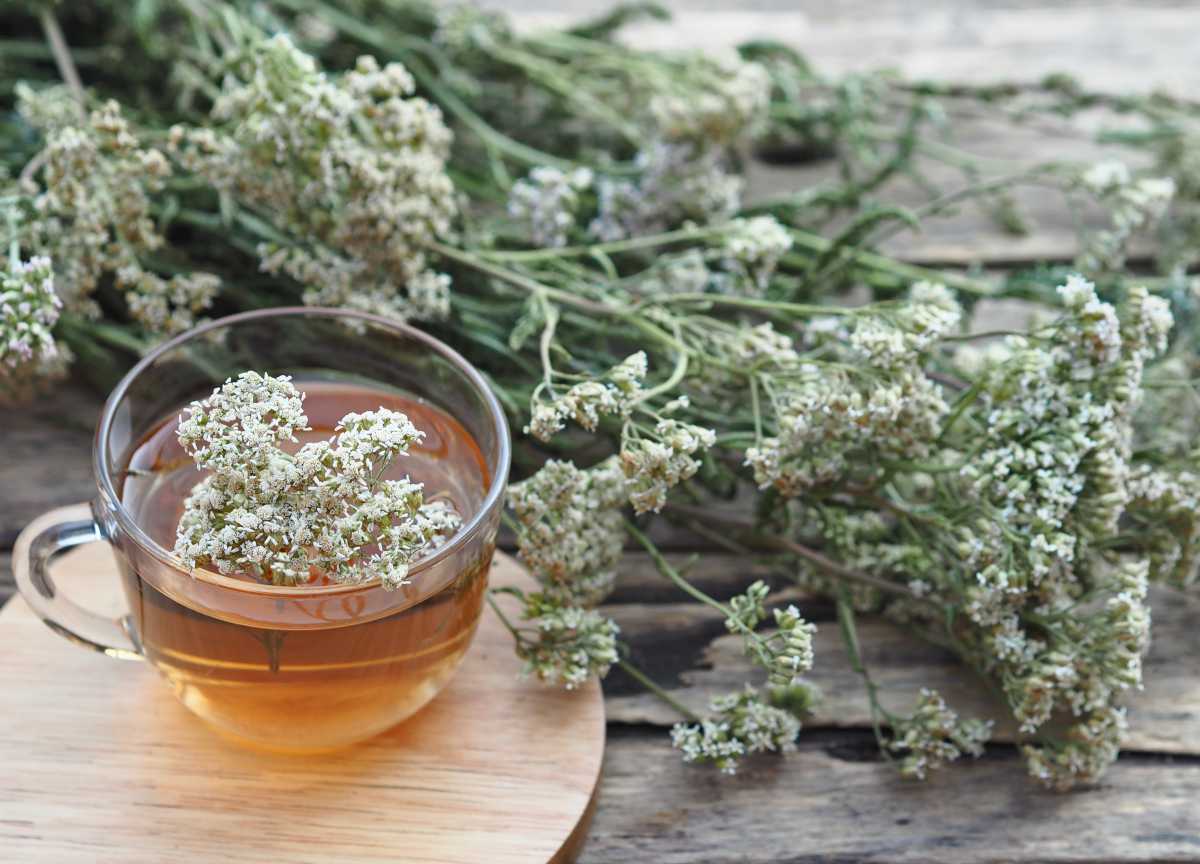
 Anti-inflammatory and antispasmodic, yarrow infusions (1 oz (30 g) flowered tips for 1 quart (1 liter) boiling water) treat digestive disorders, stomach and intestinal spasms, spasmodic diarrhea as well as excessively abundant menstruation and irregular menstrual cycles.
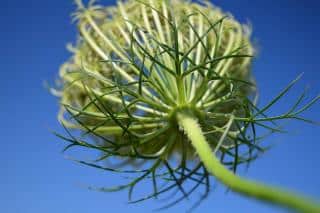 Yarrow requires full sun, even if hot, and soil that is preferably dry and well drained. Very hardy, this plant resists very low temperatures, and doesn’t require much care.
 Although this plant is clearly more often ingested for its therapeutic benefits than for its taste, you can nonetheless spice up mixed salads with a few tender young shoots. You can chop the leaves and use them as you would parsley, or boil them in water and fry them with a wad of butter, which is something the English often do.