Home » Health » Pear: what it contains, how to use it, and what tradition credits it with
Pear: what it contains, how to use it, and what tradition credits it with
·
0
The pear is one of the oldest cultivated fruits in temperate gardens, and one of the gentlest on the palate. This page looks at what is actually in a pear, what herbalism and country tradition have made of the fruit and of the tree‘s leaves, and how to prepare both at home — raw, poached, or as a simple leaf decoction — with the cautions that go with them.
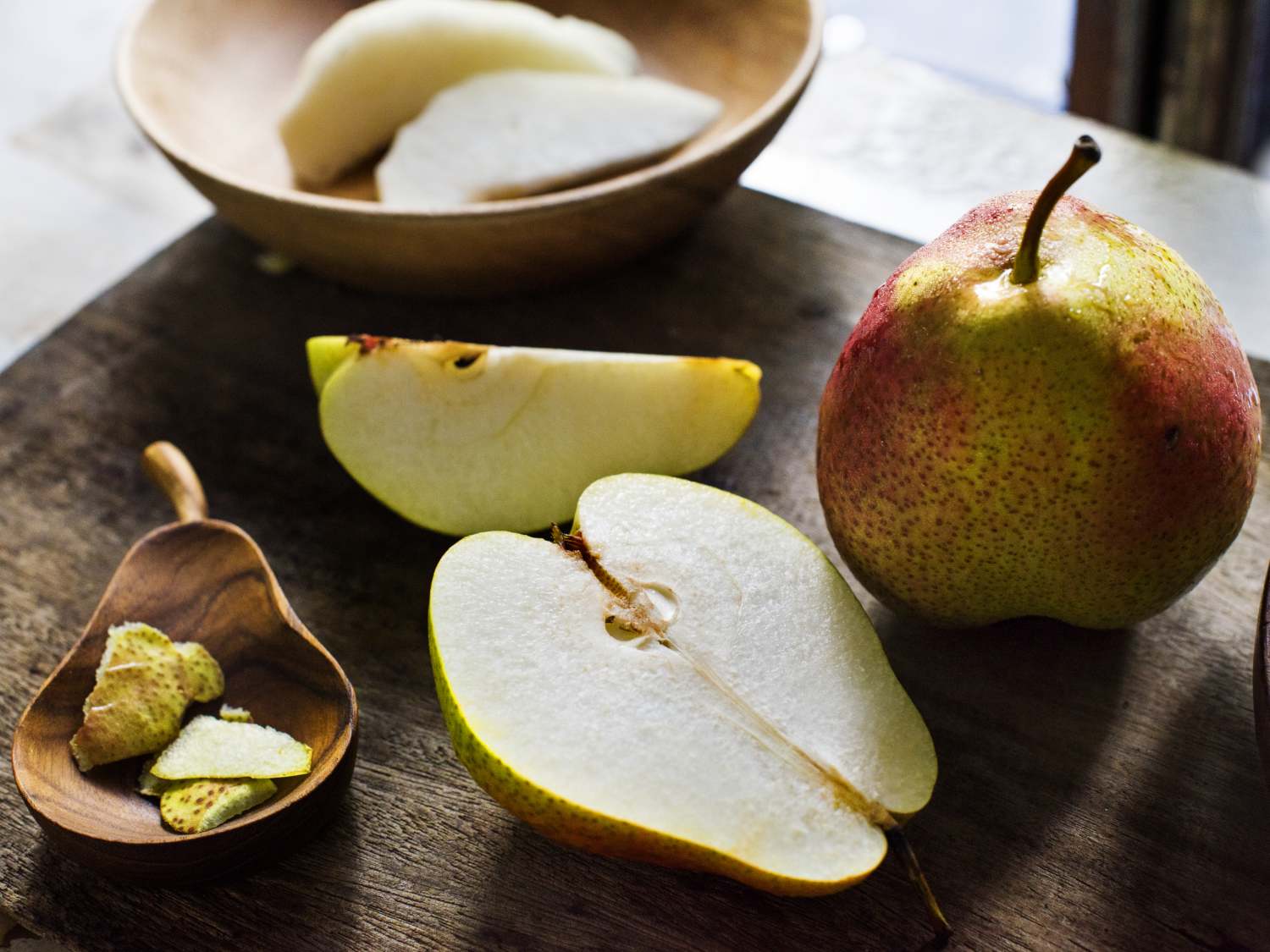
Most of the fibre and phenolics sit in the peel, not the flesh
Pear at a glance
Item
Detail
Botanical name
Pyrus communis
Family
Rosaceae
Parts used
Ripe fruit (flesh and peel), leaves
Forms of use
Fresh fruit, poached or baked fruit, marmalade, juice, leaf decoction
Harvest season
Fruit from late summer to mid-autumn, depending on variety; leaves in midsummer
Taste
Sweet, floral, faintly grainy; the leaf decoction is green, slightly astringent and almost flavourless
Origin
Woodlands of temperate Europe and the Middle East, from the Caspian Sea to the Atlantic
What it is credited with
Pears are rich in dietary fibre, and are traditionally eaten to support a smooth, regular transit — the peel being the fibre-heavy part.
Country herbalism has long placed the pear among the gently laxative and diuretic fruits, in the same family of uses as the apple.
Its potassium content is the reason naturopathy lists it among the fruits favoured for water balance and light, draining eating days.
Naturopathy credits the vitamin C in pears with contributing to normal immune function and to the upkeep of bones.
The peel is the richest part in phenolic compounds, which is why traditional advice is to eat well-washed pears unpeeled whenever the skin is tender.
In traditional herbalism, a decoction of pear tree leaves was used as a mild diuretic and to ease ordinary urinary discomfort; it has a long-standing reputation as a soothing, unremarkable drink rather than a strong remedy.
Poached or baked pears are a classic of home convalescence cooking, valued for being easy to eat when appetite is low.
How to use it
Fresh, as fruit
One or two ripe pears a day, eaten with the peel on after a good wash, is the everyday form.
Eat them when the flesh yields to gentle thumb pressure near the stalk — not before.
Pair raw slices with corn salad, endive, blue cheese or cured ham; the sweetness plays against salt.
Dab cut surfaces with lemon juice to keep the flesh pearly white.
Poached or baked
Peel, halve and core; simmer 15 to 20 minutes in water with a little sugar, a vanilla pod or a strip of lemon zest, until a knife slides through.
For baked pears: halve, sit cut-side up in a dish, add a knob of butter and a spoon of honey, bake around 35 to 40 minutes at moderate heat.
Cooked pears are the form recommended by tradition for anyone who finds the raw fruit heavy on the stomach.
Sweet red wine, chocolate or a spoon of marmalade turn the same preparation into dessert.
Pear leaf decoction
Pick healthy, unsprayed leaves in midsummer, when they are fully grown and still deep green.
Dry them flat in the shade, in a single layer, until they snap rather than bend.
To prepare: a small handful of dried leaves per large mug of cold water, bring to the boil, simmer 5 minutes, then leave to steep 10 minutes off the heat and strain.
Traditional use is one to two cups a day, taken in the earlier part of the day, over a short stretch of a few days rather than continuously.
The taste is thin and grassy; a slice of lemon or a little honey makes it friendlier.
Forms of use compared
Form
Preparation
Traditionally used for
Fresh fruit, unpeeled
Washed, eaten ripe, peel on
The everyday fibre-and-vitamin-C form; the peel is the richest part
Poached fruit
Simmered 15–20 min in lightly sweetened water
The form country tradition suggests for delicate stomachs
Baked fruit
Halved, honey and butter, 35–40 min at moderate heat
Warm, easy eating when appetite is low
Marmalade
Long slow cooking of peeled fruit with sugar
Keeps the fruit available out of season, in cooked form
Leaf decoction
Dried leaves boiled 5 min, steeped 10 min
A mild diuretic drink in traditional herbalism
Your own unsprayed tree is the only safe source of leaves
Growing your own, if you want the leaves
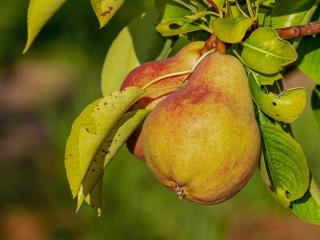
Pear trees grow in almost any region below 3,300 feet (1,000 m), in rich, deep, loamy and cool soil, without excess moisture or chalk.
They dislike dry sandy ground and suffer in drought; ideal exposure is south/south-east or south/south-west.
Watch for late frosts on the spring blossom: flowers and young fruit are generally lost below 28°F (-2°C).
In wet weather or heavy rain, fruit drops and overloaded branches snap before harvest — thin early.
In a pot, use a container at least 16 inches (40 cm) deep and wide, with a drainage hole and a gravel bed, water generously in summer, and thin to 3 or 4 fruits per branch (none in the first year).
Cooking is the traditional answer for stomachs that find raw pear heavy
In the kitchen
Raw, alone or in a fruit salad — but equally at home with savoury plates.
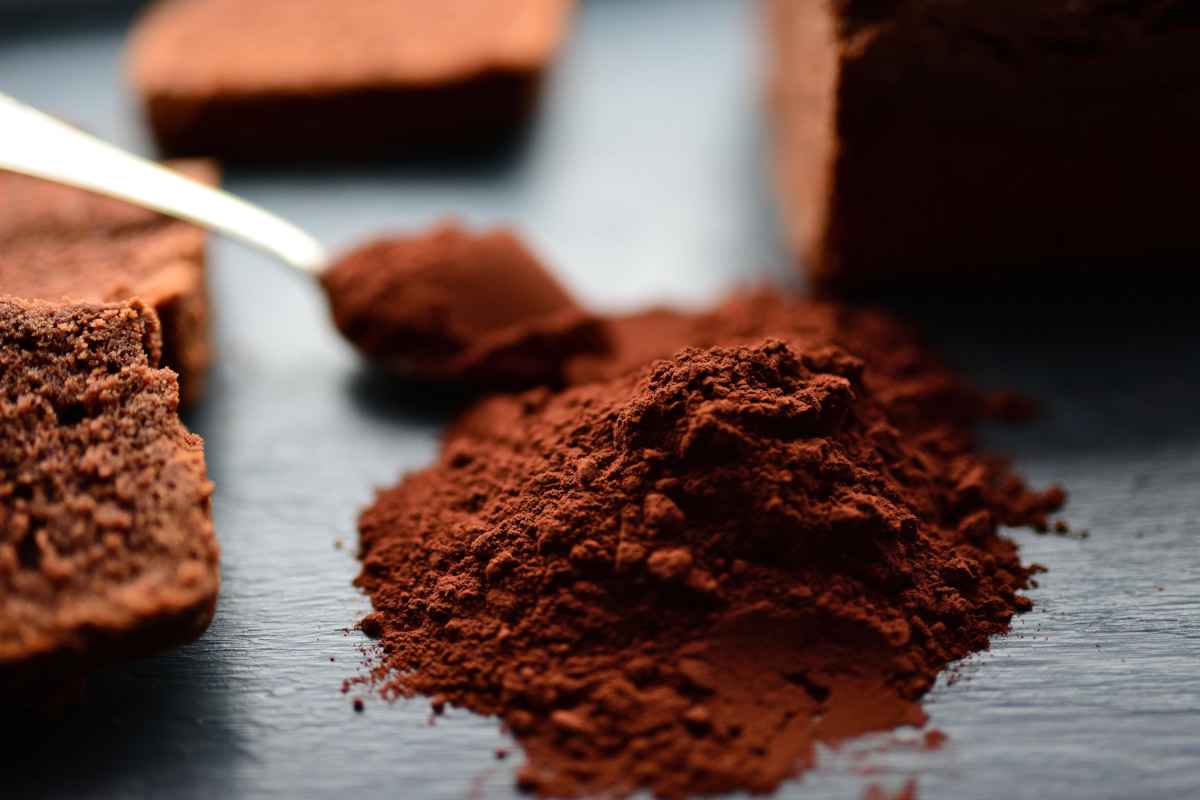
Baked or poached with chocolate (the classic Belle Hélène) or sweet red wine.
In tarts, clafoutis, ice creams and mousses.
Served between courses to refresh the palate before the cheese, or alternating slices with the cheese itself.
Frequently Asked Questions
The one thing to remember: eat the pear ripe and unpeeled for the fibre and the phenolics, and poach it instead if your stomach finds it heavy.
Should I peel pears or not?
Leave the peel on whenever it is tender and the fruit is well washed. The peel holds more dietary fibre and more phenolic compounds than the flesh. Peel only when the skin is thick, gritty, or when the fruit was not grown without sprays.
Pears upset my digestion. What can I do?
Cook them. Boiled, poached or baked pears, and pear marmalade, are the forms country tradition has always recommended for weak stomachs. Start with a small portion and eat them warm rather than cold.
What are pear tree leaves used for?
In traditional herbalism, a decoction of dried pear leaves was taken as a mild diuretic drink and to ease ordinary urinary discomfort. It is a gentle, almost tasteless preparation used over a few days, not continuously. Anything persistent or painful calls for a medical opinion instead.
When do I pick the fruit and the leaves?
Fruit comes in from late summer to mid-autumn depending on the variety, picked firm and finished indoors. Leaves are gathered in midsummer, when fully grown and deep green, then dried flat in the shade until they snap.
How do I keep cut pear from browning?
Dab the cut surfaces with lemon juice as soon as you slice them. The flesh stays pale for a fruit salad or a cheese board. A bowl of water with a squeeze of lemon works just as well for larger quantities.
This information is provided for general interest and reflects the traditional use of plants. It is not a substitute for medical advice. If you are on medication, pregnant, or in any doubt, ask a healthcare professional.
Written by Gaspard Lorthiois | Loves helping out, especially when it comes to growing things. Worked in herbal medicine, runs a farm, and dabbles in tech. Master's degree and engineer.