Home » Health » Mold on Food: Which Ones Are Safe, and Which to Cut Away
Mold on Food: Which Ones Are Safe, and Which to Cut Away
·
0
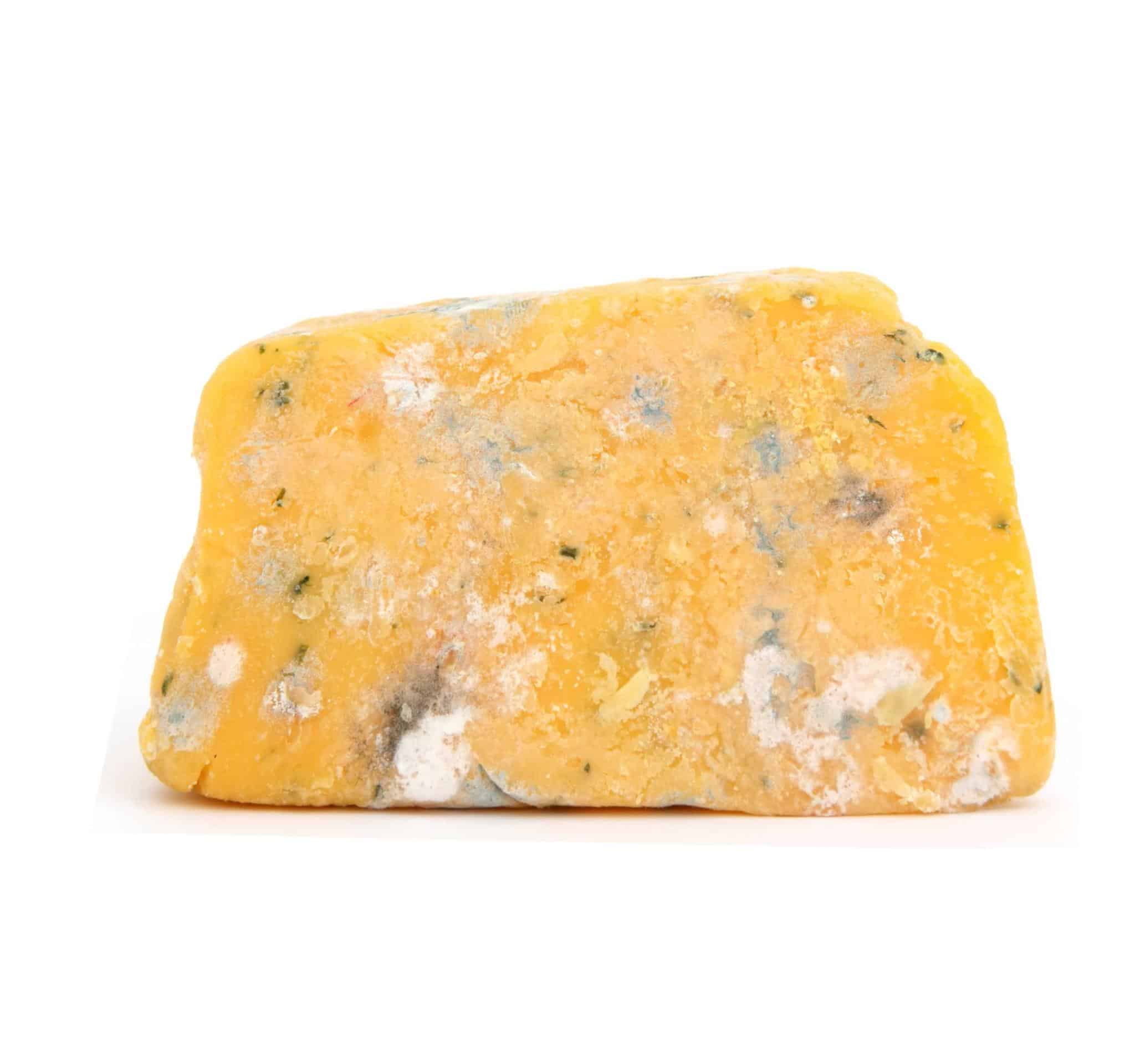
Not every fuzzy patch means the bin. Some molds spoil food; others are the very reason cheese, soy sauce and vinegar exist at all. This page sorts the two: which foods can be trimmed and eaten, which cannot, how the kitchen molds are actually used, and who should be careful around them.
Preserving milk. Traditional cheesemaking across Europe credits Penicillium with turning perishable milk into something that keeps for months — the opposite of rotting.
Building savoury depth. Japanese and Chinese food tradition credits koji molds with the umami of soy sauce, miso and rice vinegar.
Pickling and souring. The bright pink ginger served with sushi is pickled in vinegar, and that vinegar begins with a mold ferment.
Digestive comfort after rich meals. Fermented foods such as miso, pickles and kombucha have a long reputation in home tradition for settling a heavy stomach.
Tonic reputation of the bigger relatives. Oyster mushrooms, mold’s “big siblings”, are valued in East Asian food tradition and by modern herbalists as a strengthening, everyday food.
A place in medical history.Penicillium gave its name to penicillin, and Aspergillus terreus was the source organism for lovastatin — historical fact rather than anything your fridge can do.
How to use it
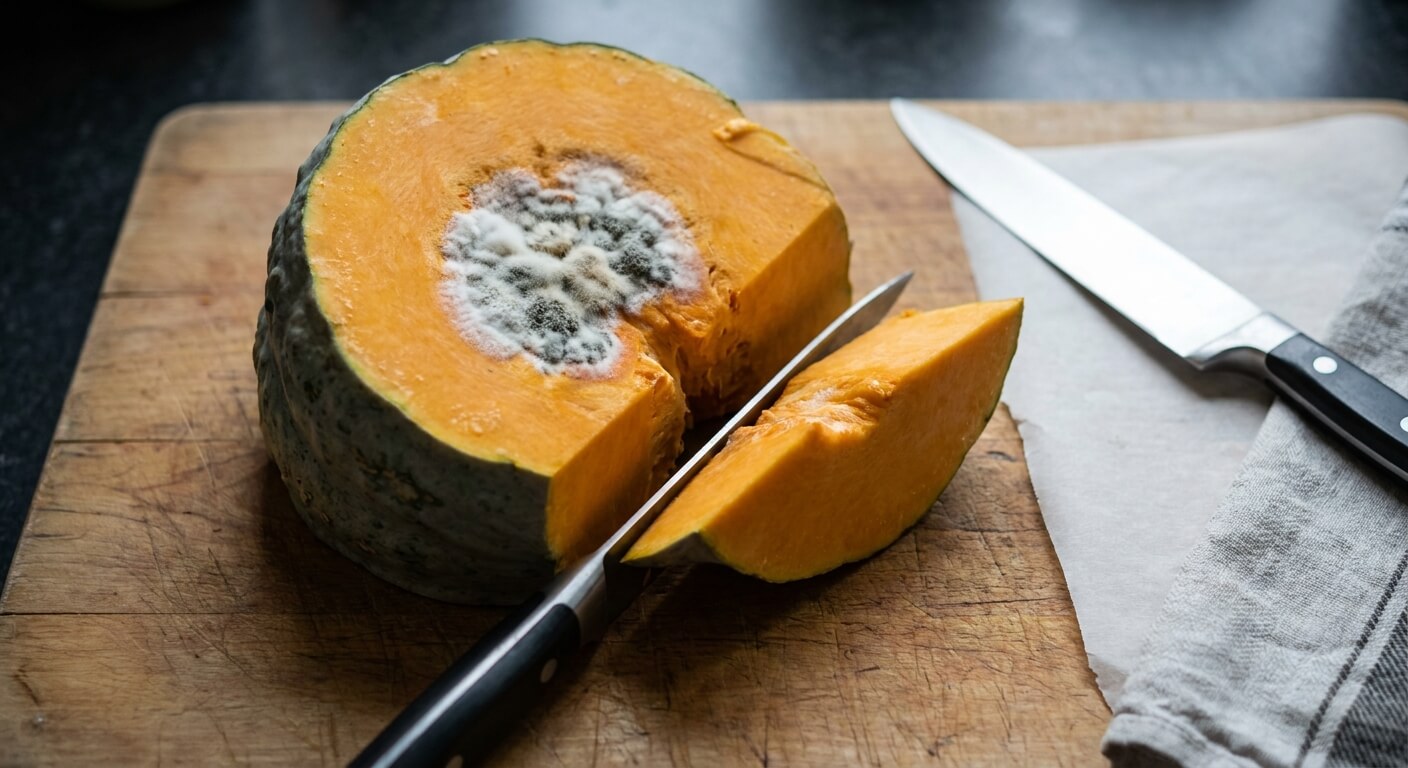
Trimming a hard food
Cut at least one inch (2.5 cm) around and below the moldy part, taking a wide, clean wedge.
Keep the blade out of the moldy patch itself: touching it spreads spores to the sound flesh.
Use one knife to lift off the moldy piece, then a second, clean knife for the food you will eat.
Wash the board, knives and your hands afterwards, and re-wrap the food in fresh paper or film.
Cured meat with a surface bloom
Wipe the whole sausage or ham down with a cloth wrung out in vinegar or brine.
Peel the casing back and slice from the freshly exposed face.
Hang it somewhere cool and airy rather than sealed in plastic, where damp builds up.
Getting the good molds into your week
Blue cheese: crumble a little into a warm dressing or over baked squash; a small amount carries a long way.
Miso: stir a spoonful into hot — not boiling — water or broth at the end of cooking, once or twice a day if you like it.
Pickled ginger: a few slices alongside a rich or oily dish, in the Japanese manner.
Kombucha: a small glass with a meal rather than a large one on an empty stomach, especially at first.
Oyster mushrooms: pan-fried hard in a dry pan first, then finished with oil and garlic. You can grow your own on coffee grounds.
Read also our other sections in this series:
Cut at least one inch around and below the moldy part
The one thing to remember: trim hard foods generously and keep the knife out of the moldy patch; throw soft and cooked foods away.
How much do I cut off a moldy carrot or ham?
Take at least one inch, about 2.5 cm, around and underneath the moldy area. Lift that wedge away with one knife, then switch to a clean knife for the rest. Wash the board and re-wrap the food before it goes back in storage.
Is blue cheese really safe to eat?
The Penicillium molds used in Gorgonzola, Brie, Camembert and blue cheese are there on purpose, and inside the cheese they produce no mycotoxins. That said, mold-ripened and soft cheeses are commonly advised against in pregnancy, and anyone with a mold allergy or weakened immunity should leave them alone.
Why can’t I just scrape the mold off bread or jam?
Soft, moist foods let mold spread invisibly through the whole item, so what you scrape off is only the visible tip. The same goes for cooked leftovers, soft fruit, yoghurt and grated cheese. Discard them rather than trimming.
Are any molds actually useful?
Yes. Penicillium preserves milk as cheese, and koji molds such as Aspergillus oryzae ferment vinegar, soy sauce and brewed drinks like kombucha — the pink ginger beside your sushi is pickled thanks to them. Penicillium also gave its name to penicillin, a piece of medical history rather than anything happening in your fridge.
When is mold most likely to appear in my kitchen?
Molds thrive in damp, mild air, so the stretch from early autumn to late winter is when stored vegetables and forgotten leftovers turn fastest. Store hard vegetables dry and loose, not sealed in bags, and keep cheese in waxed paper so it can breathe.
This information is provided for general interest and reflects the traditional use of plants. It is not a substitute for medical advice. If you are on medication, pregnant, or in any doubt, ask a healthcare professional.
Written by Gaspard Lorthiois | Loves helping out, especially when it comes to growing things. Worked in herbal medicine, runs a farm, and dabbles in tech. Master's degree and engineer.