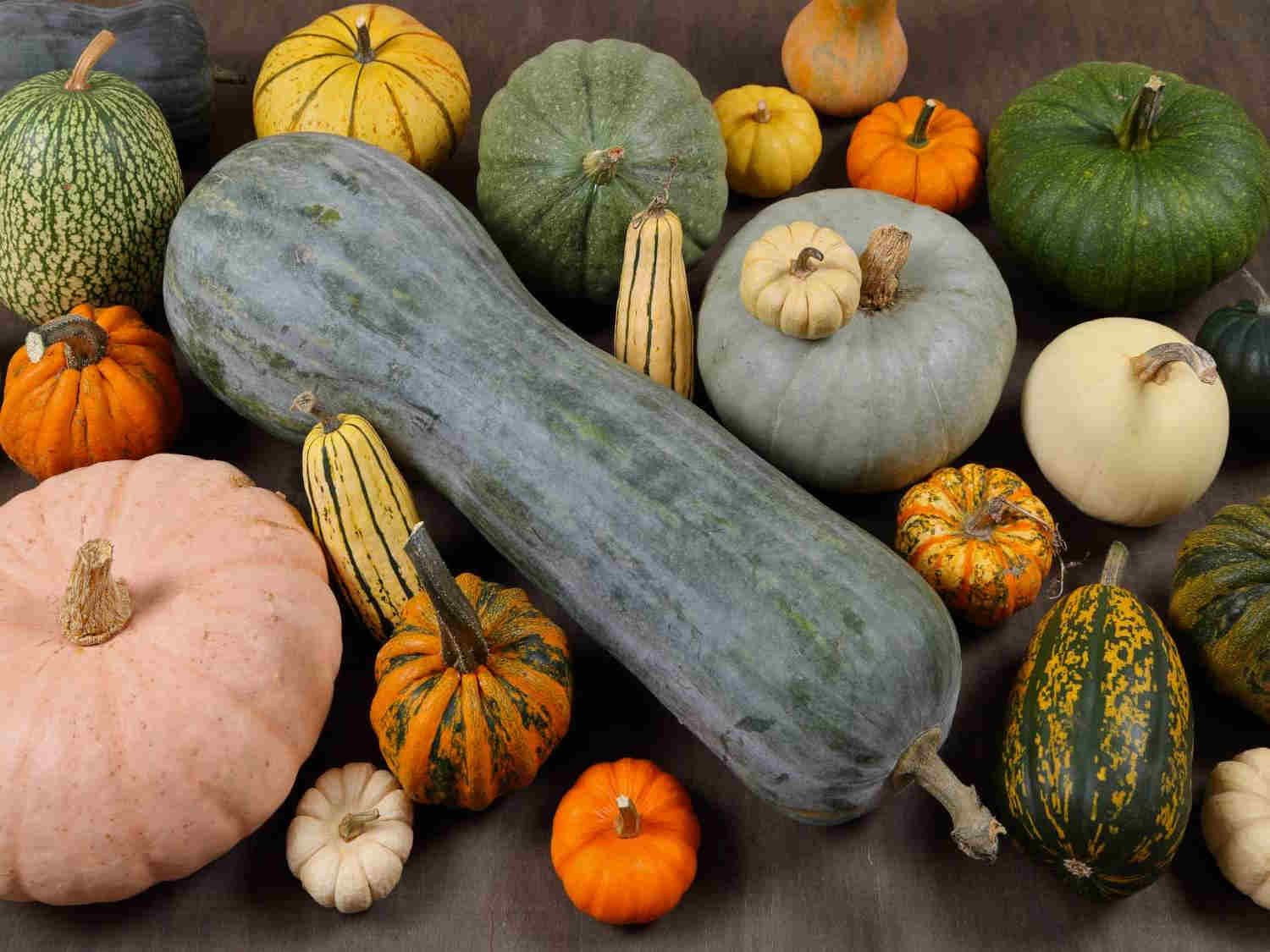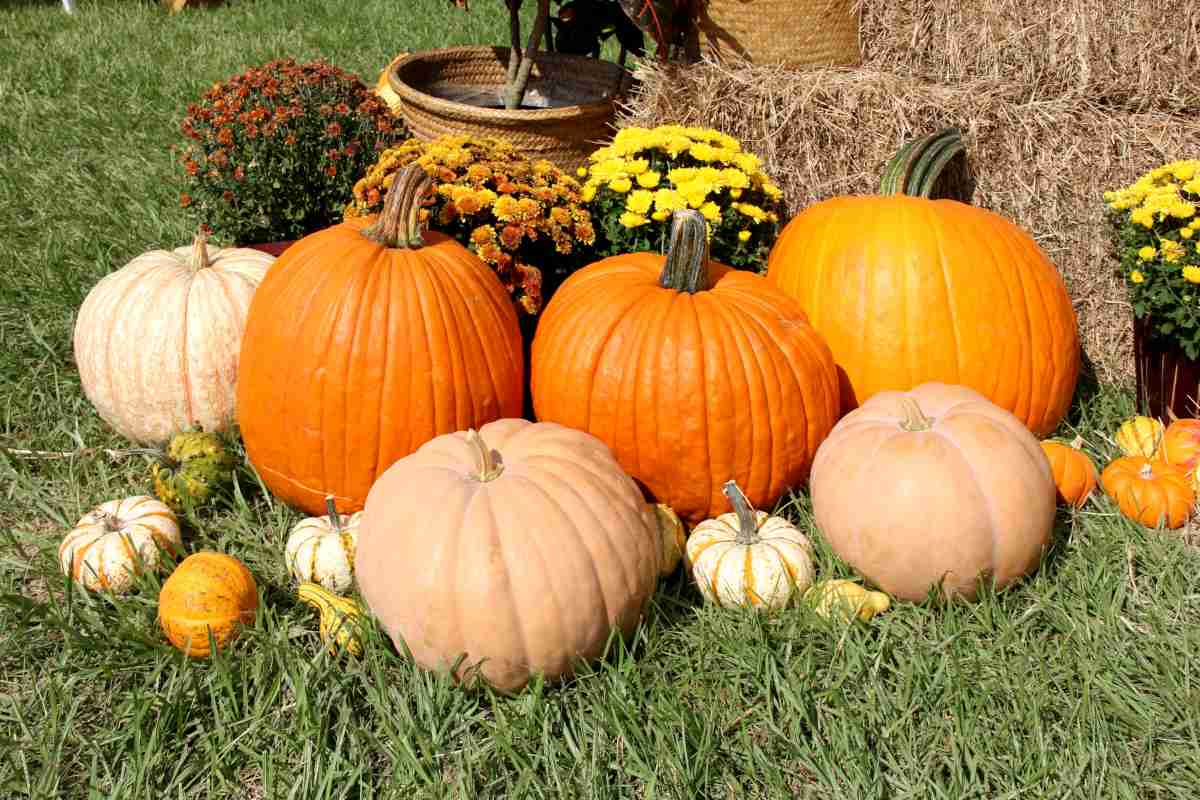
Squash (Cucurbita maxima) is a sprawling vine that will climb everywhere it is allowed, setting fruit in a huge range of shapes, colours and sizes and deepening to orange as it ripens. Rich in vitamin A and potassium, it keeps almost a year in a cool dry room, provided it gets the heat and rich soil it demands.
| Name | Cucurbita maxima |
|---|---|
| Family | Cucurbitaceae (gourds) |
| Type | vegetable |
| Height | 8 to 20 inches (20 to 50 cm) |
| Exposure | full sun |
| Soil | rich and well drained |
| Harvest | early autumn to early winter |
From sowing to harvest, each step is important and will help you to get magnificent squash.
early spring is the right time to start sowing in a sheltered place in nursery pots followed by transplanting when the last frosts are past, or you can also wait for direct sowing starting from late spring.
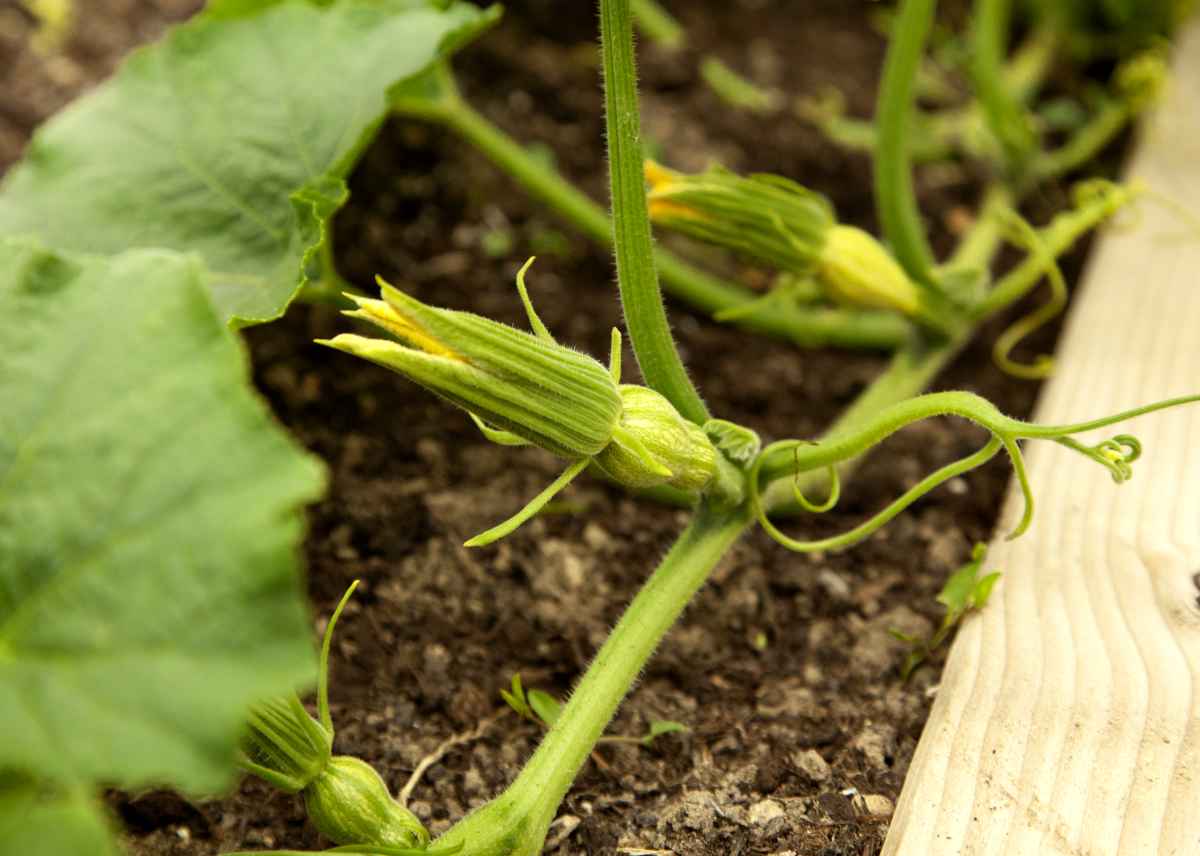
If sowing in nursery pots in spring, count more or less 3 weeks before transplanting them to the ground. That’s why there is no need to sow early.
It is also possible to sow directly in the ground, starting from late spring.
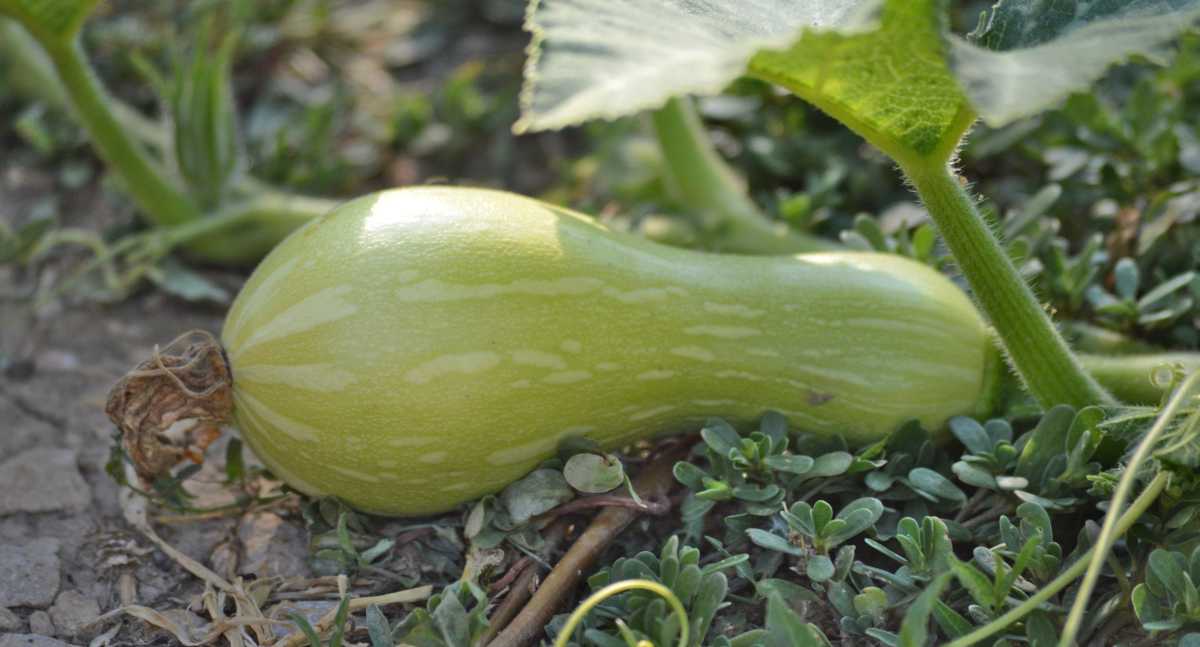
You can pinch off stems after the 3rd or 4th leaf to stimulate plant growth, this will ensure better productivity.
Once the plants have grown well, mulch their base to keep the soil moist and cool.
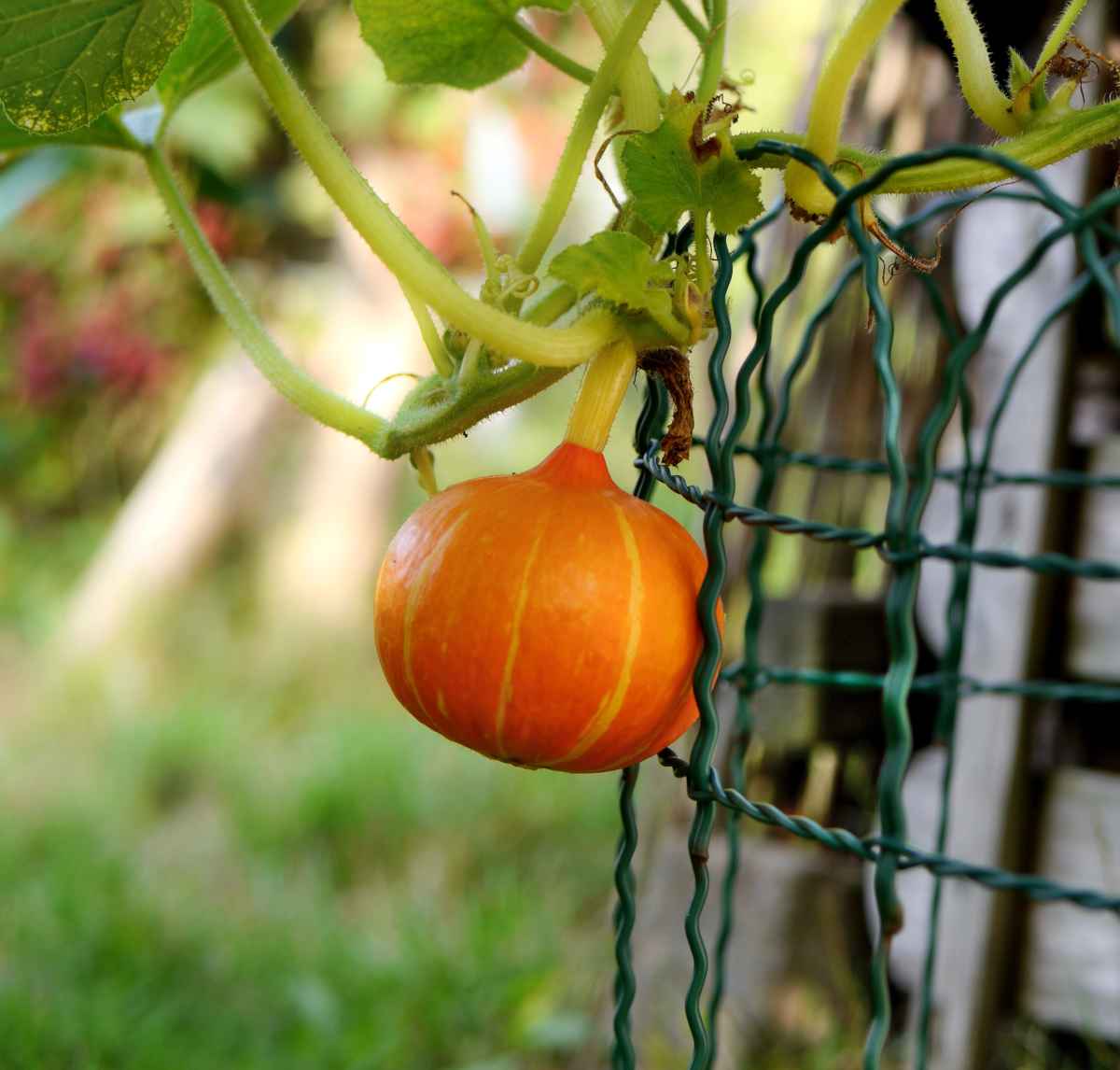
Squash is a vine. It will climb everywhere! Fruits may form in different places. However, not all varieties can sustain the weight of each fruit.
Squash asks for very little, but each stage has its moment. Here is the whole cycle, from the first seed pressed into a pot to the fruit stacked on a storage shelf.
| Stage | When | What to do |
|---|---|---|
| Sowing under cover | early spring | Two or three seeds per nursery pot, keeping only the strongest seedling |
| Transplanting | late spring | Roughly three weeks after sowing, once frost is no longer a risk |
| Direct sowing | late spring | Sow straight into loosened, well-enriched soil once it has warmed |
| Pinching and mulching | early summer | Mulch the base to keep soil cool and lift fruit clear of the ground |
| Harvest | early to mid-autumn | Cut when the stem has dried, the foliage yellowed and the colour deepened |
| Storage | mid-autumn onwards | Keep in a dry room at 50 to 60°F (10 to 15°C) |
Miss none of these and a single plant will feed you well into the following year.
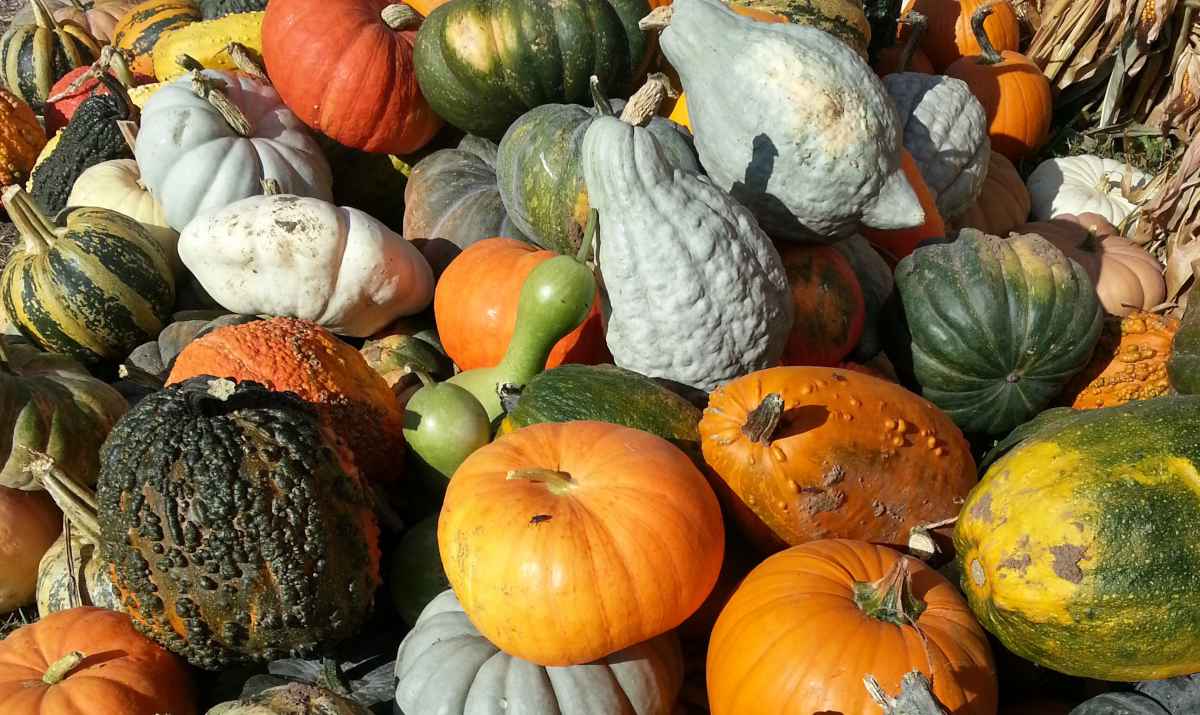
Harvest the squash as soon as leaves dry up.
Fruits start to mature as early as early autumn, but best is to harvest your squash when the stem has dried up and that foliage has turned yellow.
After the harvest, squash can keep for almost a year, in a dry room with a temperature ranging from 50 to 60°F (10 to 15°C).
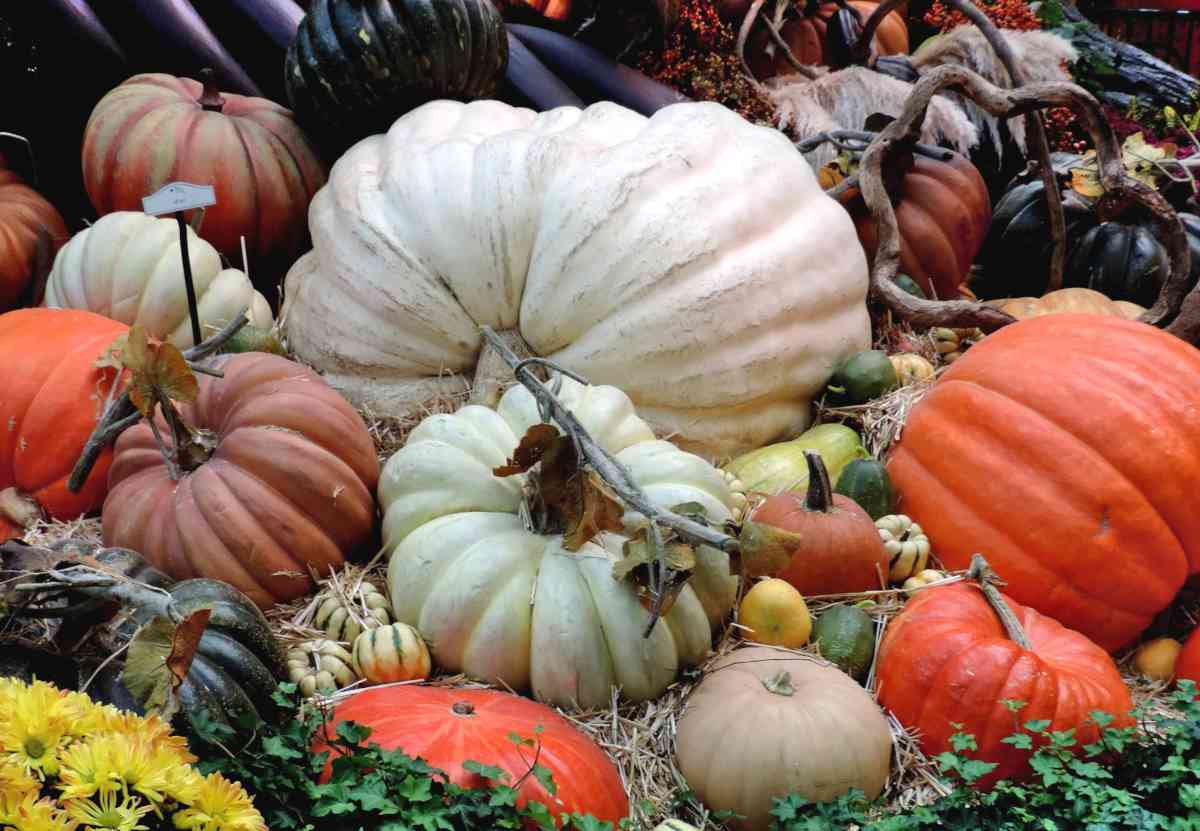
Native to North America, gourds and squash come in a wide choice of shapes, colors and sizes.
With high levels of vitamin A, B, and C, these fruits also have the advantage of keeping for a long time over winter, ideally at temperatures of about 50 / 55°F (10 / 12°C).
Since it contains 92% water, squash is rather low on calories and potassium-rich, which makes it an excellent vegetable against hypertension.
Its flesh, which also has high levels of vitamin A, demonstrates acknowledged antioxidant properties.
The different varieties of squash that are grown most are ‘Hubbard’, ‘Butternut’ and ‘Turban’ squash. Of course, another squash that is very appreciated is red kuri squash, with sweet flesh that reminds one of chestnuts. Interesting for children is the fun-to-eat spaghetti squash.
Read also:
Take care not to let too many fruits develop on a single plant (at most 5 or 6), or you might reduce the quality of the entire harvest overall. The technique is to remove weaker and smaller fruits as soon as they form.