Home » Health » Mouldy food, fruit and vegetables: what to cut off, what to bin
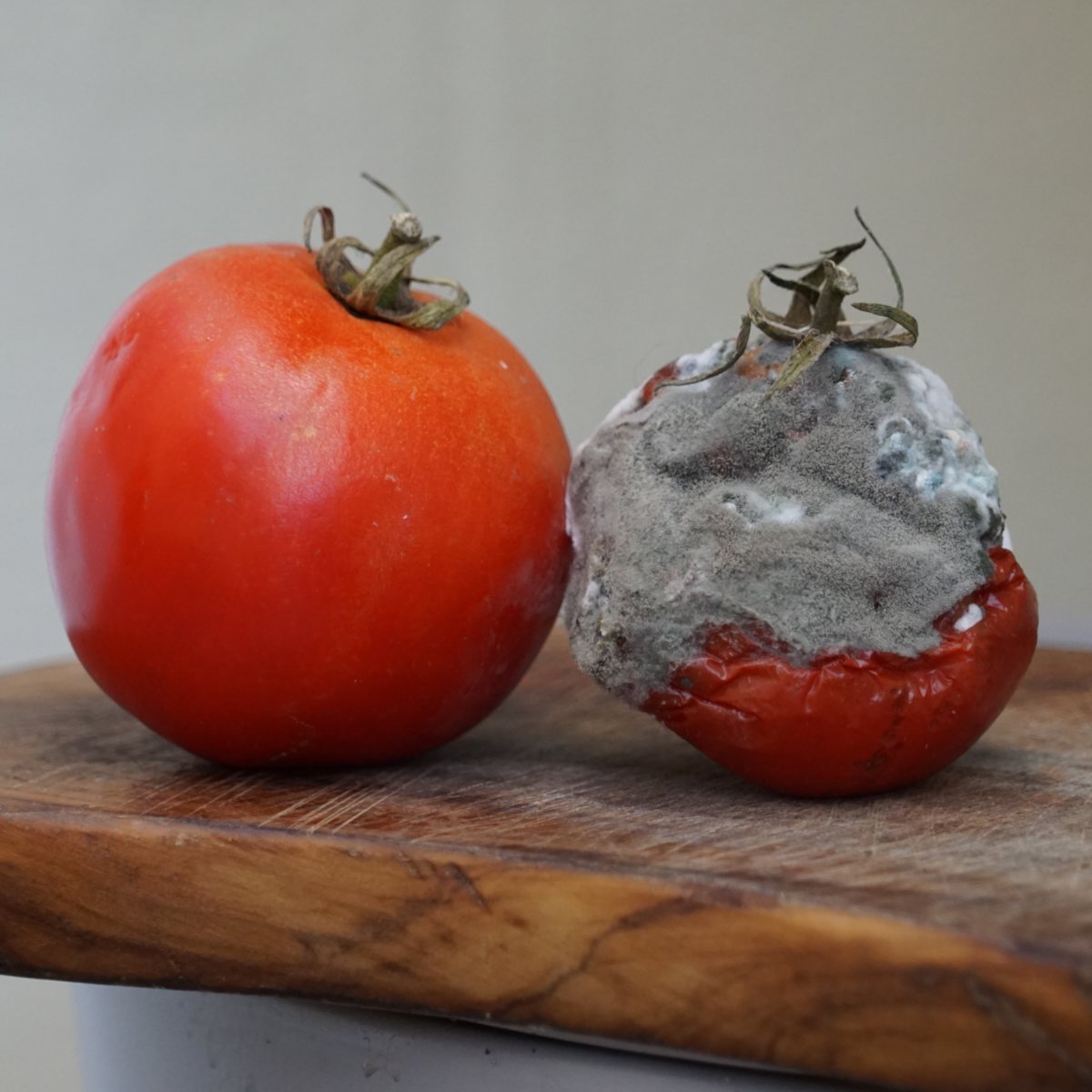
Mouldy food, fruit and vegetables: what to cut off, what to bin
·
0
You open the fridge, and there it is: a grey bloom on the tomato, a blue speck on the cheese. Before it all goes in the bin, there is a simple rule of thumb that experienced cooks and food-safety guidance both follow — hard foods can often be trimmed, soft and cooked foods cannot. Here is how to tell which is which tonight.
The quick answer
Hard foods – chop the mould off generously and cook.
Soft foods – throw them out.
All cooked foods – throw them out.
If the layer of mould is thick, whatever the food, discarding it is the only option.
Raw carrots, squash, hard cheese, firm root vegetables
Cut a wide margin away, then cook
Soft, high moisture
Tomatoes, berries, peaches, soft cheese, yoghurt
Throw out — mould runs right through
Cooked or prepared
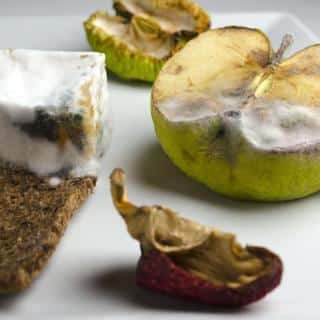
Bread, rice, stews, sauces, leftovers
Throw out, whatever the size of the patch
Thickly covered, any type
Fuzzy, matted growth of any colour
Throw out — the roots go as deep as the layer is thick
Why mould matters — the iceberg
An important point to keep in mind is that mould is like an iceberg. What we see is not all that there is.
A thick layer of mould on food often has a matching depth of “roots” well beyond the top surface.
In most cases, if mould is present, so is bacteria.
Some moulds, and many bacteria, produce mycotoxins, chemical compounds the mould uses to break through plant cells and reach the nutrients inside.
Mould in the wild
In forests, moulds break down fallen trees, autumn leaves and animal remains into nutrients.
The faster leaf litter decomposes, the healthier the soil: a healthy forest floor carries very little of the previous season’s leaves.
A thick, undigested leaf layer signals that soil fungi and bugs are not working fast enough.
In the garden the opposite is wanted — we pile on dead leaves for mulch precisely to trigger that activity.
Some ants farm their own fungus for food, and such cultivated fungi are of long-standing interest to researchers.
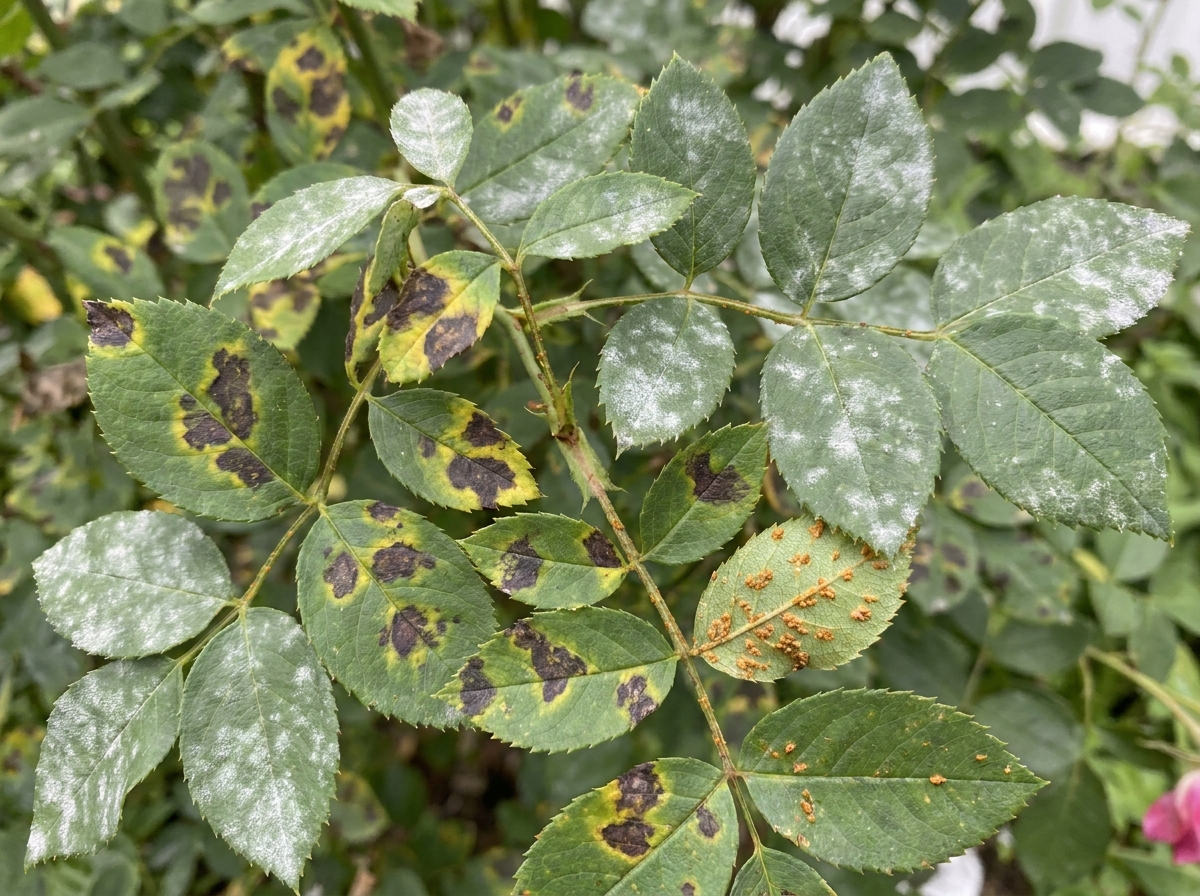
Most moulds work on dead matter, but some, such as sooty mould and the many Septoria species, attack living plants.
Frequently Asked Questions
The one thing to remember: trim hard foods generously and cook them; bin anything soft, cooked or thickly covered.
Is it safe to eat food after removing the mould?
The answer is both yes and no, depending on the food. Hard, dry items such as carrots, squash and hard cheese can be trimmed with a wide margin and then cooked. Soft foods, cooked foods and anything thickly covered should go in the bin.
Why can’t I just cut the mould off a tomato or a slice of bread?
Because moisture lets the mould send roots and branches far past the visible spot. In soft and cooked foods the whole item is affected long before the surface tells you so. Visible mould also signals that invisible bacteria may be present.
Does cooking make mouldy food safe?
No. Cooking kills the mould itself, but many mycotoxins are heat-resistant and stay in the food undisturbed. That is why heat is not a rescue plan for soft or cooked items.
I tasted a bit before I noticed — should I worry?
The amount involved in a lick or a fingertip taste is very small, and even if toxic compounds are present it is rarely enough to be dangerous or to trigger an allergy. Stop, spit it out and discard the food. If you feel unwell, ring your poisons centre or a healthcare professional.
How do I keep mould from appearing in the first place?
Keep food cool and dry, since warmth and moisture are what spores wait for. Salt, sugar, vinegar, drying, freezing, smoking, pickling and sterilising all work by denying moulds the conditions they need. Spores are everywhere, so careful handling matters more than anything else.
This information is provided for general interest and reflects the traditional use of plants. It is not a substitute for medical advice. If you are on medication, pregnant, or in any doubt, ask a healthcare professional.
Credits for images shared toNature&Garden(all edits by Gaspard Lorthiois):
Molding tomato by Rosalyn & Gaspard Lorthiois, own work Good & bad moldy food by Marco Luzi under Pixabay license
Moldy tomatoes (also on social media) by Rosalyn & Gaspard Lorthiois, own work
Moldy food on plank (also on social media) by Rosalyn & Gaspard Lorthiois, own work
Written by Gaspard Lorthiois | Loves helping out, especially when it comes to growing things. Worked in herbal medicine, runs a farm, and dabbles in tech. Master's degree and engineer.