Home » Health » Spinach: what it contains, how to eat it, and what to watch for
Spinach: what it contains, how to eat it, and what to watch for
·
0
Spinach is a fast-growing leaf crop from Asia that earns its place at the table more than in the medicine cabinet. This page sets out what the leaves actually contain, how cooks and herbalists have traditionally used them, the everyday ways to prepare them tonight, and the one compound – oxalic acid – that means some people should go easy.
The cartoon legend oversold spinach’s iron content
Spinach at a glance
Item
Detail
Botanical name
Spinacia oleracea
Family
Amaranthaceae (formerly Chenopodiaceae, the goosefoot family)
Parts used
Young and mature leaves; seeds, in traditional preparations
Forms of use
Raw in salad, cooked as a side, fresh juice, seed infusion, external decoction
Harvest season
Mid-spring to early summer, and again from early autumn into winter in mild areas
Taste
Mild and grassy when young; deeper, slightly mineral and faintly chalky on the teeth when mature
Leaf size
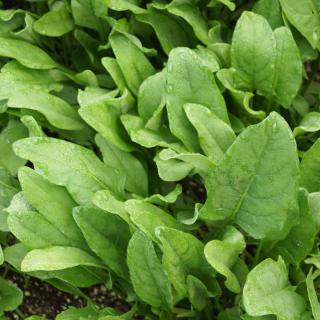
Spear-shaped, 8 to 16 in (20 to 40 cm), in a glossy bright green rosette
What it is credited with
Fibre, potassium and vitamins are the real selling point
Old kitchen-garden lore called spinach the “broom of the bowels”, for the reputation its fibre-rich leaves have as a gentle, everyday laxative food.
Traditional herbalism used an infusion of the seeds as a mild, light laxative preparation.
Naturopathy values spinach chiefly as a nutrient-dense green: fibre, potassium, calcium, magnesium, iron, and vitamins C and E.
Country tradition placed spinach and spinach juice on the table of people building themselves back up after illness, surgery or heavy blood loss – it was the classic “convalescent’s green”.
Herbalists have long associated the chlorophyll, iron and folate of leafy greens with a diet aimed at restoring colour and vigour to people looking pale and tired.
Externally, a cooled decoction of the leaves was traditionally used as a soothing compress on tired, irritated skin.
How to use it
Young leaves raw, larger leaves cooked: the simplest rule
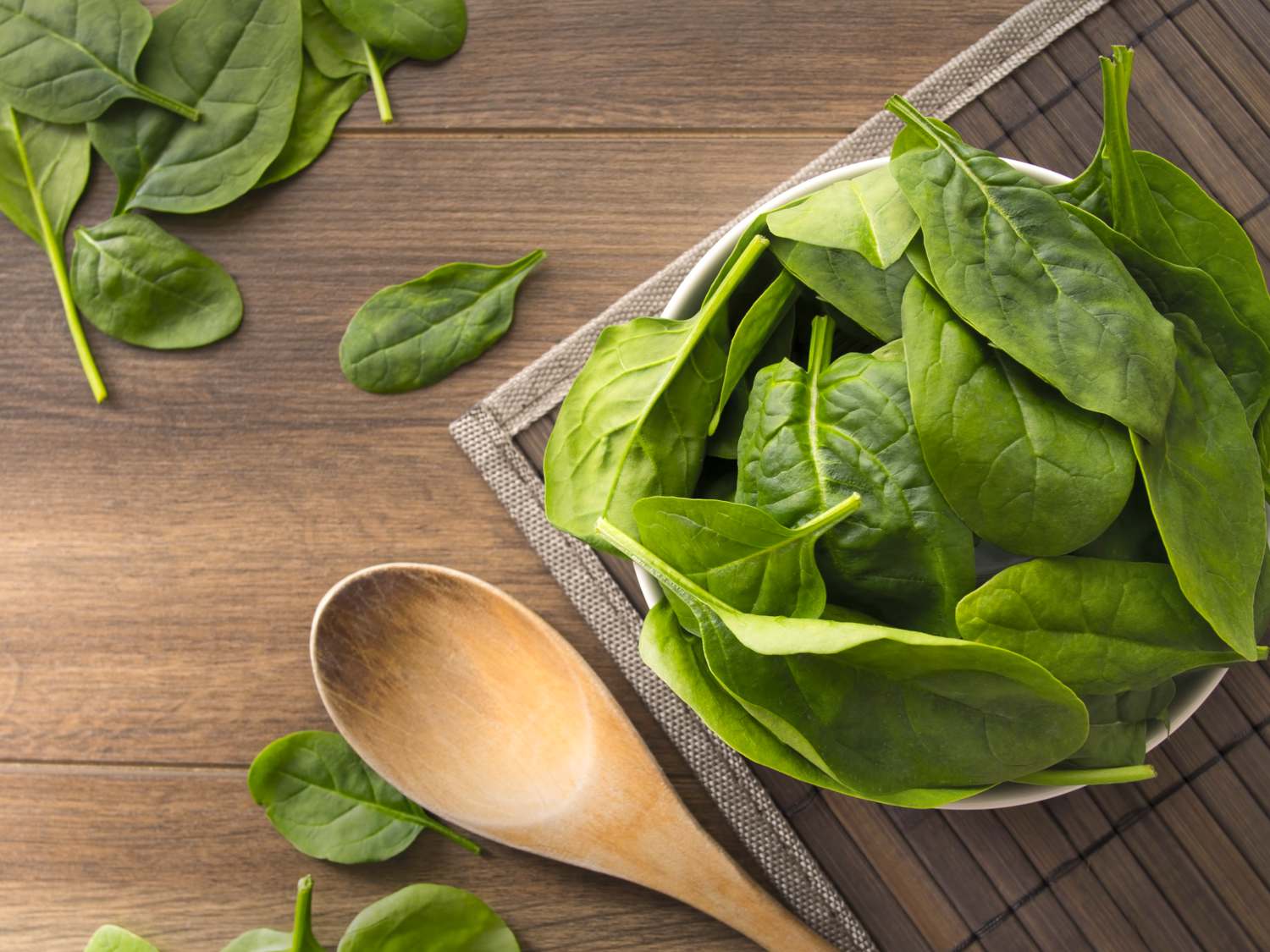
Raw, in salad
Use only the young, tender leaves, picked small.
Wash in two changes of cold water – spinach holds grit in the leaf folds.
Dress at the last minute: oil, lemon, a little salt. Acid wilts the leaves fast.
A generous double handful per person is a normal salad portion.
Cooked, as a side dish
Larger leaves are for the pan. Strip out any thick stalks.
Wilt in a wide pan with butter and a sliced onion, two to three minutes, no added water beyond what clings to the leaves.
Finish with a spoon of cream and a soft-boiled egg on top. This is the classic and it is genuinely good.
Spinach collapses to about a fifth of its raw volume – allow a big bowlful per person.
Seed infusion
Traditional proportion: about ⅓ oz (10 g) of seeds per mug of boiling water.
Cover and leave to steep ten minutes, then strain.
Taken as an occasional mild preparation, not as a daily habit.
Fortifying wine, the old recipe
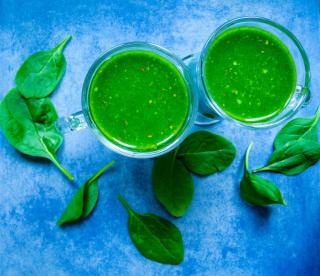
Stir about 7 oz (200 g) of fresh spinach juice into ¾ quart (¾ litre) of wine.
Keep refrigerated and use within a few days.
A traditional tonic preparation – obviously not for children, pregnant or breastfeeding women, or anyone avoiding alcohol.
External compress
Simmer a handful of leaves in water for ten minutes, let it cool completely.
Soak a clean cloth, wring out, and lay it on the skin for ten to fifteen minutes.
Ways to use spinach, compared
Form
Preparation
Traditionally used for
Raw young leaves
Washed, dressed at the last minute in a mixed salad
Everyday vitamin- and fibre-rich eating
Cooked mature leaves
Wilted 2–3 minutes with butter, onion, a little cream
A filling side dish for meat and eggs
Seed infusion
⅓ oz (10 g) seeds per mug, steeped 10 minutes
A light, mild laxative preparation in old herbals
Fresh juice in wine
7 oz (200 g) juice in ¾ quart (¾ litre) wine
The traditional “fortifying wine” of convalescence
Cooled decoction
Leaves simmered 10 minutes, applied on a cloth
Soothing compress for tired skin
Growing it yourself
Spinach wants rich, moist soil with plenty of nitrogen, in a cool spot with part sun.
Add manure and a seaweed-based organic fertiliser at sowing.
Water often in dry spells, or the plant bolts to seed.
Sow direct in mid-spring, or in early to mid-autumn, 1 in (2 cm) deep, rows 12 in (30 cm) apart. Sprouting takes about ten days.
Pots work well: 10 in (25 cm) deep, substrate kept cool at all times.
Sow small batches every two weeks for a staged harvest.
Do not sow in summer heat – it bolts. Grow Botany bay spinach instead, which tastes much the same.
Watch for slugs, snails, downy mildew (yellow leaf marks), damping-off in seedlings, and cucumber mosaic virus.
Two reliable varieties: ‘Winter giant’, hardy through harsh winters and very productive; ‘Monstrueux de Viroflay’, fleshy, crunchy and more heat-tolerant.
Fibre, potassium, calcium, magnesium, iron, vitamins C and E
Frequently Asked Questions
The one thing to remember: eat the young leaves raw and the big ones cooked, enjoy them often, but do not turn spinach into a daily mountain – the oxalic acid is the limit.
Is spinach really that rich in iron?
Less than the legend says. Spinach holds around 3 mg of iron per 3.5 oz (100 g), which is decent but well behind nettle, goosefoot or dandelion leaves. Its oxalic acid also binds minerals in the meal, so it is better thought of as a good green than an iron supplement.
Who should avoid spinach?
Because of its oxalic acid, spinach is forbidden to people suffering from arthritis, rheumatism or gout, and some people react strongly to oxalates. Anyone with a history of kidney stones, or on a low-oxalate diet, should ask a healthcare professional first. Children and elderly people can eat it, but should not overeat it.
Should I eat spinach raw or cooked?
Both, depending on the leaf. Young tender leaves are excellent raw in a mixed salad, dressed at the last minute. Larger leaves are better wilted in a pan with butter, onion and a touch of cream, served with a soft-boiled egg.
What is the spinach seed infusion used for?
Traditional herbals prepared about ⅓ oz (10 g) of seeds per mug of boiling water, steeped ten minutes, as a light and mild laxative preparation. It is an occasional preparation, not a daily drink, and it is not for children, pregnant or breastfeeding women.
When do I sow and pick spinach?
Sow direct in mid-spring, or in early to mid-autumn, in small batches every two weeks so the harvest is staged. Avoid sowing in summer heat, as the plants bolt to seed almost at once. Pick leaf by leaf from the outside of the rosette, in the cool of the morning.
This information is provided for general interest and reflects the traditional use of plants. It is not a substitute for medical advice. If you are on medication, pregnant, or in any doubt, ask a healthcare professional.
Written by Gaspard Lorthiois | Loves helping out, especially when it comes to growing things. Worked in herbal medicine, runs a farm, and dabbles in tech. Master's degree and engineer.