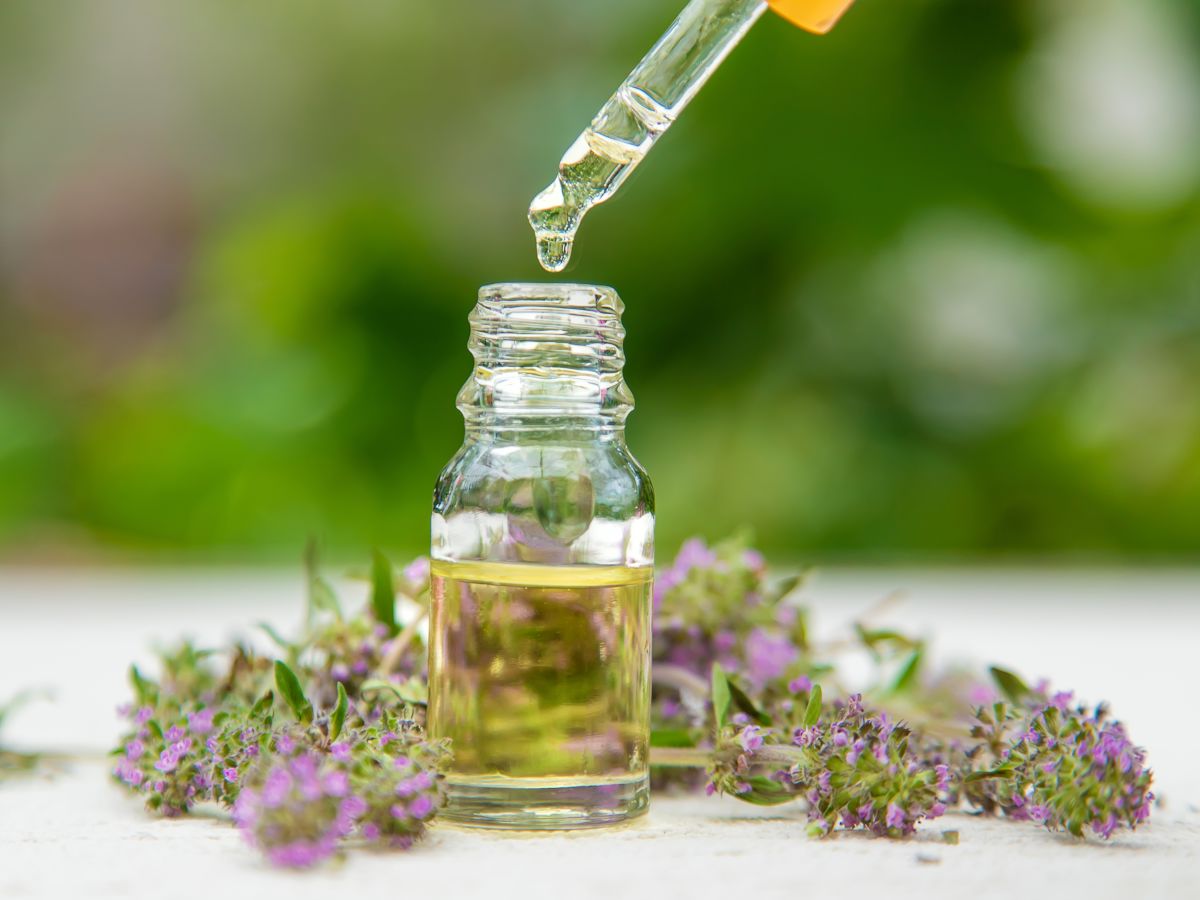
Thyme (Thyme vulgaris) is a short perennial shrub that belongs to the Lamiaceae family, and is native to the arid regions of the Mediterranean area.
Used as an aromatic herb in our diets since the Roman empire, this fine herb is particularly appreciated in Italian and Southern French cooking, and appears in innumerable pharmaceutical preparations where its many health benefits are shared best.
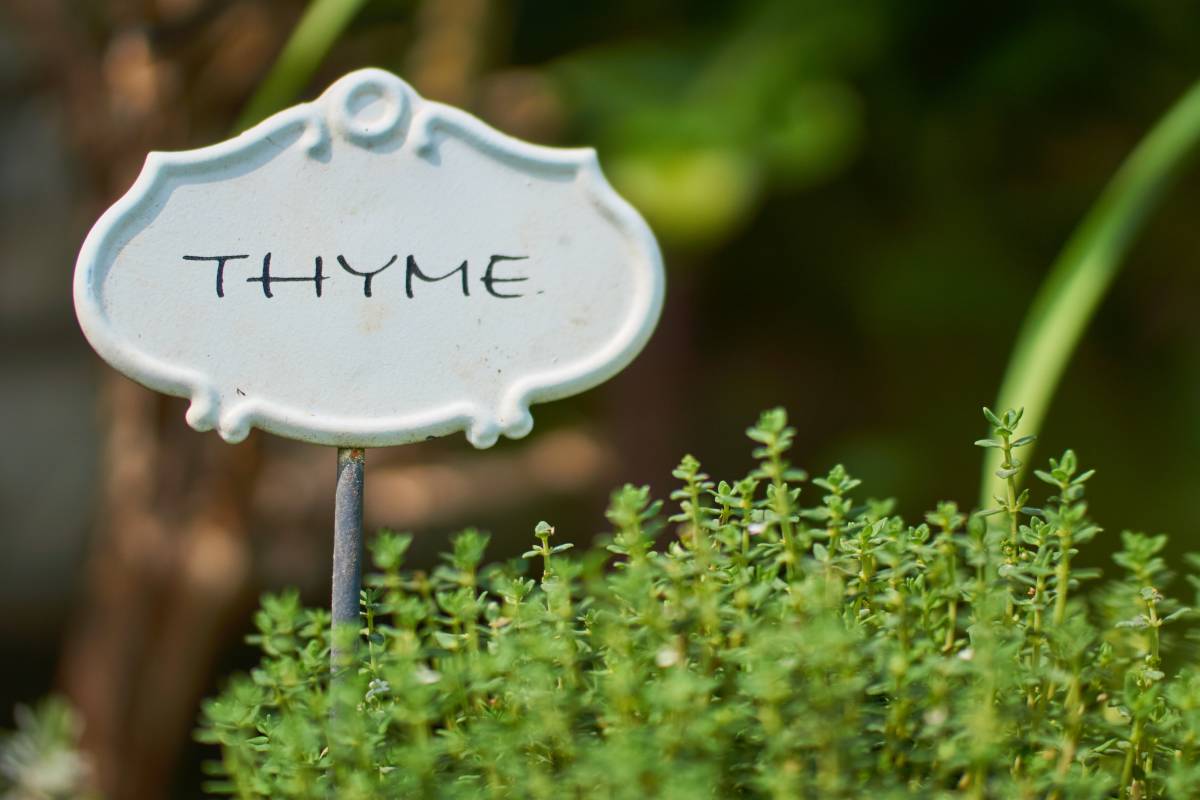 With high levels of fibers, vitamins and minerals, thyme is a fine herb that can contribute a fair share of antioxidants in our diet and help fight against cardiovascular diseases, various cancers and diseases related to ageing.
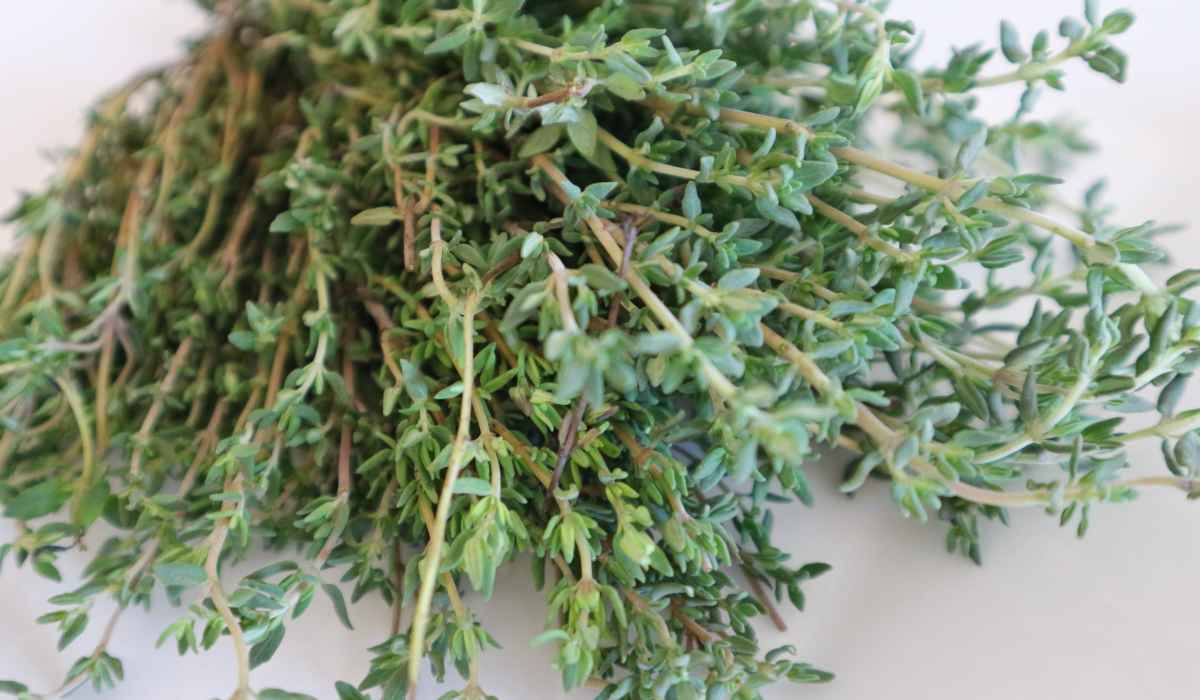 External use includes thyme baths (1 lbs (500 g) of thyme boiled in a couple quarts or liters of water, added to the bath water) which are known to reduce pain due to arthritis and rheumatism.
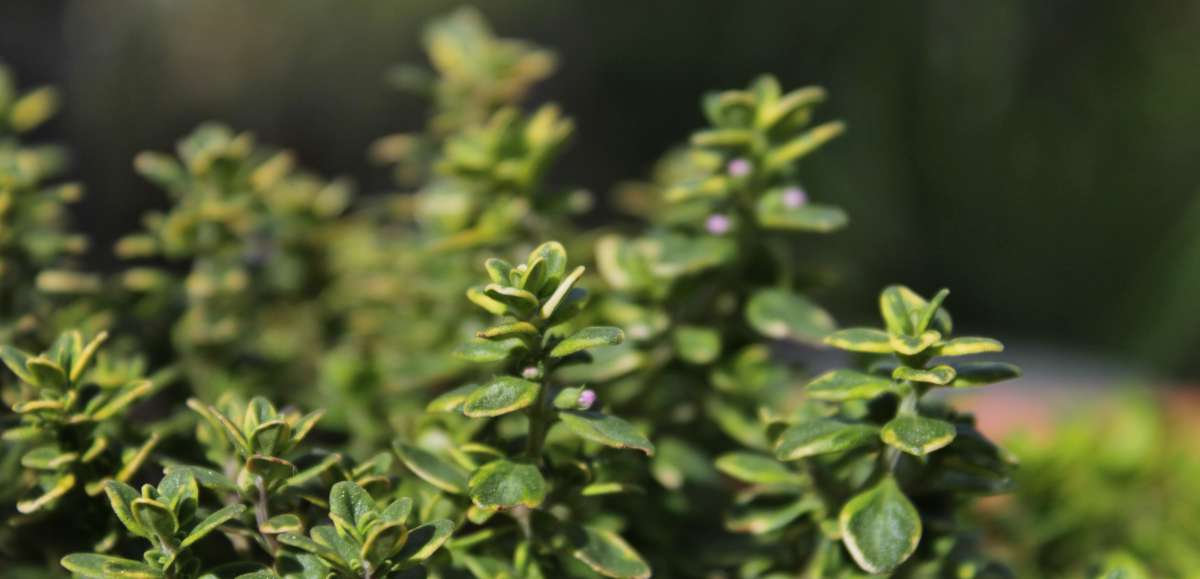 Good to know: these benefits don’t depend on the variety. Lemon thyme (shown above/right) will help the same way common thyme will, for instance.
What matters most is the age of the thyme bush: older thyme tends to have deeper roots. This helps the plant find nutrients that aren’t as common on the surface, and makes them more potent.
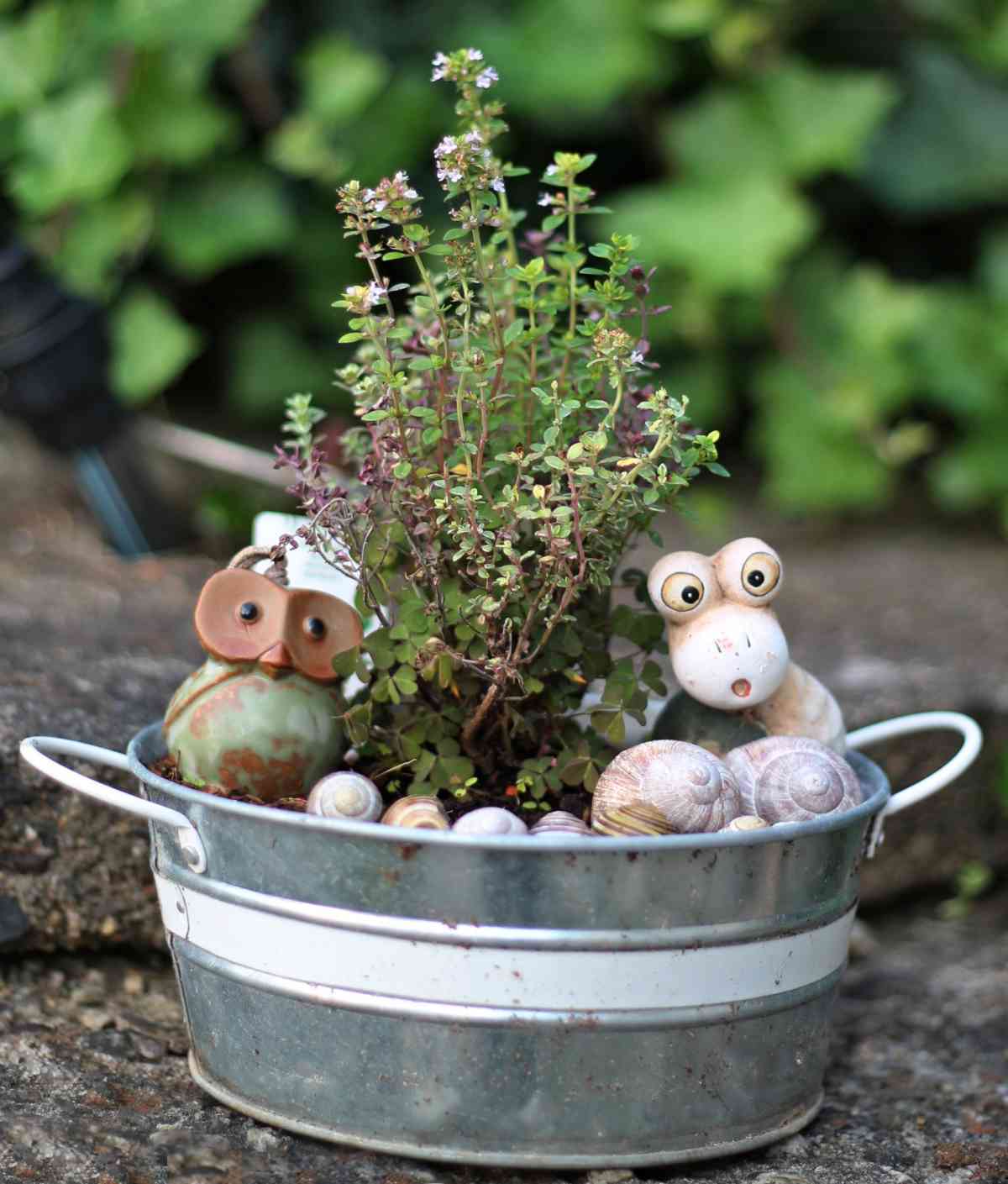 Thyme must be planted in full sun in dry, chalky and rocky soil.
Thyme loves well drained garden boxes that are filled with one part sand and one part soil mix.
Feel free to grow it together with lavender, rosemary and wild thyme.
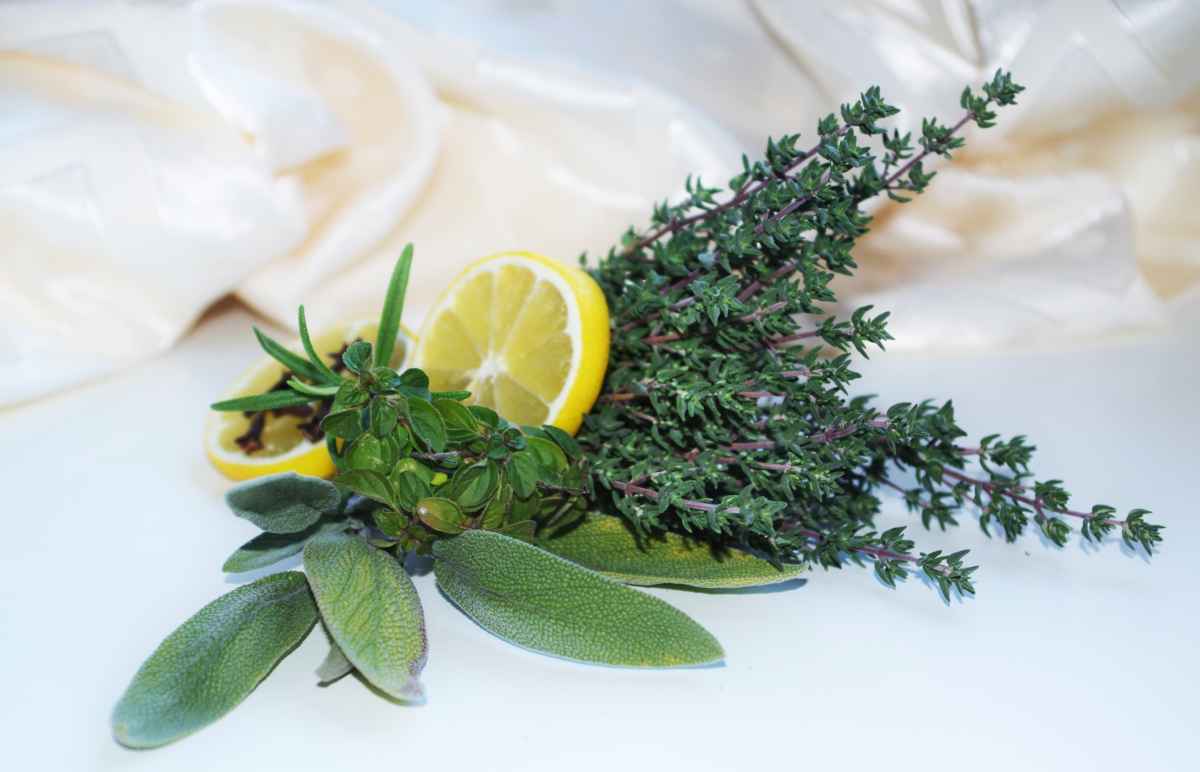 Thyme is of course part of the bouquet garni (together with a few strands of parsley and a branch of bay) that flavors a great many culinary preparations.
It is marvelous when spicing tomatoes and zucchini, pasta, cottage cheese or goat cheese, soup, poultry and eggs.
Thyme also gives a distinctive taste to roasted meat in the oven or on the barbecue.