Home » Health » Bacopa (Brahmi): Traditional Uses, Preparation and Cautions
Bacopa (Brahmi): Traditional Uses, Preparation and Cautions
·
0
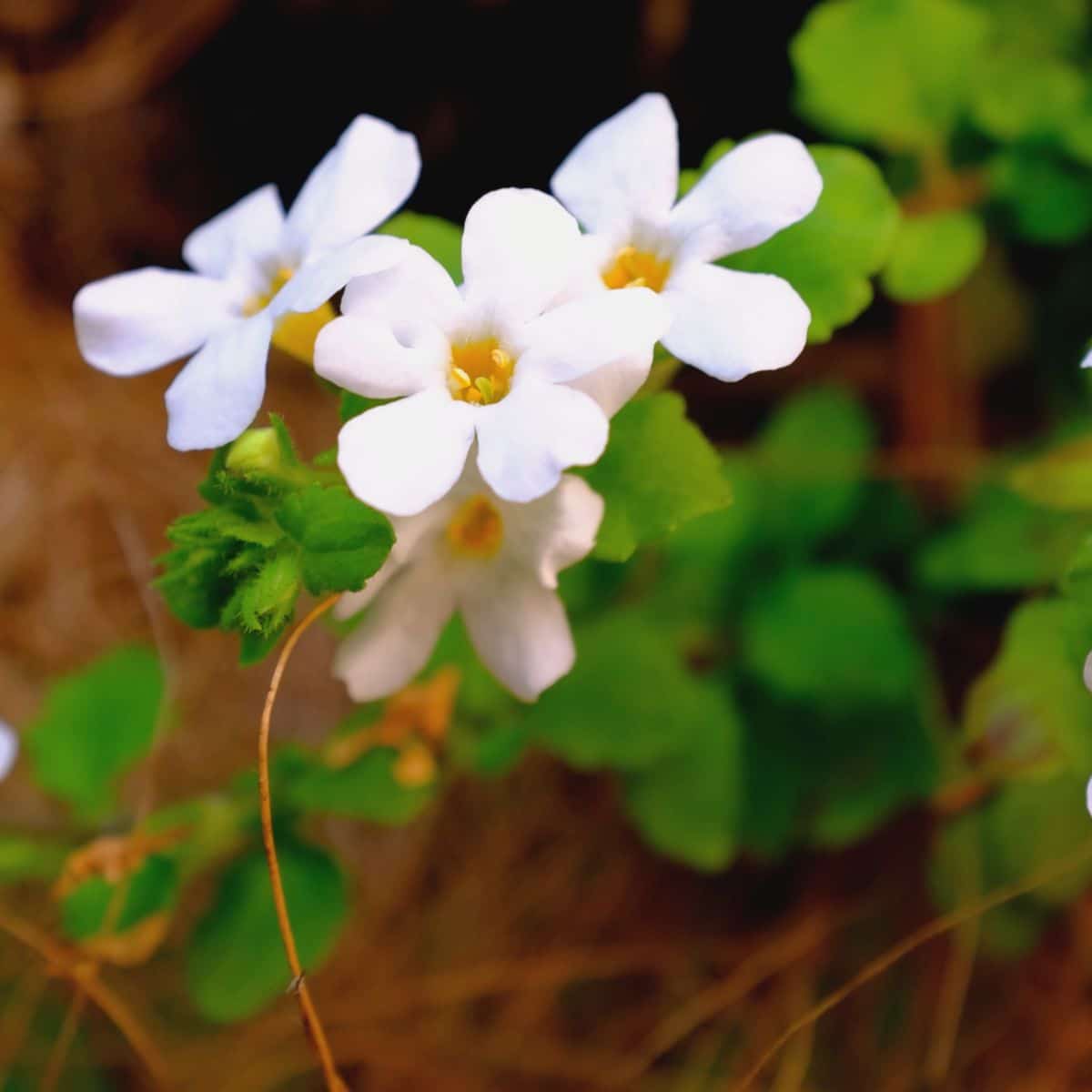
Bacopa, known in India as brahmi or waterhyssop, is a creeping marsh plant whose fleshy leaves have been steeped, powdered and blended into hair oils for thousands of years. This page covers what the plant is, what Ayurvedic tradition and herbalists credit it with, how to prepare a cup or a hair mask at home, and who should leave it alone.
Bacopa at a glance
Item
Detail
Botanical name
Bacopa monnieri
Common names
Brahmi, waterhyssop
Family
Scrophulariaceae
Part used
Aerial parts – chiefly the thick, spatula-shaped leaves, with the fleshy stems
Leafy growth from late spring through late summer, while the small pale blue and white flowers are out
Taste
Distinctly bitter, slightly astringent, faintly green and marshy
Habit
Sprawling tender perennial, 8–10 in (20–25 cm) tall, frost-sensitive, grown in ponds and peat bogs
What it is credited with
Ayurvedic tradition classes brahmi among the medhya plants — those taken to support memory, study and clear thinking.
Herbalists describe it as a nervine tonic, reaching for it where concentration wanders and mental tiredness sets in.
Naturopathy credits it with a calming, settling quality, and it has a long reputation as a plant for restless minds and broken sleep.
In traditional Indian medicine the leaf was also given to support stamina and general vitality during convalescence.
Traditional use includes digestive comfort — the bitter leaf was taken to ease a heavy, sluggish or windy stomach.
Ayurvedic hair care is where the plant is best known outside the teacup: brahmi oil has a long-standing reputation for scalp comfort, flaking and hair strength, applied as a mask or in massage.
The bacosides are described as antioxidant compounds, which is the usual explanation offered for the plant’s tonic reputation.
How to use it
The leaf is bitter. Plan on sweetening it, or pairing it with something aromatic.
One to two teaspoons of dried leaf, covered ten minutes
The everyday infusion
Bring a cup of water to the boil and take it off the heat.
Add one to two teaspoons of dried bacopa leaf per cup.
Cover and steep about ten minutes, then strain.
Traditionally drunk as a morning cup, sometimes repeated at midday.
Honey, a slice of ginger or a little cardamom takes the edge off the bitterness.
Herbalists treat it as a plant for steady use over a few weeks rather than a single cup, with breaks in between.
Powder, tincture and syrup
Powder: the dried, ground leaf stirred into warm milk, a smoothie or honey — the classic Ayurvedic delivery.
Tincture: a few drops in a little water, following the maker’s instructions on the bottle.
Syrup: a spoonful, useful when the bitterness is the sticking point.
Capsules: take them exactly as the packet directs and do not stack them on top of teas and tinctures of the same plant.
Fortifying hair oil and mask
Pour a little boiling water over a teaspoon of bacopa powder and leave it to stand for about two hours.
Add roughly five teaspoons of a plant oil (coconut or sesame suit it best) and mix.
Strain, then warm the mixture gently on a low heat for a few minutes.
Bottle it, and massage into the scalp and hair lengths as a mask; leave on, then shampoo out.
In the kitchen
Juice is pressed from the stems and leaves, dried and powdered.
That powder goes into spreads, syrups and cooling drinks in its home range.
Fresh young leaves are edible but bitter — use them sparingly, as a seasoning rather than a salad.
Forms of bacopa and what each is for
Form
Preparation
Traditionally used for
Infusion
Dried leaf steeped ten minutes in just-boiled water, covered
The everyday tonic cup; study and concentration support
Powder
Dried leaf ground, stirred into warm milk or honey
The classic Ayurvedic form for regular, longer-term use
Tincture
Alcohol extract, taken drop-wise in water
Convenience and consistency when travelling
Syrup
Sweetened extract, by the spoon
Masking the bitterness; easier palatability
Infused oil
Powder soaked, blended with plant oil, warmed and strained
Scalp massage, hair masks, flaking and hair strength
Frequently Asked Questions
The one thing to remember: a morning cup of bacopa leaf, steeped ten minutes and sweetened, is the simplest way to meet this plant — provided you are not pregnant, nursing, or taking sedative, neuroleptic or thyroid medication.
What does bacopa actually taste like?
Bitter, with an astringent edge and a faintly marshy green note. Almost everyone sweetens it, and in India the dried juice is blended into spreads and cooling drinks rather than drunk plain. Honey, cardamom or a slice of ginger make the infusion much easier to finish.
Which part of the plant do I use?
The aerial parts — mainly the thick, spatula-shaped leaves along with the fleshy stems. These are what herbal medicine and Ayurvedic cosmetics both work with. Harvest the leafy growth from late spring through late summer and dry it in the shade.
How long do people take it for?
Herbalists treat brahmi as a plant of steady, patient use rather than a one-off cup, usually over a few weeks with breaks in between. Stick to the amounts recommended on whatever preparation you buy. If tiredness, nausea or a dry mouth appear, stop.
Can I take it alongside my medication?
Ask first. Bacopa may increase drowsiness if combined with sedatives, may enhance the effects of neuroleptics such as phenothiazine, and may interact with thyroid medication. Whatever you are prescribed, put the question to your physician or pharmacist before you start.
Is bacopa only for drinking?
No — its oldest everyday use outside the teacup is on the head. Bacopa powder steeped in hot water, blended with a plant oil, warmed and strained gives a hair mask and massage oil with a long reputation in Ayurvedic hair care for scalp comfort and hair strength.
Image credits (edits Gaspard Lorthiois):
CC BY 2.0: Chilanga Cement
This information is provided for general interest and reflects the traditional use of plants. It is not a substitute for medical advice. If you are on medication, pregnant, or in any doubt, ask a healthcare professional.
Written by Gaspard Lorthiois | Loves helping out, especially when it comes to growing things. Worked in herbal medicine, runs a farm, and dabbles in tech. Master's degree and engineer.