Home » Health » Carcade (roselle): the tart red hibiscus drink and how to use it
Carcade (roselle): the tart red hibiscus drink and how to use it
·
0
Carcade is the dried red calyx of the roselle hibiscus, the crimson, lemon-sharp brew sold as bissap in West Africa, rosella in Australia and jamaica in the United States. This page covers which part you use, how to brew it hot or iced, what tradition credits it with, and who should leave it alone.
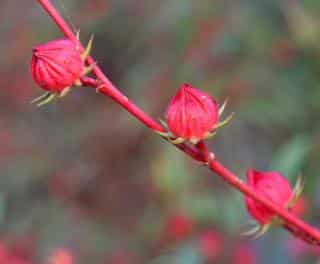
The taproot shrub whose calyces, not petals, are brewed
Calyces gathered a few weeks after flowering, from mid-autumn to early winter in its growing regions
Taste
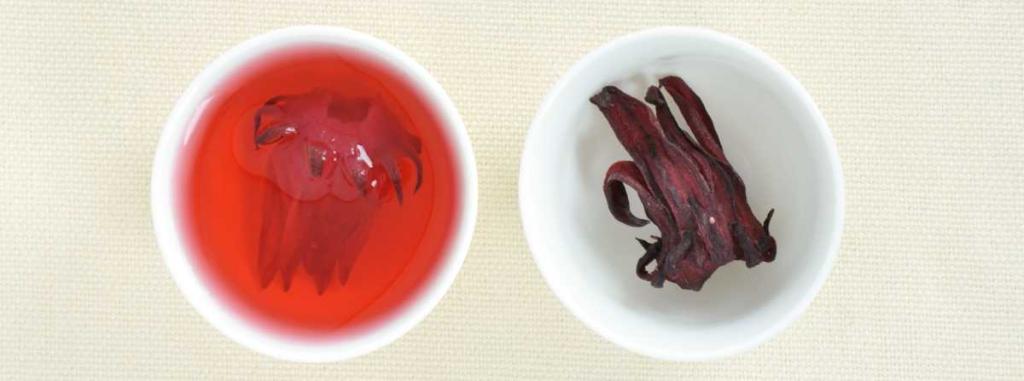
Sharply sour, cranberry-like, fruity, slightly astringent; deep ruby colour
A plant with a long history
Native to Guinea, it spread through Togo, Niger, Senegal, southern Mali, Burkina Faso, Benin and Ivory Coast.
It is now grown in the Central African Republic, Egypt, Congo and Botswana, and also in Southeast Asia, Mexico and the French West Indies.
It crossed to the Americas with enslaved Africans, who kept it as a staple of their cooking.
Some West African traditions hold it to be a magical plant, able to open the mind and stir desire; flower buds were burned or braided into wreaths worn at marriage ceremonies.
The genus name comes from the Greek hibiskos, which once designated the marshmallow plant.
What it is credited with
Herbalists class the calyx among the cooling, refreshing plants, drunk iced in hot climates to quench thirst rather than simply wet the mouth.
Traditional West African practice treats bissap as a reviving everyday drink, taken against dullness and mid-afternoon drowsiness.
Naturopathy credits the infusion with a mildly diuretic, water-shifting reputation, which is why it turns up in so many so-called slimming blends.
In herbal tradition the sour brew has a name for settling the digestion and easing a griping, cramping stomach after a heavy meal.
Its mucilage gives it a traditional reputation as a softening drink for a dry, scratchy throat, usually taken warm with honey.
Herbal writers list the calyx among the antioxidant-rich plant foods, on account of the red pigments that colour the cup.
In older West African home practice, compresses soaked in cooled hibiscus infusion were laid on irritated or weeping patches of skin.
Yellow flowers with red-brown spots give way to the red calyx
How to use it
The everyday hot infusion
Put two teaspoons of chopped dried calyces in a cup, and pour over water just off the boil.
Cover and steep for ten to fifteen minutes; the colour arrives fast, the flavour more slowly.
Strain, then sweeten with honey or cane sugar. Unsweetened it is bracingly sour.
One to three cups across the day is the usual habit. It is caffeine-free, so it suits the evening.
The iced drink (bissap)
Bring one litre (about a quart) of water to the boil with half a cup of chopped calyces and natural cane sugar to taste.
Cover, take off the heat and let it steep for a quarter of an hour.
Strain, then top up with three-quarters of a litre of cold water.
Add orange slices, a sprig of mint, a little grated ginger or a vanilla pod. Chill and serve over ice.
Keep it in the fridge and drink it within two or three days.
Cold brew, for a softer cup
Steep a generous tablespoon of calyces in a jug of cold water overnight in the fridge.
Strain in the morning. The result is fruitier and much less astringent than the hot version.
Other forms
Tincture and capsules: sold ready-made. Follow the amount printed on the label by the maker, and use them in courses rather than continuously.
Compress: brew a strong infusion, let it cool completely, soak a clean cloth and lay it on the skin for a few minutes. Traditional practice, on unbroken skin only.
In the kitchen: the sour leaves go into stews as a vegetable; the calyces make syrup, jelly, sorbet and a red glaze for roast fruit.
Which form of carcade for which purpose
Form
How it is prepared
What it is used for
Hot infusion
2 tsp calyces per cup, steeped covered 10–15 minutes
The everyday caffeine-free cup; traditionally taken after meals
Iced bissap
Half a cup of calyces boiled in 1 litre of sweetened water, diluted and chilled
The West African refreshing drink for hot weather
Cold brew
A tablespoon of calyces left overnight in cold water
A gentler, less astringent version for sensitive stomachs
Tincture or capsules
Bought ready-made, taken per the maker’s label
Convenience when travelling or away from a kettle
Cooled compress
Strong infusion, cooled, on a clean cloth
Traditional external use on irritated, unbroken skin
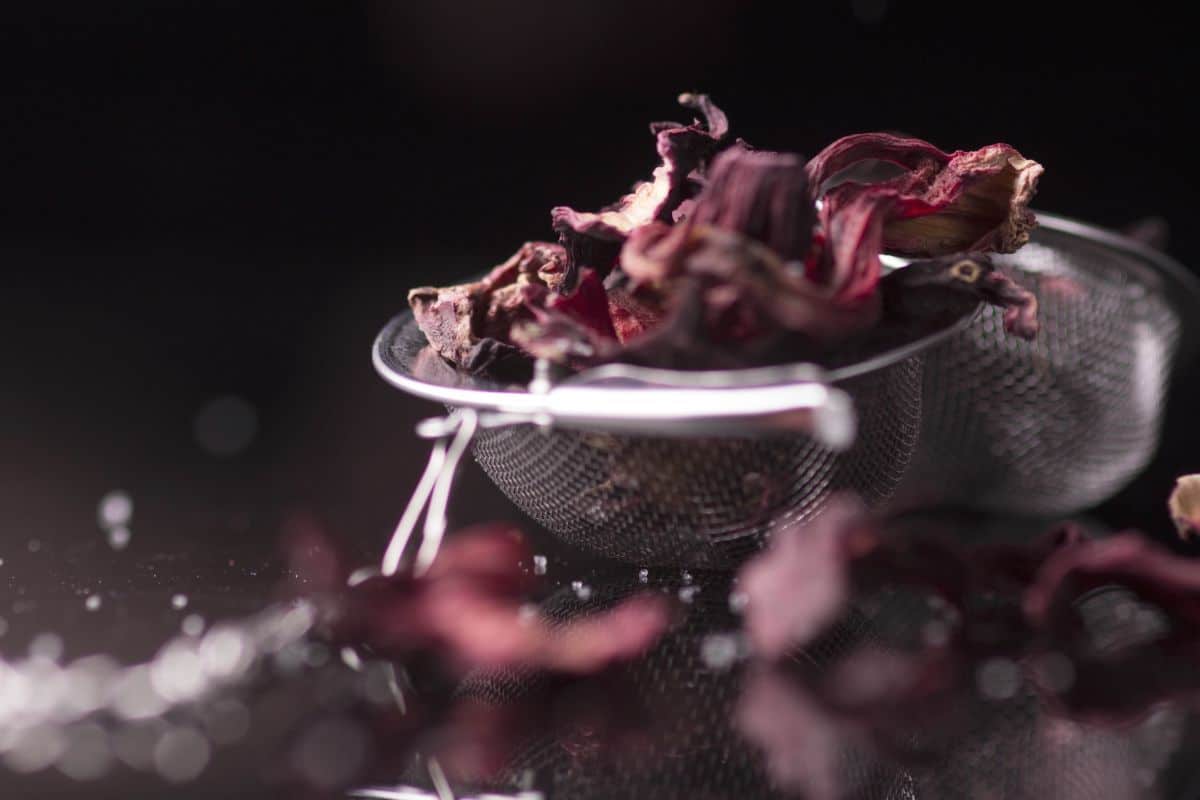
Ruby colour and sour bite: the mark of a good brew
Frequently Asked Questions
The one thing to remember: two teaspoons of dried calyces, ten to fifteen minutes covered, sweetened to taste, drunk hot in winter and iced in summer.
Which part of the plant do I actually brew?
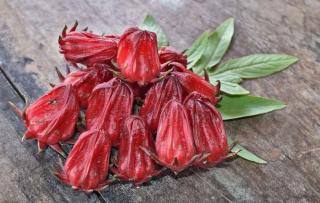
The fleshy red calyx, the cup-shaped structure that swells around the seed pod once the yellow flower has dropped. The petals themselves are not what colours the drink. Dried calyces are sold whole or chopped, under names such as carcade, bissap, rosella or jamaica.
Why is my carcade tea so sour?
Because the calyces are loaded with citric and other fruit acids, which is exactly what makes the drink refreshing. Sweeten with honey or cane sugar, dilute it more, or make a cold brew overnight in the fridge for a much softer cup. Orange slices, mint and ginger also round off the edge.
Is carcade a slimming drink?
Naturopathy credits it with a mildly diuretic, water-shifting reputation, which is why it appears in so many slimming blends. That reputation concerns fluid, not fat, and unsweetened it simply replaces sweeter drinks in the day. It is not a weight-loss treatment.
Can I drink it every day, and in the evening?
It contains no caffeine, so the evening cup will not keep you awake. Even so, it is wiser to use it in courses of a few weeks rather than continuously, and to drink it with meals to spare your tooth enamel and your stomach. If you are pregnant, breastfeeding or on medication, ask a healthcare professional before making it a habit.
When are the calyces harvested?
A few weeks after flowering, once the calyx is plump, red and still crisp — from mid-autumn to early winter in the regions where roselle grows. They are then split from the seed pod and dried. Well-dried calyces keep their colour for a year in an airtight jar away from light.
This information is provided for general interest and reflects the traditional use of plants. It is not a substitute for medical advice. If you are on medication, pregnant, or in any doubt, ask a healthcare professional.
Written by Gaspard Lorthiois | Loves helping out, especially when it comes to growing things. Worked in herbal medicine, runs a farm, and dabbles in tech. Master's degree and engineer.