Home » Health » Atlas cedar essential oil: how to dilute it and what it is used for
Atlas cedar essential oil: how to dilute it and what it is used for
·
0
Atlas cedar essential oil is a thick, honey-coloured, deeply woody oil distilled from the wood of a mountain conifer from North Africa. This page is for anyone who has a bottle on the shelf and wants to know what to do with it tonight: how much to dilute, where to massage it, how to add it to a shampoo, and who should leave it alone.
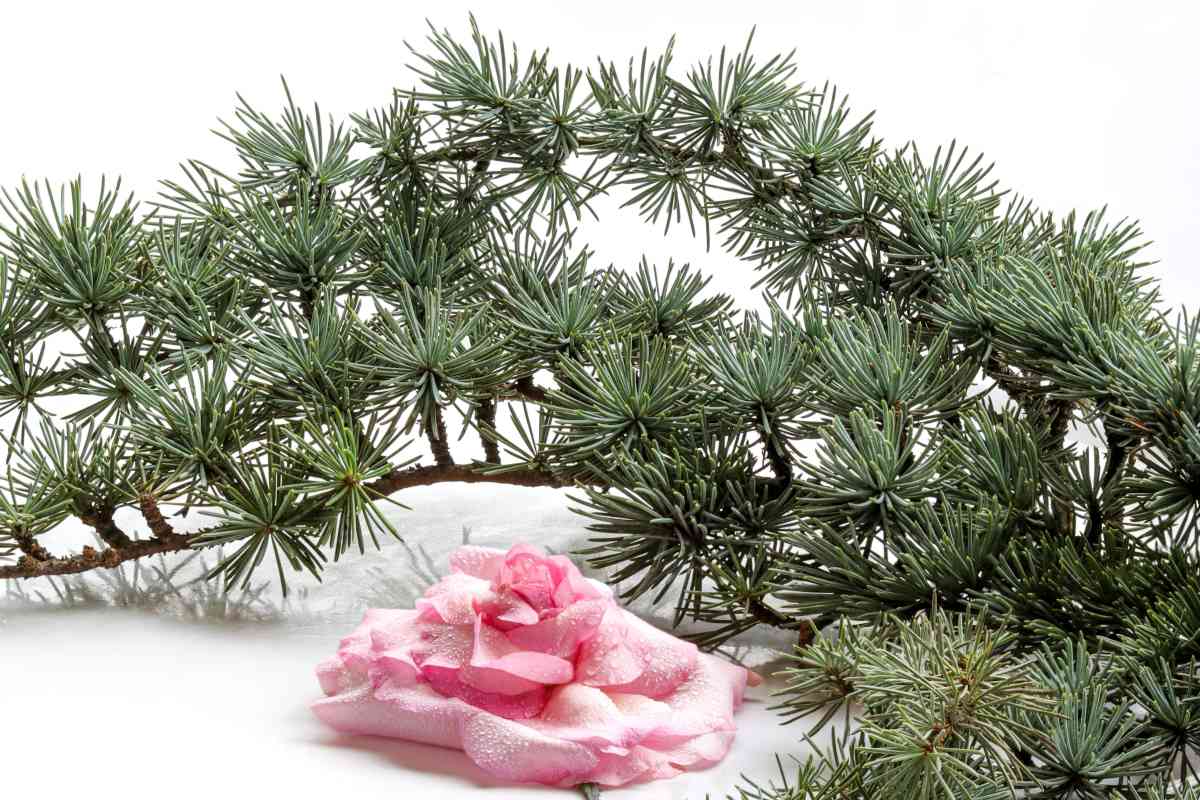
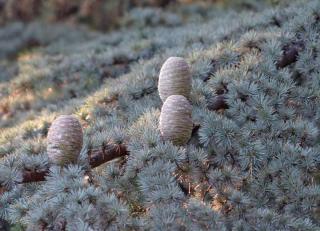
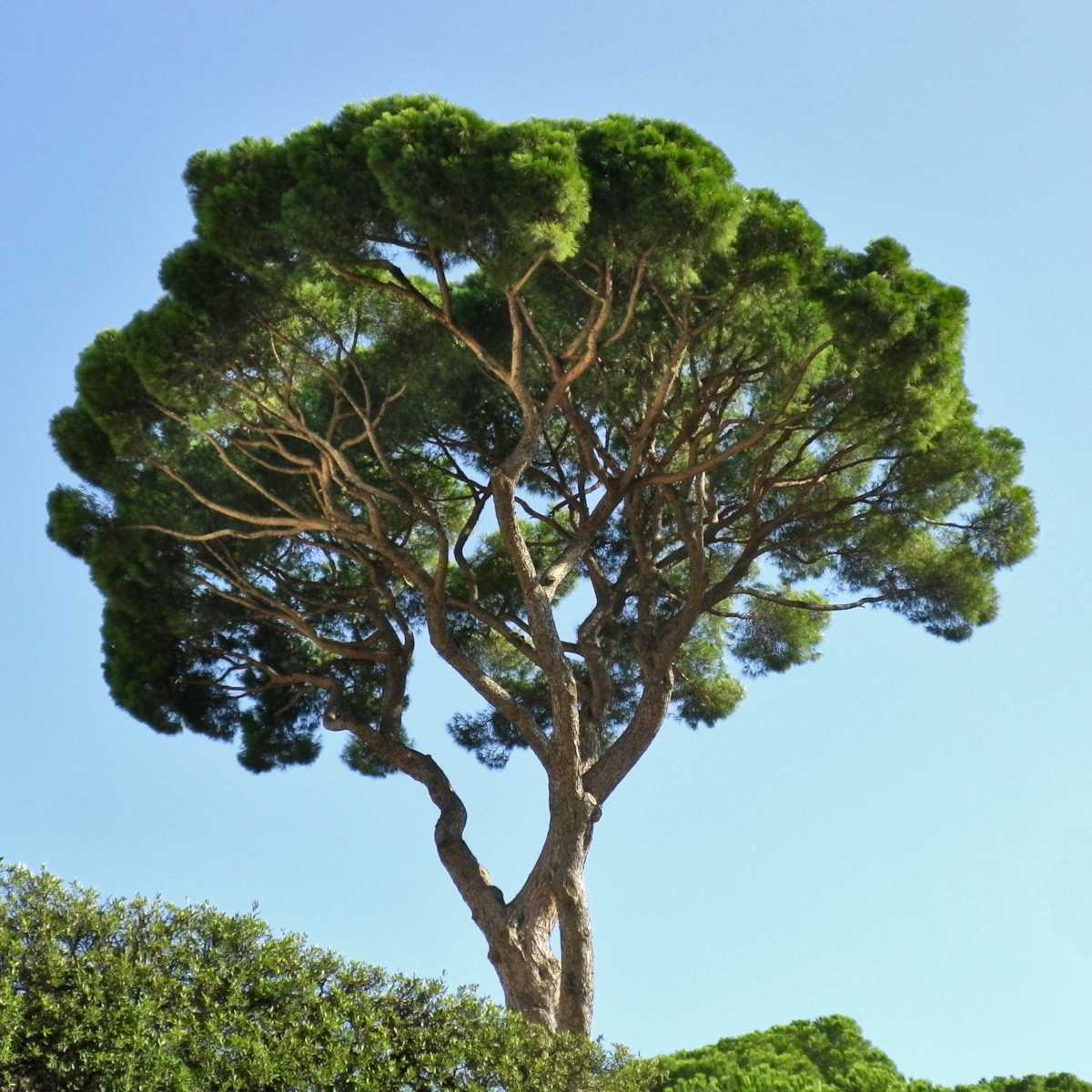
Needles in rosettes and upright cones identify the Atlas cedar
Atlas cedar essential oil at a glance
Item
Detail
Botanical name
Cedrus atlantica
Family
Pinaceae
Part used
Wood, branch trimmings and sawdust (steam-distilled)
Forms of use
Diluted massage oil, scalp and shampoo blend, diffusion, room and linen scenting
Harvest season
Timber and trimmings cut from late autumn to late winter, when the wood is most resinous
Aroma
Warm, dry, resinous and woody, with a honeyed pencil-shaving note; never taken by mouth on its own
A tree with a long story
The name comes from Latin cedrus, itself from Greek kedros, a catch-all word for several Mediterranean conifers including juniper.
Ancient writings link cedar with the gods well before Greek and Roman times; the Egyptians used it for divination, and Greek rituals burned the wood.
It was venerated in Asia too, appearing in sanctuaries tended by Japanese monks and in fenced sacred sites in parts of China.
It was brought to Europe as a reforestation tree on the slopes of Mont Ventoux, and spread across southern Europe from there.
Hardy through snowy winters and tolerant of drought, it grows slowly on deep, chalky, well-drained soil, which is why it turns up in so many public parks.
What it is credited with
Aromatherapy describes the oil as astringent, antiseptic and antifungal, and uses it mainly on skin and scalp.
Herbal cosmetics credit it with an anti-seborrhoeic and anti-dandruff reputation, for oily hair and oily, blemish-prone skin.
Traditional aromatherapy classes it as lymphotonic and draining, and it is popular in massage blends aimed at heavy legs, puffiness and the dimpled look of cellulite.
Its warm, grounding smell has given it a reputation as a relaxing oil, used in diffusion or in a chest and solar plexus massage at the end of a tense day.
In traditional aromatherapy the oil was also rubbed, well diluted, on the chest and back for the comfort of a winter-weary, tickly throat and stuffy breathing.
Cedarwood has a long-standing reputation as an insect deterrent: shavings and cedar-derived substances have been used to keep moths, mites and mosquitoes away from wardrobes and linen.
Always diluted in a carrier oil before any massage
How to use it
The golden rule comes first: this oil is never applied neat and never used in large amounts. Dilute it to no more than one part oil in five parts carrier, that is roughly a 20% blend at the very most.
Massage blend
Mix 1 drop of cedar essential oil into 4 drops of a plain carrier oil (sweet almond, sunflower, jojoba) in the palm of your hand.
For the grounding, relaxing use: massage the solar plexus, the soles of the feet and along the spine, slowly, for two to three minutes in the evening.
For the draining use: massage one area at a time, working upwards from ankle to thigh, once or twice a day for a week or two, then pause.
For chest comfort in cold weather: a thin film over the upper chest and upper back, morning and evening, for a few days only.
Do a patch test on the inner forearm first and wait 24 hours before using a new blend more widely.
Oily hair and flaky scalp
Add 2 to 3 drops to a single dose of shampoo in your hand, not to the whole bottle.
Lather, leave one minute, rinse thoroughly, then massage the scalp with your fingertips for a minute.
Use it in one wash out of two or three, for a few weeks, rather than every single day.
Scenting and diffusion
A few drops in a diffuser for 15 to 20 minutes in a ventilated room fills the space with a dry, woody, fireside smell.
Two drops on a scrap of untreated wood or a cotton pad, tucked into a wardrobe, is the old-fashioned moth deterrent.
Avoid diffusing around babies, young children, pets and anyone with a sensitive chest.
Forms of use compared
Form
How to prepare it
What it is used for
Massage blend
1 drop in 4 drops of carrier oil, mixed in the palm
Grounding evening massage, draining leg massage
Shampoo blend
2 to 3 drops in one dose of shampoo, rinsed out well
Oily hair, flaky scalp, dandruff-prone hair
Diffusion
A few drops in a diffuser, 15 to 20 minutes, room aired after
Warm woody atmosphere, relaxing end of day
Wardrobe sachet
2 drops on untreated wood or a cotton pad
Deterring moths and mites from stored linen
Frequently Asked Questions
The one thing to remember: one drop of cedar essential oil in four drops of carrier oil, massaged in, is the safe everyday way to use it.
Can I put Atlas cedar essential oil on my skin undiluted?
No. It must always be diluted in a carrier oil, to no more than one part in five. Used neat or in large amounts it can cause skin rashes and other unwanted reactions. Patch test any new blend on the inner forearm and wait a day.
How do I use it for oily hair?
Add 2 to 3 drops to a single dose of shampoo in your hand, lather, leave a minute and rinse well, then massage the scalp with your fingertips. Herbal cosmetics credit the oil with an anti-seborrhoeic and anti-dandruff reputation. Use it every second or third wash rather than daily.
Who should avoid it completely?
Pregnant and breastfeeding women, children under 10, and anyone subject to epilepsy. People on regular medication or with a long-term condition should ask a healthcare professional before using it. It should not be swallowed, and any internal use needs a qualified therapist’s supervision.
What does it smell like, and what does it blend with?
Warm, dry and resinous, with a honeyed pencil-shaving note that most people find grounding. It pairs well with lavender, cypress, bergamot and rosemary in a massage oil. In a diffuser, 15 to 20 minutes in an aired room is plenty.
Is it really useful against moths?
Cedarwood has a long-standing reputation as an insect deterrent, and substances drawn from the tree have been used against moths, mites and mosquitoes. Two drops on a piece of untreated wood or a cotton pad in the wardrobe is the traditional trick. Refresh it when the scent fades.
This information is provided for general interest and reflects the traditional use of plants. It is not a substitute for medical advice. If you are on medication, pregnant, or in any doubt, ask a healthcare professional.
Written by Gaspard Lorthiois | Loves helping out, especially when it comes to growing things. Worked in herbal medicine, runs a farm, and dabbles in tech. Master's degree and engineer.