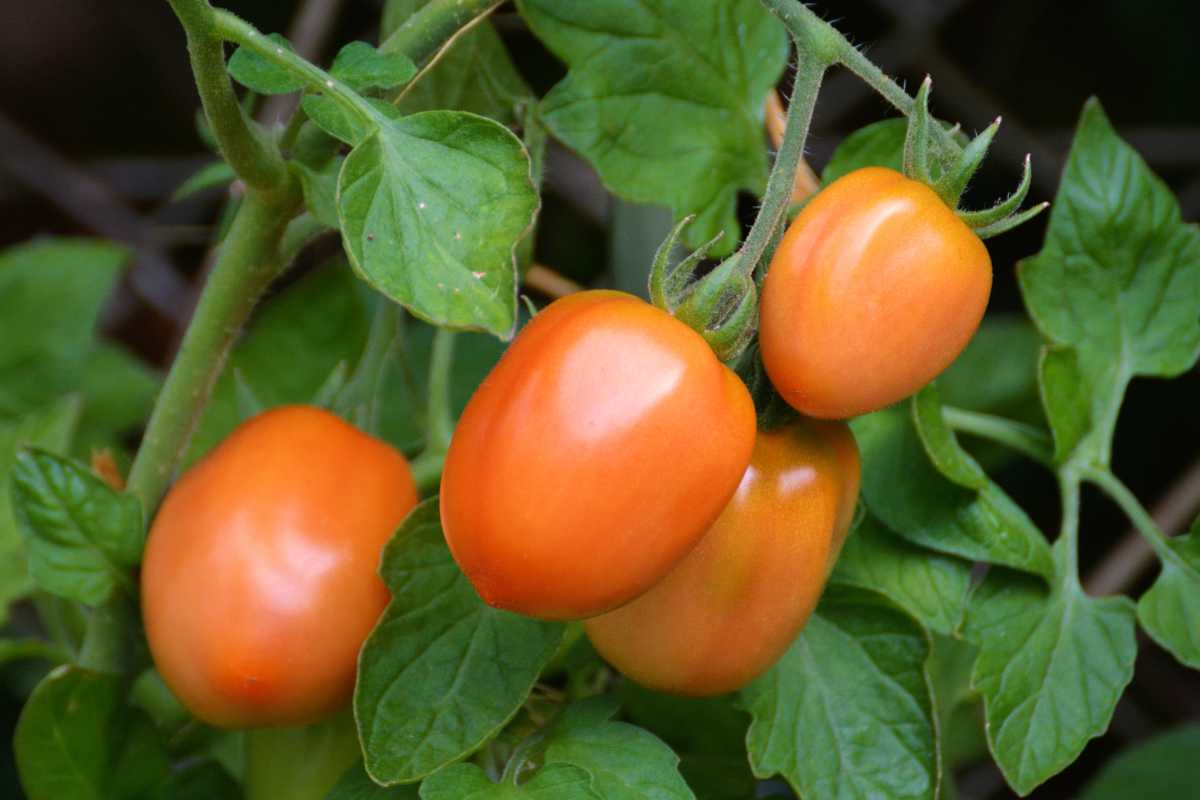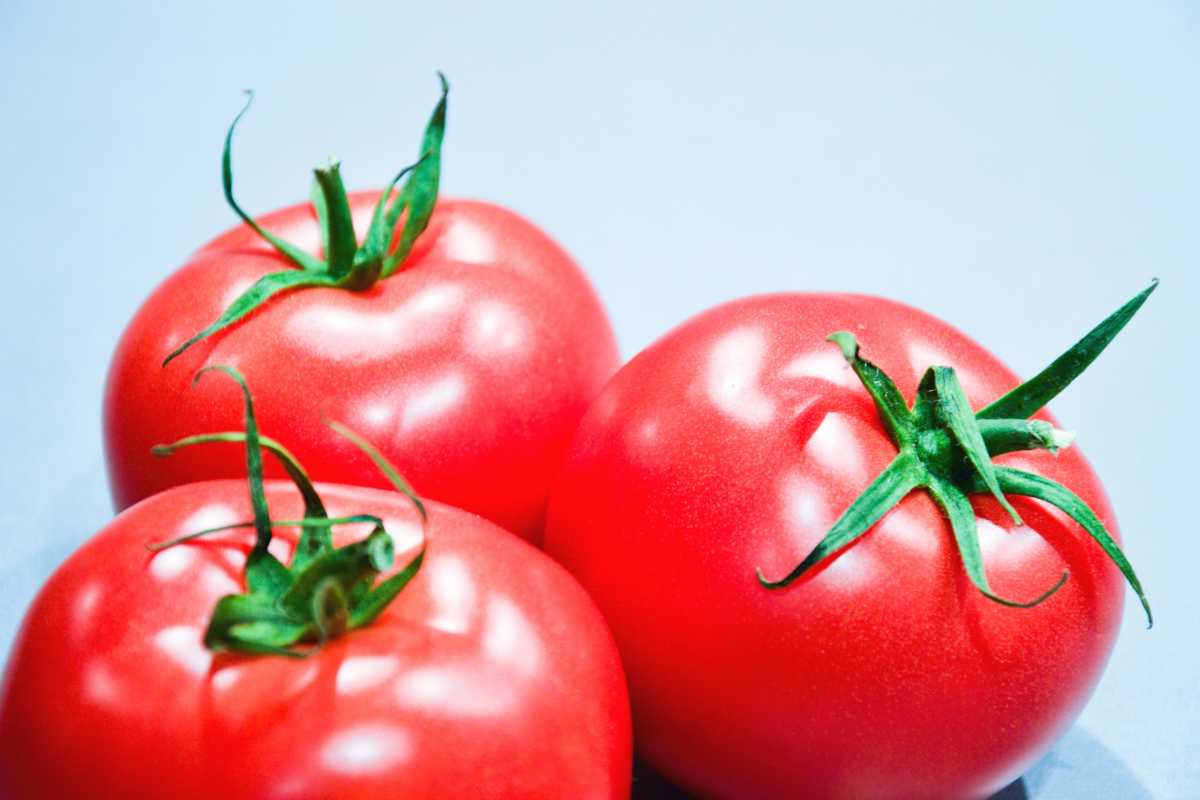
Large, round, pinkish-red fruits of 8 to 10 ounces, packed with sweet flesh and carrying hardly any seed: the Honey Moon tomato (Solanum lycopersicum) is an F1 hybrid grown above all for its resistance to mildew. Give it full sun, heat and rich, constantly cool soil, and the short, bushy plants crop abundantly.
| Name | Solanum lycopersicum |
|---|---|
| Common name | Honey Moon tomato |
| Family | Solenaceae |
| Type | fruit vegetable |
| Height | up to 6 feet (2 m) |
| Planting distance | 20 to 24 inches (50 to 60 cm) |
| Exposure | full sun |
| Soil | cool, healthy, rich, soft |
| Sowing | spring |
| Planting | end of spring |
| Harvest | midsummer to mid-autumn |
The F1 Honey Moon tomato is a “Rose de Berne” variety, and it has a very interesting characteristic: it resists tomato mildew! It’s ideal for climates in which this fungal disease constantly appears. This trait also makes it the perfect tomato for beginner gardeners.
Add to that the fact that this hybrid is extremely productive and vigorous – a result of its short, bushy bearing and the close distance between eyebuds – and you’ve got an easy, abundant fruit harvest ahead!
Fruits are large, round, and fleshy, and quite large at 8 to 10 ounces (250 to 300 g). Pinkish red skin at peak ripeness. Very few seeds in the flesh, which is sweet and tasty.
From seed tray to harvest basket, the whole growing cycle of this hybrid fits into four moves. Here is what happens when, and what matters most at each stage.
| Stage | When | Where | Key detail |
|---|---|---|---|
| Sowing | early to mid-spring | Warm bed indoors, bright spot | Seed a quarter-inch (5 mm) deep, soil kept close to 68°F (20 °C) |
| Planting out | late spring, after the last frost | Sunny spot in the vegetable patch | Seedlings 5 to 6 inches tall, buried up to the first pair of leaves |
| Staking | late spring, on planting day | Beside each seedling | Growth is indeterminate, so support is needed from the start |
| Mulching and watering | late spring through summer | At the foot of the plants | A good half-foot (15 cm) of mulch keeps the soil cool between waterings |
| Harvest | midsummer to mid-autumn | On the plant | Pick a few perfectly ripe fruits at a time, just before meals |
Follow that rhythm and this hybrid asks for very little else.
Start your F1 Honeymoon tomato seedlings off from seeds. You’ll find them in most garden stores, it’s a popular variety. Those seeds were carefully produced through cross-pollination of two parent tomato plants selected for their qualities. Note, however, that these genetic traits are lost in the following generations.

Once the last frost date has passed, you can transplant your young Honey Moon seedlings to the vegetable patch. Each seedling should have reached a height of 5 to 6 inches (12 to 15 cm) and should already have produced several true leaves.
The Honey Moon tomato is a part of the group of tomatoes that have an “indeterminate” growth pattern. Stake it on the day you plant it.
Without a doubt, the ‘Honey Moon’ is one of the easiest to grow of all tomato varieties thanks to its vigor and its resistance to blight. It isn’t frost hardy, though, so in temperate climates you can only grow it as an annual. It need heat to truly thrive.
The Honey Moon tomato is a variety that was bred to resist fungal diseases particularly well.

Between Midsummer and early autumn, harvest your Honey Moon tomatoes a few at a time, right before your meals. Make sure the fruits you pick are perfectly ripe.

Very fleshy with so few seeds: Honey Moon tomatoes are perfect for stuffing and baking in the oven.
The sweet and fragrant meat also turns into delicious sauces, tasty tomato gazpacho and fresh tomato juice.
Let refrigerated fruits come back to room temperature before serving raw; cold flattens their sweet aroma.