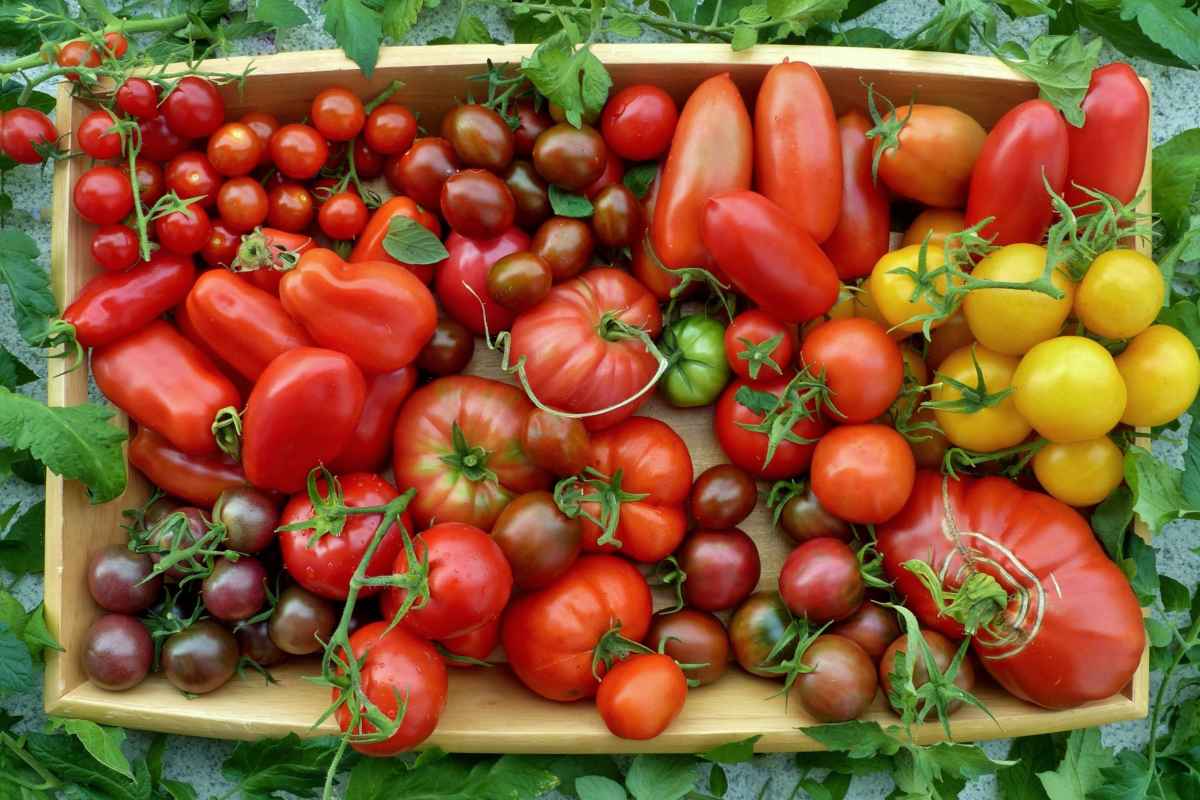
From bite-sized cherries munched straight off the vine to ribbed beefsteaks carved out and baked whole, tomatoes run to several thousand varieties, each with its own shape, colour, size and taste. Matching the type to the job — raw, salad, sauce, stuffing or drying — is what decides whether the fruit shows its best.
Read also:
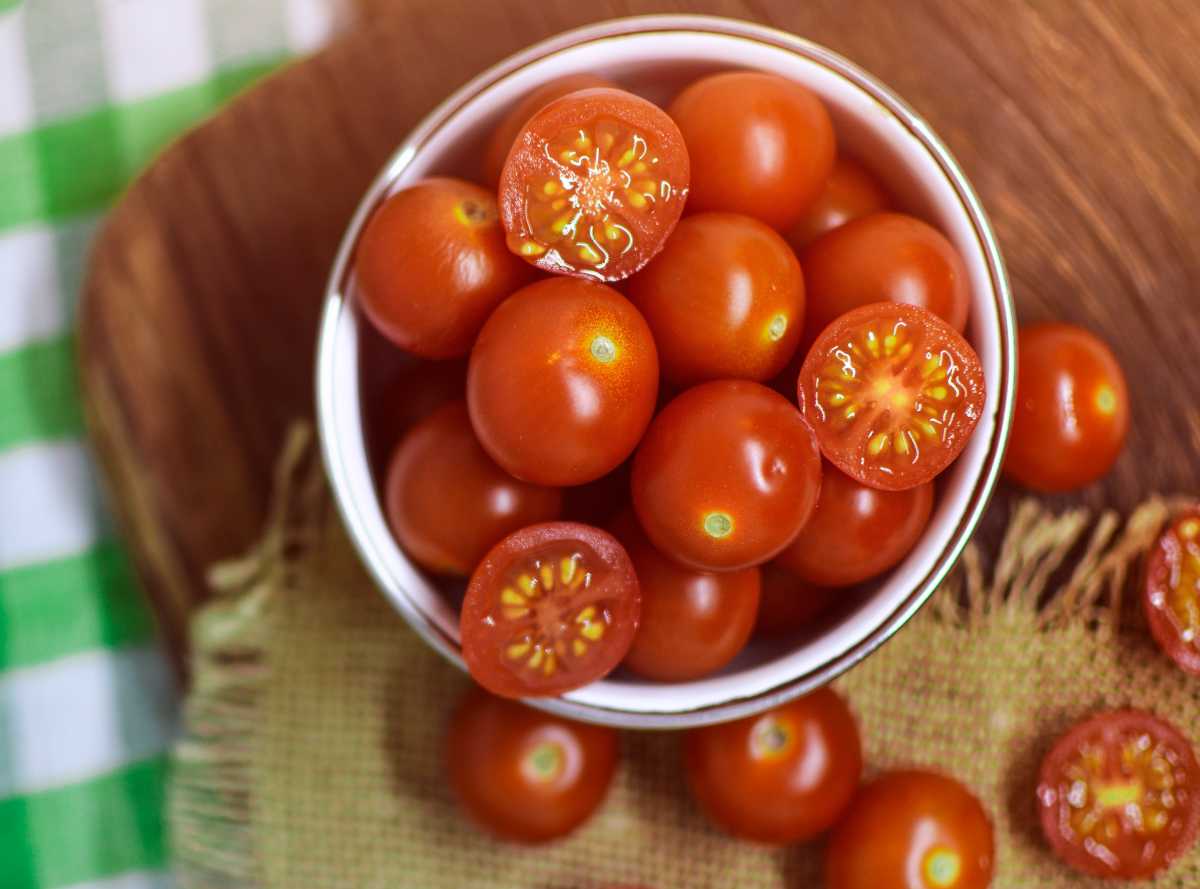
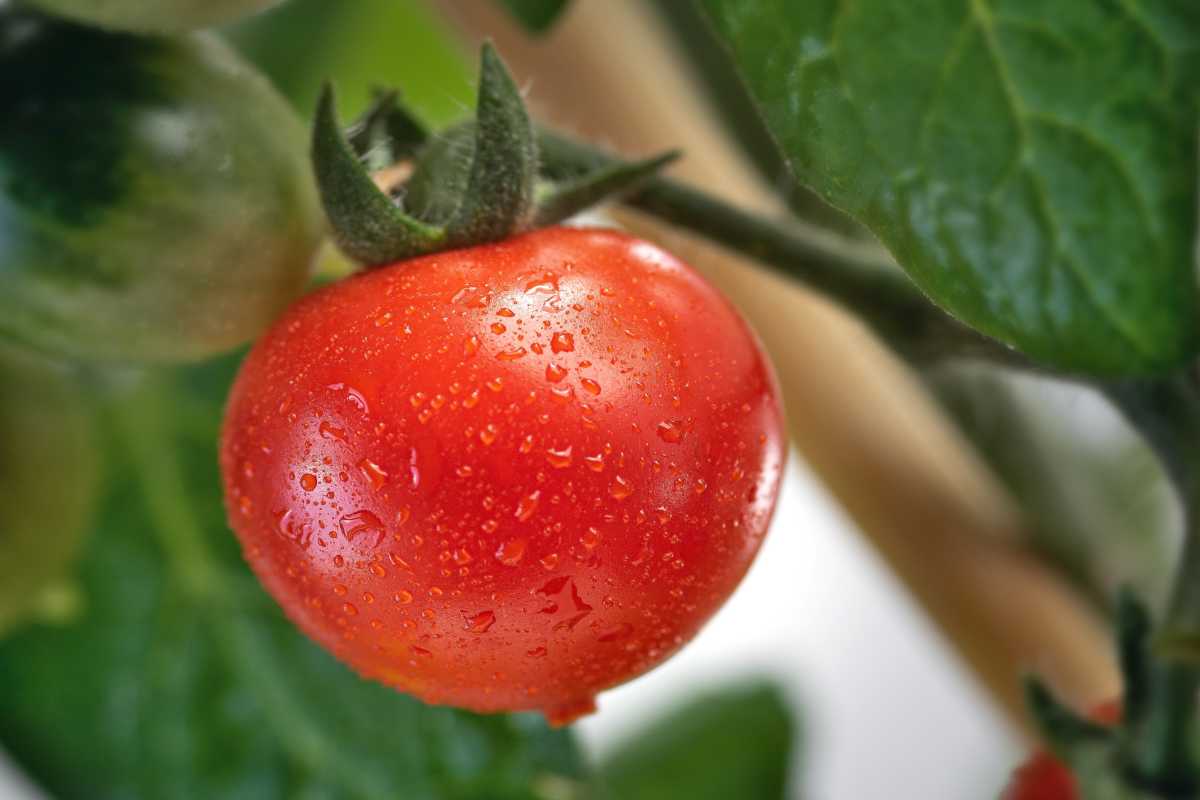
Ah, that first juicy bite! Sweet sensations dribble down your throat. This bite-sized treat packs a lot of taste for such a small tomato! Cherry tomato, more often than not, is simply munched on raw. No wonder, it’s so tasty!
Red ones are the most common, but there are more and more new colors, too, like yellow or black. Slightly larger, cocktail tomatoes can be carved out and filled in with cream cheese, for instance. Cherry tomato is excellent for skewers and grilling on sticks.
Pick cherry tomatoes when the fruit comes away from the stalk at a light twist, as those left to over-ripen split and lose their firmness.
Irregular watering, especially heavy watering after a dry spell, is a major cause of tomato skins splitting, though variety, temperature swings, and fruit ripeness also affect how easily cracks form.
Trailing varieties such as Tumbling Tom crop happily in a hanging basket or window box, while cordon types like Gardener’s Delight and Sungold need a cane and regular side-shoot removal.
Keep just-picked stone fruit and tomatoes in a bowl on the worktop rather than the fridge, since chilling mutes their aroma compounds and can turn the flesh mealy, dulling flavour.
Each of the five types has a flesh and a flavour that suits one job better than the others. Use this table to match the tomato in your hand to the dish you have in mind.
| Type | Flesh and flavour | Best use |
|---|---|---|
| Cherry | Bite-sized, sweet and juicy | Eaten raw, skewers, grilling on sticks |
| Cluster | Stronger taste than round tomatoes | Tossed salads with other vegetables |
| Plum (Roma) | Fleshy, not very juicy, holds its shape | Tomato sauce and cooked sides |
| Beefsteak | Abundant flesh, often ribbed | Stuffed and baked, ratatouille, gazpacho |
| Pineapple | Delicate taste, unusually dense flesh | Sliced and dried |
The sections below take each type in turn, with the named varieties worth looking out for.
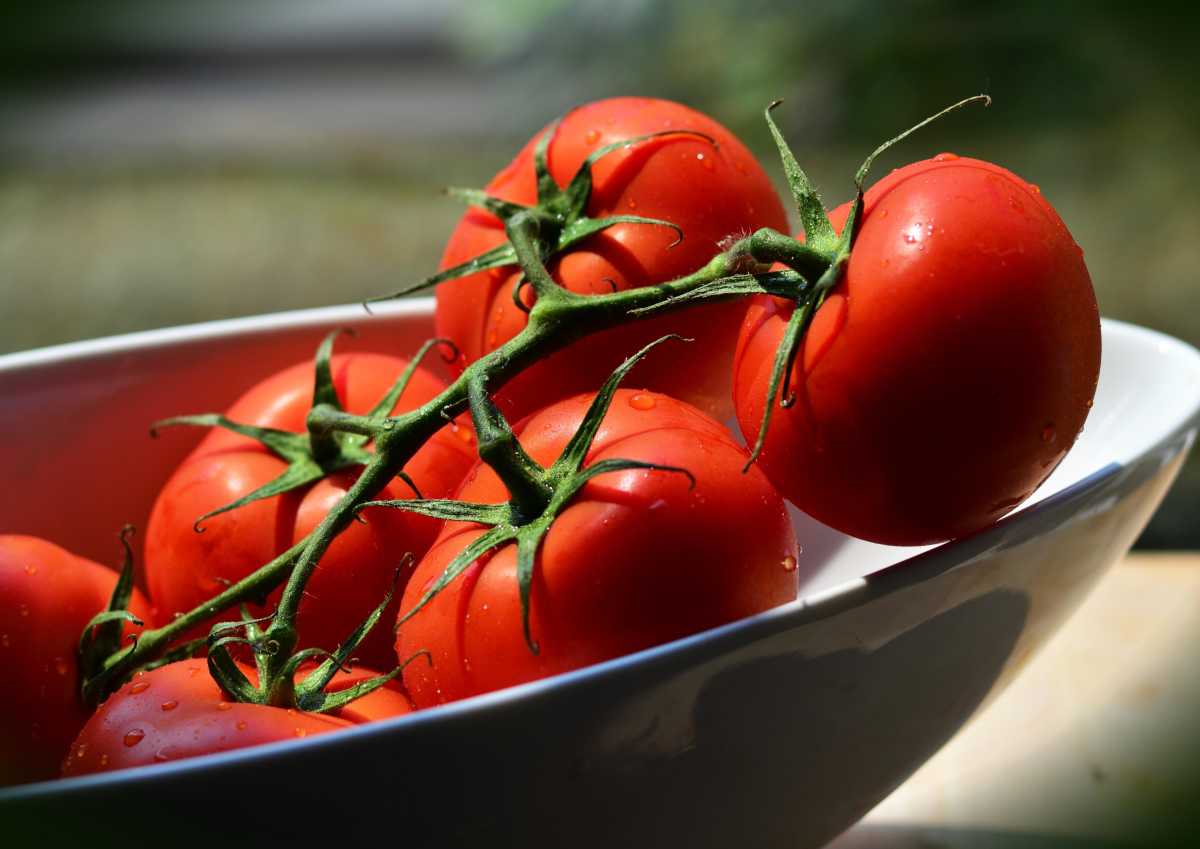
A direct competitor to the traditional round tomato, cluster tomatoes were first commercially bred in 1995. Today, more than half of tomatoes grown and sold are of this type. Gourmets love its stronger taste, perfect when paired with other vegetables in a tossed salad. It’s often a bit more expensive, too. The Saint Pierre tomato is a famous example.
Important tip: don’t store this one in the refrigerator, or it’ll turn mealy.
Tomatoes ripen unevenly along a truss, so either pick fruits individually as each colours, or cut the whole cluster with secateurs once most have ripened, before the earliest ones soften or split.
Tie the main stem to its support near each truss as the plant grows, since laden clusters can bend or kink the stem and the extra weight makes tall cordon tomatoes unstable.
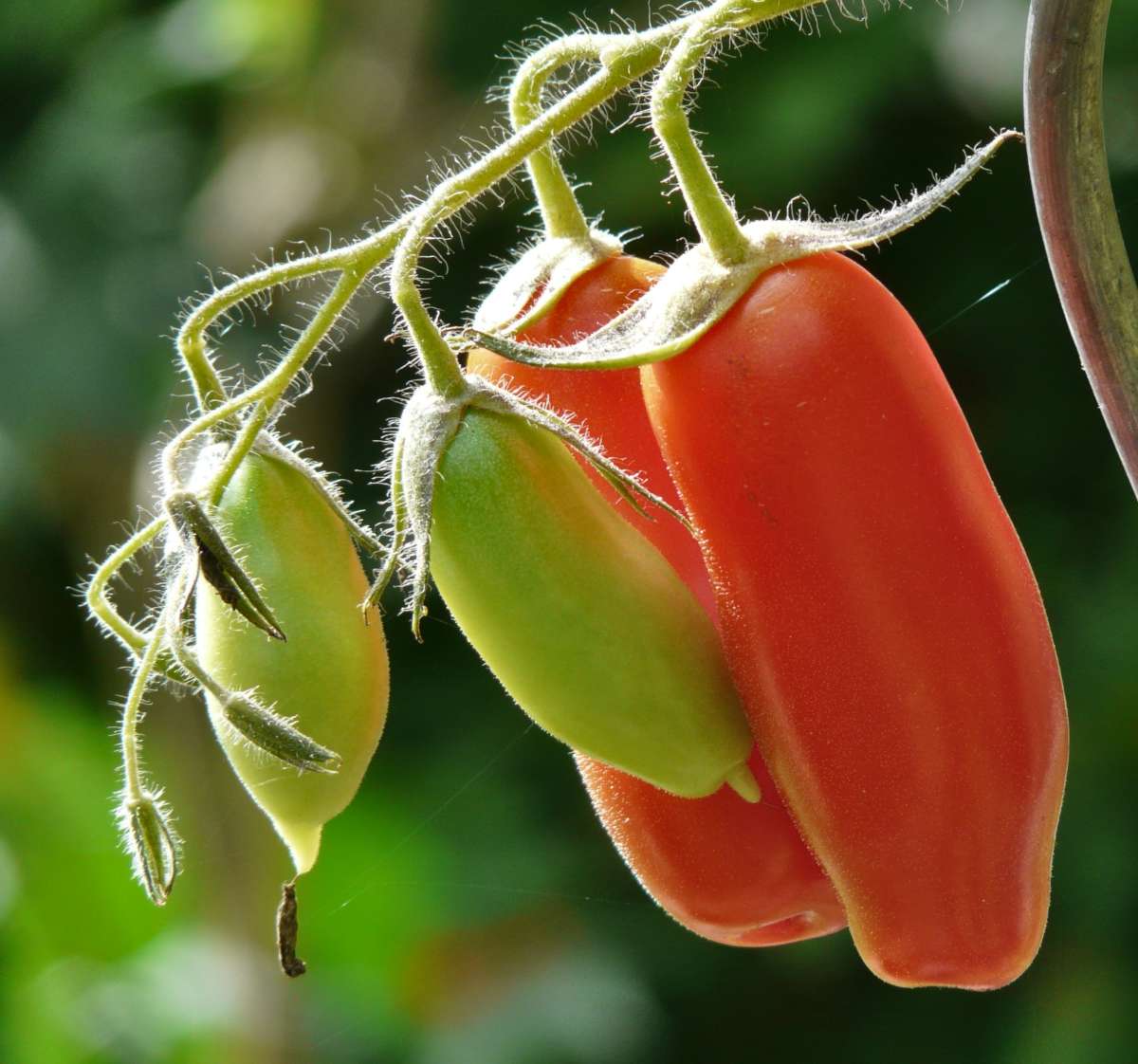
The most famous plum tomato is the Roma tomato. Fleshy, but not so juicy, this long egg-shaped tomato holds well to cooking. Its flesh will stay bright red, and remain firm.
Typical uses for this one include tomato sauce and cooked sides. About 5% of the world’s tomato production is plum tomato.
Another tasty example is the Andine Cornue.
Roma is a determinate variety, so its fruit ripens in one concentrated flush, handy when you want to cook up a whole batch of sauce at once.
Long-fruited plum tomatoes are especially prone to blossom end rot, so water steadily rather than in fits and starts.
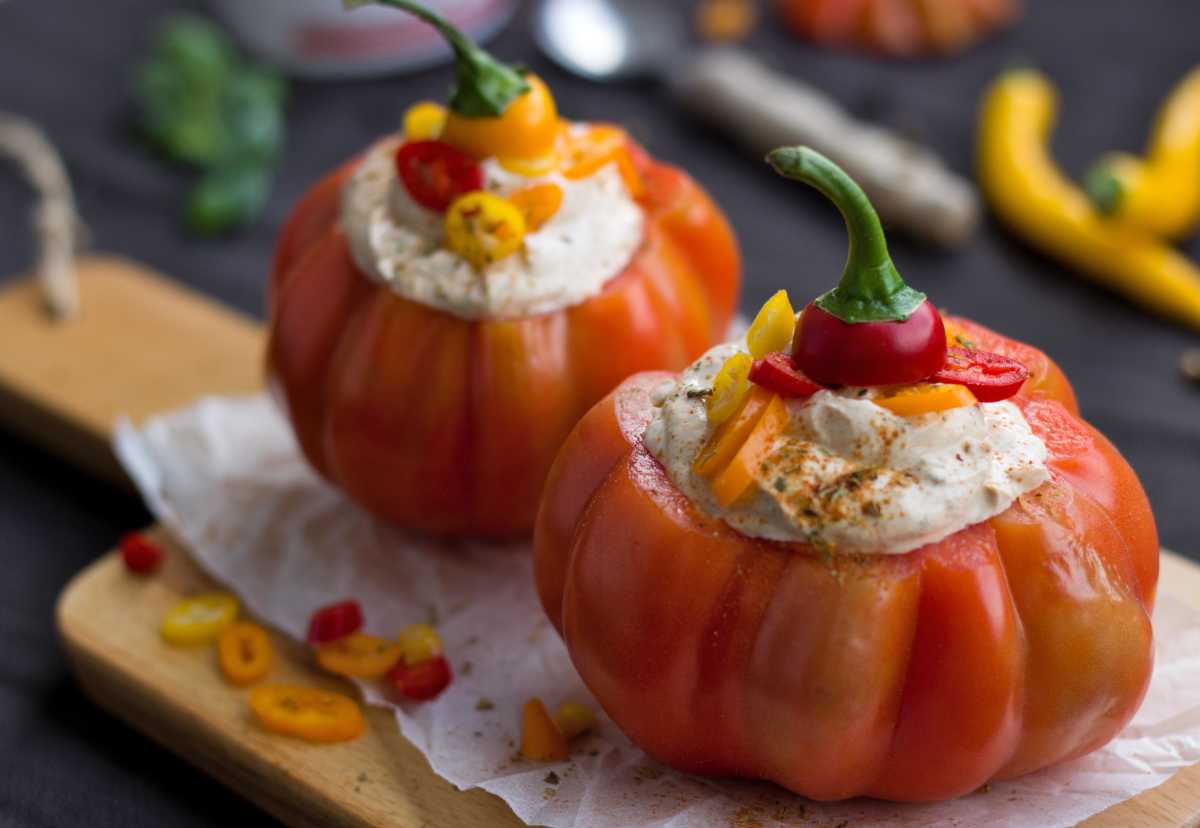
Most of these are also in the “ribbed tomato” category, since they have such a distinctive shape. Among these, several heirloom varieties are resurfacing and appearing in stores and farmer’s markets, such as the beefsteak tomato, marmande and the Cuor di bue tomato.
One would often eat it whole, with the inside carved out and stuffed with a variety of ingredients before being baked in an oven. Its abundant flesh also makes for great ratatouille, gazpacho… and even sherbet ice cream!
A single beefsteak tomato can outweigh a whole cluster of cherry tomatoes, so tying heavy trusses to the stake is worthwhile, since unsupported stems may bend, kink, or break under the weight.
With a large-fruited or beefsteak variety, thin each truss to three or four fruits: the remaining tomatoes will grow noticeably larger, though final size still depends on the cultivar, feeding and watering.
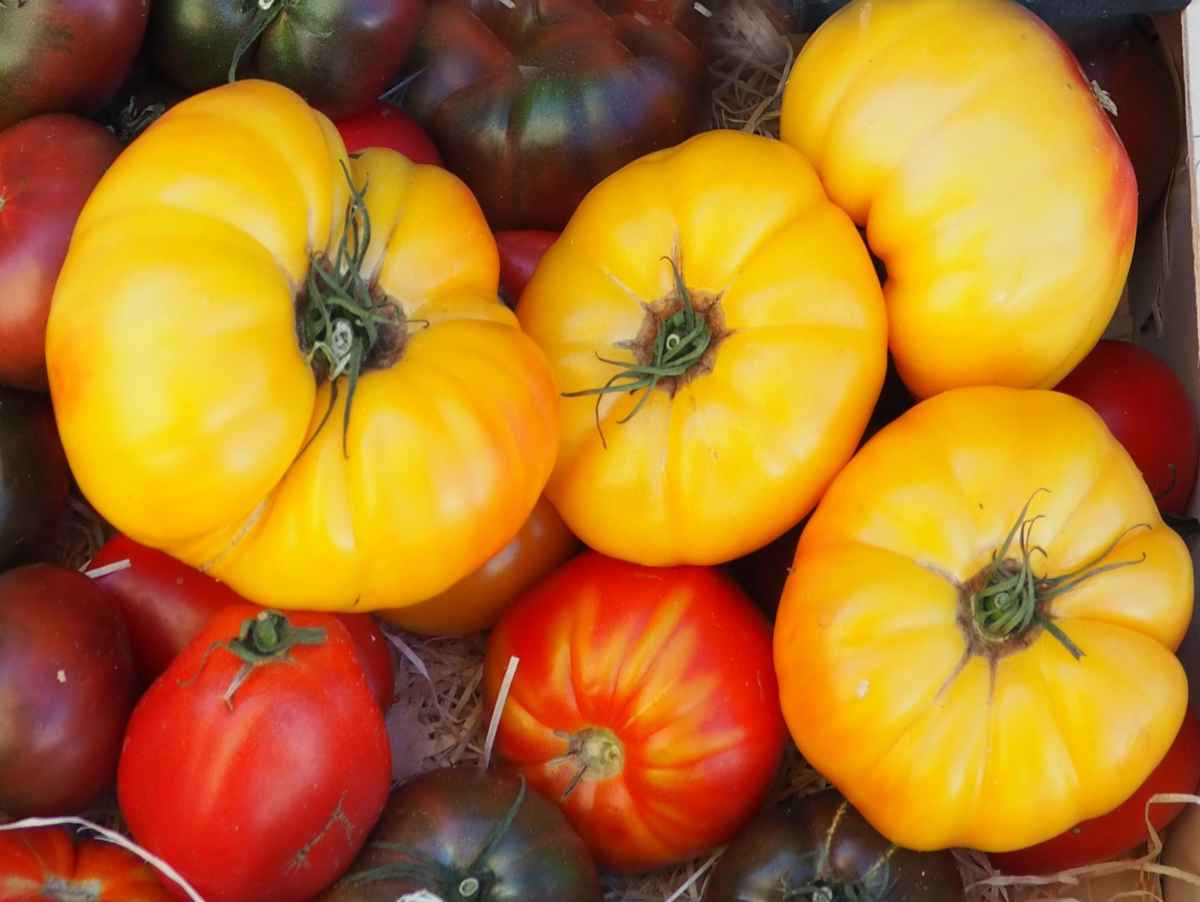
Not so common yet in Europe, the pineapple tomato is famous throughout the United States. It owes its name to the pinkish markings inside the orange-yellow flesh, they look somewhat similar to its namesake fruit, the pineapple.
Although the taste is delicate and light, pineapple tomatoes are unique in their texture: it is much more dense than other varieties. It’s best-tasting sliced and dried.
Note also the Black Krim tomato which many appreciate for its beautiful dark color and unique taste, especially in salads.
M.B.