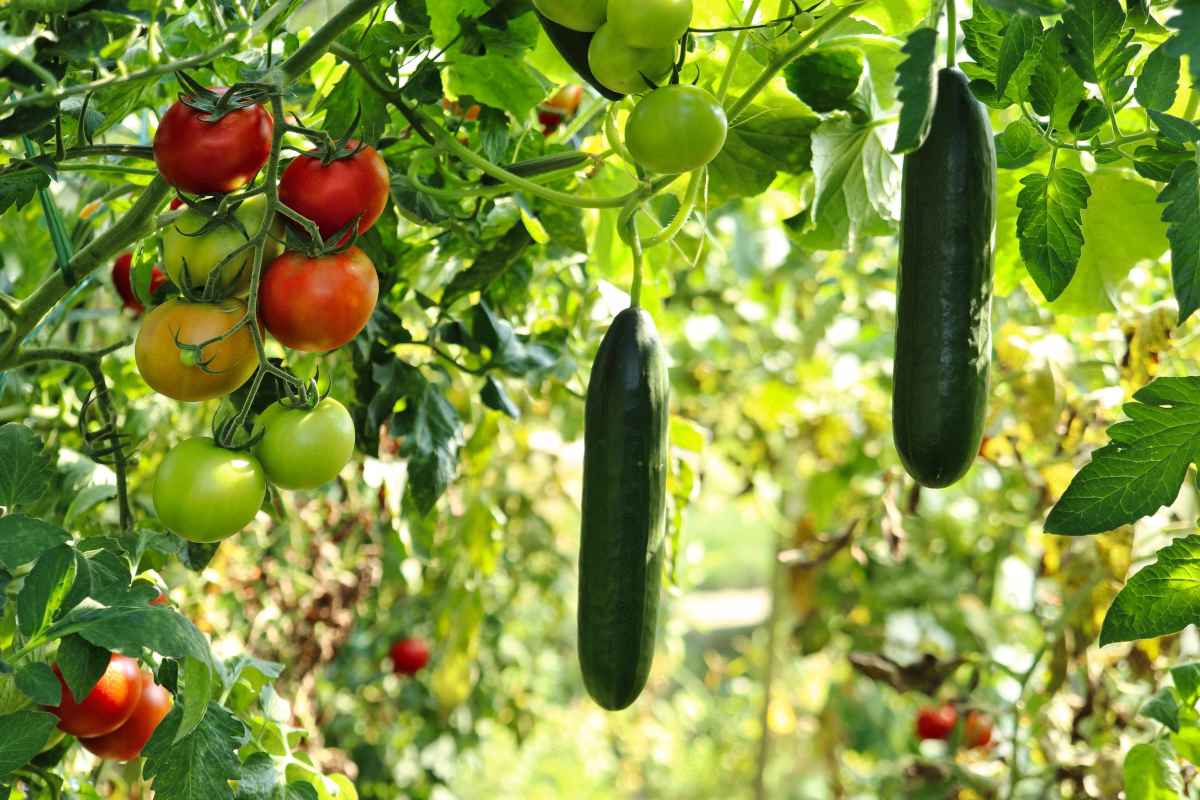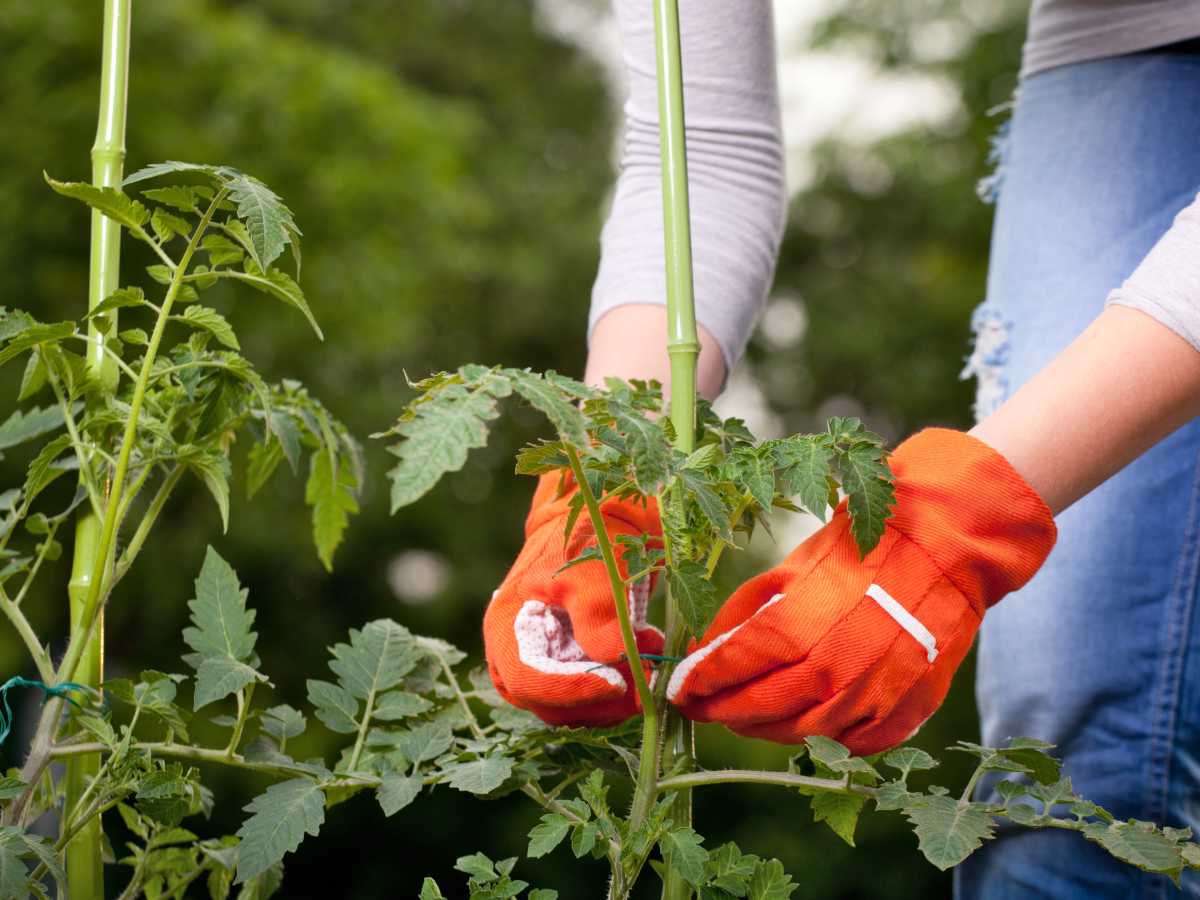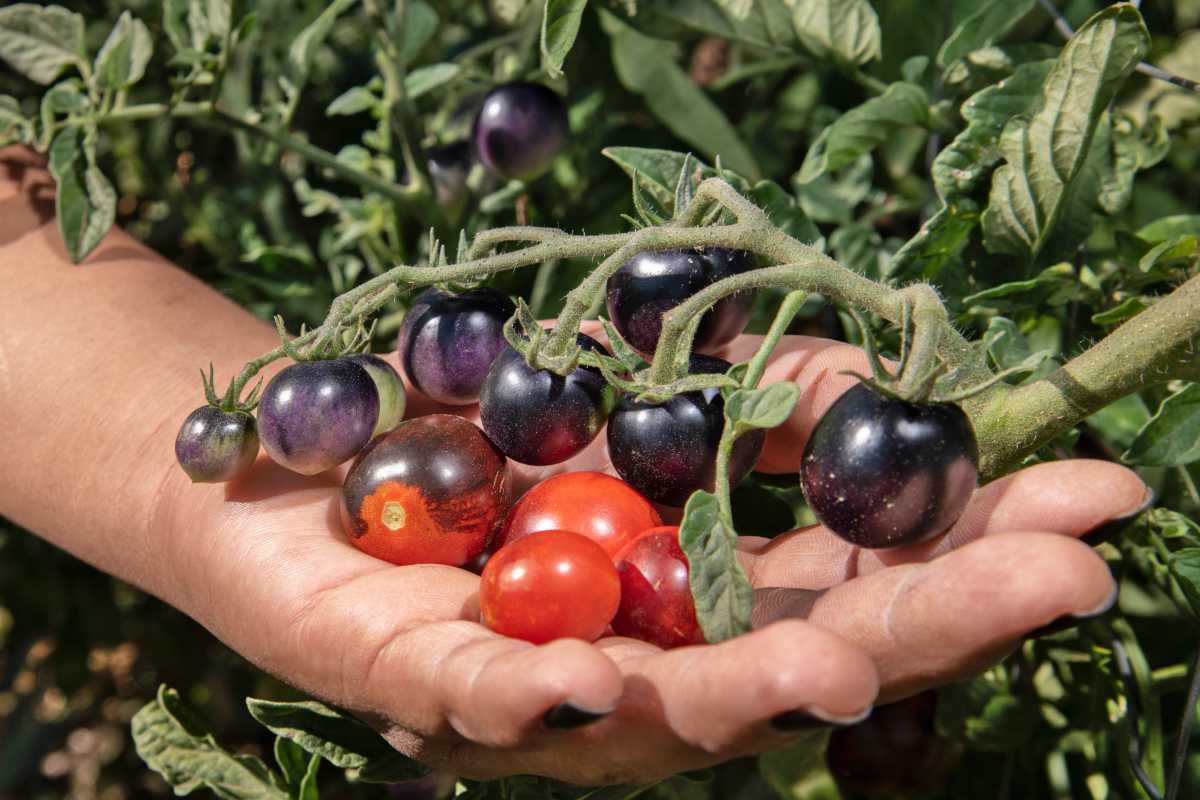
Several thousand varieties, each one unique in shape, colour, texture and size: the tomato (Solanum lycopersicum) was nonetheless grown only as an ornamental vine, thought poisonous, deep into the 1700s. Low in calories and high in vitamins, it repays patience above all, since the tastiest fruit are the local and heirloom sorts ripened under high summer sun.
Read also:

Hard to believe, but in olden times we didn’t even eat tomato. Thought to be poisonous, the vines were only used as ornamental plants deep into the 1700s. Two centuries earlier, the Aztec “tomatl” had crossed the Atlantic Ocean.
First it settled in Southern Europe. Peoples around the Mediterranean started cooking it. They added it to sauces to make them tastier and spicier. Then, the fruit slowly kept expanding its cooking range.
Today, in the Western world, nearly 30 pounds (14 kg) of tomatoes are consumed per person in a year, according to statistics offices.
In salads, together with fish or meat, tomato is most often cooked or baked like you would a vegetable.
However, the science is clear: it is a fruit of which there are now several thousand varieties. Each differs and is unique: shape, color, texture, size…
As for the “Beefsteak tomato”, it’s now making a comeback after having nearly disappeared from market stalls. Its best mode of cooking? Stuffed and oven-baked! With a very low calorie count and high vitamin content, tomato can be now savored year-round thanks to indoor and greenhouse growing.
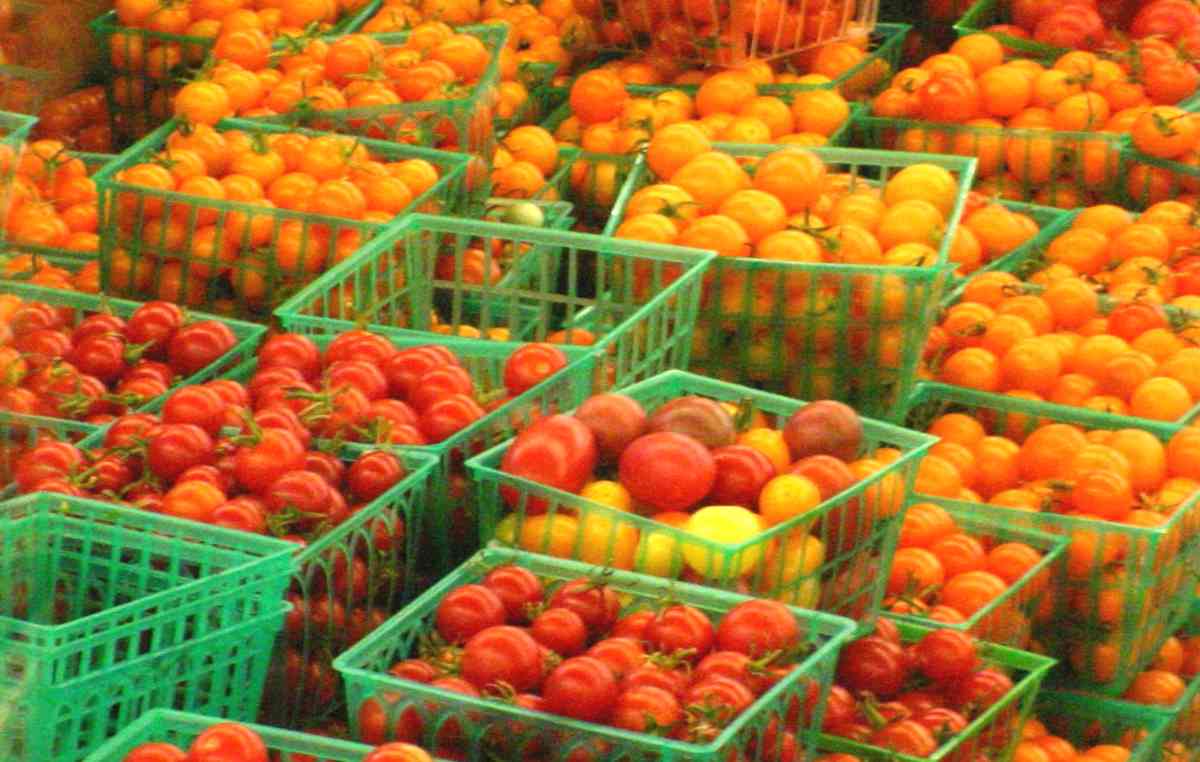
Most countries in the North import tomatoes, since they eat much more than they can produce.
Nonetheless, when summer is in full swing, the tastiest tomatoes reach our plates: local and heirloom varieties, grown under the sun.
The article describes several kinds of tomato, each suited to a different moment of the year and a different way of cooking. Here they are side by side.
| Tomato | When it shines | Best use |
|---|---|---|
| Cherry tomato | Summer | Appetizers and barbecues |
| Larger tomatoes | Autumn | A tasty pasta dinner |
| Beefsteak tomato | Back on market stalls after nearly disappearing | Stuffed and oven-baked |
| Local and heirloom varieties | High summer | Eaten as they are, for pure flavour |
Outside those peaks, indoor and greenhouse growing keeps tomatoes on the table all year.
Beyond the broad families, a handful of named varieties turn up again and again on seed racks and garden centre benches. Here is how the most reliable of them compare.
| Variety | Fruit type | Growth habit | Where it does best | Best use |
|---|---|---|---|---|
| Sungold F1 | Cherry, golden-orange | Cordon (indeterminate) | Greenhouse or sheltered wall | Eaten straight off the vine |
| Roma VF | Plum, few seeds | Bush (determinate) | Outdoors, sunny bed | Sauces, passata, drying |
| Gardener’s Delight | Small cherry, red | Cordon (indeterminate) | Outdoors or greenhouse | Snacking and salads |
| Moneymaker | Medium round, red | Cordon (indeterminate) | Greenhouse | Slicing, everyday salads |
| Shirley F1 | Medium round, red | Cordon (indeterminate) | Greenhouse, cooler summers | Heavy pickings for the kitchen |
| Ailsa Craig | Medium round, red | Cordon (indeterminate) | Greenhouse or warm outdoor spot | Salads and sandwiches |
| Tumbling Tom Red | Cherry, red | Trailing bush | Hanging baskets, pots | Patio picking |
M.B.