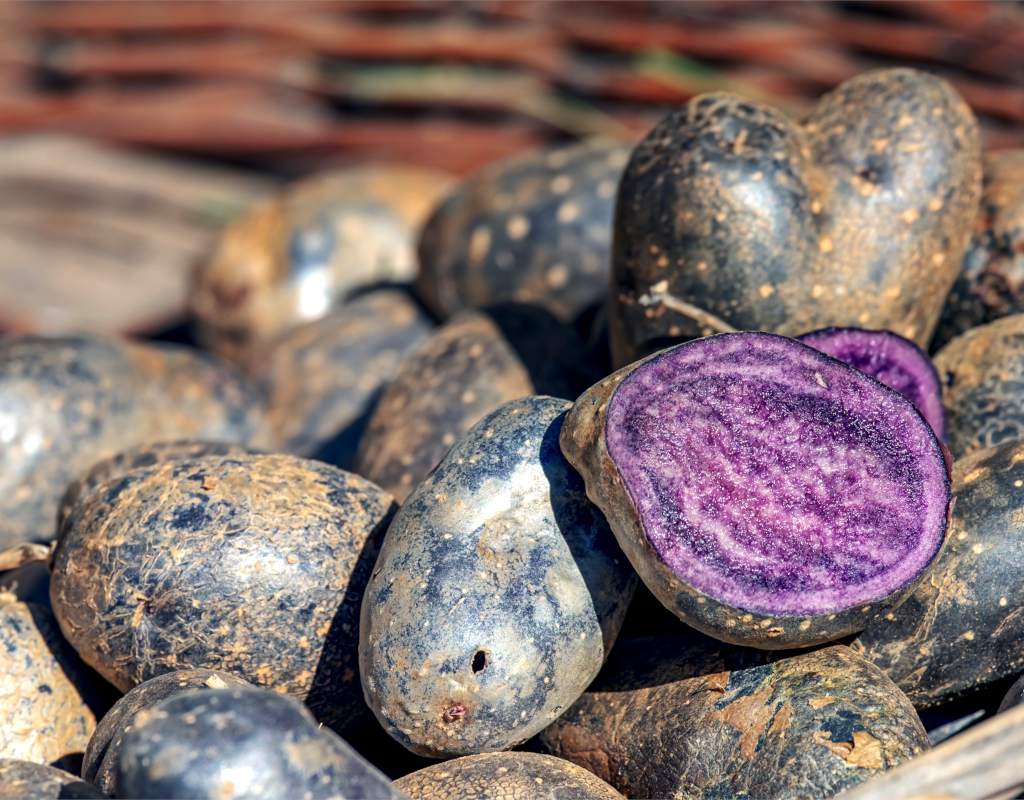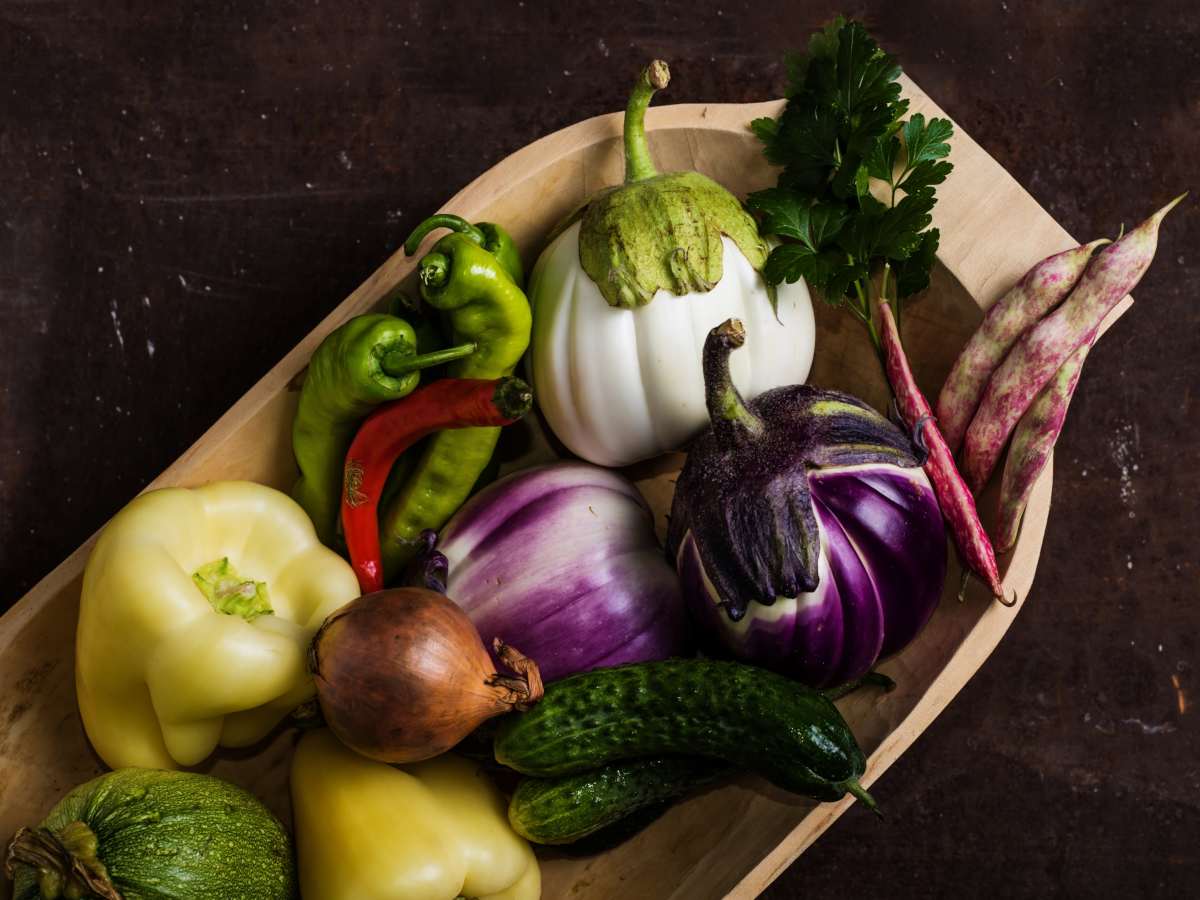
Bright red Etampes pumpkins, a salsify root long, fleshy and almost cylindrical, parsnips with roots much larger than any carrot: heirloom vegetables carry back the flavours the chain stores flattened out. Grow a few in your patch and, provided you keep different species apart so the strains stay pure, you eat them and save them at the same time.
A great way to introduce more taste in a world that blandly steamrolls any differences across chain stores, and give your garden a touch of something special.
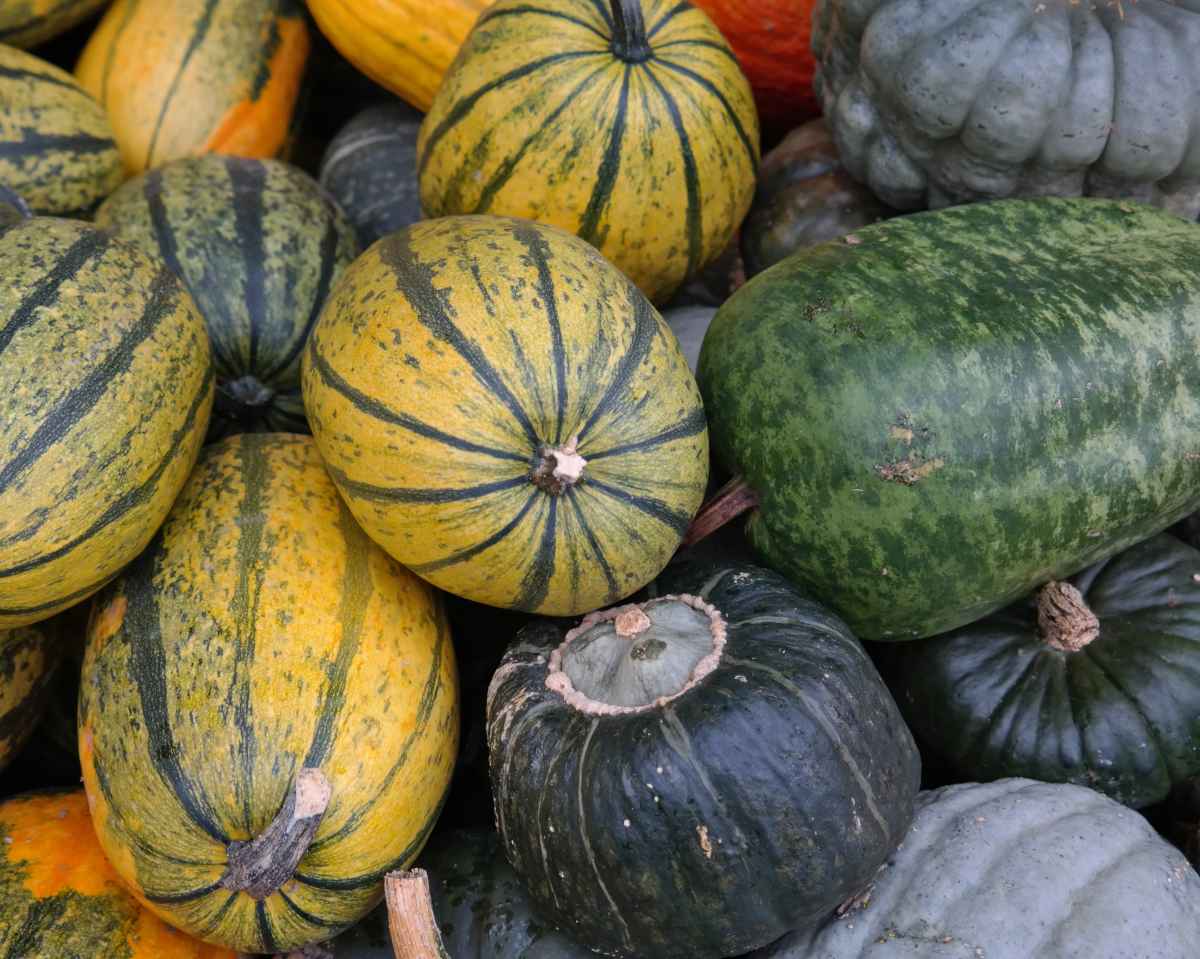
Give the amazing Cucurbitaceae family the place it deserves in your garden, and plant moschata squash, butternut, Hungarian Blue, kuri, bright red Etampes, spaghetti squash… Set these up at the foot of your compost to provide it with shade or use it as ground cover between your pole beans or to fill up an empty spot. If you lack surface area, tether them loosely to well-affixed wire trappings up an upright wall.
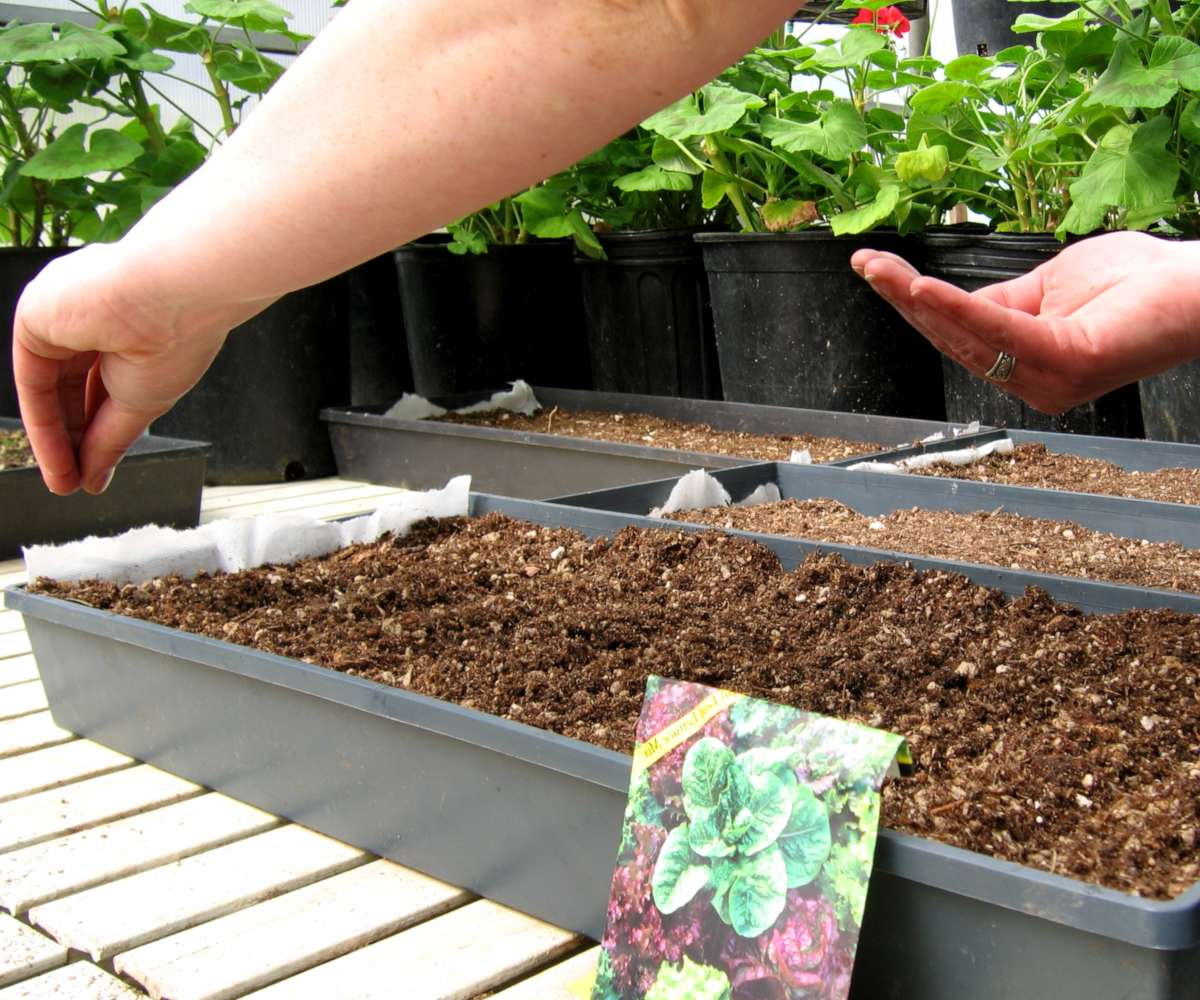
Sow your seeds in holes filled with compost late spring, as soon as the soil has warmed up. Watch out for mice who love nibbling squash seeds.
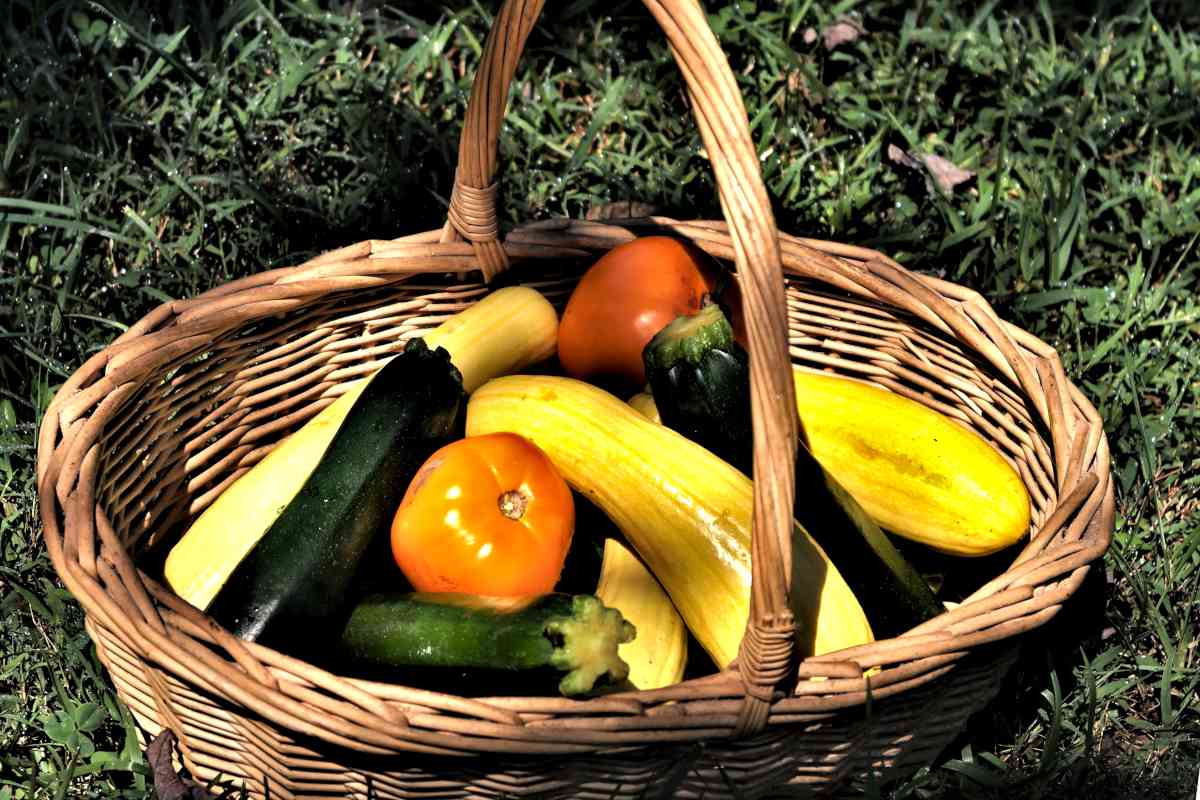
Plant completely different Cucurbitaceae species, first of all because the diversity will be highly appealing, and secondly because species don’t cross-pollinate as varieties within a single species would. The strands will thus remain pure-bred.
As the fruits start shaping up, snip off the tips of fruit-bearing stems. Harvest them before the frost spells hit, and keep them in a room or spot that stays at around 50°F (10°C). All winter long, you can prepare soups, cheese bake them, mince them in pie, and even sweeten them up in jam!
Rediscover white, pink and yellow turnips and rutabaga which are an ancient hybrid of turnips and kale. These delicately-flavored veggies will weasel their way into all your meals, sometimes raw, sometimes cooked… a welcome new guest in the dinner plate! Sow in spring for early varieties, and between midsummer and late summer to ensure you have enough to last you deep into winter. Avoid planting them near plants of the same family such as radish and cabbage.
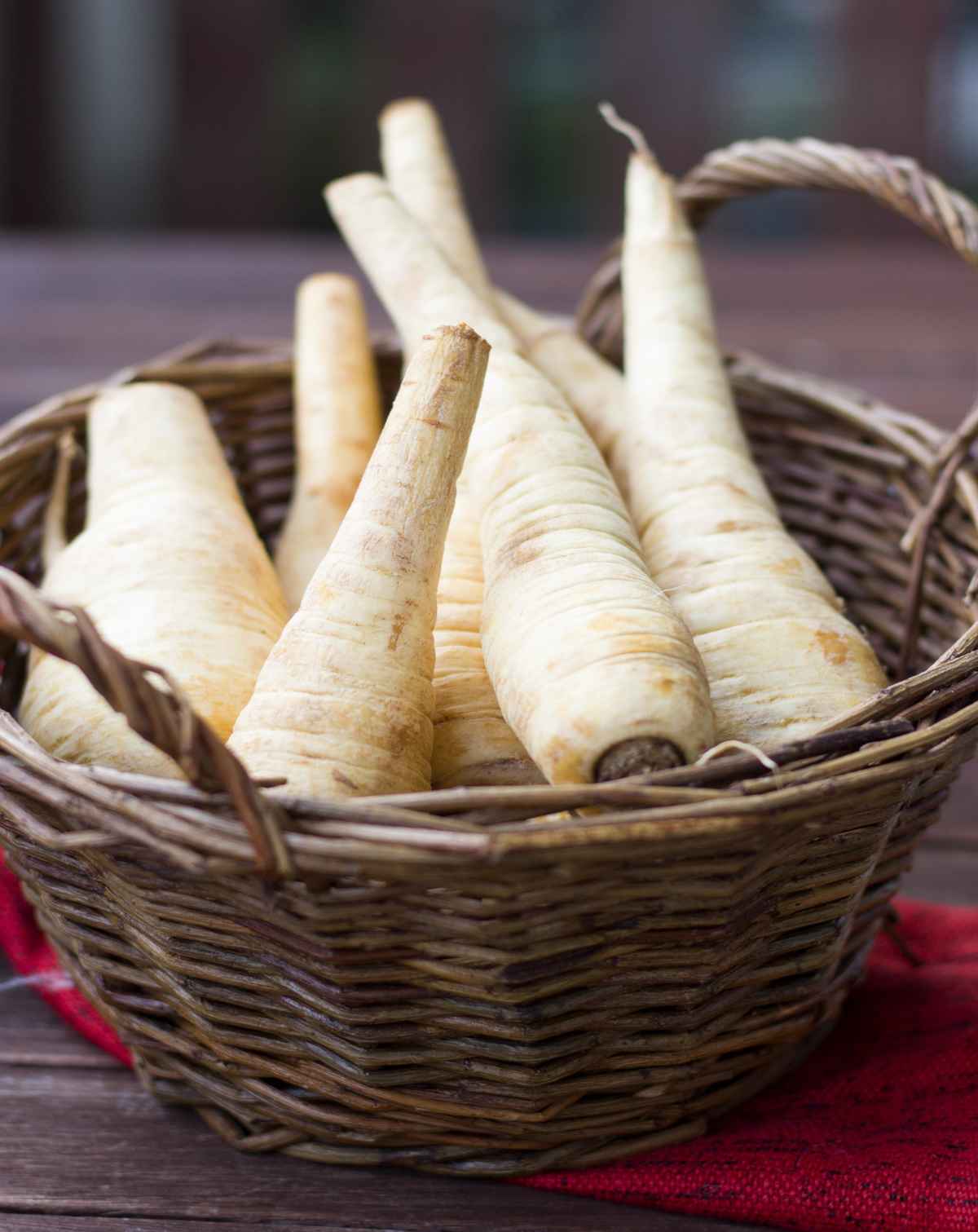
Parsnip was actually a prominent crop that was phased out by its cousin the carrot. This is quite surprising, considering that this high-yield crop presents edible roots that are much larger than carrots.
Sow the seeds directly in the ground from early spring to early summer in loosened, light and not so chalky soil. Parsnip is a crop that requires a hefty amount of compost. Try to protect them from voles that will try to savor them before you can get your harvest out! Harvest in late autumn and proceed in the exact same manner as you would for carrots. The texture of this root is more mealy, but its taste is far more soft and delicate.
Salsify, which is either white or black, is a strange root to grow: it produces a long, fleshy taproot that is almost cylindrical in shape. Sow these roots in spring directly in the ground and harvest your salsify from mid-autumn to early spring. You can simply leave your black salsify in the ground all winter long, just pull them out when you need them. And if you leave them be, and they start bolting and going to seed, sit back and admire the show: the flowers are magnificent.
The heirloom vegetables described here each have their own rhythm in the vegetable patch. Use this table to see at a glance when to sow, when to harvest and what tends to go wrong.
| Crop | When to sow | When to harvest | Watch out for |
|---|---|---|---|
| Squash and pumpkins | Late spring, once the soil has warmed | Before the frosts; store at around 50°F (10°C) | Mice nibbling the sown seeds |
| Turnip and rutabaga | Spring for early sorts, midsummer to late summer for winter supplies | Autumn onwards, lasting deep into winter | Do not plant near others of the same family |
| Parsnip | Early spring to early summer, direct in the ground | Late autumn | Voles, and thin chalky soil; needs plenty of compost |
| Salsify (white or black) | Spring, direct in the ground | Mid-autumn through to early spring | None; leave in the soil and pull as needed |
| Arugula | Every fortnight, all year round | Young leaves, for mesclun mixes | Heat in the leaf rises when the plant is stressed |
Stagger the sowings and the patch keeps producing something worth eating in every season.
Common ice plant which has such a surprising taste, crunchy tangy sugarloaf witloof, firm and fleshy puntarelle, are all surprising varieties of chicory, but there’s also mildly spicy buck’s-horn plantain, variegated escarole, colored endive, red-leafed lettuce… Blend colors and shapes and turn your garden into a work of art with these many varieties of leaf greens.

Prepare mesclun from it, and add tender young leaves from your root vegetables, too. Spice the mix up with arugula which you can sow every fortnight all year long. Water often if you find it too spicy, the intensity increases when the plant is stressed.
Rediscover the extensive cabbage family and sow on well manured soil from mid-spring to midsummer its many cultivars: green or red head cabbage, Brussels sprouts, broccoli, Romanesco cauliflower and giant white kohlrabi which gourmets always find so enticing.
M.-C. H.