Harvesting, raking, sowing, planting, protecting: fall is the busiest season in the garden, and the one that decides what spring will look like. Here is the whole of the work, section by section, from the vegetable patch to the orchard.
Read also:
Also very helpful: our Moon Planting calendar.
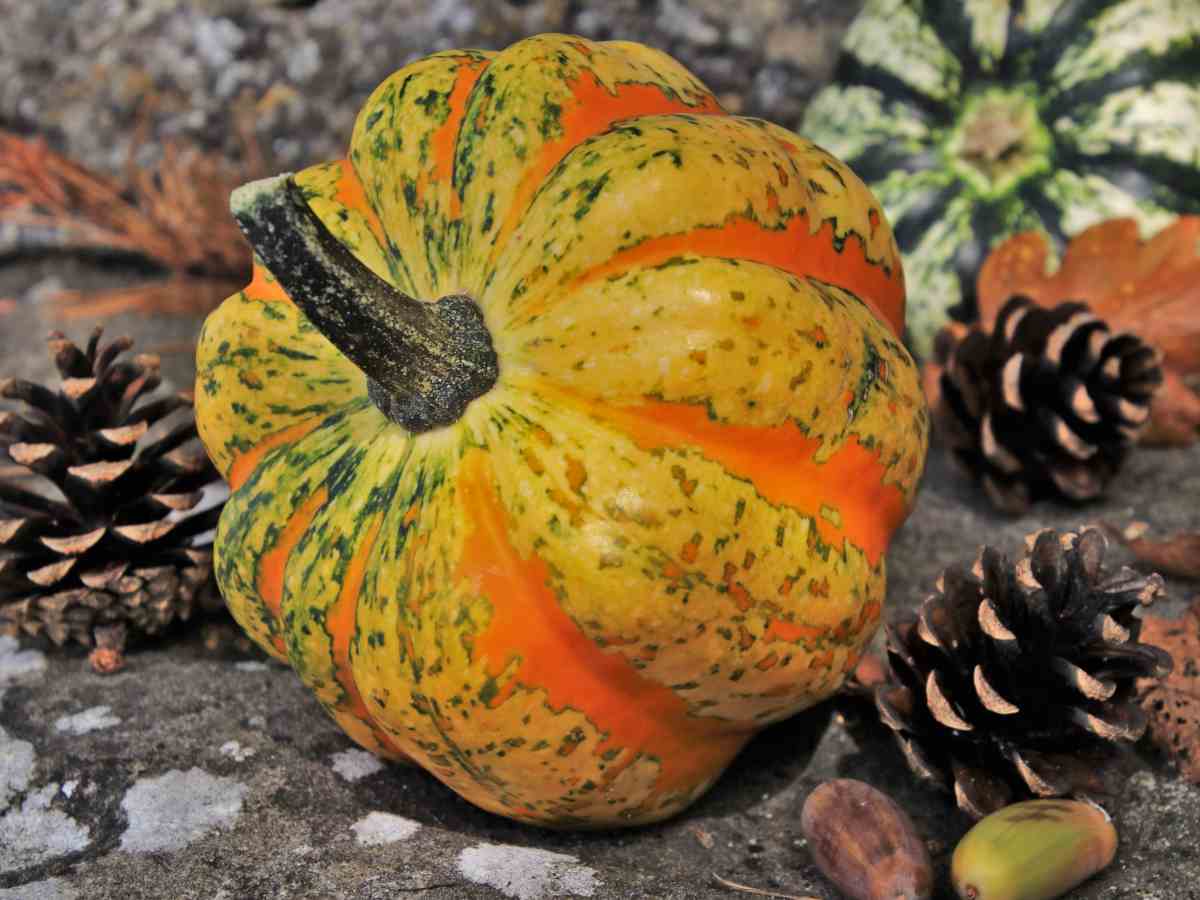
The clock is ticking for the last harvests. Abundance is the word, and it means more than you can eat at once: get the kitchen ready for jams, preserves, sauces and jars, or pack the surplus into the freezer. Root and leaf vegetables can spend winter in the ground without being lifted, but pears, apples, potatoes and squashes belong in a room that is dry, cool and frost-free.
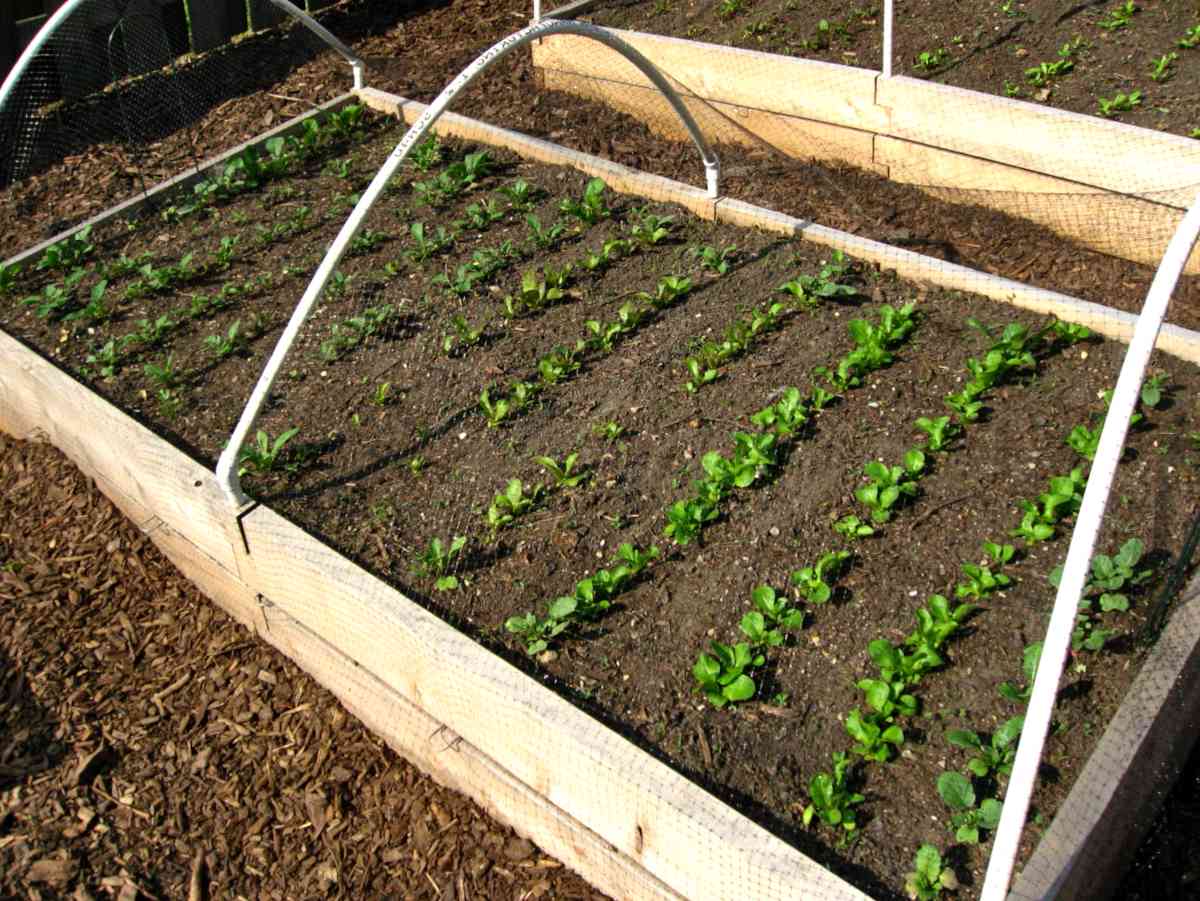
Fall is also a planting season in its own right. Sow or plant cabbage, winter lettuce, turnip, sorrel, leek and garlic. Put in strawberry plants too: they root through the cold months and fruit the following summer.
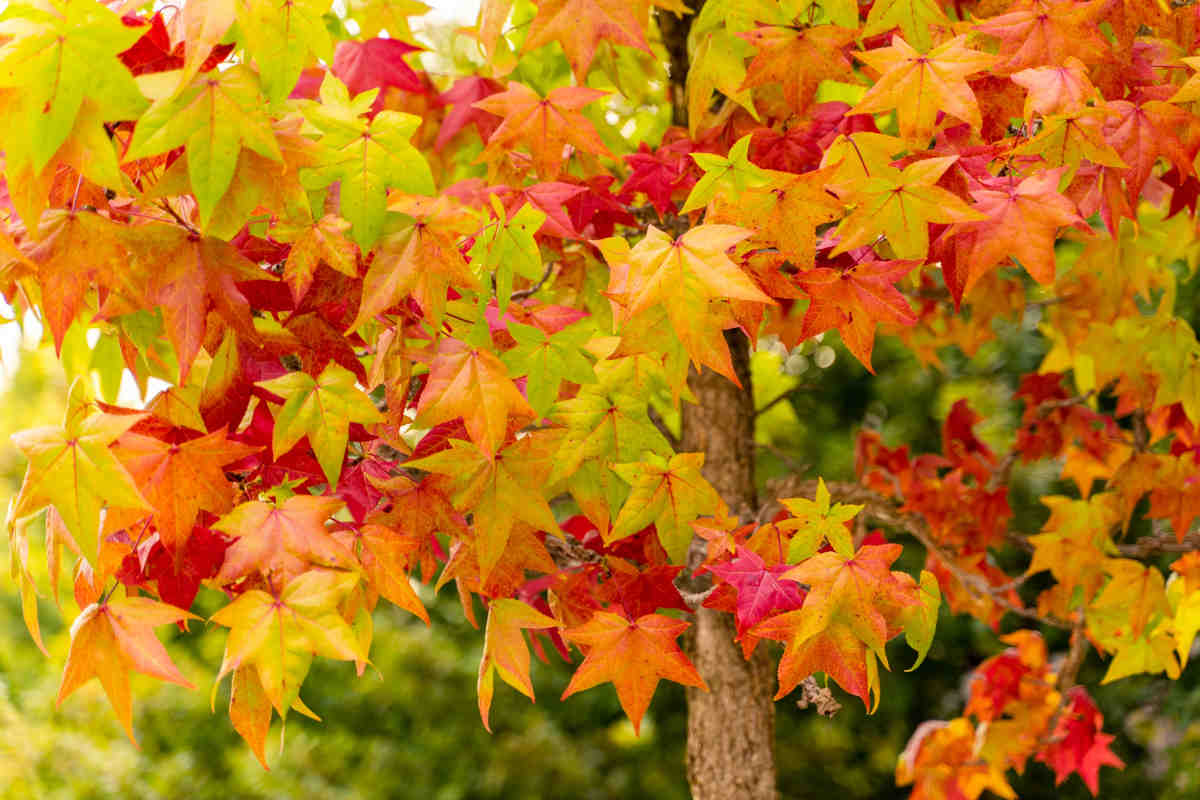
Season’s cleaning for the lawn, the flower beds and the walkways. Rake dead leaves all through the autumn months and recycle them, in the compost or spread as mulch. Mow the lawn one last time. Shredded branches and organic matter go the same way.
Fall is when to prune roses and plant new ones. It is also the moment to move a rose that has outgrown its spot: prepare the ground well, since the roots need loose, rich soil to spread fast, and choose a sunny place out of the wind.
Plants are entering dormancy, so this is the window for transplanting shrubs that are not thriving — timing matters for plants vulnerable to transplant shock. Trim and prune conifer hedges for the last time of the season, or replace them with a mixed hedge that changes as the seasons roll on.
Before the first frosts, bring garden boxes and containers inside or protect them. Pelargonium and summer flowering bulbs keep in the cellar. Mediterranean and tropical plants — bougainvillea, oleander, olive tree, citrus, cactus — must overwinter somewhere frost-free that still gets light through a window.
Autumn planting covers a great deal more than bulbs. Here is what the article puts in the ground before winter, and what each planting gives back.
| What to plant | Examples | Autumn window | Why plant it now |
|---|---|---|---|
| Winter vegetables | Cabbage, winter lettuce, turnip, sorrel, leek, garlic | early to late autumn | Autumn is a sowing and planting season in its own right |
| Strawberry plants | Strawberry | early to late autumn | They root through the cold and fruit next summer |
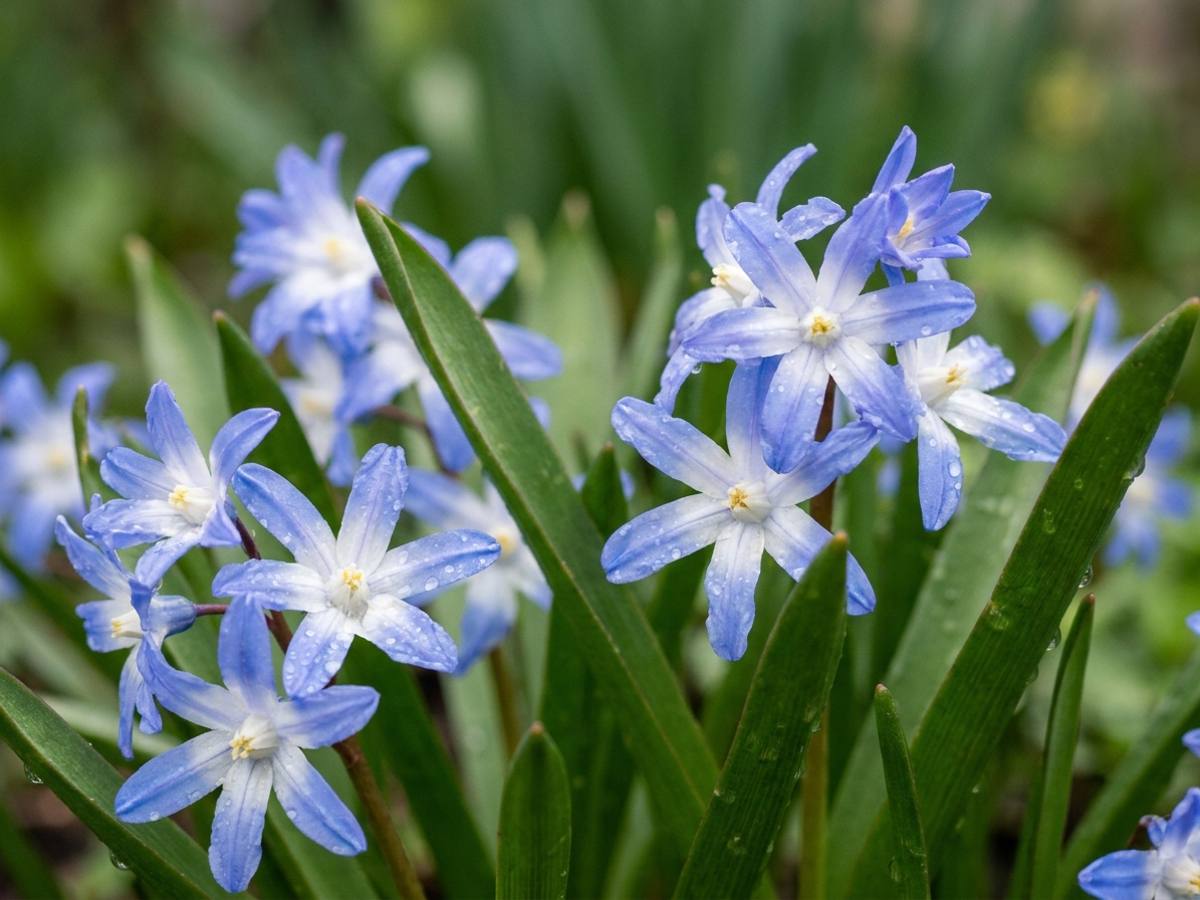
| Spring-blooming bulbs | Tulip, narcissus and daffodil, hyacinth, crocus | early to late autumn | Plant no deeper than twice the height of the bulb |
| Biennials and hardy annuals | Pansy, papaver poppy, nigella | early to mid-autumn | Sown once the beds have been weeded and hoed |
| Roses | New bushes, or one being moved | early to late autumn | Loose, rich soil and a sunny spot out of the wind |
| Fruit trees, conifers, heath shrubs | Pear, apple | late autumn is the best of it | Stronger away than the same tree planted in spring |
Whatever you plant, finish the job the same way: water to close the air pockets, then mulch and keep the soil covered.
Pick autumn fruit on sunny days — pears, apples — and store them in a dark, well-ventilated room. Rake up fallen leaves and mummified fruit and burn them: diseased material must never reach the compost, or brown rot comes back next season.
Fall is the best season to plant a fruit tree, and November the best month of it — hence the old saying that in November, any tree sprouts roots. Conifers and heath shrubs go in at the same time.
Remove dead or diseased branches, but do not prune every tree and shrub in fall: a fresh wound is more vulnerable to frost.

A water feature needs its own autumn round, and it is the part most often forgotten.
Remember to take a few breathers. Hustling from one job to the next will wear you out and the list never truly ends. Harvest the fruits of your work for the mind too: take the time to contemplate the garden before winter closes it down.