Beech-like leaves that turn warm yellow, orange and red: Persian ironwood (Parrotia persica) is among the finest trees for autumn colour, and its common name nods to exceptionally hard, durable wood. It favours acidic soil, but will grow well enough in chalk provided the soil stays cool and drains freely all year round.
Make the most of November to plant one or more of these magnificent late-summer shrubs and trees.
Colour is only half the choice: soil and site decide whether that colour ever appears. The table below gathers the trees described here, with the autumn tints they turn and the soil each one asks for.
| Tree | Autumn leaf colour | Soil preference | Other attraction |
|---|---|---|---|
| Persian ironwood (Parrotia persica) | Warm yellow, orange and red | Acidic; tolerates chalky soil if cool and free-draining | Beech-like leaves; exceptionally hard, durable wood |
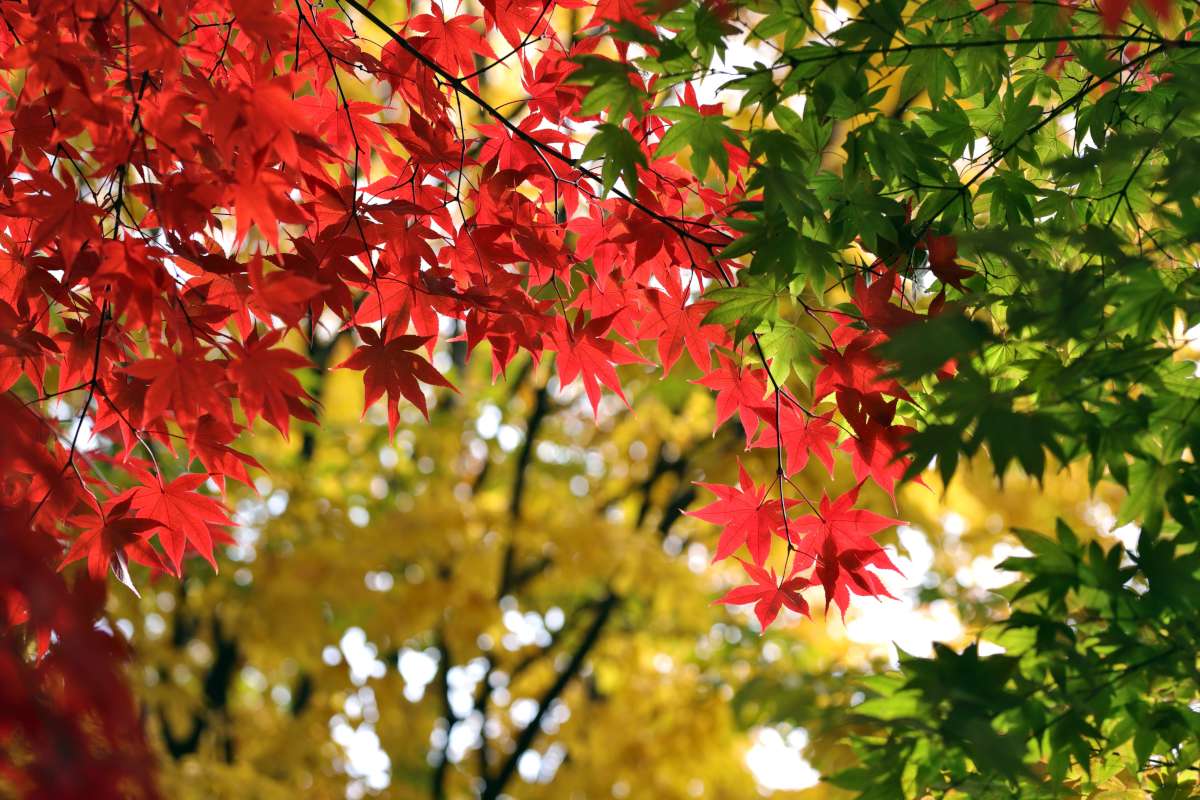
| Japanese maple (Acer) | Fiery red, or golden yellow in ‘Senkaki’ | Acidic | A short tree with many varieties differing in leaf shape and tint |
| Maidenhair tree (Ginkgo biloba) | Blond yellow | Cool soil, temperate climates | Fan-shaped leaves; a lineage genetically unchanged for over 40 million years |
| Caramel tree (Cercidiphyllum japonicum) | Gold | Neutral-to-acidic, moist soil, high air moisture | Round leaves that release a toffee-like smell as they wither |
| Burning bush (Euonymus alatus) | Bronze, bordeaux and red | Well-drained and cool soil; also chalky soil | Bright pink berries; no out-of-the-ordinary care |
| Liquidambar | Fire red | Well-drained and cool soil; also chalky soil | Maple-like leaves |
Match the soil first, then pick the tint you want to see from your window in November.
Fall is the best season for these trees: they burst into colors that range from yellow to deep violet. It’s a fabulous way to heat up chilly nights with spots of color now that flowers have become rare.
One of these autumn stunners is Parrotia persica. Its common name is “ironwood” due to how hard and durable its wood is.
The leaves of this tree are similar to those of beech and take on warm yellow, orange and red hues. It favors acidic soil, but can still grow well enough in chalky soil as long as the soil stays cool and drains well all year round.
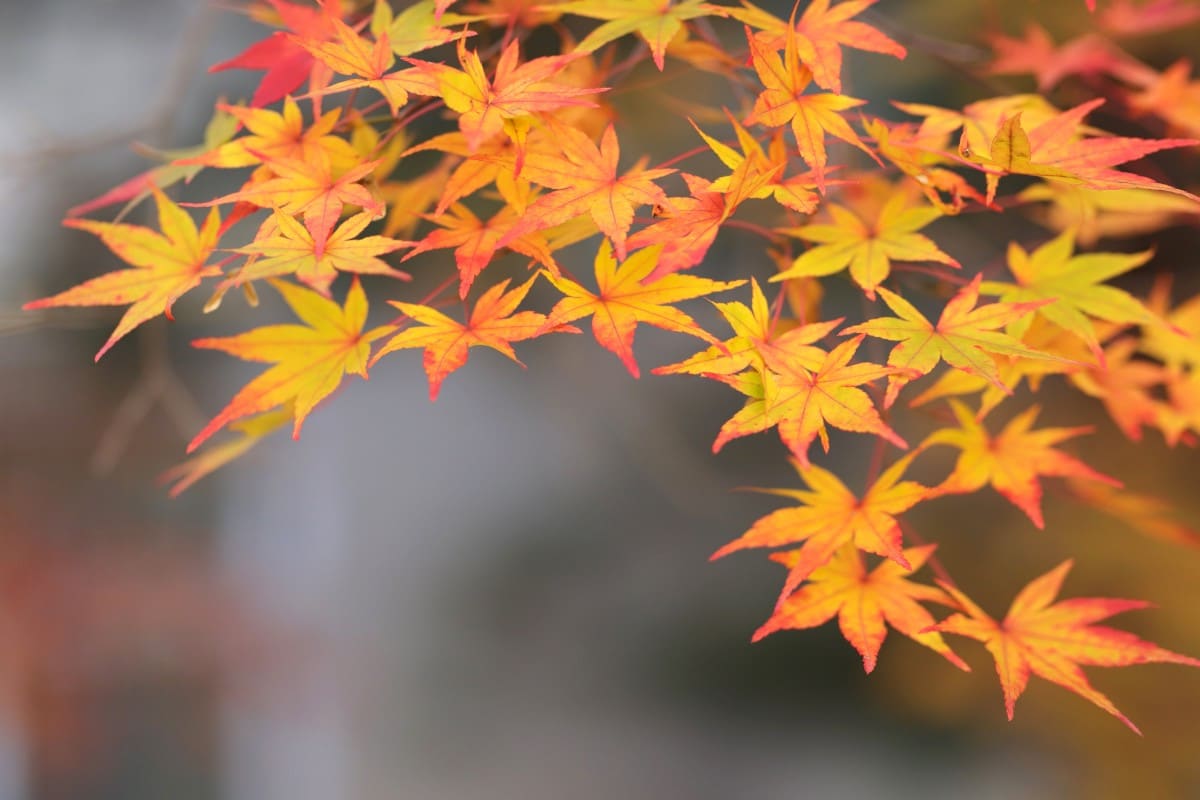
Here’s another option for acidic soil: Japanese maple! The fiery red autumn leaves is just as celebrated in its native country as the famed cherry blossoms in spring. There are a great many varieties of this short tree; what makes each unique is the shape of their leaves and the tint they take on in fall.
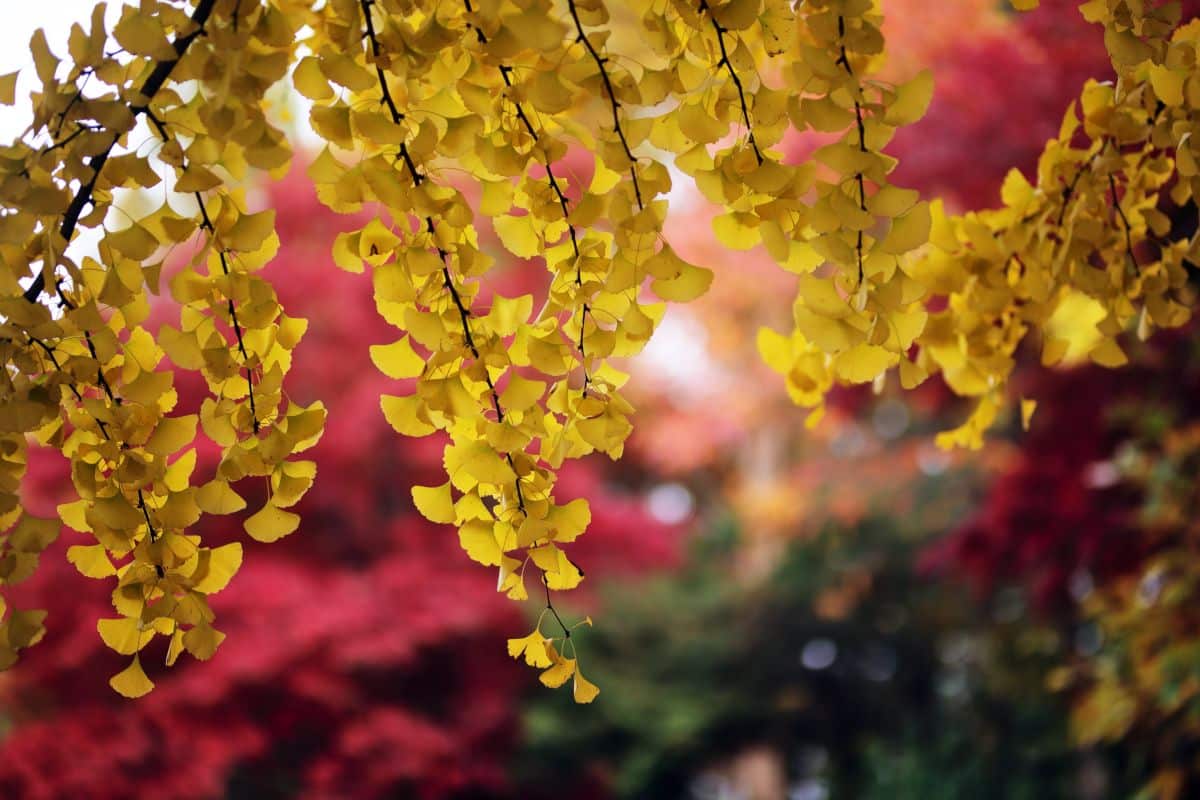
Ah, one cannot talk about trees with golden leaves without mentioning the mysterious Ginkgo biloba. Its common name as the “maidenhair tree” refers to the blond yellow color of its fall fan-shaped leaves. This is an extremely resilient tree: its lineage has been genetically unchanged for over 40 million years! It loves cool soil, and thrives in temperate climates.
Gold-colored leaves as well for the caramel tree (Cercidiphyllum japonicum) which takes its common name from the delicious toffee-like smell leaves release in fall as they wither. This round-leaved tree prefers neutral-to-acidic, moist soil, and loves it when air moisture is high, such as along the coast.
L. H.