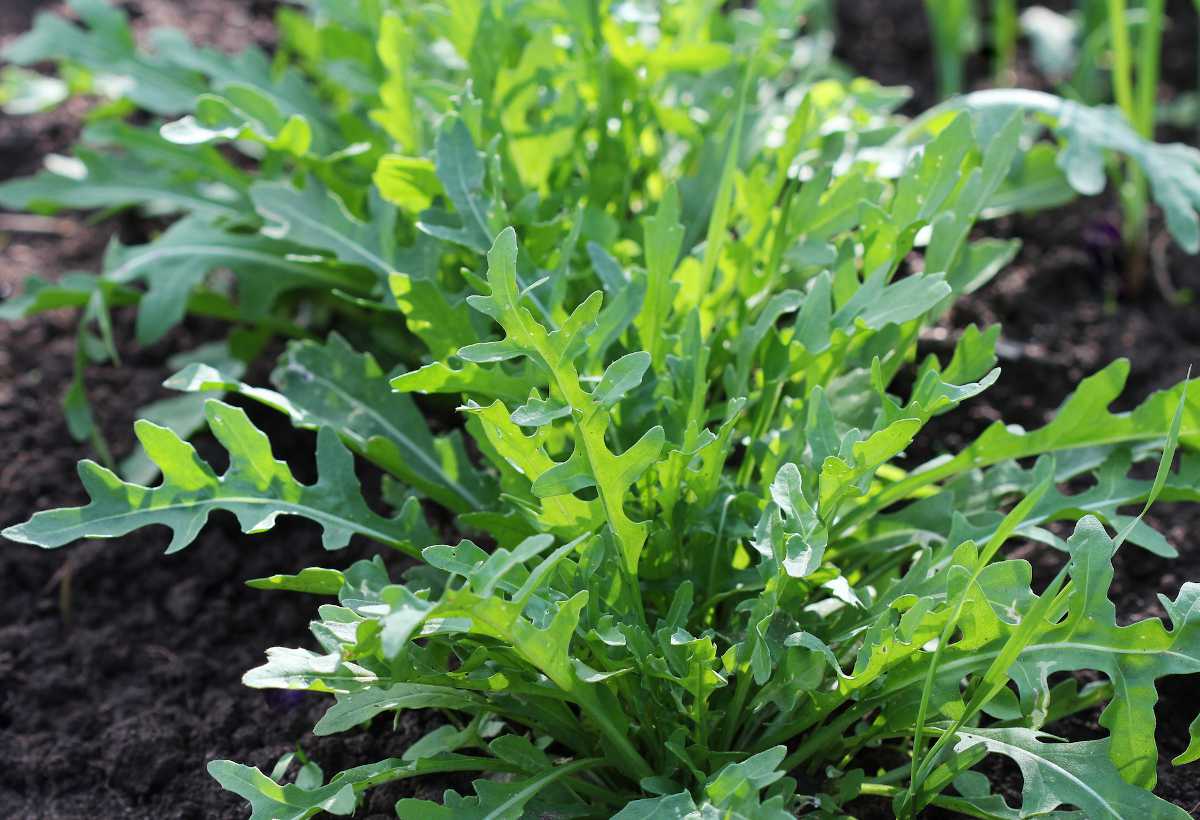
Spicy leaves ready to pick about six weeks after sowing, on plants barely 8 to 10 inches tall: arugula (Eruca sativa) is one of the quickest salad greens, adapting to almost any soil and any exposure. Water it regularly, though, because dry soil makes it bolt and turns the leaves harsh.
| Name | Eruca sativa |
|---|---|
| Family | Brassicaceae |
| Type | annual |
| Height | 8 to 10 inches (20 to 25 cm) |
| Soil | ordinary |
| Exposure | full sun, part sun, shade |
| Harvest | 2 months after sowing |
Care, from growing to harvesting, is easy and the result is deliciously savory.
Arugula can be sown twice in the year, from Mid-spring to late summer for a harvest from early summer to late autumn and in Early autumn-mid-autumn for a harvest in spring.
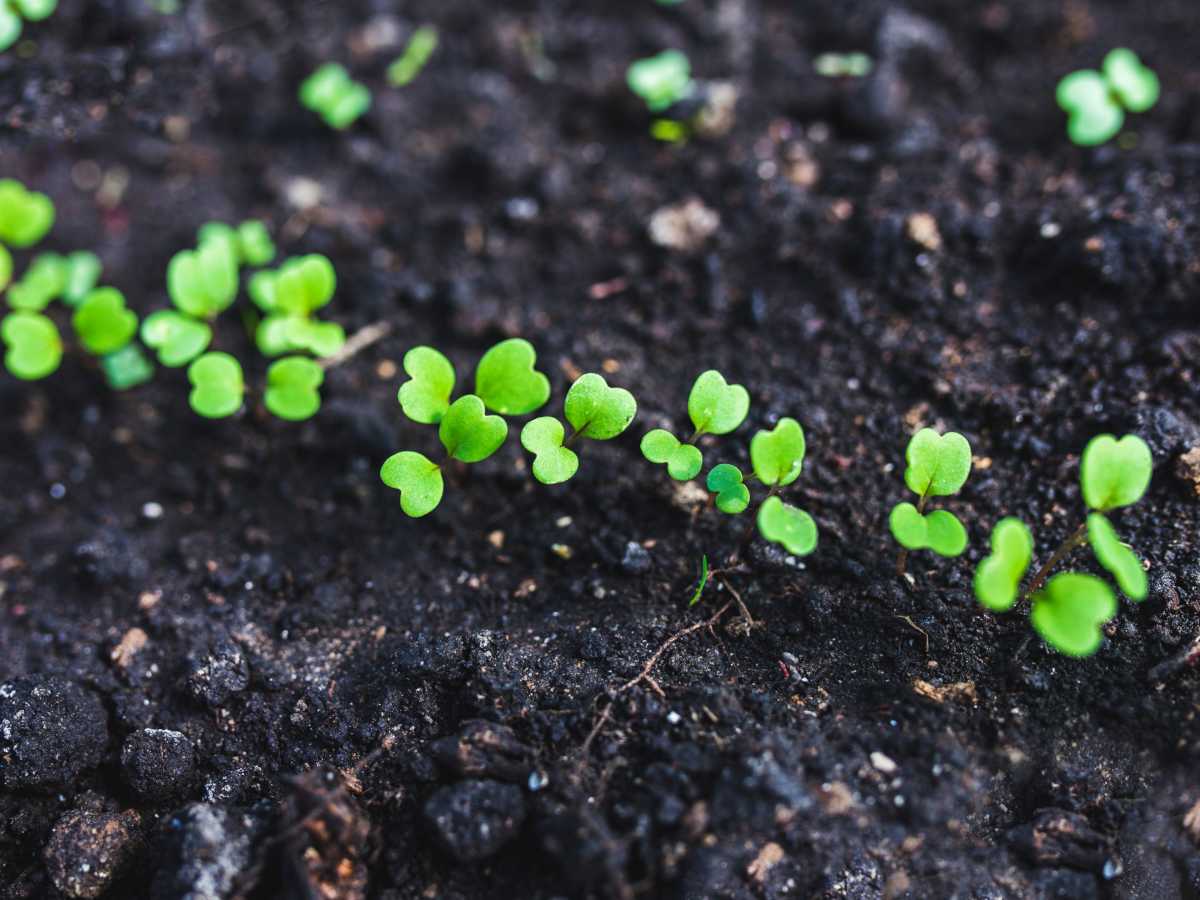
Direct sowing is the method to use for sowing from Mid-spring until the end of summer.
Smart gardeners stage the sowing to extend the harvest as long as possible. Certain varieties resist cold weather well.
When the plants have grown a couple leaves, thin and remove the weakest plants. Normally you’d only keep one sprout every 2 to 4 inches (5 to 10 cm). Sprouting usually occurs about ten days after sowing, and thinning can be done immediately when first true leaves appear.
Good to know: sprinkle the seedlings you’ve pulled out on tossed salads or as a side. They’re very nutritious micro-greens!
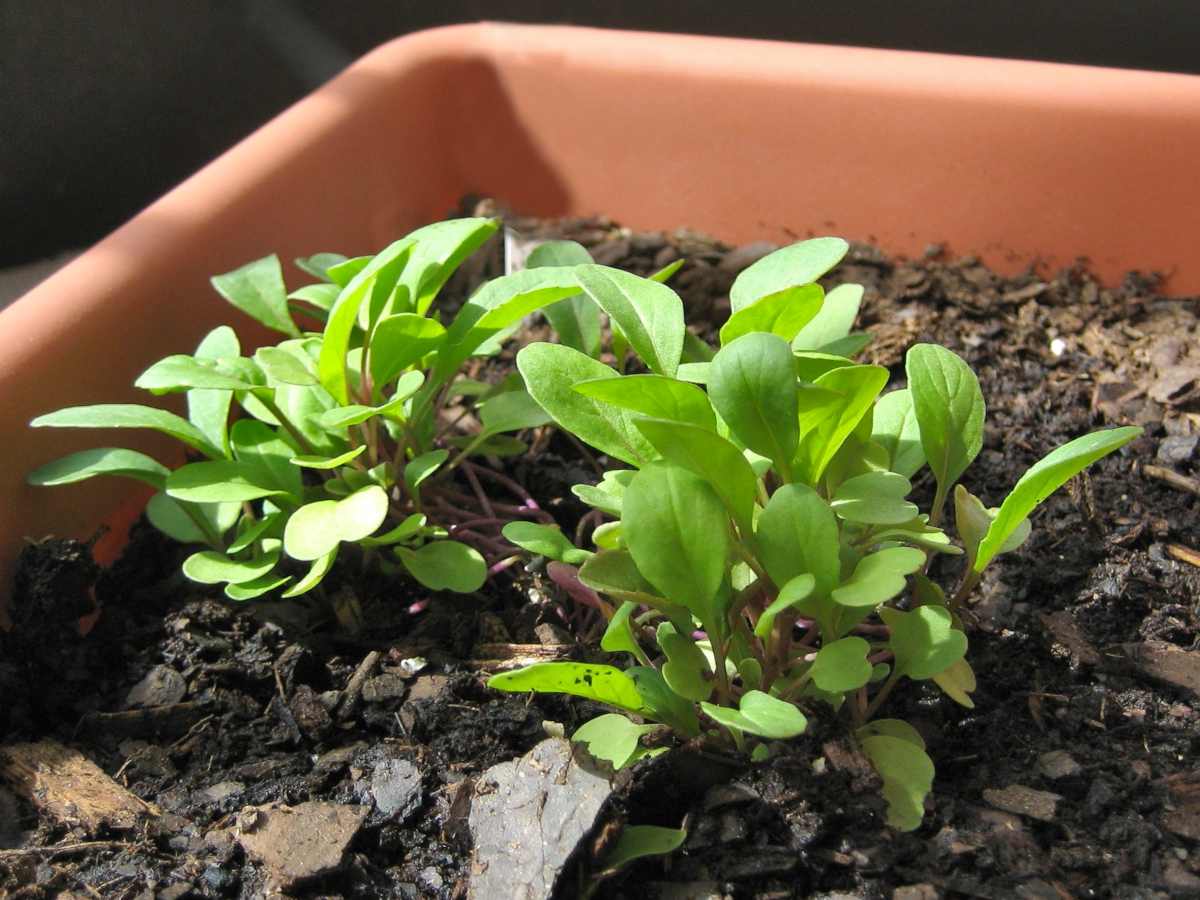
Growing arugula in a pot is perfectly possible. Simply make sure of the following:
Arugula can be sown at two main moments of the year, and a late sowing under cover stretches the picking still further. Here is what each window gives you.
| Sowing period | Sowing method | Harvest | Point to watch |
|---|---|---|---|
| Mid-spring to late summer | Direct sowing, rows 8 to 10 inches apart | Early summer to late autumn | Stage the sowings to extend the picking |
| Early autumn-mid-autumn | Direct sowing before the cold sets in | Spring | Certain varieties resist cold weather well |
| Late sowing under cold frames | Direct sowing, protected | All winter long | Needs a very mild fall and frames in place |
| Height of summer | Best avoided where heat is expected | Very short, poor quality | Plants run to seed in hot weather |
Splitting the seed packet across several dates is the simplest way to keep leaves coming from early summer right through to the frosts.
The epitome of the easy plant to care for, arugula doesn’t require any care other than watering regularly if it doesn’t rain.
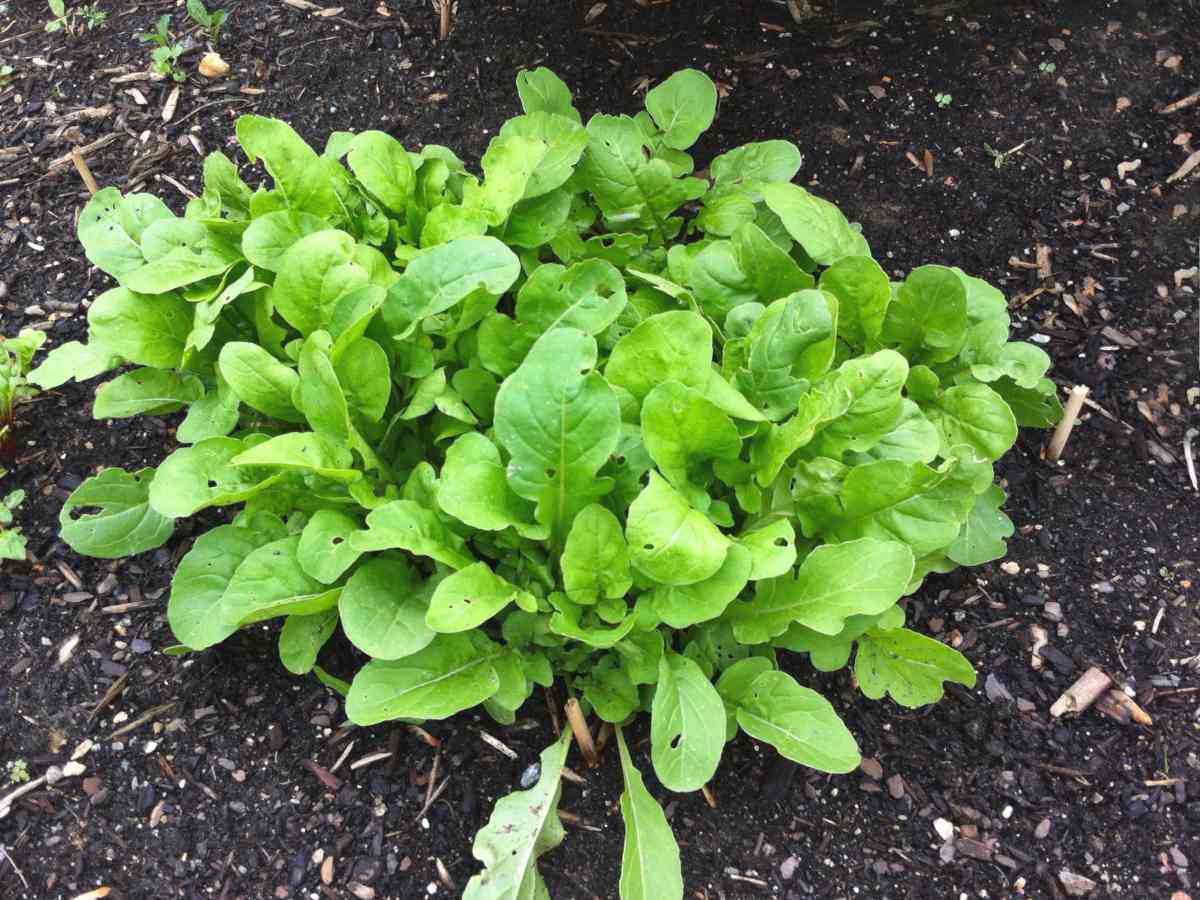
Lack of water will indeed trigger bolting, which makes the leaves more spicy or bitter.
As for pests, you might come across large white, which is a butterfly that lays eggs on most types of cabbage and soft-leaved plants.
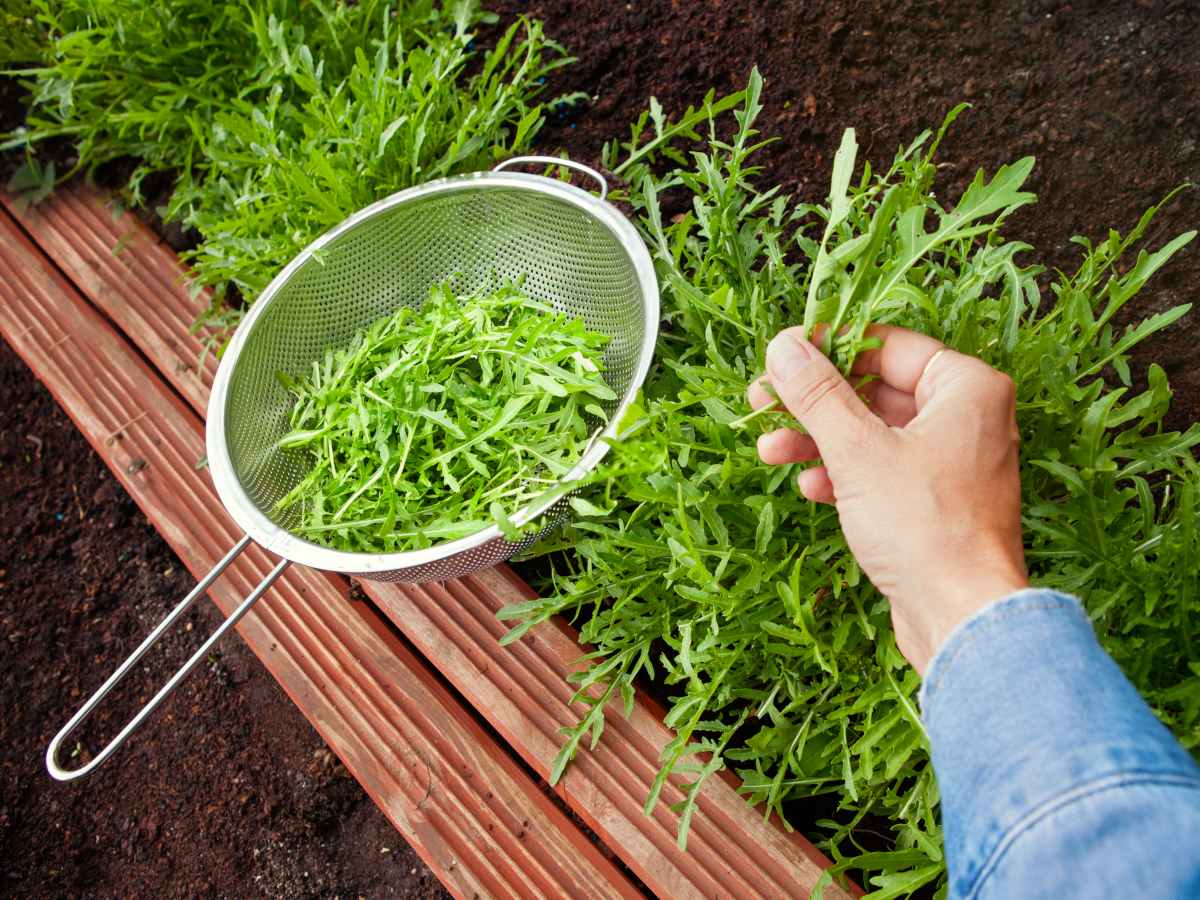
You can collect your first leaves about 6 weeks after sowing, in spring or in fall.
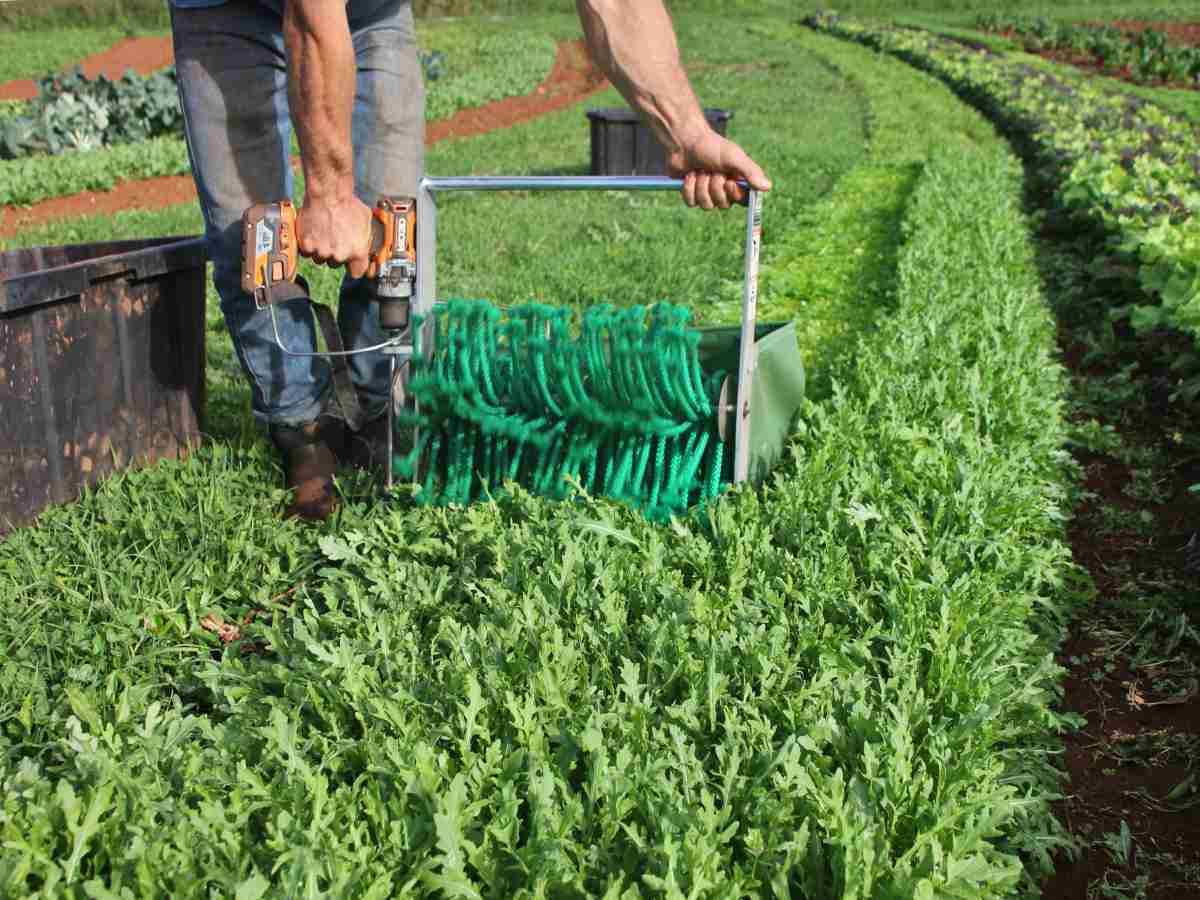
Break off leaves according to your needs, snipping them off at the collar.
Note that arugula can be sown quite late. If fall is very mild and if you’ve got cold frames in place, you can actually harvest it all winter long.
Producers have nifty harvesting devices that make it much faster to harvest larger quantities.
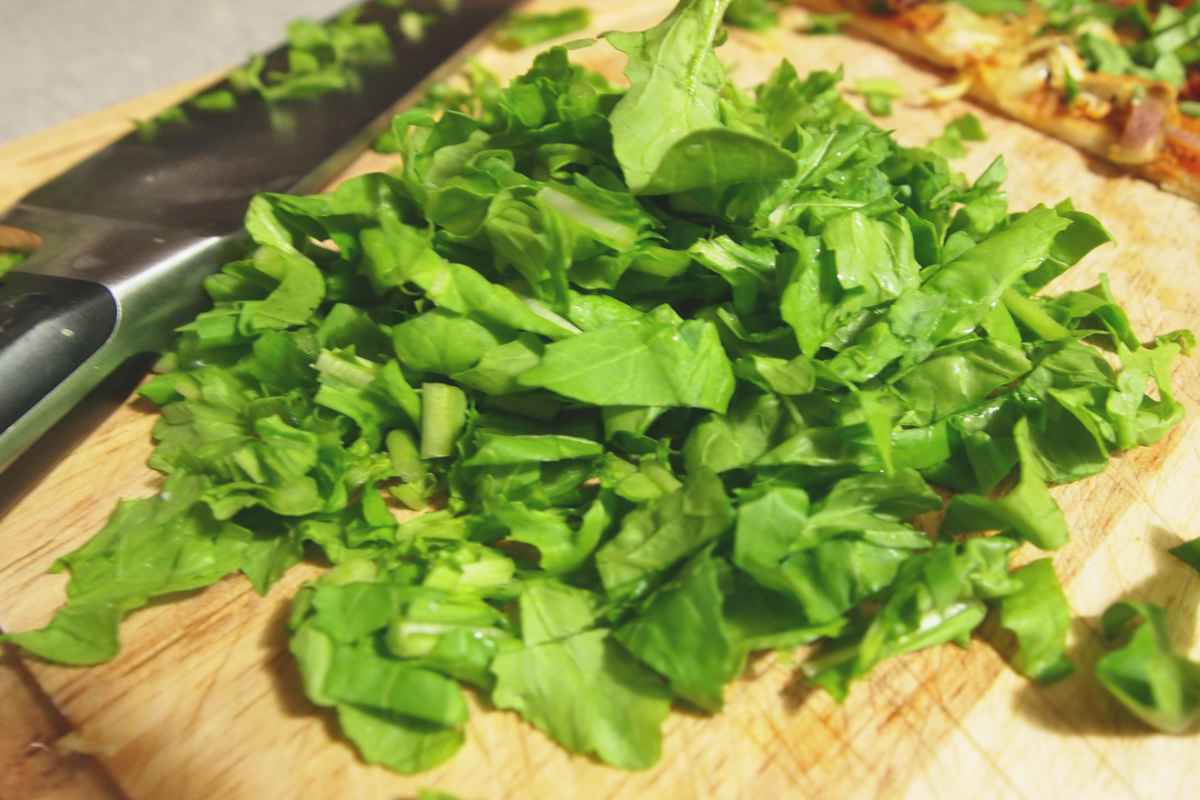
Growing arugula is very easy because it adapts to almost any type of soil and exposures.
Arugula is part of the same family as other famous vegetables like cabbage and broccoli.
Reputed for its spicy taste, arugula also has a high nutritious value.
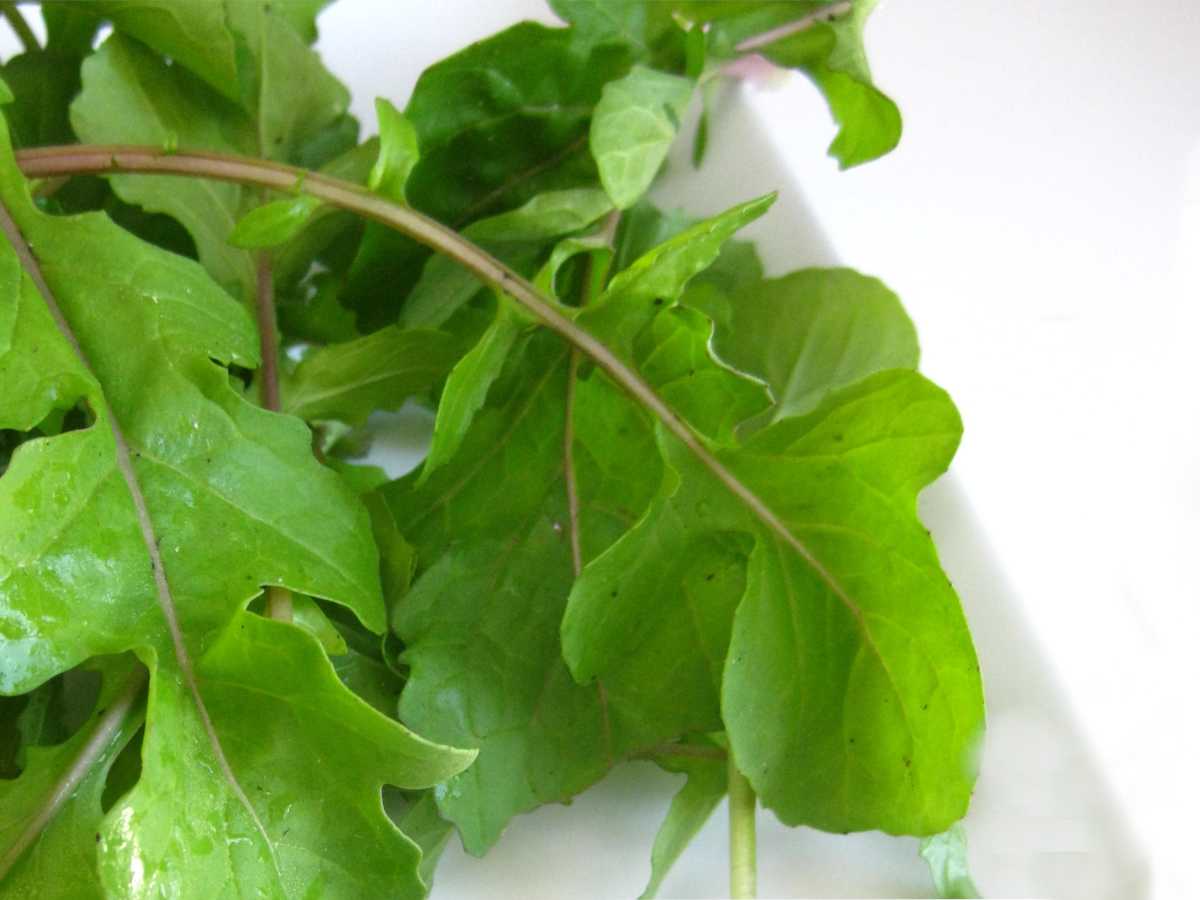
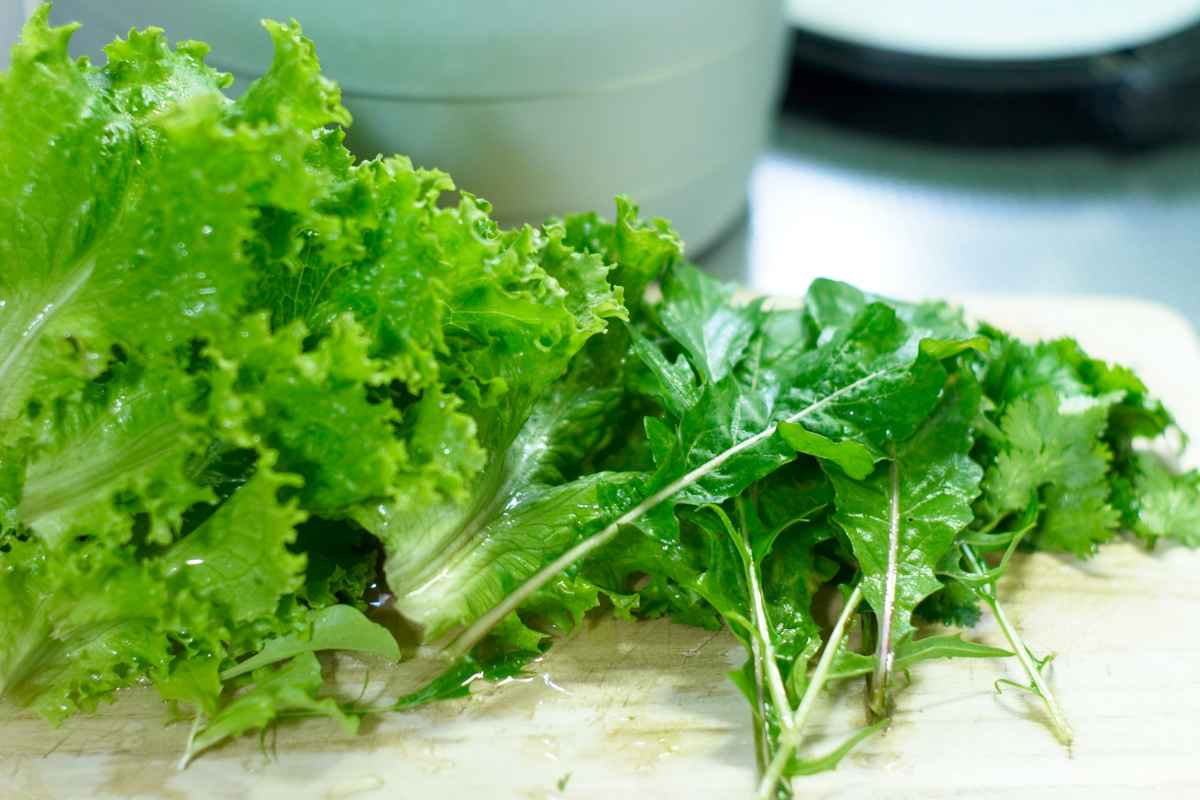
Arugula is often paired to lettuce to spice it up a bit, or is simply eaten raw together with a fresh tomato, cherry tomatoes and sliced cucumber and bell pepper which will soften its taste a bit.
Lastly, note that arugula has high antioxidant powers, and thus protects your body from ageing and from certain diseases such as cancer.
When harvesting, don’t pull out the entire plant, simply snip off as many leaves as you need. The plant will keep growing and will send out new shoots, which you can then harvest again and again for a long time.