Cauliflower, everything there is to know about growing it
·
0
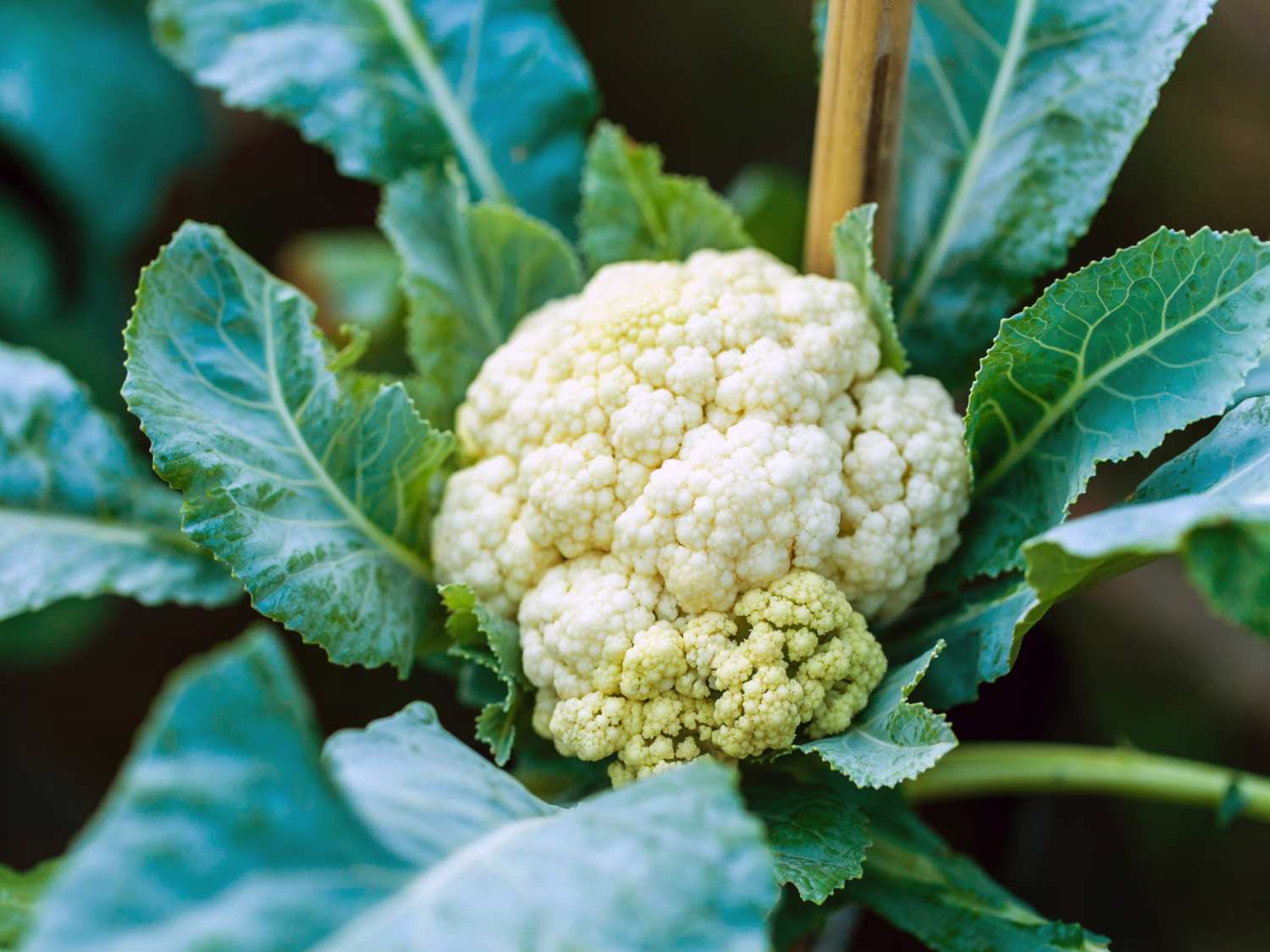
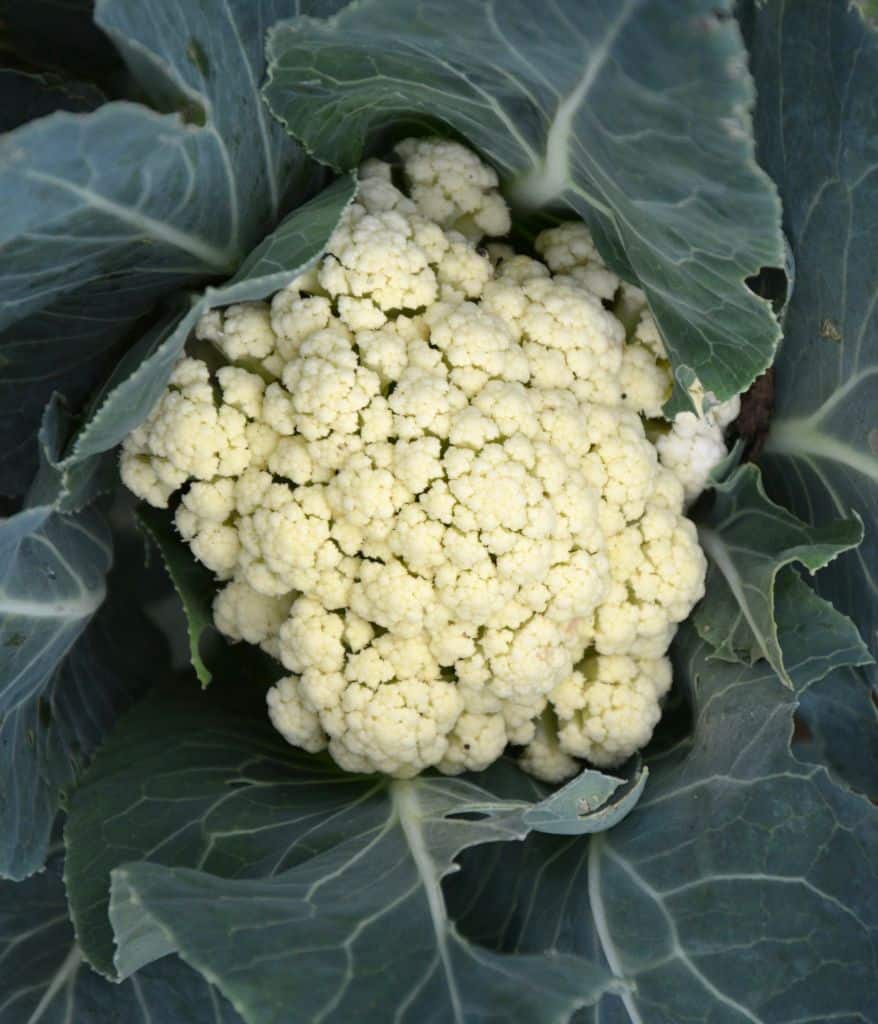
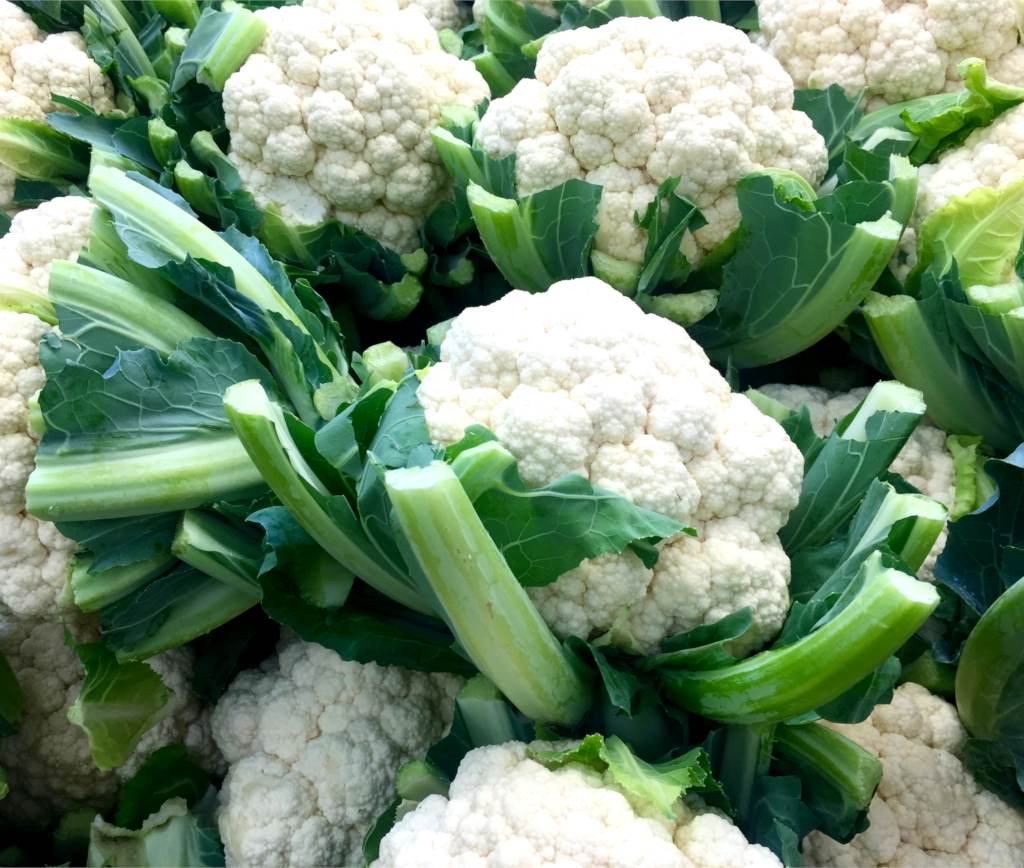
Behind broad leaves that need two to three feet of room apiece, cauliflower (Brassica botrytis) swells a single firm head, low in calories and high in fibre, calcium and magnesium. It asks for cool, deep, moist, rich soil and steady watering; meet that and heads can be cut almost all year round.
Cauliflower at a glance
Name
Brassica botrytis
Family
Brassicaceae
Type
biennial vegetable
Exposure
full sun
Soil
cool, deep, moist and rich
Harvest
Early summer to late autumn
Special care, from sowing and planting up to harvest, will help you get magnificent cabbage.
Cauliflower comes in different varieties. Each requires specific growing conditions and planting times.
Sowing cauliflower
Growing from seed takes much longer, since it needs nearly 7 months from sowing to harvest.
Sow under shelter in early spring and mid-spring for autumn heads
Sow in Early spring and mid-spring in a sheltered place to harvest in fall.
It’s also possible to start sowing as early as late winter in a heated shelter.
Sow from Late spring to midsummer directly in the ground to harvest in winter, but protect your cauliflower plants from late autumn onwards.
Planting cauliflower purchased in nursery pots
The ideal time to plant is just after the last frost spells, towards late spring. However, you can keep sowing or planting new ones all the way up to early autumn. This will enable you to harvest during winter, too.
Plant your cauliflower in good garden soil, preferably enriched with nitrogen-rich manure.
Spacing for cauliflower seedlings
Space plants at least 24 to 32 inches (60 to 80 cm) apart.
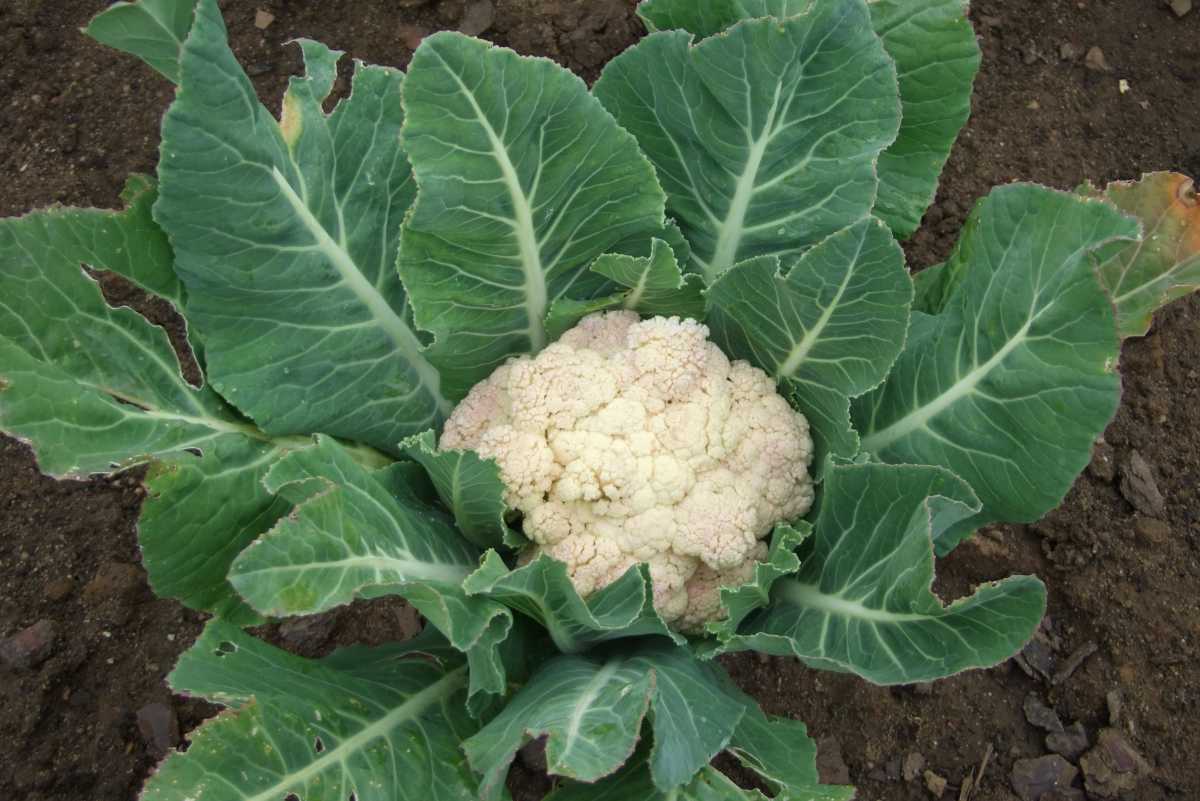
Wide spacing lets the large leaves unfurl freely
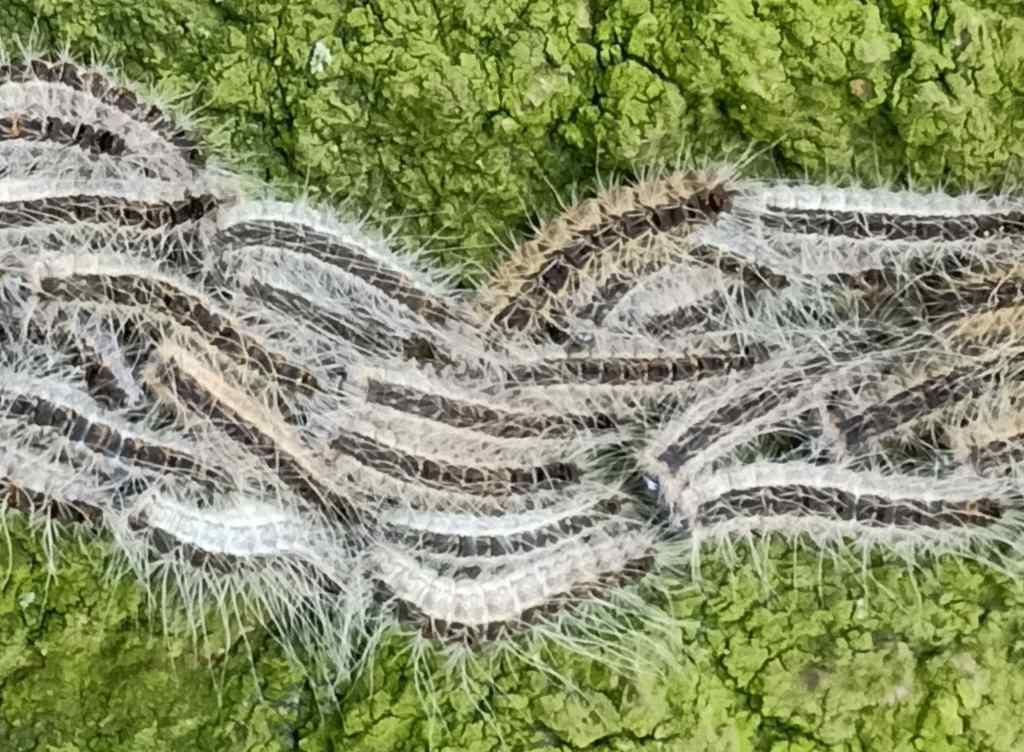
This planting distance of at least two to three feet gives the plant the space it needs to unfurl its large leaves. Moreover, it’s important not to crowd plants together, or you’ll increase the risk of getting overrun with the cabbage moth caterpillar.
Indeed, touching leaves let caterpillars travel easily from one plant to the next.
You have to be able to circle around each plant to check for its eggs to remove them.
Sowing and planting times, and when they crop
Cauliflower can be started at several points in the year, and each start decides when the heads are ready. Use the table to pick the slot that matches the season you want to harvest in.
Sowing and planting times, and when they crop
When to start
Where
Harvest
Late winter
Under a heated shelter
Earliest crop of the year
Early spring and mid-spring
Sown in a sheltered place
Autumn
Late spring to midsummer
Sown directly in the ground
Winter, with protection from late autumn
Late spring to early autumn
Nursery-grown plants set outdoors
About 3 months after planting
Staggering the starts is what makes heads available practically all year round.
After sowing, how to care for cauliflower
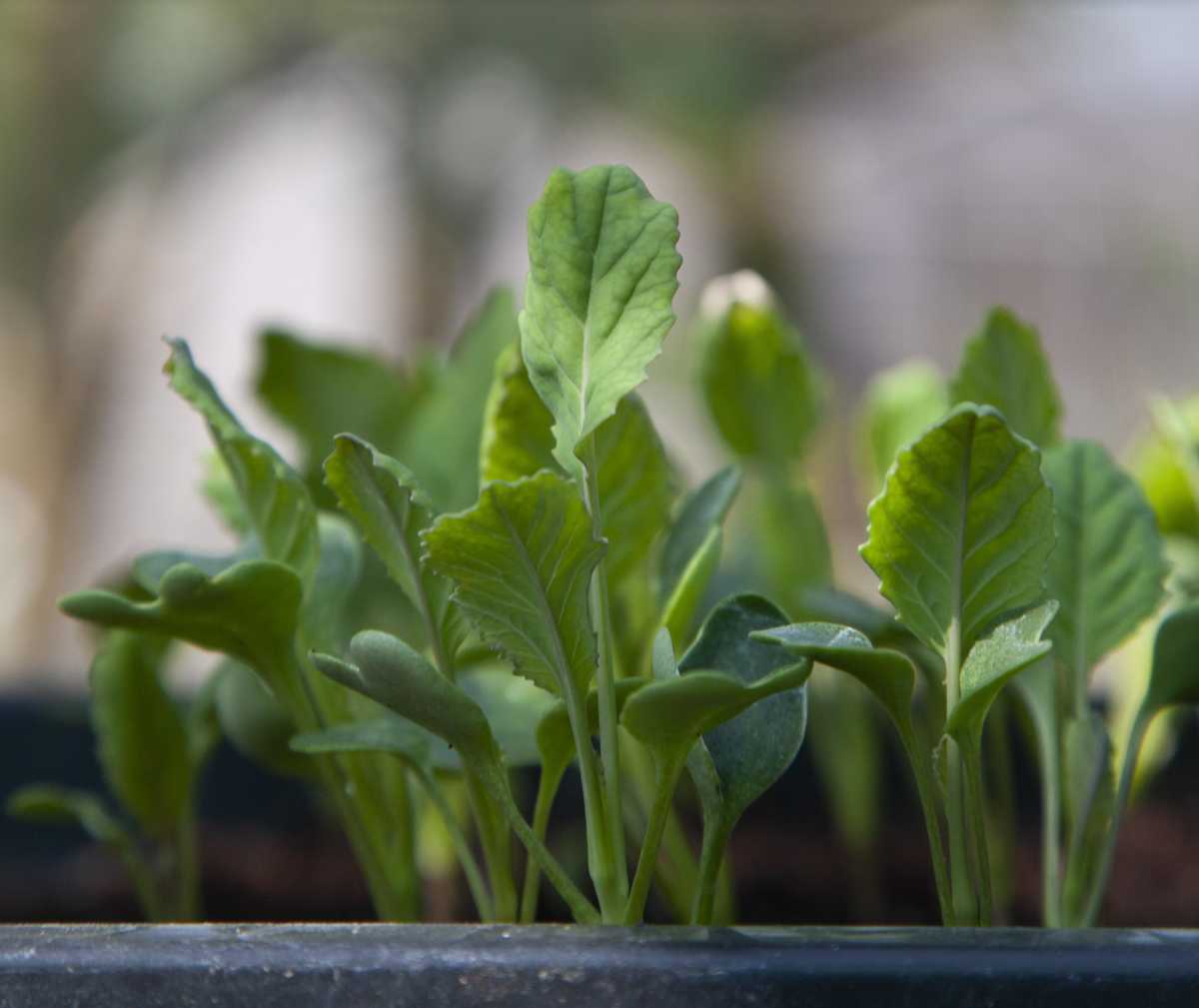
Transplant once seedlings carry three to four leaves
As soon as seedlings have sprouted at least 3 to 4 leaves, transplant them to their target location. Protect the seedlings if you need to plant them before late spring.
Space plants 16 inches (40 cm) apart when transplanting.
This space is needed to give the plants room to grow.
Provide your seedlings with extra nutrients. Fertilizer, manure and seaweed-based compost are excellent. This boosts growth and will greatly increase the harvest!