Home » Health » Herbal teas from the garden: six plants to grow for your own tea cupboard
Herbal teas from the garden: six plants to grow for your own tea cupboard
·
0
Six plants already growing in most gardens — elder, meadowsweet, blackberry, thyme, rosemary, bay and nettle — make the simplest herbal teas there are. This page tells you which part to pick, in what season, how to brew it, what it tastes like, and what tradition credits each one with. Useful if you want a home tea cupboard rather than a shop-bought box.
Your garden tea cupboard at a glance
The six tea plants of this page: identity card
Item
Detail
Botanical names
Sambucus nigra (elder), Filipendula ulmaria (meadowsweet), Rubus fruticosus (blackberry), Thymus vulgaris (thyme), Salvia rosmarinus (rosemary), Laurus nobilis (bay), Urtica dioica (nettle)
Flowers (elder, meadowsweet), flowering tops and leaves (meadowsweet), leaves and flower buds (blackberry), leafy sprigs (thyme, rosemary), dried leaves (bay), young leaves and tops (nettle)
Forms of use
Infusion, decoction, cold maceration, gargle, thermos flask for the day
Harvest season
Late spring to early summer (elderflower), midsummer (meadowsweet), late spring to late summer (blackberry leaf), late spring just before flowering (thyme, rosemary), all year (bay), early to mid-spring for the tenderest nettle tops
Taste
Elderflower honeyed and muscat-like; meadowsweet sweet and almond-ish; blackberry leaf tannic and tea-like; thyme and rosemary warm, resinous, faintly peppery; bay clean and camphorous; nettle green, mineral, a little like spinach water
What it is credited with
Elder flower — in European folk medicine it is the classic hot “sweating” infusion, drunk under a quilt at the first chill of a cold season. Sophie Lacoste, author of Mon cahier de tisanes, describes it as the tea that “makes germs flee”.
Onion, cold-macerated — a very old kitchen remedy, traditionally drunk through the day for a stuffy nose, throat and ears.
Meadowsweet — herbalists have long reached for the flowering tops for aches, stiffness and the general soreness of a chill.
Blackberry leaf and flower bud — traditional French herbalism used a strong, tannic infusion as a mouthwash and gargle. Dr Claudine Luu, author of 250 Remèdes naturels à faire soi-même, suggests infusing a few flower buds and sipping slowly to soothe a scratchy throat.
Thyme and rosemary — credited in Mediterranean tradition with clearing the head and chest during the cold months; thyme also has a long reputation as a gargle.
Bay laurel — naturopathy credits the decoction with easing a heavy, bloated stomach after a rich meal, by encouraging the flow of digestive juices.
Nettle — a remineralising spring tonic in herbal tradition, taken for tiredness and for aching backs and joints.
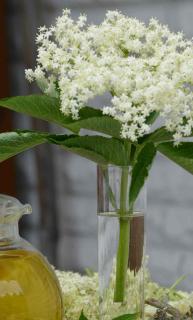
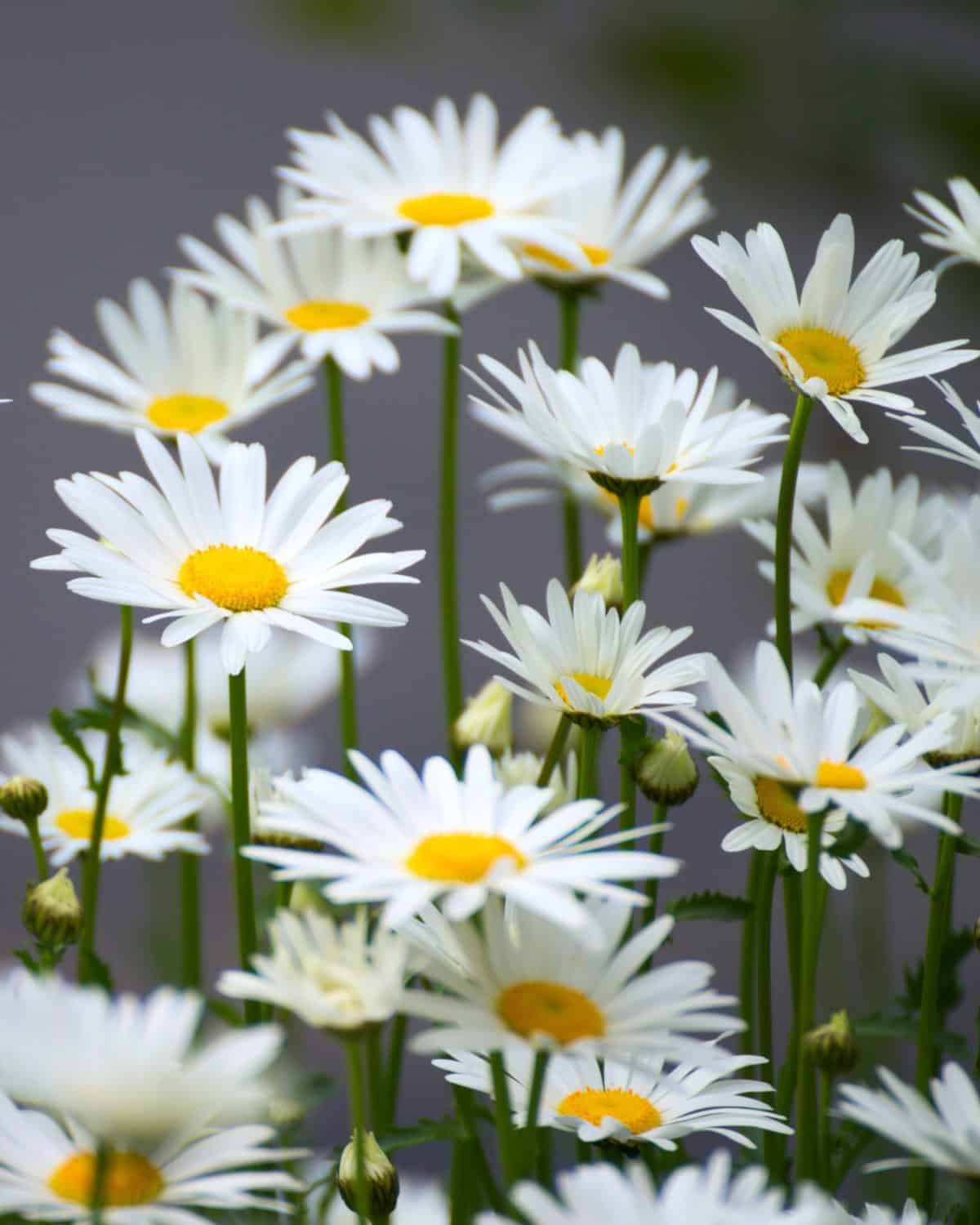
Elder flowers, picked in late spring for a hot sweating infusion
How to use it
The three methods, in one minute
Infusion — pour hot water over flowers or leaves, cover, steep about 10 minutes, strain. For delicate flowers, let the kettle stand a minute so the water is hot but not boiling.
Decoction — put the plant in cold water, bring to a simmer, hold it there a few minutes, then let it stand off the heat. For tough material: bay leaves, nettle leaves, roots.
Maceration — steep in cold water overnight and strain in the morning. Used for onion.
Plant by plant
Elder flower — a tablespoon of dried flowers in a large cup of just-boiled water, covered, 10 minutes. Strain, drink hot, then get under a blanket. Tastes of muscat grapes; a little honey suits it.
Onion maceration — dice two onions, cover with half a litre of cold water, leave overnight, strain. Traditionally drunk in three goes across the day: mid-morning, afternoon, bedtime. Sharp and frankly oniony — dilute it if you must.
Meadowsweet — a tablespoon of fresh flowering tips and leaves in a cup of hot, not boiling, water, 10 minutes, covered. Boiling water drives off the aroma. Naturally sweet, so no sugar needed.
Blackberry leaf — a generous small handful of leaves in a litre of boiling water, steeped a good quarter of an hour, strained. Drink a cup before meals, or use it lukewarm as a gargle. Astringent and drying, much like black tea.
Thyme and rosemary — a pinch of each in a mug, cover with boiling water, 10 minutes, keep the lid on so the aromatics stay in. Thyme alone: a small handful of sprigs per litre, one or two cups in a day.
Bay laurel — a decoction of three dried leaves in a cup of water, simmered briefly, taken after a heavy meal. Always strain the leaves out.
Nettle — chop young leaves, simmer as a decoction, strain; traditionally drunk over a short course of a few weeks rather than as a one-off. Meadowsweet blends well with it.
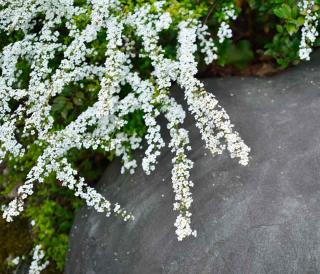
Pick flowers in dry morning weather, at full bloom
Which part, which method, which reputation
Plant
Part and method
Traditionally used for
Elder
Dried flowers, infusion 10 min
Hot drink at the first chill, to encourage sweating
Meadowsweet
Fresh flowering tops, infusion in hot not boiling water
Aches and stiffness
Blackberry
Leaves and flower buds, strong infusion
Gargle and mouthwash for a rough throat
Thyme and rosemary
Leafy sprigs, covered infusion
Cold-season comfort, clearing the head
Bay laurel
Dried leaves, decoction
Heavy, bloated stomach after eating
Nettle
Young leaves, decoction over a short course
Tiredness, aching back and joints
Onion
Diced raw, cold maceration overnight
Stuffy nose, throat and ears
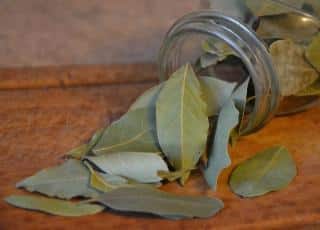
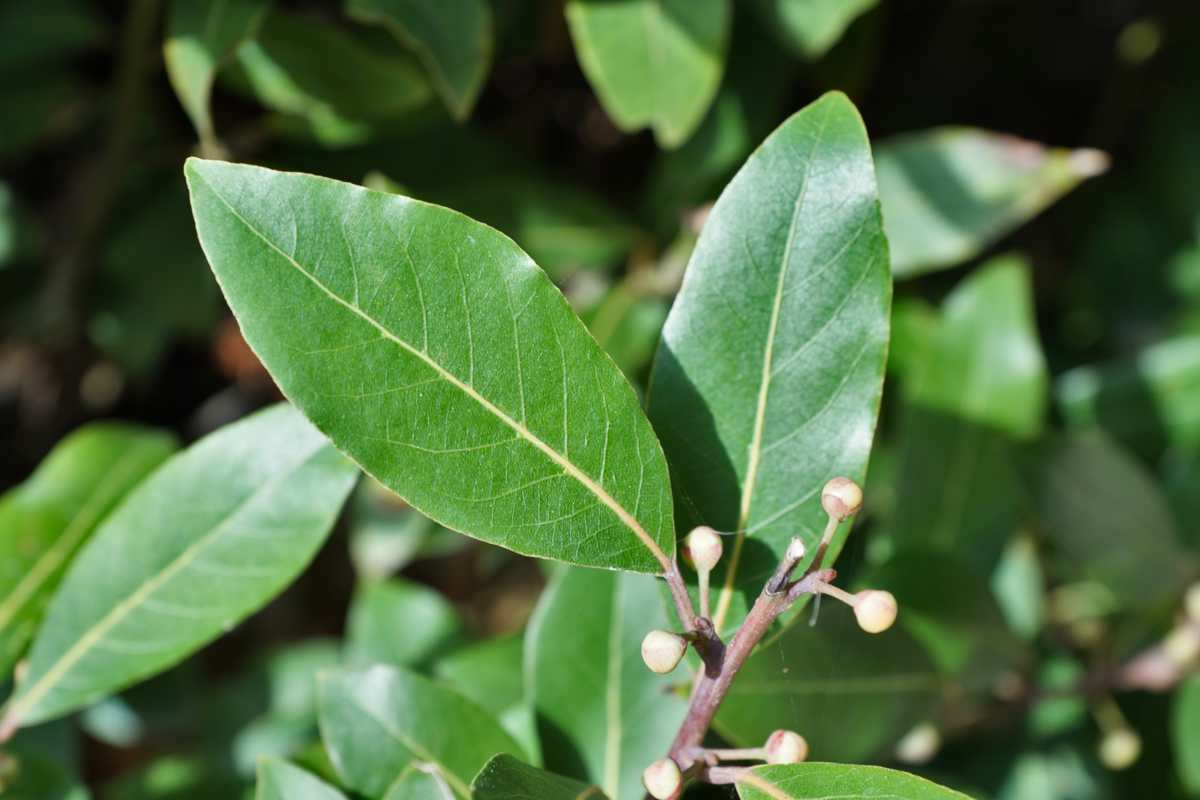
Dried bay leaves keep a year in an airtight jarNettle, the mineral-rich spring tonic of herbal tradition
The one thing to remember: pick one plant, brew it properly — flowers and leaves infused ten minutes under a lid, tough leaves simmered as a decoction — and keep the day’s brew in a flask.
What is the difference between an infusion and a decoction?
An infusion means pouring hot water over flowers or soft leaves, covering the cup and steeping around ten minutes. A decoction means putting the plant into cold water and simmering it, which is what tough material like bay or nettle leaves needs. Maceration is the third method: cold water, overnight, as with diced onion.
Should I use fresh or dried plants?
Both work. Fresh flowering tops are the traditional choice for meadowsweet, while elder flowers and bay leaves are used dried. Dry your harvest flat, in the shade and in the air, then jar it airtight away from light and use it within the year.
How many cups a day is reasonable?
Tradition tends to say one or two cups a day for the aromatic herbs, and a short course of a few weeks rather than a permanent habit for nettle. Do not pile several plants on top of each other, and if you take any medication, ask a healthcare professional first.
Can I drink these teas while pregnant?
Treat these plants as kitchen seasonings during pregnancy and breastfeeding, not as herbal courses. Meadowsweet in particular is best avoided, as it contains natural salicylates. Check with a midwife or doctor before drinking any of them regularly.
Which one should I start with?
Bay is the easiest: three dried leaves simmered in a cup of water, strained, sipped after a heavy meal — a decoction traditionally taken to avoid bloating. Elder flower comes next, infused ten minutes and drunk hot at the first chill of the cold season.
Claire Lelong-Lehoang
This information is provided for general interest and reflects the traditional use of plants. It is not a substitute for medical advice. If you are on medication, pregnant, or in any doubt, ask a healthcare professional.
Written by Gaspard Lorthiois | Loves helping out, especially when it comes to growing things. Worked in herbal medicine, runs a farm, and dabbles in tech. Master's degree and engineer.