Home » Health » Five Winter Standbys: Royal Jelly, Honey, Ginger, Garlic and Eucalyptus
Five Winter Standbys: Royal Jelly, Honey, Ginger, Garlic and Eucalyptus
·
0
Cold weather brings sniffles, scratchy throats and blocked noses, and most households already own the makings of the old comfort routines. This page gathers five kitchen-and-hive classics — royal jelly, honey, ginger, garlic and eucalyptus — with what tradition credits them with, how to prepare each one tonight, what it tastes like, and who should leave it alone.
The five winter standbys at a glance
Item
Detail
Botanical names
Zingiber officinale (ginger), Allium sativum (garlic), Eucalyptus globulus (eucalyptus); honey and royal jelly come from Apis mellifera
Families
Zingiberaceae, Amaryllidaceae, Myrtaceae — plus two hive products
Parts used
Rhizome, bulb cloves, leaves; fresh royal jelly; raw honey
Forms of use
Infusion, decoction, syrup, steam inhalation, warm milk infusion, spoonful under the tongue
Harvest season
Garlic in midsummer, cured for winter; ginger from late autumn; eucalyptus leaves all year; royal jelly and honey from late spring to late summer
Taste
Honey sweet and floral; royal jelly sharp and sour; ginger hot and citrusy; garlic pungent; eucalyptus camphorous and cooling
What they are credited with
Royal jelly — naturopathy treats it as a tonic for tired, run-down periods and credits it with supporting general vitality when the cold sets in.
Propolis and ginseng — herbal practice often pairs one or the other with royal jelly in the same autumn-and-winter tonic course.
Honey — a folk remedy of long standing for a tickly or scratchy throat; herbalists reach for it to coat and soothe irritation, and it is the traditional base for cough syrups, wet or dry.
Ginger — in traditional Chinese medicine, ginger rhizome infusions were given for sore throats and coughs; herbalism also has a long reputation for ginger easing queasiness and warming cold hands and feet.
Garlic — European kitchen tradition credits a clove in warm milk with easing the miserable stage of a winter chill, and daily garlic in cooking with keeping you robust through the cold months.
Eucalyptus — a time-tested inhalation plant, traditionally used for a stuffy nose and a heavy head.
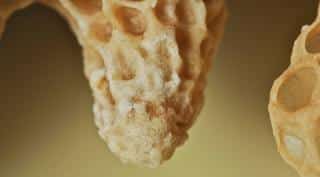
Royal jelly, the hive’s tonic for run-down winter weeks
How to use it
Royal jelly, first thing in the morning
Take fresh royal jelly straight from the jar, a pea-sized amount on the tip of a clean spoon.
Place it under the tongue, let it dissolve slowly, on an empty stomach before breakfast.
Taste: sour, sharp, faintly peppery. A drop of honey on the spoon makes it easier.
Tradition uses it as a short course of a few weeks at the start of the cold season, not as a year-round habit.
Keep the jar in the fridge and use a dry spoon each time.
Honey, for a scratchy throat
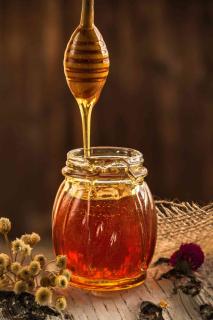
A teaspoon of raw honey, taken slowly off the spoon so it coats the throat, is the simplest form.
Or stir it into a mug of warm — never boiling — water with a squeeze of lemon, sipped in the evening.
Thyme honey and eucalyptus honey are the traditional choices for winter; both taste resinous rather than sugary.
Add it to herbal infusions once they have cooled below drinking-hot.
A spoonful taken slowly coats the throat best
Ginger infusion or decoction
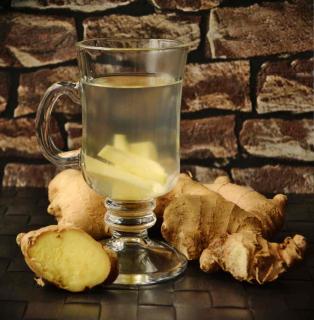
Infusion: peel and slice a thumb-tip of fresh rhizome thinly, pour a mug of just-boiled water over it, cover, steep 10 minutes.
Decoction, stronger: simmer the same slices in a small pan of water for 10 to 15 minutes, lid on.
Strain, let it cool a little, then sweeten with honey. Two mugs a day is the usual traditional rhythm, with food.
Taste: hot at the back of the throat, lemony if you add a strip of lemon peel.
Keep the amount modest — too much ginger makes for burning and indigestion.
Thin slices, ten minutes covered, honey after cooling
Garlic in warm milk, and garlic on the plate
Crush one or two cloves, drop them into a cup of milk (dairy or plant), warm gently without boiling, leave to infuse 5 minutes off the heat.
Strain, sweeten with honey, drink in the evening. It sounds unappealing and tastes savoury-sweet — the honey does the heavy lifting.
Easier route: add a crushed clove to soups, roast vegetables and dressings whenever the recipe allows, all winter long.
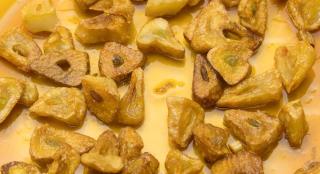
Crush or chop the clove and let it stand a couple of minutes before it meets heat — that pause is what develops the aroma.
Cloves crushed and rested before cooking release most aroma
Eucalyptus steam inhalation
Pour just-boiled water into a bowl, add two or three drops of eucalyptus essential oil — no more.
Lean over the bowl, towel over the head, eyes closed, and breathe the vapour through the nose for 5 to 10 minutes.
Dried leaves work too: a good handful simmered in a pan, then inhaled the same way.
Do it before bed, then stay in a warm room rather than stepping straight outside.
Taste and smell: sharply camphorous, cooling in the nostrils.
Two or three drops in hot water, never more
Forms of use compared
Form
How it is prepared
Traditionally reached for
Spoonful under the tongue (royal jelly)
Pea-sized amount, empty stomach, dissolved slowly
As a tonic in run-down cold-season weeks
Neat or in warm water (honey)
A teaspoon off the spoon, or stirred into warm water and lemon
To coat and soothe a scratchy throat
Infusion / decoction (ginger)
Sliced rhizome steeped 10 min, or simmered 10–15 min
Warming drink for sore throats in Chinese tradition
Warm milk infusion (garlic)
One or two crushed cloves steeped 5 min off the heat
The old evening remedy for a winter chill
Steam inhalation (eucalyptus)
2–3 drops of essential oil, or leaves simmered, breathed under a towel
Stuffy nose and heavy head
Frequently Asked Questions
The one thing to remember: pick one form, prepare it properly — a ginger decoction of 10 to 15 minutes, a honey spoonful taken slowly, a two-drop eucalyptus steam — and keep the cautions in view.
Can I give honey to my toddler for a cough?
Not under one year old — honey is not recommended for babies and very young children. Older children can have a small spoonful, but check with a pharmacist or doctor first if they are unwell or on any medication. For infants, ask a healthcare professional instead of using a home remedy.
How much ginger is too much?
A thumb-tip of fresh rhizome per mug, one or two mugs a day, is the usual traditional amount. Beyond that, ginger can cause stomach burning and indigestion. Drink it with or after food, and stop if it feels harsh on the stomach.
Do I have to drink the garlic milk, or is cooking with garlic enough?
Cooking with it is perfectly acceptable and far more pleasant. Add a crushed clove to soups and roast vegetables through the cold months. The warm milk infusion is simply the older, more concentrated version of the same idea.
Can I use eucalyptus essential oil directly, or add it to a drink?
No — it is used in steam only, two or three drops in a bowl of hot water, breathed under a towel with eyes shut. It is never swallowed and never applied neat. Skip inhalations altogether for babies, young children, and anyone with asthma.
When should I take royal jelly?
Naturopathy favours a short course at the start of the cold season, a pea-sized amount under the tongue before breakfast. Keep the jar refrigerated and use a dry spoon. Anyone allergic to bee products, or pregnant or breastfeeding, should avoid it.
This information is provided for general interest and reflects the traditional use of plants. It is not a substitute for medical advice. If you are on medication, pregnant, or in any doubt, ask a healthcare professional.
Written by Gaspard Lorthiois | Loves helping out, especially when it comes to growing things. Worked in herbal medicine, runs a farm, and dabbles in tech. Master's degree and engineer.