Short days, cold wind, everyone indoors breathing the same air: winter asks more of the body than the rest of the year. This page gathers the plants and kitchen staples herbalists lean on when the cold sets in — garlic, turmeric, acerola, eucalyptus, ravintsara — with the forms they are used in, how they taste, and who should leave them alone.
The cold-season basics
Seasonal, preferably organic fruit and vegetables, cooked at home from fresh produce rather than reheated.
An extra full hour of sleep on the nights when getting up feels impossible.
One brisk walk a day, outdoors, whatever the sky is doing — it works the heart and lungs and gets daylight on your face.
Sprouted seeds scattered on salads and soups, for freshness in a season short of it.
A light-therapy lamp at breakfast, to mimic an earlier sunrise through the darkest weeks.
Fresh turmeric rhizome, sliced for daily cooking in winter
Turmeric at a glance
Item
Detail
Botanical name
Curcuma longa
Family
Zingiberaceae
Part used
Rhizome, fresh or dried and ground
Forms of use
Grated into dishes, powder, infusion, golden milk, paste with oil and black pepper
Harvest season
Late autumn to early winter, when the foliage dies back
Taste
Warm and earthy, slightly bitter, faintly peppery; stains everything yellow
What it is credited with
Garlic — long called a “natural antibiotic” in country herbalism, and traditionally eaten raw or barely cooked through the cold months.
Turmeric — naturopathy credits the rhizome with soothing, warming properties, and traditionally pairs it with black pepper and a little fat.
Acerola — valued by naturopaths as a whole-food source of vitamin C, commonly taken as a course from early autumn onwards.
Vitamin D — naturopathy recommends a regular intake for adults as well as children through winter, to make up for low natural light; natural-source products are preferred.
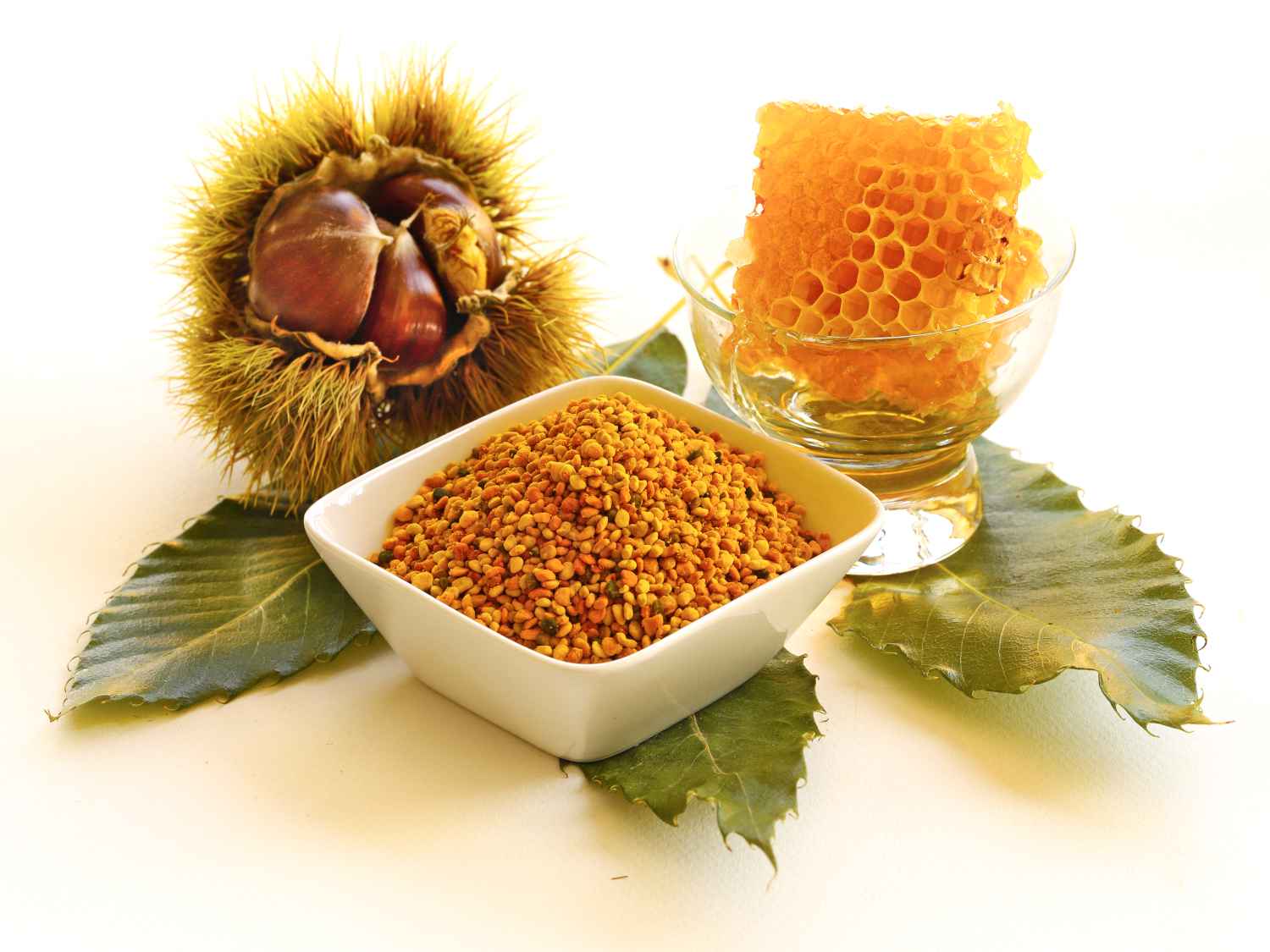
Magnesium chloride and frozen pollen — both have a reputation in naturopathic practice as tonics for run-down periods, often alternated day by day.
Eucalyptus and ravintsara essential oils — traditionally used, well diluted, in chest and back massage when the airways feel stuffy; herbalists describe them as clearing and expectorant.
Pelargonium root extract — used in herbalism for a congested nose and chest at the first sign of a sniffle.
Probiotics — credited in naturopathy with helping the gut flora settle back down after a rough patch.
How to use it
Every day, in the kitchen
Crush a clove of garlic, leave it a few minutes, then stir it into dressings, soups or roasted vegetables at the end of cooking.
Grate a thumb-length piece of fresh turmeric into lentils, rice or a vegetable broth; add black pepper and a spoon of oil in the same dish.
Sprinkle sprouted seeds over anything already on the plate — they wilt if cooked.
Warming drinks
Turmeric infusion: a teaspoon of grated fresh rhizome (or half a teaspoon of powder) per mug, hot water off the boil, covered, 8 to 10 minutes. Add a slice of lemon.
Golden milk: the same quantity simmered gently in a mug of plant milk for 5 minutes, with a grind of pepper and a little honey once off the heat. One mug in the evening is plenty.
Ginger and lemon: thin slices steeped 10 minutes, sipped through the afternoon.
The massage oil for a stuffy chest
Take a tablespoon of a plain plant oil — sweet almond, sunflower, apricot kernel.
Add 1 to 3 drops each of organic eucalyptus and ravintsara essential oil, according to the size and age of the person.
Massage the chest, the upper back and the soles of the feet, morning and evening, for two or three days at most.
Never apply essential oils neat, never near the eyes, and never on a baby or young child.
Courses and timing
Start an acerola course in early autumn rather than waiting for midwinter.
Keep vitamin D going steadily from late autumn to early spring.
Alternate magnesium chloride and frozen pollen on different days, in short blocks with breaks.
Rest more than usual at the first sign that something is brewing — it is the least fashionable and most useful measure on this page.
Forms of use compared
Form
How it is prepared
What it is used for
Culinary seasoning
Raw garlic crushed in, fresh turmeric grated in at the end of cooking
Daily, background use through the cold months
Infusion
Fresh or powdered rhizome, covered, 8 to 10 minutes off the boil
A warming evening drink, traditionally soothing
Decoction
Rhizome or slices simmered 5 minutes in milk or water
Stronger, richer taste; golden milk
Diluted essential oil
1 to 3 drops per tablespoon of plant oil
External chest and back massage when breathing feels blocked
Food supplement
Capsules or powder, as a short course
Acerola, vitamin D, magnesium, pollen, probiotics
Frequently Asked Questions
The one thing to remember: season your everyday cooking with garlic and fresh turmeric, walk outdoors once a day, and sleep an hour more — the rest is extra.
When should I start a winter course?
Naturopathy favours early autumn, before the cold really bites, rather than midwinter. An acerola course is traditionally begun then, with vitamin D kept up from late autumn to early spring. Short blocks with breaks are preferred to taking everything continuously.
What does turmeric actually taste like in a drink?
Warm and earthy, slightly bitter, with a faint peppery edge. In hot water alone it can taste thin and dusty; simmered in milk with a little honey and a grind of black pepper it becomes much rounder. Grate it fresh if you can — the flavour is brighter than powder.
Can I use eucalyptus and ravintsara oils on my children?
Not on babies or young children, and not without advice. These oils are strongly aromatic and eucalyptus-type oils should never go near a small child’s face. For older children, dilute heavily in plant oil and ask a pharmacist about the right amount first.
Will these plants stop me catching things this winter?
No. Flu, throat infections and gastroenteritis are medical matters, and nothing on this page prevents or treats them. What is described here is traditional well-being practice: warming food, decent sleep, daylight and rest when you need it.
Is raw garlic better than cooked?
Traditional herbalism has always favoured it raw or barely cooked, since its pungent sulphur compounds form when the clove is crushed and fade with long heat. Crush it, wait a few minutes, then stir it in at the end of cooking. If raw garlic upsets your stomach, cooked is the sensible compromise.
This information is provided for general interest and reflects the traditional use of plants. It is not a substitute for medical advice. If you are on medication, pregnant, or in any doubt, ask a healthcare professional.
Written by Gaspard Lorthiois | Loves helping out, especially when it comes to growing things. Worked in herbal medicine, runs a farm, and dabbles in tech. Master's degree and engineer.