Home » Health » Water retention and heavy legs: the plants herbalists turn to
Water retention and heavy legs: the plants herbalists turn to
·
0
Ankles that puff up by the evening, socks leaving a mark, legs that feel full and tired after a long day sitting or standing. Herbal tradition has a whole family of plants for that feeling, drunk as infusions or applied as poultices. Here is what each one is used for, how to prepare it, and when to leave it alone and pick up the phone instead.
Birch leaf at a glance, the flagship plant of this page
Item
Detail
Botanical name
Betula pendula, also Betula pubescens
Family
Betulaceae
Part used
Young leaves, sometimes the spring sap
Forms of use
Infusion, cold-water maceration, prepared extract
Harvest season
Young leaves in late spring; sap tapped in late winter to early spring
Taste
Green, faintly bitter, slightly resinous, easy to drink
What it is credited with
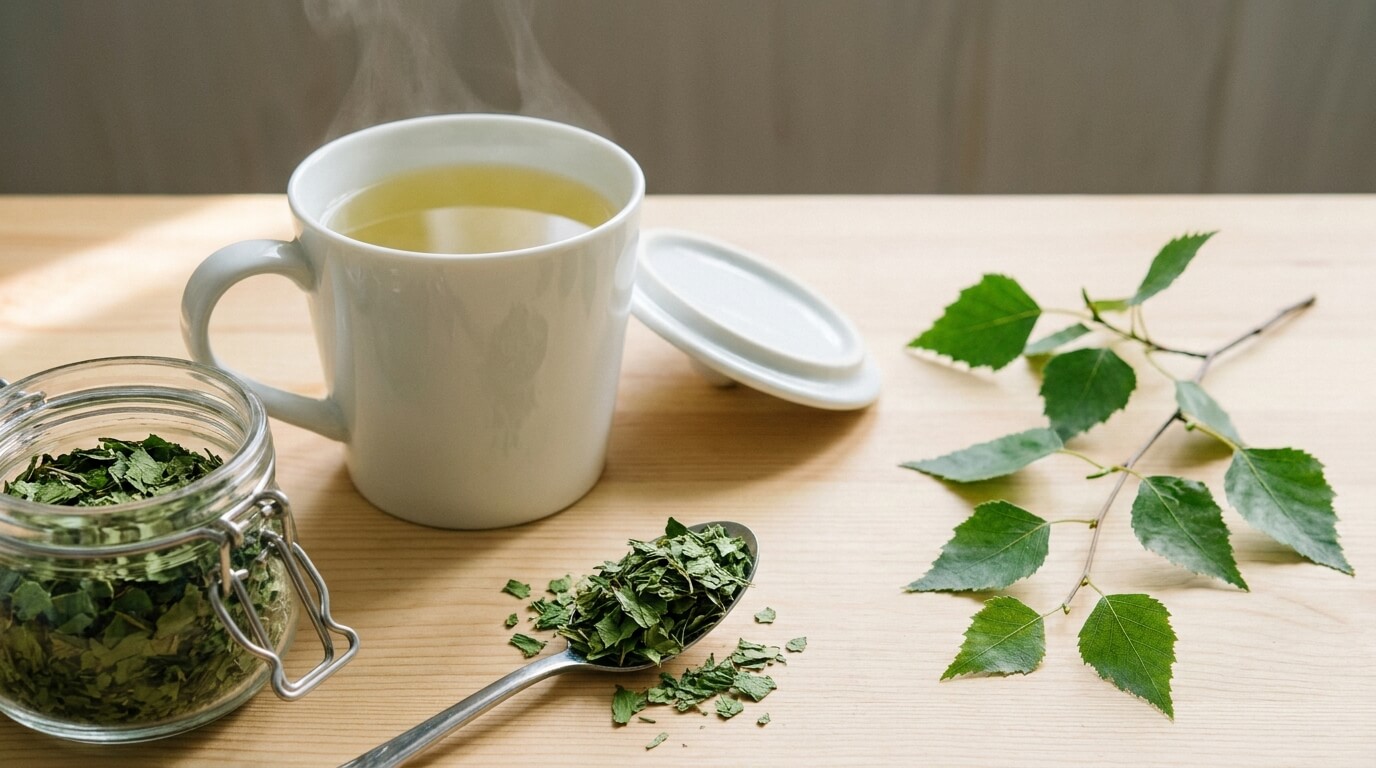
Birch leaf — traditionally used in European herbalism as a “drainage” tea, to encourage the flow of urine and relieve the heavy, waterlogged feeling in the legs.
Dandelion root and leaf — naturopathy credits it with supporting the work of liver and kidneys during spring cleanses.
Corn silk — has a long-standing reputation in folk medicine as a gentle urinary tea.
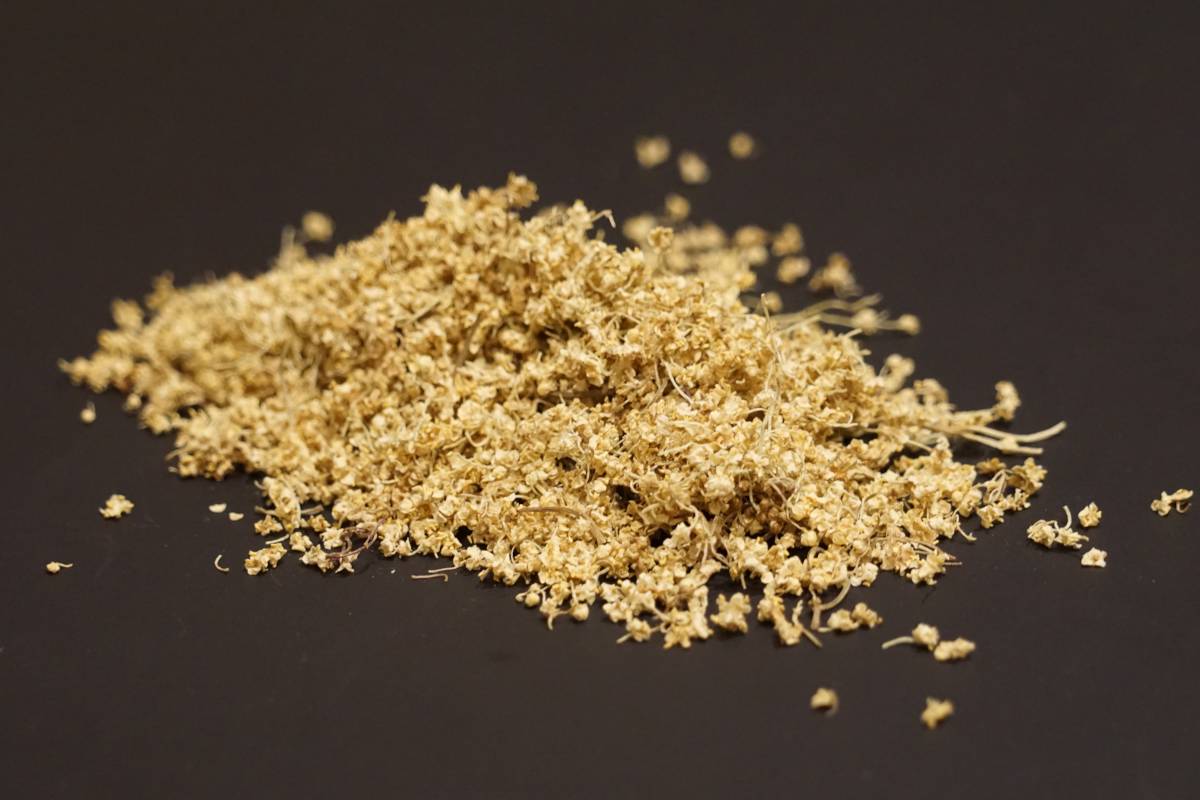
Elderflower — herbalists have used it for centuries as a sweating and urine-promoting tea, often paired with birch or lime blossom.
Meadowsweet — traditionally taken for the feeling of puffiness and for aching joints and limbs.
Grapevine leaf (the red vine) — used in traditional herbalism for tired, heavy legs and for the comfort of the veins.
Horse chestnut — credited by herbalists with toning the walls of the veins; it is a classic of heavy-leg preparations.
Hawthorn — traditionally regarded as a plant of the circulation and of nervous tension rather than a diuretic as such.
Artichoke leaf — naturopathy uses it as a bitter tonic for digestion and for the feeling of sluggishness after rich food.
Onion and garlic — kitchen staples with a folk reputation as diuretic foods, eaten raw or cooked rather than taken as remedies.
Kale leaf — crushed and laid on the skin as a poultice in old country practice, for swollen, tender areas.
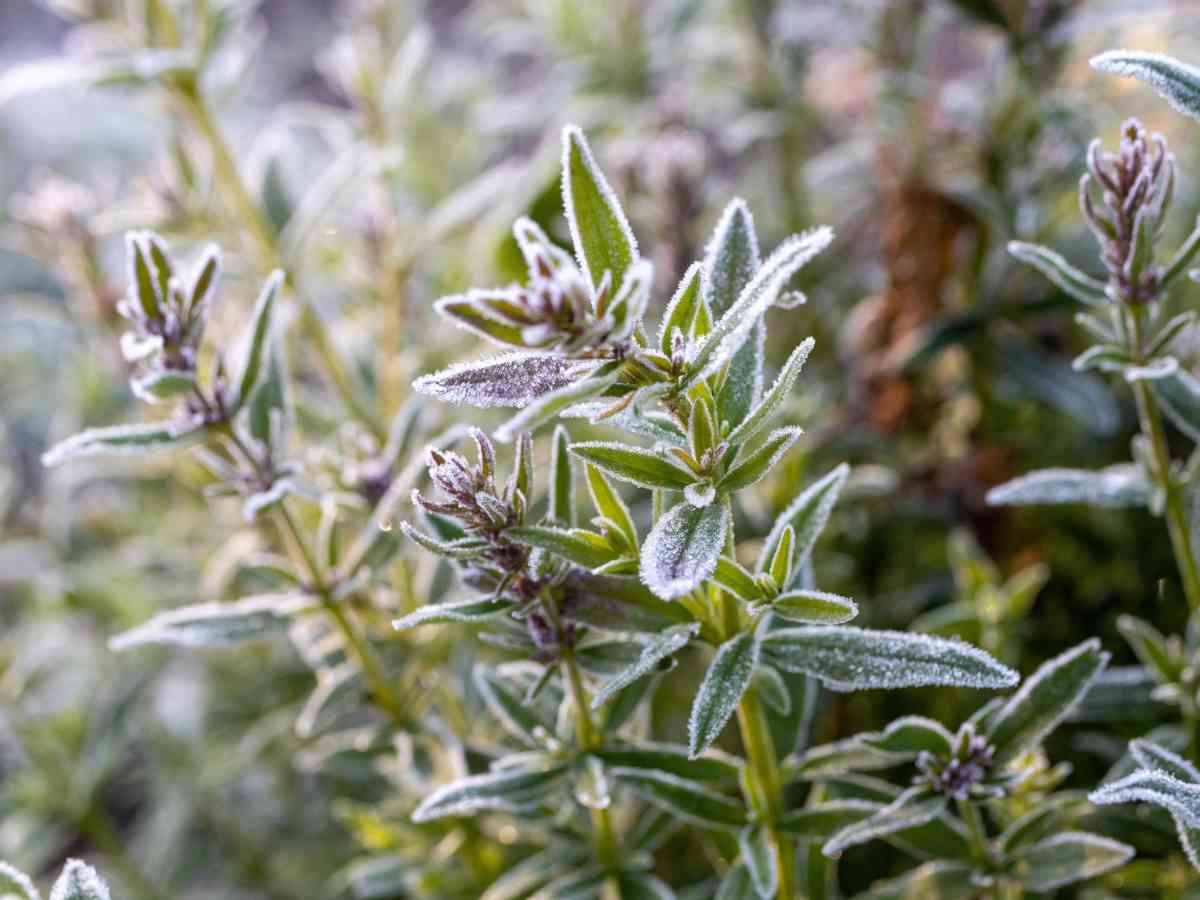
Sage, cornflower and hawkweed — all appear in traditional “drainage” tea blends, hawkweed with the strongest diuretic reputation of the three.
How to use it
Start with one plant, not a blend of six. Teas are drunk in the first half of the day, so they do not send you looking for the bathroom at three in the morning.
Birch leaf infusion: one heaped teaspoon per cup, covered ten minutes
Birch leaf infusion: one heaped teaspoon of dried leaves per cup of just-boiled water, covered, 10 minutes. Two to three cups spread across the morning and early afternoon. Herbalists use it in short courses of a week or two, then a pause.
Dandelion root decoction: one teaspoon of chopped dried root per cup, simmered 10 minutes, left to stand 5 more. Bitter and earthy; one cup before the midday meal is the traditional pattern.
Corn silk tea: a small handful of dried silk per large mug, steeped 10 minutes. Mild, faintly sweet, the gentlest of the group and the one usually chosen for a longer, quieter course.
Elderflower infusion: a teaspoon of dried flowers per cup, 5 to 10 minutes, covered so the aroma stays in. Drunk hot, it is the classic sweating tea.
Grapevine leaf or meadowsweet infusion: a teaspoon per cup. Meadowsweet is added to water off the boil, never boiled hard, or the almond-honey scent is lost.
Artichoke leaf wine: steep a handful of dried leaves in a bottle of white wine for about a week, strain, keep corked in the fridge. A small glass before a heavy meal, as an aperitif bitter. Very bitter indeed.
Kale poultice: strip the thick central rib, flatten the leaves with a rolling pin until the sap shows, warm them briefly, lay them on the skin and hold with a cloth for twenty minutes to half an hour.
Horse chestnut and broom: buy these as ready-made, properly labelled preparations from a pharmacy or herbalist and follow the label. They are not kitchen-tea plants.
Everyday habits that go with the teas: put your feet up on a stool when you sit, walk every day, and finish the shower with cool water up the calves.
Forms of use compared
Form
How it is prepared
What herbalists use it for
Infusion
Leaves or flowers steeped 5 to 10 minutes in just-boiled water, covered
Roots or bark simmered 10 minutes, then left to stand
Dandelion root: bitter tonic taken before meals
Medicinal wine
Dried leaves macerated about a week in white wine, then strained
Artichoke: a bitter aperitif for sluggish digestion
Prepared extract or tincture
Bought ready-made and dosed from the label
Horse chestnut, broom, alder buckthorn: plants that need standardised strength
Poultice
Fresh leaves crushed, warmed and applied to the skin
Kale: old country practice for swollen, tender legs
Frequently Asked Questions
The one thing to remember: a short morning course of birch or corn silk tea, feet up on a stool in the evening, and less salt on the plate — but any sudden or one-sided swelling goes to a doctor first.
Which plant should I start with tonight?
Corn silk is the gentlest and the easiest to like: a small handful of dried silk in a large mug, ten minutes, mild and faintly sweet. Birch leaf is the traditional first choice if you want something more assertive. Drink it in the morning, not at bedtime.
How long do herbalists take these teas for?
In the usual pattern they are taken in short courses of one to two weeks, followed by a pause of the same length. They are not meant to become a permanent daily habit, and drinking plenty of plain water alongside is part of the practice.
Can I blend several of these plants together?
Yes, and traditional blends often pair birch with elderflower or corn silk with grapevine leaf. Start with one plant on its own for a few days so you know how it suits you, then combine two or three at most. Six plants in one pot tells you nothing.
Does the kale poultice really do anything?
It is an old country practice: the ribs are stripped out, the leaves flattened with a rolling pin until the sap shows, warmed and laid on the skin for twenty minutes. Tradition credits it with soothing tender, swollen legs. Stop at once if the skin reacts.
My ankles swell every evening in hot weather. Is that all?
Long hours sitting or standing, heat, salty food and certain medicines are the common everyday causes. Raising the legs, walking daily and cutting salt are the first moves. If the swelling is new, one-sided, painful or comes with breathlessness, have it looked at rather than treated with tea.
This information is provided for general interest and reflects the traditional use of plants. It is not a substitute for medical advice. If you are on medication, pregnant, or in any doubt, ask a healthcare professional.
Written by Gaspard Lorthiois | Loves helping out, especially when it comes to growing things. Worked in herbal medicine, runs a farm, and dabbles in tech. Master's degree and engineer.