Home » Health » Diuretic plants: birch, dandelion and the herbal tradition of urinary comfort
Diuretic plants: birch, dandelion and the herbal tradition of urinary comfort
·
0
Some plants have been part of the “draining” family of herbal teas for centuries: birch, dandelion, nettle, goldenrod, horsetail. They are the plants people reach for when they want a bland, pleasant brew and the feeling of flushing things through. Here is what each one is, what tradition credits it with, and exactly how to prepare it tonight.
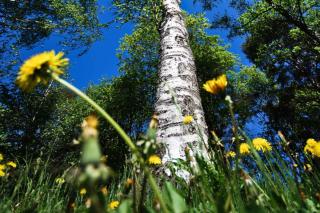
Birch and dandelion, the classic pair of draining herbal teas
Dandelion, the everyday example
Dandelion at a glance
Item
Detail
Botanical name
Taraxacum officinale
Family
Asteraceae
Part used
Young leaves, flowers, and the taproot
Forms of use
Infusion of the leaves, decoction of the root, fresh in salad, tincture
Harvest season
Leaves in early to mid-spring; roots in early to mid-autumn
Taste
Frankly bitter, green, slightly earthy from the root
What it is credited with
Dandelion: European herbalism classes it among the diuretic and “depurative” plants, taken in spring courses to encourage the flow of urine.
Birch leaf and sap: traditionally drunk as a spring drainage cure in northern Europe, with a reputation for washing the system through after winter.
Nettle leaf: naturopathy credits it with a mineral-rich, gently diuretic tea, long taken as a daily tonic brew.
Goldenrod (Solidago): herbalists have a long habit of using it for urinary comfort and as a soothing brew for the waterworks.
Field horsetail: traditionally used as a remineralising and diuretic infusion, always in short courses rather than continuously.
Juniper berries: a classic of the old herbals for their warming, diuretic reputation, used sparingly and briefly.
Orthosiphon (Java tea): in South-East Asian tradition, the leaf is brewed as the urinary tea par excellence.
Burdock and black elder: both hold a place in folk herbalism among the “clearing” plants of spring.
Lemon or orange juice: naturopaths suggest a glass of fresh citrus juice in the morning, valued for its citric acid.
Geranium herbal tea: a folk brew, drunk simply for its astringent, mildly tannic character.
Garlic: credited in the kitchen tradition with being a seasoning that lets you cut back on salt.
The draining plants and what tradition makes of them
Plant
Part used
Traditionally credited with
Dandelion
Leaf, root
Spring drainage brew, bitter and diuretic in reputation
Birch
Leaf, sap
The classic late-winter to spring cure of northern Europe
Nettle
Leaf
Mineral-rich daily tonic tea
Goldenrod
Flowering tops
Urinary comfort brew in Western herbalism
Horsetail
Sterile stems
Remineralising short courses
Orthosiphon
Leaf
Java tea, the urinary infusion of Asian tradition
How to use it
Infusion (leaves, flowers, flowering tops)
Use one level teaspoon of dried leaf per cup, or two teaspoons if the herb is fresh and chopped.
Pour water just off the boil over the herb, cover, and leave ten minutes. Covering matters: it keeps the aromatics in the cup.
Strain. Drink one to three cups a day, spread out, with the last cup no later than late afternoon so it doesn’t wake you at night.
Works for nettle, birch leaf, goldenrod, geranium, orthosiphon and dandelion leaf.
Decoction (roots, berries, tough parts)
One teaspoon of chopped dandelion root per cup of cold water. Bring to the boil, simmer gently five to ten minutes, then leave to stand five more.
Juniper berries: crush three or four per cup, simmer briefly, and keep this to a few days at a time only.
Decoctions taste stronger and more bitter than infusions. A slice of lemon or a little honey takes the edge off.
Cold macerate
Put a tablespoon of dried horsetail or nettle in a jug of cold water in the evening and leave overnight.
Strain in the morning and drink through the day. Cooler water draws out less tannin, so the taste stays mild.
In the kitchen
Young dandelion leaves, picked in early spring before flowering, go into salad with a warm bacon or walnut-oil dressing; the bitterness is the point.
Nettle tops, picked in early to mid-spring, need two minutes in boiling water, then go into soup, risotto or a green tart.
Garlic, crushed raw into dressings or added at the end of cooking, seasons a dish well enough that you reach for the salt cellar less often.
A glass of freshly squeezed lemon or orange juice on rising, diluted with water if the acidity bothers your teeth.
How long a course lasts
Herbalists traditionally run these teas as a course of two to three weeks, then pause for a week.
Birch and dandenlion cures are seasonal by habit: late winter into mid-spring, when the sap is rising.
Spread your fluid intake evenly through the day rather than drinking a litre in one go.
Choosing a form of use
Form
How it is made
Best for
Infusion
Water off the boil, covered, ten minutes
Leaves and flowers: nettle, birch, goldenrod
Decoction
Simmered five to ten minutes
Roots and berries: dandelion root, juniper
Cold macerate
Overnight in cold water
A milder, less tannic drink to sip all day
Culinary
Raw in salad, wilted in soup, as seasoning
Young dandelion leaves, nettle tops, garlic
Mineral salts crystallise in urine when fluid intake runs lowGarlic seasons well enough to cut back on the salt cellar
Frequently Asked Questions
The one thing to remember: a simple covered infusion of nettle or birch leaf, one teaspoon per cup, drunk as a two or three week course in spring, is the traditional starting point.
Which plants have the strongest diuretic reputation?
Birch, dandelion, goldenrod, horsetail, juniper and orthosiphon are the names that come up again and again in Western and Asian herbal tradition. Nettle sits alongside them as the mineral-rich daily brew. They are used as teas, not as quick fixes.
How do I make the tea, exactly?
For leaves and flowers, one teaspoon of dried herb per cup, water just off the boil, covered for ten minutes. For roots and berries, simmer a teaspoon per cup for five to ten minutes. One to three cups a day, with the last one before late afternoon.
Can I drink these teas every day, all year round?
Tradition says no. Herbalists run them in courses of two to three weeks with a week’s break, and birch and dandelion cures are seasonal by habit, from late winter into mid-spring. Horsetail and juniper in particular are kept to short spells.
Does a glass of lemon juice in the morning do anything?
Lemon and orange juice are genuinely rich in citric acid, and naturopathy has long recommended a morning glass of fresh juice. Dilute it with water if the acidity bothers your teeth, and drink it through a glass rather than sipping slowly.
Who should leave these plants alone?
Anyone pregnant or breastfeeding, children, and anyone on medication — especially diuretics, blood pressure drugs or lithium — should check with a pharmacist first. People with a kidney or heart condition need medical advice before starting, and anyone allergic to the daisy family should skip dandelion and goldenrod.
This information is provided for general interest and reflects the traditional use of plants. It is not a substitute for medical advice. If you are on medication, pregnant, or in any doubt, ask a healthcare professional.
Images: 123RF: Artem Khyzhynskiy, CC BY 2.0: dfaulder, FollowYourNose; Pixabay: Jesus González
Written by Gaspard Lorthiois | Loves helping out, especially when it comes to growing things. Worked in herbal medicine, runs a farm, and dabbles in tech. Master's degree and engineer.