Home » Health » Elder, echinacea and ginseng: the plants of the winter herbal tradition
Elder, echinacea and ginseng: the plants of the winter herbal tradition
·
0
When the cold season arrives and the household starts sniffling, herbalists reach for the same short list of plants: elder, echinacea, ginseng, honeysuckle and ravintsara. This page sets out what each one is, which part is used, how to prepare it in an ordinary kitchen, what it tastes like, and who should leave it alone.
The classic winter line-up: elder, echinacea, ginseng and ravintsara
Elderflower late spring to early summer; elderberries late summer to early autumn; echinacea and ginseng roots mid to late autumn; honeysuckle buds late spring
Taste
Elderflower floral and muscat-like; elderberry tart and inky; echinacea root earthy with a tingling bite; ginseng bitter-sweet; honeysuckle delicate and sweet
What they are credited with
Elderflower — traditionally taken as a hot infusion at the first chill of the season, with a long-standing reputation in European country herbalism for encouraging sweating under the blankets.
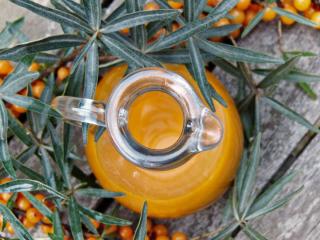
Elderberry — cooked into syrups for generations in Britain and central Europe; folk tradition credits it with easing a rattling, productive cough and making a sore throat more bearable.
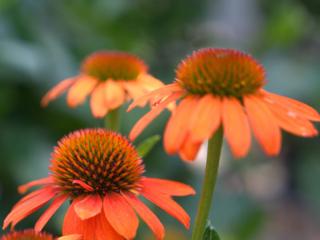
Purple coneflower — herbalists reach for it at the very start of a winter cold, and naturopathy credits it with supporting the body’s own defences through the damp months.
Ginseng — in the Chinese tradition it is a tonic root, used for people who feel drained, cold and slow to pick up after a spell in bed.
Honeysuckle — the flower-bud tea is a classic of Chinese domestic herbalism, used for hot, dry, scratchy throats.
Ravintsara — aromatherapists value the leaf oil for winter chest and sinus comfort, always well diluted.
Which plant, which form, which moment
Plant
Form
Traditionally used for
Elderflower
Hot infusion, drunk in the evening
Warming through, sweating it out under a quilt
Elderberry
Cooked syrup, by the spoonful
Comfort with a chesty, productive cough
Echinacea root
Decoction or mother tincture
The first day or two of a winter cold
Ginseng root
Slow decoction or powder
Tiredness and convalescence in cold weather
Ravintsara
Essential oil, diluted in a carrier oil
Chest and sinus comfort, external use
How to use them
Elderflower infusion
Use a heaped teaspoon of dried flowers per cup of water just off the boil.
Cover and steep 8 to 10 minutes — the cover keeps the muscat aroma in the cup.
Drink hot, in the evening, sweetened with honey if the throat is raw.
Typically taken for a few days at a time, not as an all-winter habit.
Elderberry syrup
Simmer ripe berries with water until soft, crush, strain, then cook the juice with honey or sugar into a loose syrup.
Berries must be cooked — never use them raw, and never use the leaves internally.
A spoonful once or twice a day, on its own or stirred into hot water.
Keeps in the fridge in a sterilised bottle for a few weeks.
Echinacea root decoction, infusion or tincture
Decoction: a small teaspoon of chopped dried root per cup, simmered 5 to 10 minutes, left to stand, then strained.
Infusion: pour boiling water over the dried root, cover and steep 10 minutes.
Mother tincture: follow the maker’s instructions on the bottle, diluted in a little water, morning and evening.
Herbal practice favours short courses of a week or two at the start of a cold, then a break.
Expect an earthy taste and a distinct tingling on the tongue — that sensation is normal.
Ginseng decoction
Simmer a few slices of dried root gently for 20 to 30 minutes in a covered pan.
Drink in the morning or early afternoon; taken late, it can keep some people awake.
Short courses only, with clear breaks between them.
Honeysuckle tea
Steep the dried flower buds in hot water for about 5 minutes, covered.
Light, sweet and floral — pleasant on its own or with a slice of fresh ginger.
Ravintsara essential oil
External use only, and always heavily diluted in a carrier oil such as olive or coconut oil.
Massage into the upper back and chest, morning and evening, for a few days.
Never apply neat to skin, never near the eyes, and never swallow it.
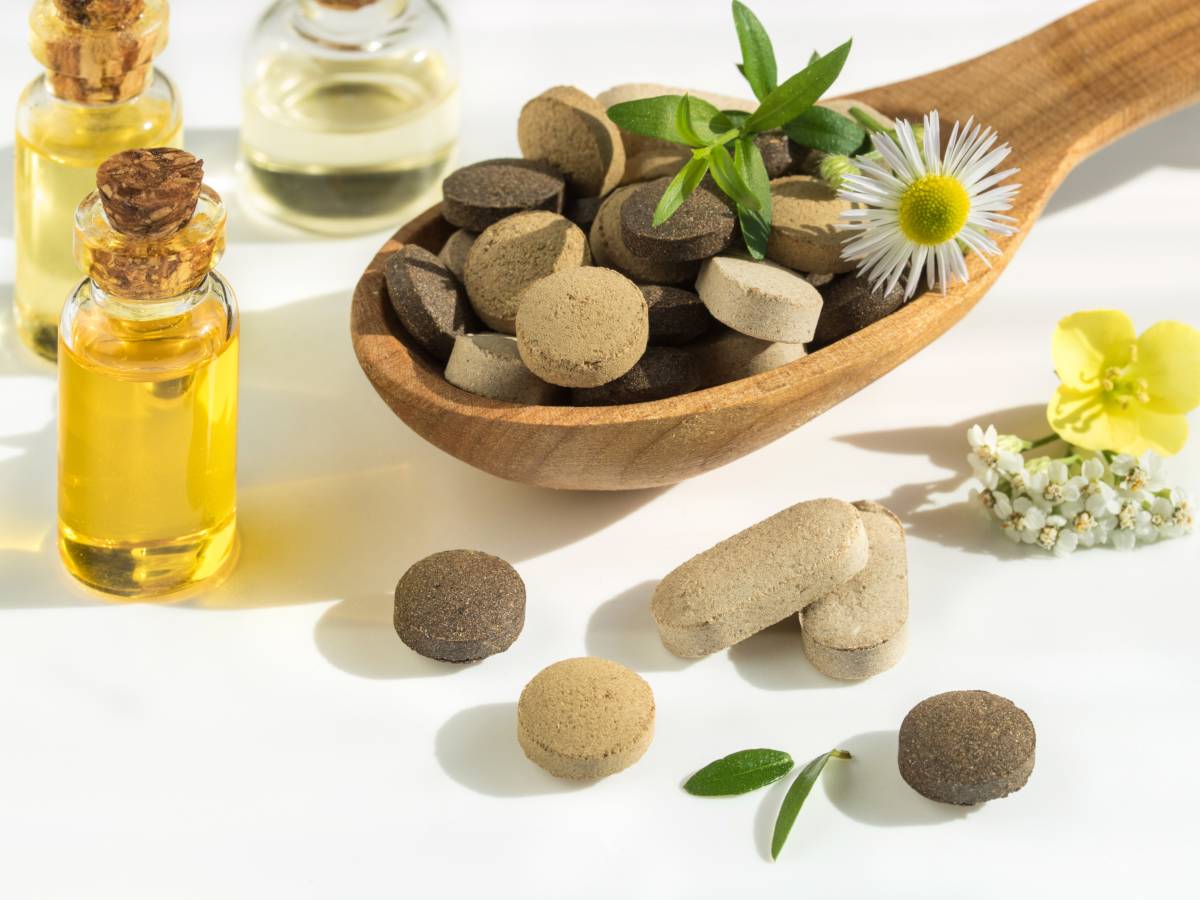
Dried roots, flowers and berries make the season’s warming preparations
Frequently Asked Questions
The one thing to remember: a hot covered elderflower infusion, taken in the evening for a few days, is the simplest and gentlest place to start — and it is no replacement for a call to your doctor if things go downhill.
Which plant should I start with when winter sniffles begin?
Elderflower infusion is the easiest entry point: one heaped teaspoon per cup, covered, steeped 8 to 10 minutes, drunk hot in the evening. Herbal tradition pairs it with rest and a warm bed. Echinacea root, as a decoction or tincture, is the other classic opening move at the very first signs.
Can I take echinacea every day all winter?
Herbal practice favours short courses of a week or two rather than continuous daily use, with clear breaks between them. Avoid it altogether if you react to plants in the daisy family, or if you live with an autoimmune condition, unless a professional tells you otherwise.
Are elderberries safe to eat raw?
No. Only fully ripe berries, properly cooked, are used — as a syrup, a cordial or a jelly. The leaves, bark, stems and raw berries are not taken internally at all.
Can children or pregnant women use these plants?
Not without professional advice. Echinacea, ginseng and all essential oils, ravintsara included, are set aside during pregnancy and breastfeeding unless a doctor or midwife agrees. For children, ask a healthcare professional before giving any herbal preparation.
When should I stop self-care and see someone?
If symptoms persist or worsen, it is mandatory to visit your consulting physician or pharmacist. High or prolonged fever, breathlessness at rest, or any decline in an elderly person, a young child or someone with a long-term illness calls for medical attention straight away.
Images: Pixabay: Silvia, Luisella Planeta Leoni, Andreas Lischka
This information is provided for general interest and reflects the traditional use of plants. It is not a substitute for medical advice. If you are on medication, pregnant, or in any doubt, ask a healthcare professional.
🌿 Nature & Garden Newsletter
Gardening tips, recipes & seasonal advice, twice a week.