Home » Health » Coconut oil: what it is, and how to use it on skin, hair and in the kitchen
Coconut oil: what it is, and how to use it on skin, hair and in the kitchen
·
0
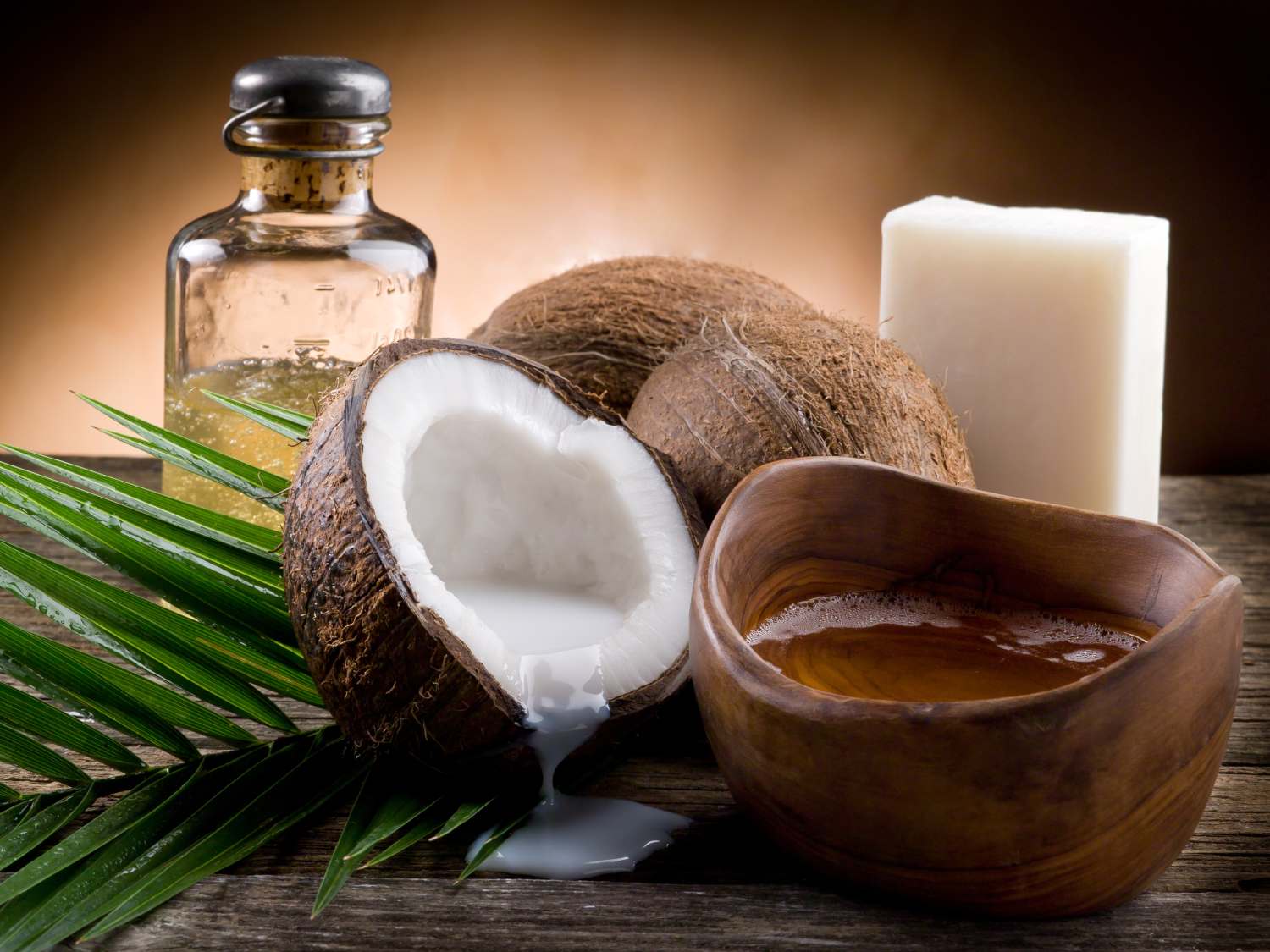
Coconut oil is the fat pressed from the white flesh of the coconut. It is solid in a cool kitchen, liquid in a warm one, and it has a long history in both cooking pots and beauty routines across the tropics. Here is what it actually is, which form to buy, and how to use it tonight on hair, skin or in a pan.
Half the fatty acids in coconut oil are lauric acid
Coconut oil at a glance
Coconut oil at a glance
Item
Detail
Botanical name
Cocos nucifera
Family
Arecaceae
Part used
The white flesh (kernel) of the ripe nut, fresh or dried as copra
Forms of use
Virgin oil, refined oil, hair mask, body and massage oil, cooking fat
Harvest season
Nuts ripen in every season in the tropics; the oil is pressed all year round
Taste and smell
Virgin: sweet, distinctly coconut, slightly nutty. Refined: neutral, almost odourless
Texture
Solid and waxy below 24 °C, clear liquid above
A short history
The coconut palm grows across tropical coastlines, from South-East Asia to East Africa, the Pacific and the Caribbean.
Its oil is one of the oldest cooking fats on record in Asia, Africa and the Pacific islands.
Coconuts reached European hands in the fifteenth century through sea trade, and the oil arrived with them.
Cheaper soybean, corn and sunflower oils pushed it aside in industrial kitchens, but it never left traditional ones.
From the same fruit come coconut water, flesh, milk, cream and oil — five different products with five different uses.
What it is credited with
Dry, flaky skin. Traditional island and Ayurvedic skincare has long used coconut oil as an everyday body oil on skin that feels tight or rough.
Hair conditioning. Herbal hair care across South Asia credits it with softening dry lengths and taming breakage when used as a pre-wash mask.
Scalp comfort. Traditional use favours a warm oil massage on a flaky, itchy scalp, left on before shampooing.
Massage. Naturopathy values it as a slow-absorbing massage base, with or without a few drops of essential oil.
Natural shaving. A popular home-cosmetics use: a thin film of melted oil instead of foam, for a smoother glide.
Cracked lips, elbows and heels. Folk cosmetic practice reaches for it on the parts of the body that chap first in cold weather.
Oil pulling. Ayurvedic tradition includes swishing a spoonful around the mouth for a few minutes as part of a morning routine.
In the kitchen. Cooks in Kerala, Thailand and the Pacific use it for its aroma as much as anything: it makes curries, rice and fried plantain taste like themselves.
One jar serves the kitchen, the bathroom and the hairbrush
How to use it
As a body oil
Scoop out a teaspoon-sized amount and warm it between your palms until it melts.
Massage into hands, forearms, legs and feet, working upwards.
Best straight after a shower, on skin still slightly damp.
Give it five minutes to sink in before dressing — it will mark clothes otherwise.
Daily use is the traditional pattern; a couple of times a week is plenty for most skin.
As a hair mask
Melt one to two tablespoons for short hair, three to four for long.
Work it through the mid-lengths and ends, on dry hair, before washing.
Leave for 30 minutes under a warm towel, or overnight for very dry, coarse or bleached hair.
Shampoo twice — once to lift the oil, once to clean.
Fine or low-porosity hair often prefers a pea-sized amount on the ends only.
As a scalp massage
Melt a tablespoon and part the hair in sections.
Apply with the fingertips and massage in small circles for two to three minutes.
Leave 20 minutes, then wash out. Once a week is the usual rhythm.
As shaving oil
Melt a small amount and spread a thin film over damp skin.
Shave with the grain, rinsing the blade often — the oil will clog it faster than foam.
Rinse with warm water; no aftershave balm is usually needed.
In cooking
Use refined coconut oil for frying and roasting: it takes heat well and tastes of nothing in particular.
Use virgin oil where you want the aroma — curries, sauteed greens, popcorn, banana pancakes.
For a dressing, melt it first and whisk while warm, or it will set in cold ingredients.
Swap it one-for-one for butter in baking; biscuits come out short and crisp.
A teaspoon stirred into hot porridge or coffee is the standard breakfast use.
Choosing a form of coconut oil
Form
How it is made
Best for
Virgin (cold-pressed)
Pressed from fresh flesh without heat or refining
Skin, hair, and any dish where you want the coconut aroma
Refined
Pressed from dried copra, then filtered and deodorised
Frying, roasting, baking where a neutral taste is wanted
Fractionated (MCT oil)
Longer fatty acids removed, so it stays liquid when cold
Massage blends and carrier oil for essential oils
Hydrogenated
Industrially hardened for shelf stability
Nothing in a home kitchen — leave it on the shelf
Frequently Asked Questions
The one thing to remember: warm a teaspoon between your palms and use it as a body oil on damp skin after a shower — that is the simplest, safest, most useful thing a jar of coconut oil does.
Why has my coconut oil gone solid?
Because your room is below about 24 °C (76 °F), which is the melting point of coconut oil. Nothing is wrong with it. Stand the jar in warm water, or simply scoop some out and let it melt in your hand.
Virgin or refined — which should I buy?
Virgin for skin, hair and any dish where the coconut aroma is welcome. Refined for frying and roasting, because it tastes of nothing and takes heat better. If you only want one jar, buy virgin and accept that your chips will smell faintly tropical.
Can I put it on my face?
You can, but many people with oily or acne-prone skin find it blocks pores. Patch test on the inner forearm, wait 24 hours, and if you are prone to breakouts keep coconut oil for the body and use something lighter on the face.
How often should I use it as a hair mask?
Once a week suits most dry or coarse hair. Apply to the mid-lengths and ends of dry hair, leave for 30 minutes under a warm towel, then shampoo twice. Fine hair usually needs no more than a pea-sized amount on the ends.
Is it safe during pregnancy?
As a cooking fat and as a body oil it is unremarkable, and it is a popular choice for massaging a stretching belly. Avoid taking large medicinal quantities by mouth, and mention it to your midwife or doctor if you are in any doubt.
Images: depositphotos: wing-wing; Pixabay: DanaTentis; shutterstock: Marco Mayer
This information is provided for general interest and reflects the traditional use of plants. It is not a substitute for medical advice. If you are on medication, pregnant, or in any doubt, ask a healthcare professional.
🌿 Nature & Garden Newsletter
Gardening tips, recipes & seasonal advice, twice a week.