How should you care for your garden in winter? Snezana Gerbault, an agronomist and engineer, packed all her tips in book that was prized in several recent events.
late autumn, her book – My garden in Winter – was granted a special prize by the French Garden and Horticulture Journalists’ association: the “Saint Fiacre” title.
Here are 5 tips we learned from this fabulous book to transcend your garden in winter and make it look stunning.
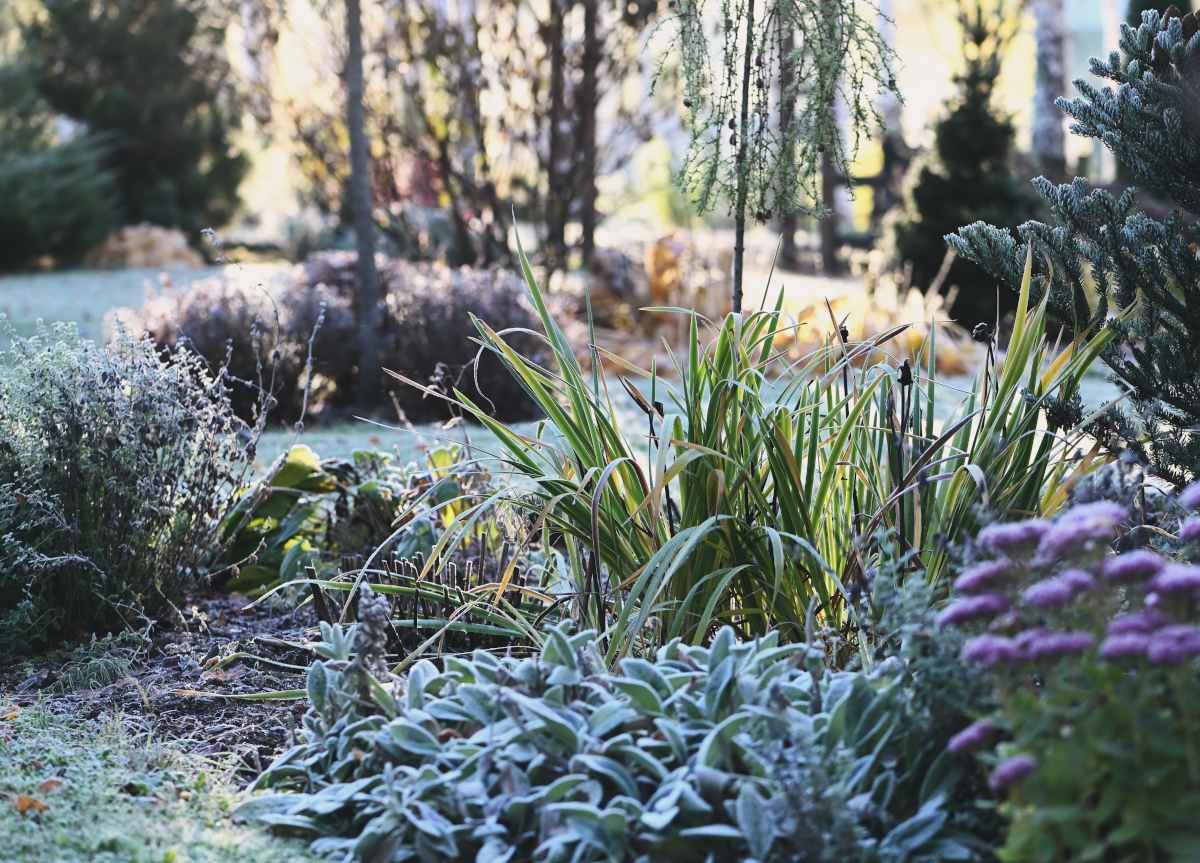
Each of the keys below works on a different part of the garden picture, from foliage that never drops to seedheads left standing. Use them together and the borders keep something to look at from first frost to last.
| Approach | What it brings | Plants named in the article |
|---|---|---|
| Evergreen foliage | Structure, texture and green through the coldest months | Conifers, boxwood, Otto Luyken cherry laurel, osmanthus, ivy, photinia, ferns |
| Berries | Colour to look at and food for wildlife | Holly, hawthorn, spindle, mountain ash, cotoneaster, roses |
| Coloured bark and stems | Colour carried by bare wood once leaves have gone | Willow, dogwood, hazelnut, Tibetan cherry, birch |
| Graphic silhouettes | Spectacular shapes as soon as frost and snow settle | Globethistle, cardoon, thistle, echinacea, physalis, spurge, grasses, sedums |
| Winter flowers | Bloom and fragrance exactly when they are most needed | Heather, hellebore, snowdrop, pansy, cyclamen, hepatica, pasqueflower |
| Delayed pruning | Keeps dried flowers and seedheads on show | Roses and hydrangeas left on the bush |
Chosen together, these six approaches keep colour, shape and scent in the garden from the first frost onwards.

Plan your winter garden early on: sow and add plants that will stay a beautiful green color even during the coldest months.
Of course, evergreens like conifers, boxwood, the Otto Luyken cherry laurel, osmanthus, ivy, photinia, sacred olive, ferns… “Whether they’re silvery, golden, or variegated, leafage will structure the garden and provide colors and texture that will make lively, never boring borders.”
Evergreen leafage offers various textures and dozens of shades of green to set up beautiful winter scenes.

Add a few plants that bear berries: holly, hawthorn, spindle, mountain ash, cotoneaster, without forgetting roses, too… They’re both very beautiful to look at, and they help wild animals find food on colder days.
You can also add color with sedum (garden houseleek, especially) and with trees that have a special bark like willow (branches of various colors even serve to make wicker items), dogwood, hazelnut, Tibetan cherry trees, and birch which are particularly noteworthy.
>> Read also: Colorful bark, the best dogwood species

These graphic plants have silhouettes that streak and sway, they create spectacular landscaping as soon as frost and snow settle in: southern globethistle, cardoon, and common thistle will share their metallic blue sheen in flower beds; echinacea, physalis, spurge, meadowsweet, devil’s walking stick, grasses (miscanthus, calamagrostis, carex, pennisetum, stipa…) and again sedums, trees and shrubs.
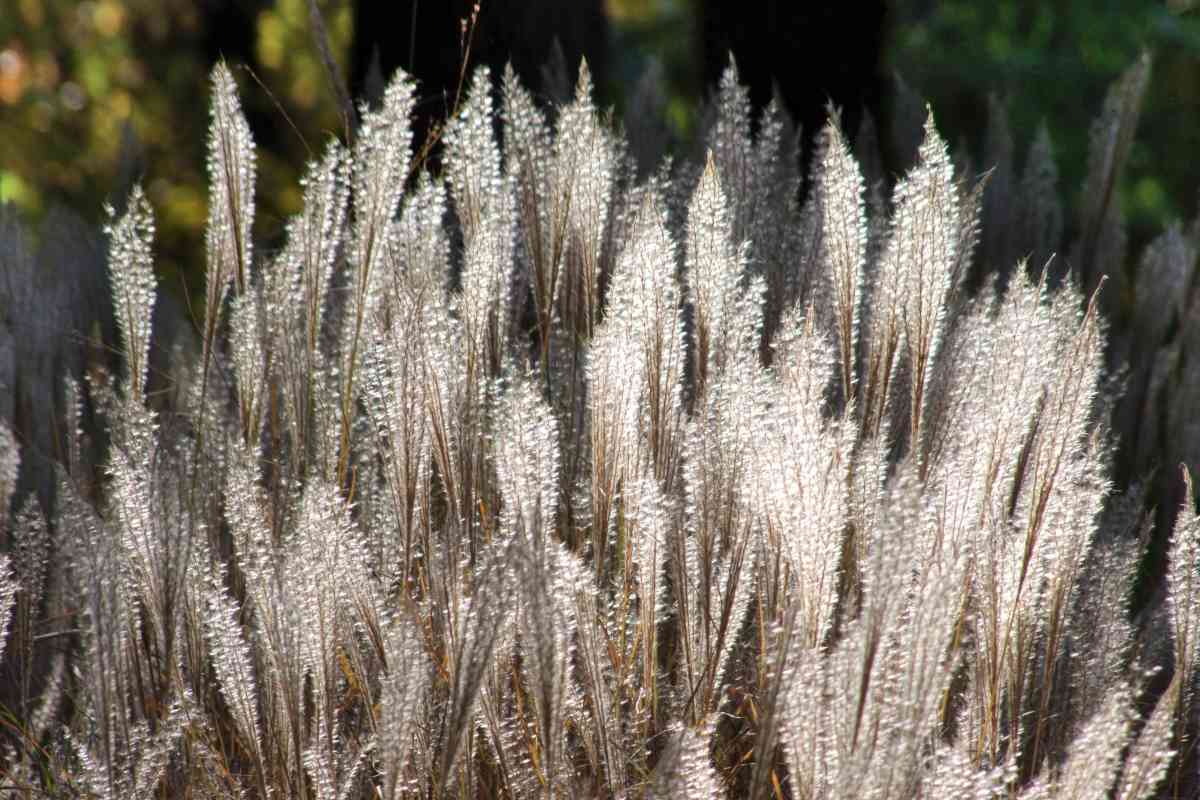
Silvery panicles of miscanthus form a beautiful scene on a early winter morning.
Cut deciduous grasses right down to a short stubble before the new shoots push through, or you will slice the fresh blades along with the old.

“Winter blooming perennials share their fragrance and color exactly when it’s need most”: heather, hellebore, snowdrop, pansy, cyclamen, common hepatica, pasqueflower… “Many shrubs also flower in winter, usually while branches are still bare”: Chimonanthus, Hamamelis, winter viburnum, Daphne, Cornus… Another tip is to leave certain flowers on roses and hydrangeas on the bush to give them a “frozen in time” appeal.
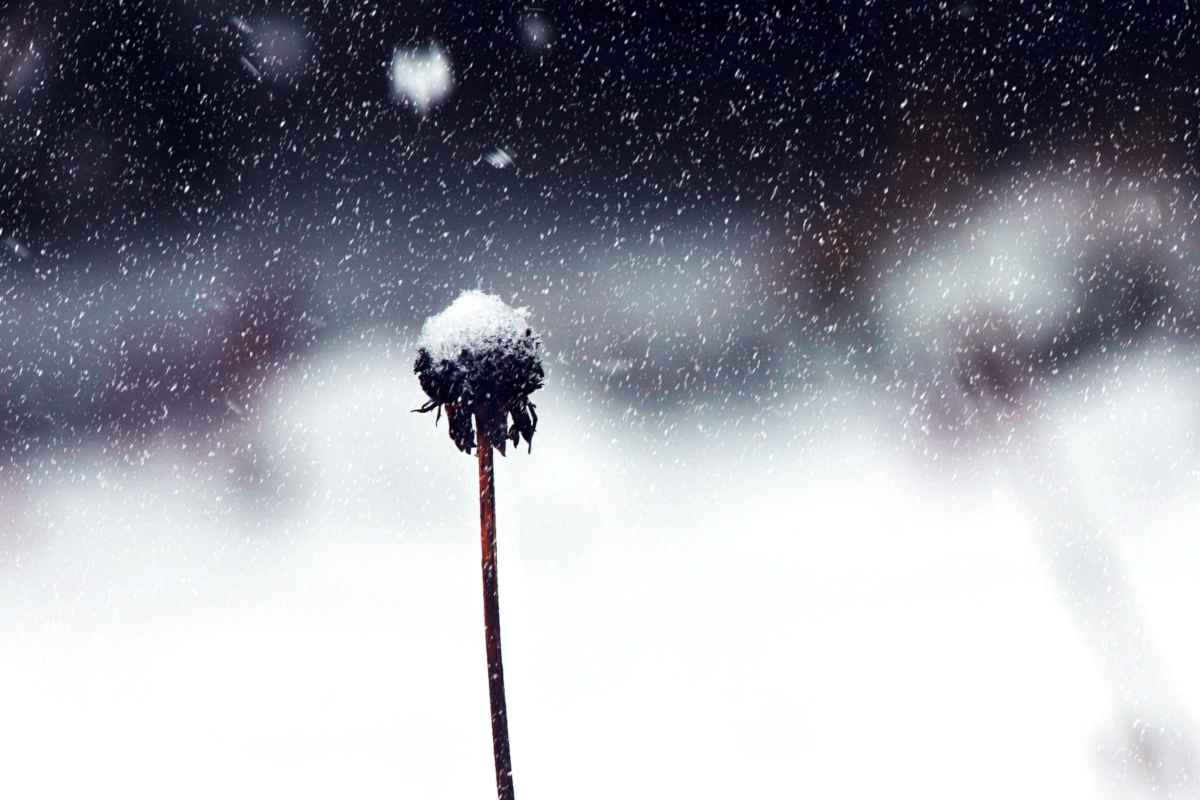
“In winter, it’s all about letting things go, a bit at a time. It’s inevitable… Pruning is of course necessary, but delay it as much as possible. Don’t miss out on the show!
Wait for the last few weeks to cut and remove some plants. No need to clear everything out right away. Let nature live on, admire how seeds are released and begin their travels, collect a few of them for next year, gather leaves in herbariums, tie a few dried flower bouquets together. Let plants express their beauty up to their natural end, all the way to the last leaf and seed”, counsels Snezana Gerbault.