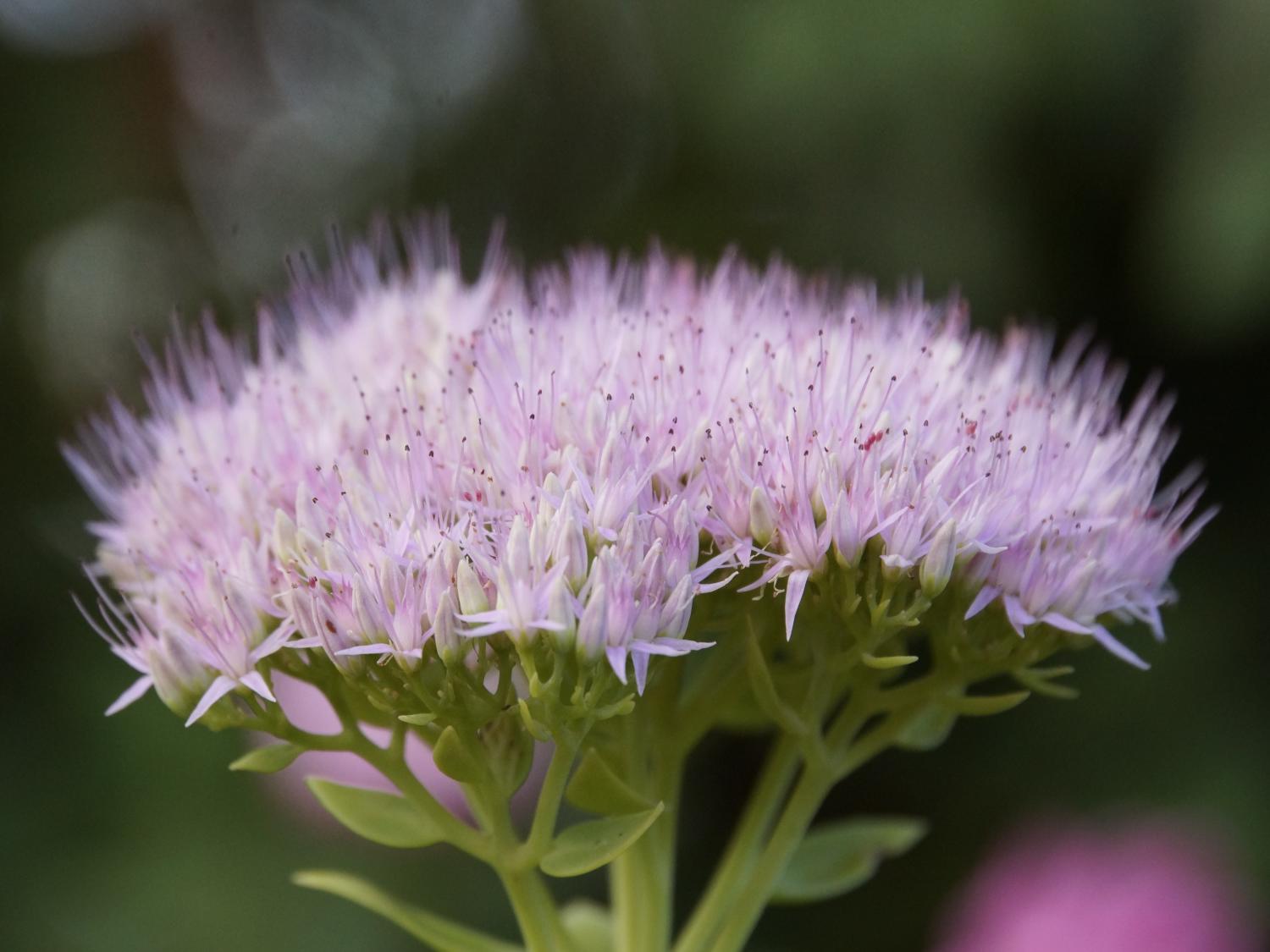
Succulent, deciduous clumps send up bloom from late summer into autumn, and bees crowd the flowers. Stonecrop (Sedum spectabile) is one of the easiest perennials going: it asks for no care at all once settled and shrugs off poor soil — only standing water defeats it, so give it drainage and it returns year after year.
| Name | Sedum spectabile |
|---|---|
| Family | Crassulaceae |
| Type | Perennial, succulent |
| Height | 1 ½ feet (50 cm) |
| Exposure | Full sun or part shade |
| Soil | Ordinary |
| Foliage | Deciduous |
| Flowering | August to October |
It requires – in truth!– no care at all. Bees love, it, too!
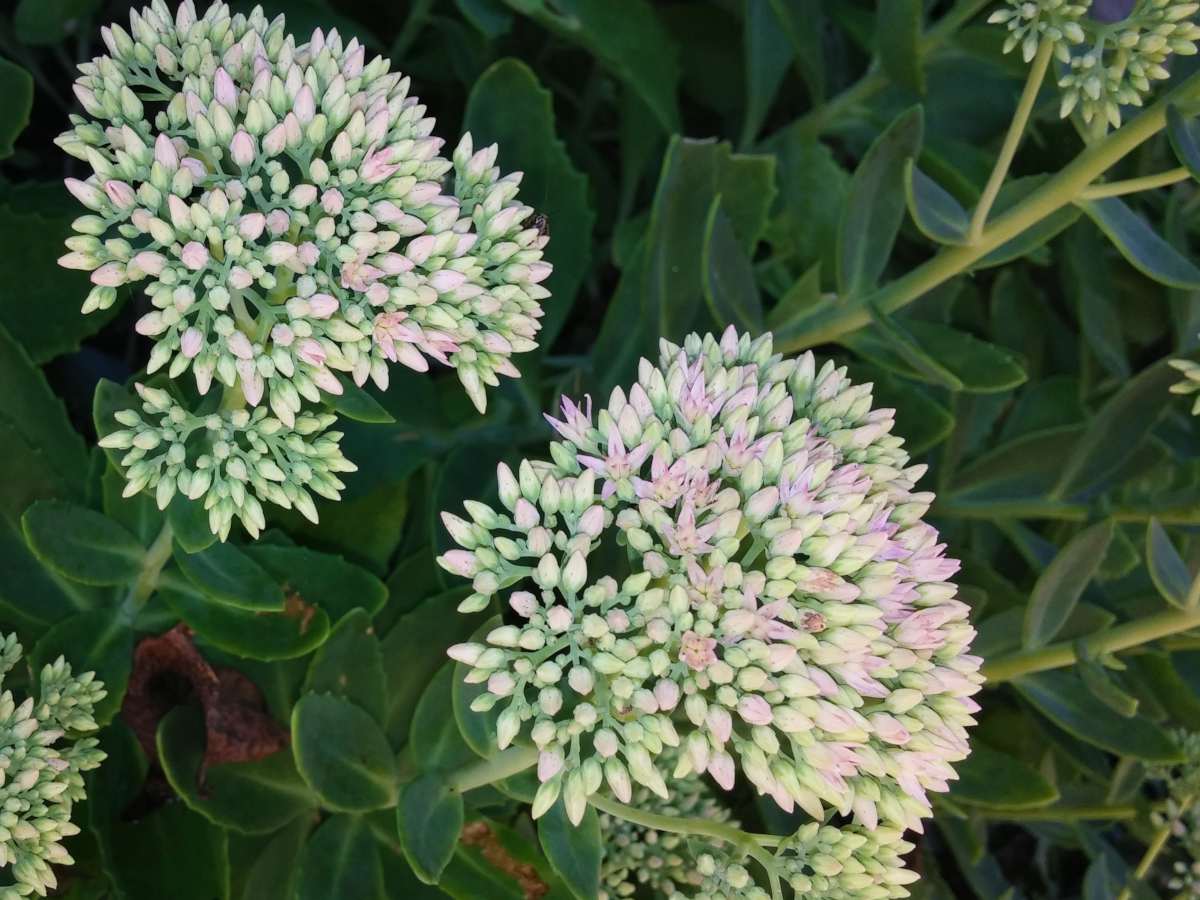
Indifferently from spring to fall, this stonecrop will take root in any season.
This is perfect for container growing.
This type of Sedum is best multiplied through clump division at the beginning of spring (March), or by preparing stem cuttings in fall after the blooming is over.
Every task this sedum needs is tied to a season. Here is when to do what, from planting to cutting back.
| Job | When | What to do |
|---|---|---|
| Planting | Spring to autumn | Takes root in any season; add soil mix to spur growth and blooming |
| Clump division | Beginning of spring (March) | The best way to multiply this type of sedum |
| Stem cuttings | Autumn, once flowering is over | Prepare cuttings from the stems |
| Cutting back | Spring | Triggers the following season’s blooming |
| Repotting | Preferably spring or autumn | Rarely needed; can go years in the same pot |
Outside these few moments, the plant asks for nothing at all.
A very easy flower to grow and care for, Sedum spectabile doesn’t require any care at all once it’s properly settled in.
A few tips to increase growth and blooming, if you’re so inclined (this works with all Sedum species):
Cut back in spring to trigger the next season’s blooming.
All these stonecrops share the same easy nature and the same love of bees, so the choice comes down to flower colour and the size of the clump. Here are the ones most often found on garden centre benches.
| Variety | Flower colour | Flowering | Best use |
|---|---|---|---|
| ‘Brilliant’ | Bright rose-pink | August to October | Borders, cutting, bees |
| ‘Neon’ | Vivid magenta-pink | Late summer to autumn | Bold colour in sunny beds |
| ‘Stardust’ | Ivory white | August to October | Light in shadier corners |
| ‘Meteor’ | Carmine-red | Late summer to autumn | Strong autumn accent |
Stonecrop is one of the most common Sedum species and will feel right at home in any type of climate or soil.
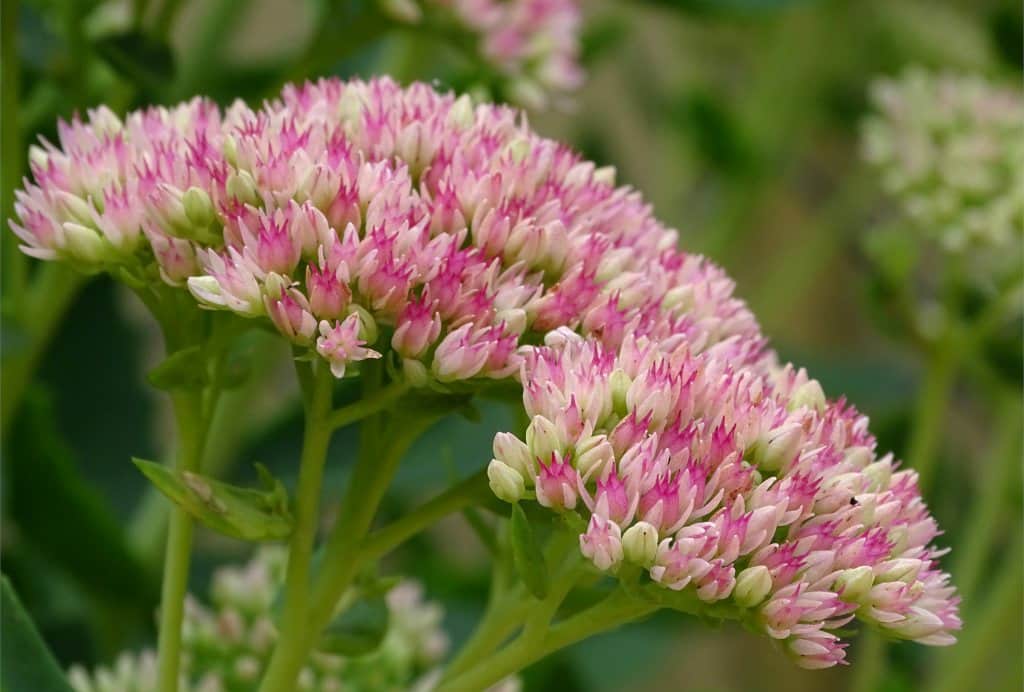
This easy-to-care-for plant is well suited to both arid and moist soils. It’s a fabulous choice as a ground cover plant, and will survive drought very well, however bad the growing environment is.
Sedum also resists cold weather: it’s hardy down to (°F (-15°C).
It is perfect for growing along edges, walkways, and in flower beds or pots to decorate a terrace or a balcony.
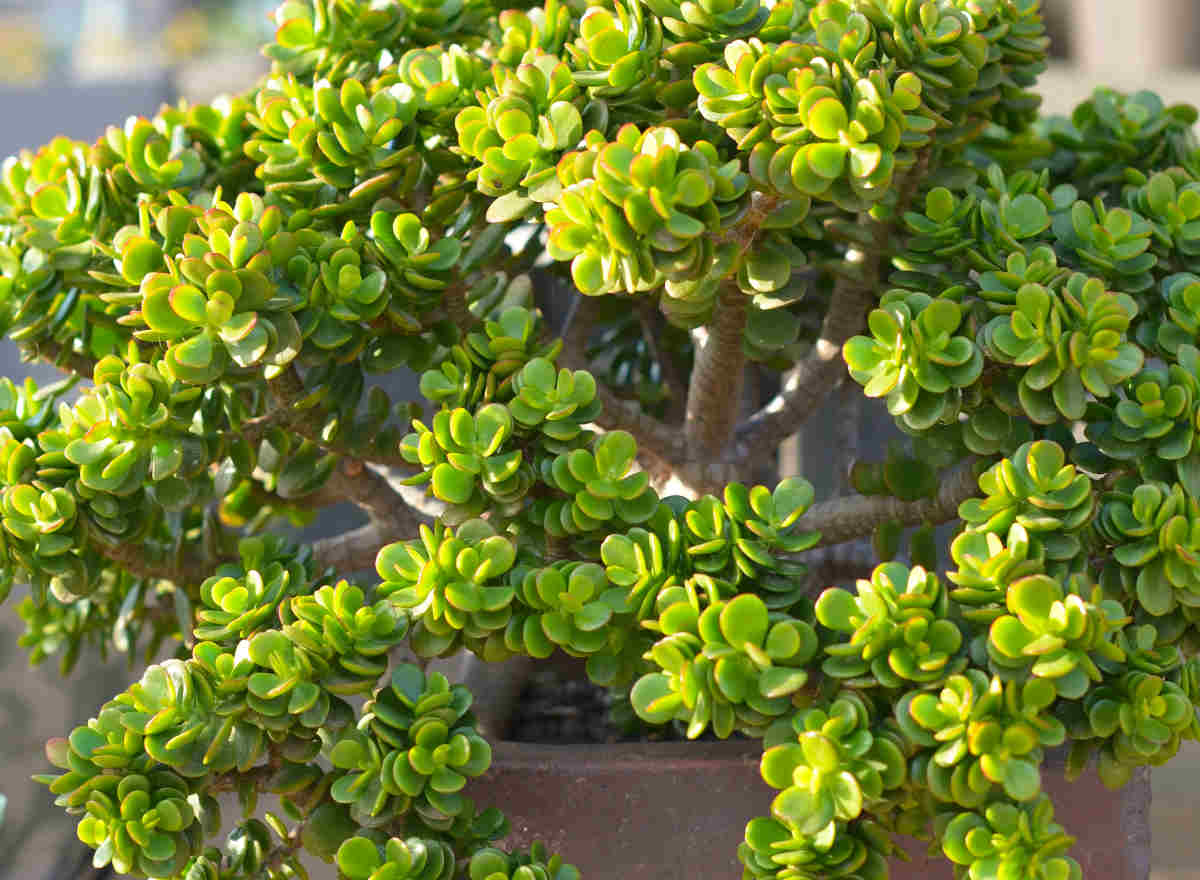
Just like the Jade plant, it belongs to the Crassulaceae family.
Read also:
If you love butterflies, plant stonecrop because those insects are attracted to it!