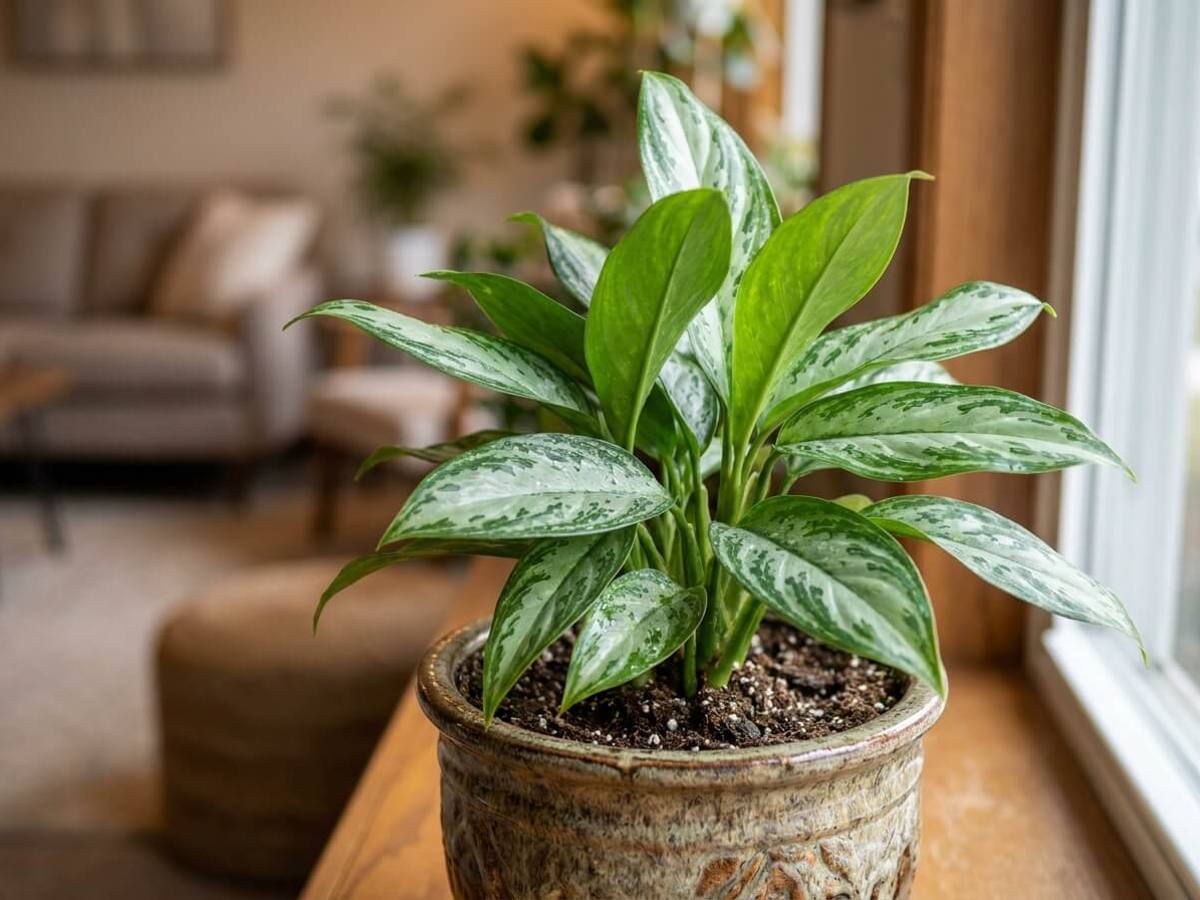
Ferns unfurl beautiful evergreen leaves that will even colonise a shaded wall, keeping it cool all year round, and root so tightly into their growing medium that they are hard to pull out again. This fern (Dryopteris) is grown indoors and out for its foliage and air-purifying habit; keep it out of strong sun and it asks almost nothing else.
Fern at a glance
Name
Dryopteris
Family
Dryopteridaceae
Type
perennial and indoor plant, leaf plant
Height
12 to 48 inches (30 to 120 cm)
Exposure
shade and part shade
Soil
ordinary
Foliage
evergreen
Both outdoors or indoors, it makes for very easy care and growing.
Planting of a fern
A bed of clay pebbles keeps pots draining freely
As an indoor plant, you can proceed to repot anytime during the year.
For this, use adequate potting soil mix and pour a bed of clay pebbles along the bottom of the pot to increase drainage.
For an outdoor plant, transplant from pot to ground in spring.
Whether you’re growing it indoors or outdoors, avoid excessively sunny locations.
Trimming a fern
Cut dried or yellowed leaves as they die off, one at a time.
All there is to know about fern
Ferns have the particular trait of being evergreen plants, and have the added benefit of being able to grow on walls, thus keeping them cool all year round.
Once it has started growing somewhere, it is very difficult to tear it out because its roots are tightly welded to its growing medium.
Ferns make great indoor plants thanks to their beautiful leaves and the very little care it requires.
The only maintenance that is called for is a little leaf plant organic fertilizer once or twice a year.
Ferns leaves, when they die off, can have many uses: spread them around fragile plants to winterize them, or along shrub beds to act as a moisture-retaining plant mulch!
Written by Gaspard Lorthiois | Loves helping out, especially when it comes to growing things. Worked in herbal medicine, runs a farm, and dabbles in tech. Master's degree and engineer.