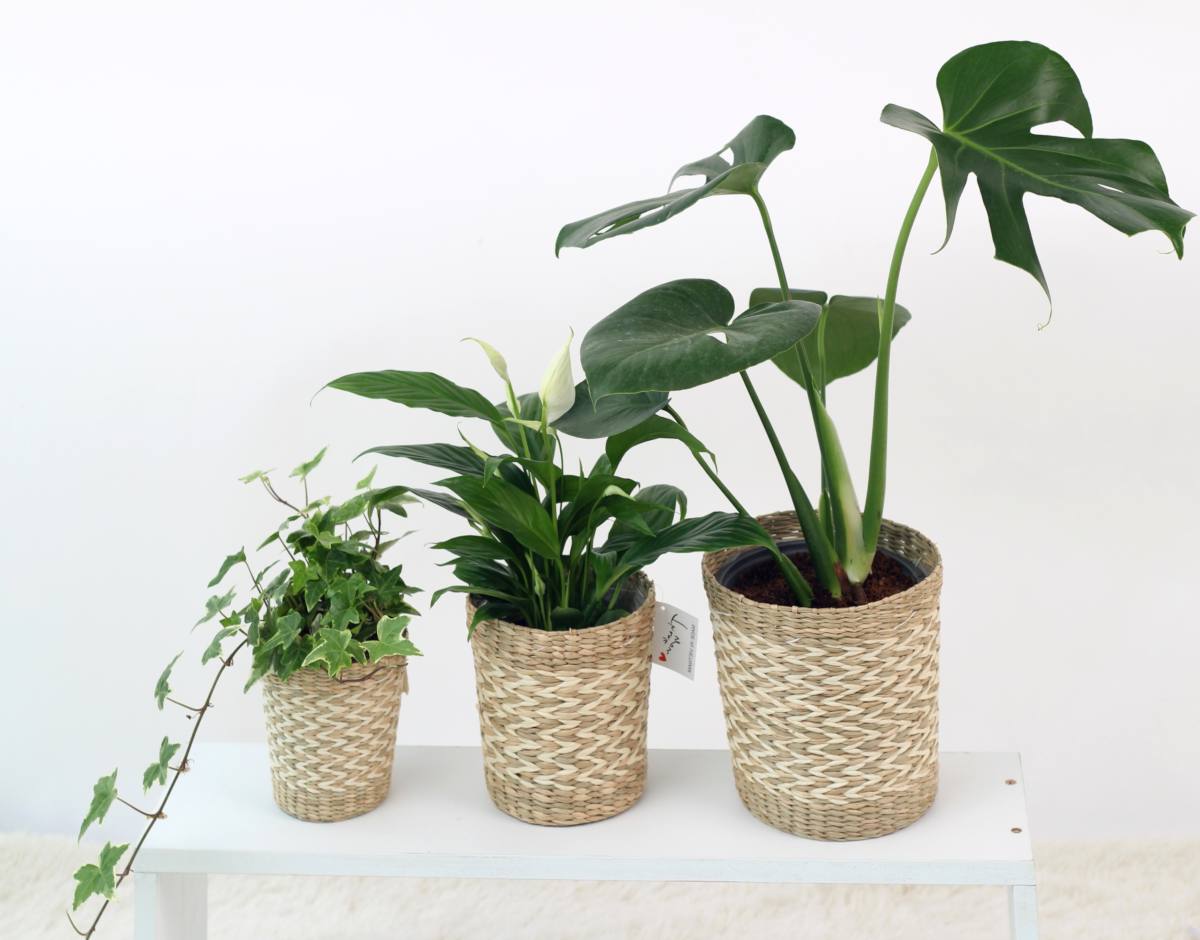
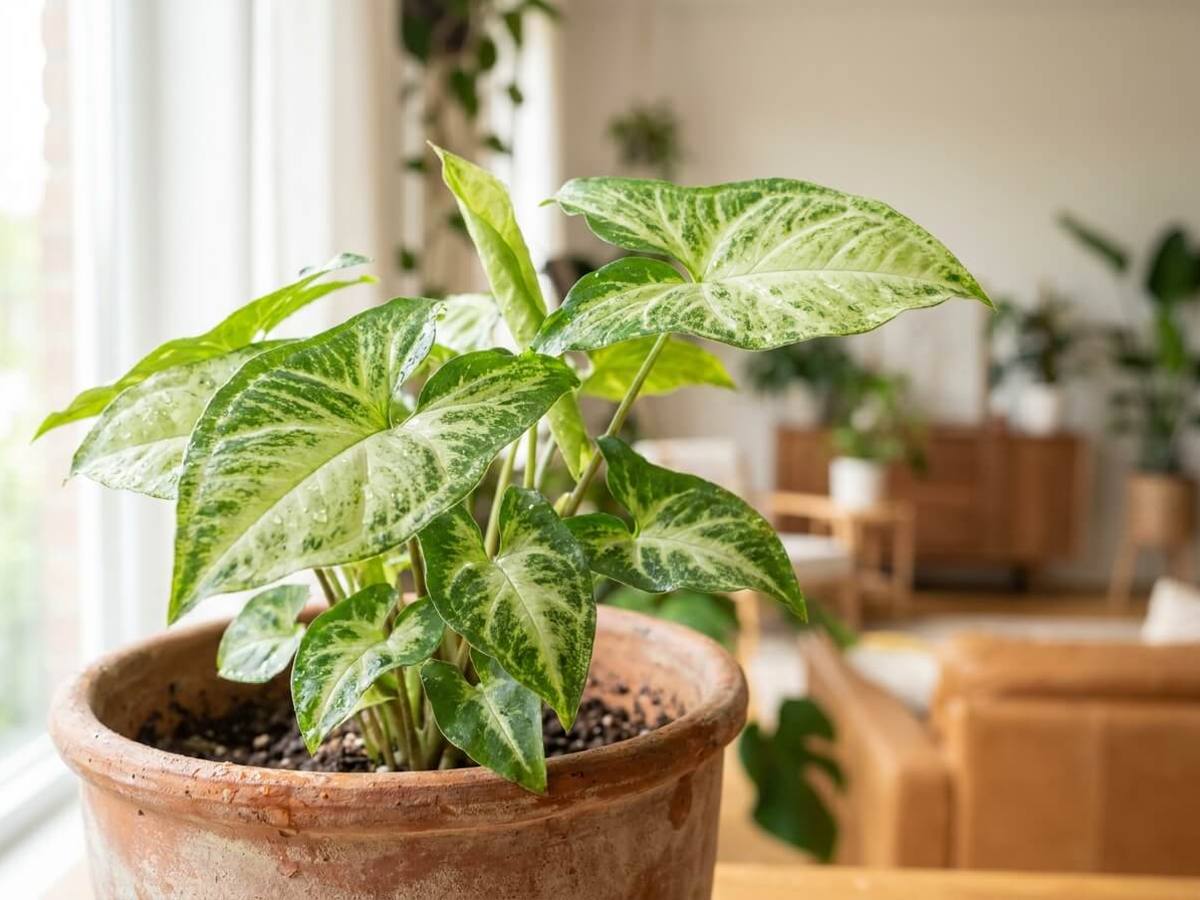
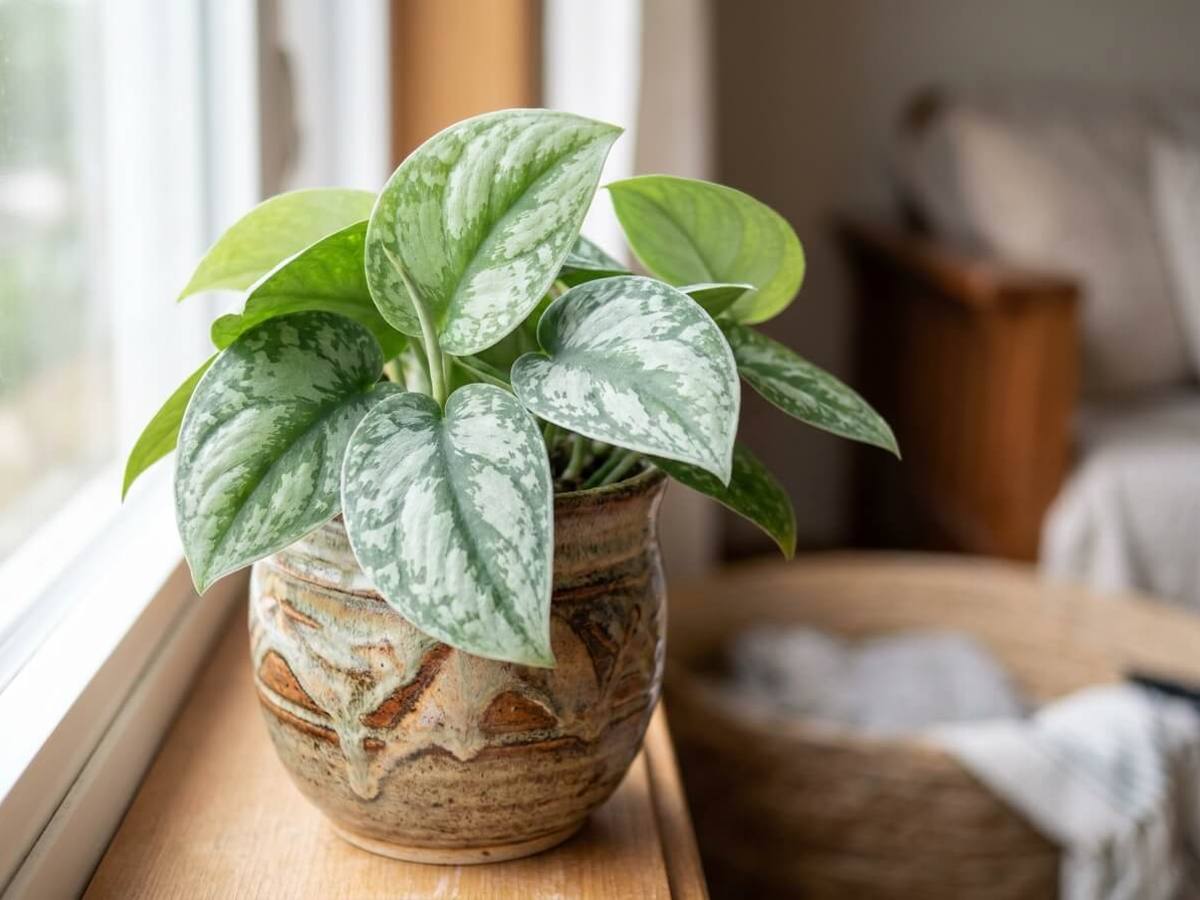
Paints, detergents, deodorisers and solvents leave benzene, xylene, formaldehyde and toluene drifting invisibly through our rooms. Air purifying houseplants take those compounds in through their leaves and convert them into harmless organic matter at the roots, and laboratory trials suggest that one good-sized plant for every 10 m² is enough to tell the difference.
Much more polluted than one can imagine, the indoors of our houses and apartments is loaded with invisible chemical compounds that most plants are able to absorb!
The air inside our indoors is loaded with toxic invisible substances that are poisonous for our bodies.
Most of the building materials that our houses are constructed from, as well as cleaning products, contain great amounts of toxic substances that weaken our health.
Paints, detergents, deodorizers, insecticides, solvents, etc… are concentrated sources of benzene, xylene, formaldehyde or toluene that are actually pollutants.
Thanks to a series of experiments prepared by French (Phyt’air) and American (NASA) laboratories, it has been proven that a great many plants can help us to evacuate or at least absorb most of these compounds.
How does a plant purify air
Although some research sometimes contradicts these results, studies performed on plants show that there is an indisputable beneficial impact of plants on the quality of the air we breathe in.
The basic phenomenon at play when depolluting plants filter the air is gas-phase exchange.
Toxic compounds present in the air are absorbed by the plant thanks to its leaves and are converted to active organic matter thanks to the root system.
The plant exhales perfectly healthy CO2 which is much better than what it inhaled.
It thus purifies air quality indoors and also regulates oxygen levels.
Of course, the more the plant grows, the more efficient this process will be.
Most active air purifying indoor plants
Most of the plants have an important role in this process, and it has even been proven that one good-sized plant for 10 sq. yards (10 m²) significantly improves the purity of the air.
However, certain plants, thanks to distinctive properties, are much more effective than others:
Written by Gaspard Lorthiois | Loves helping out, especially when it comes to growing things. Worked in herbal medicine, runs a farm, and dabbles in tech. Master's degree and engineer.