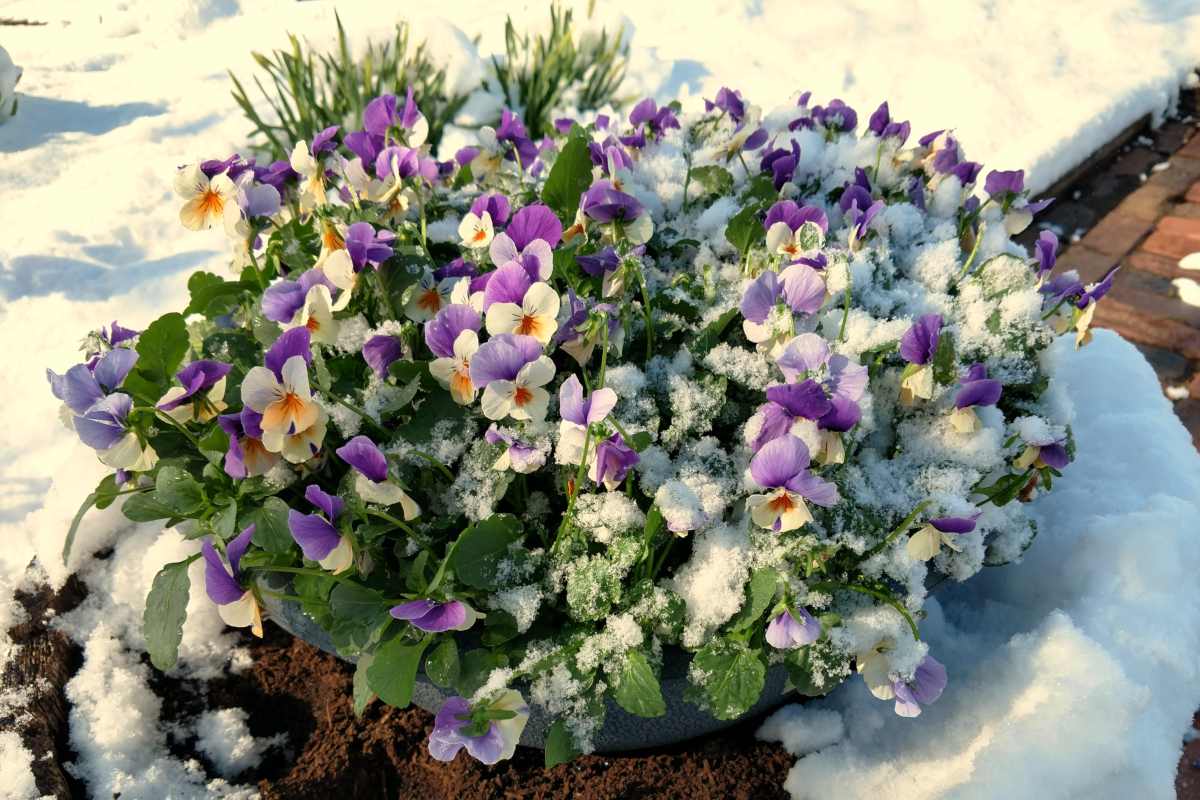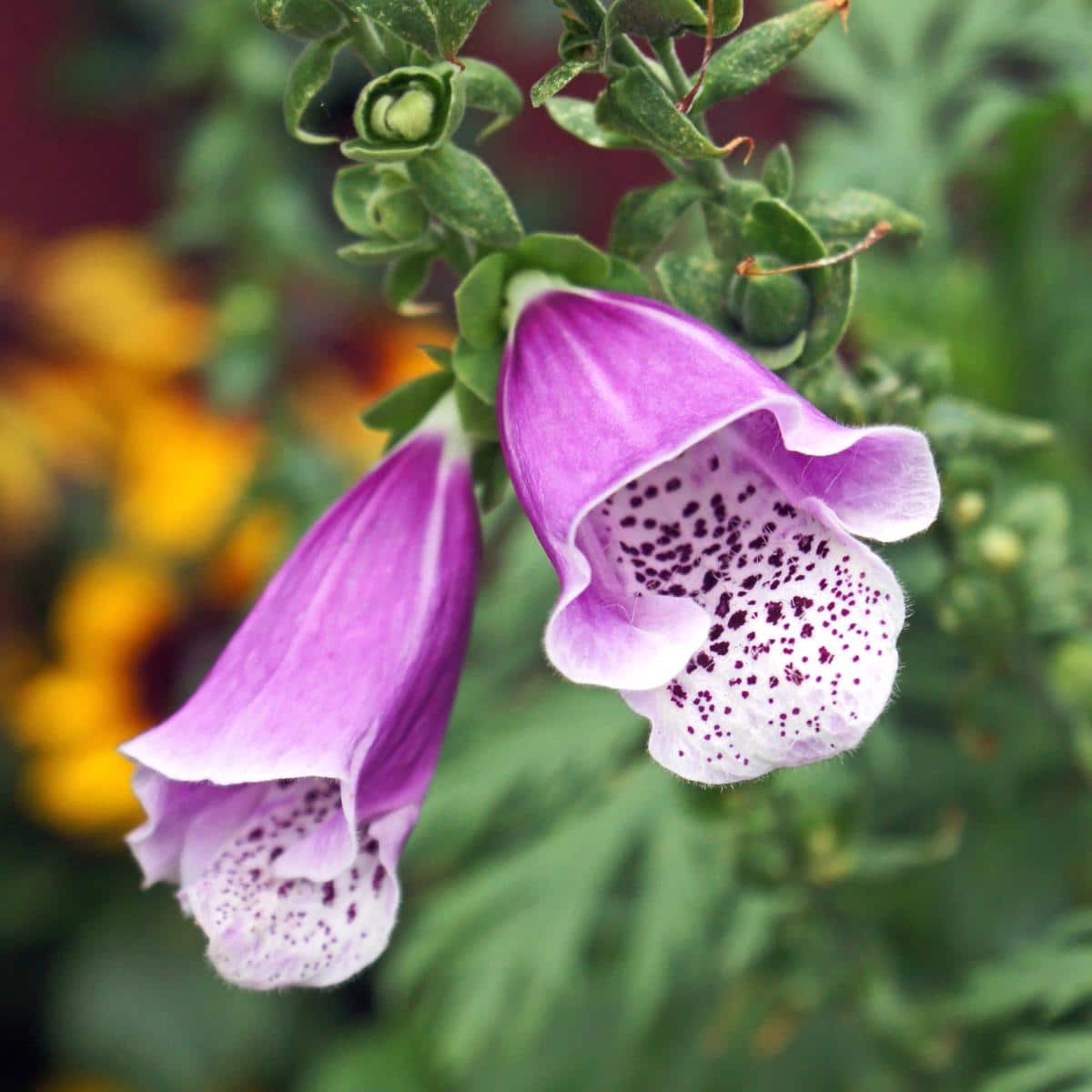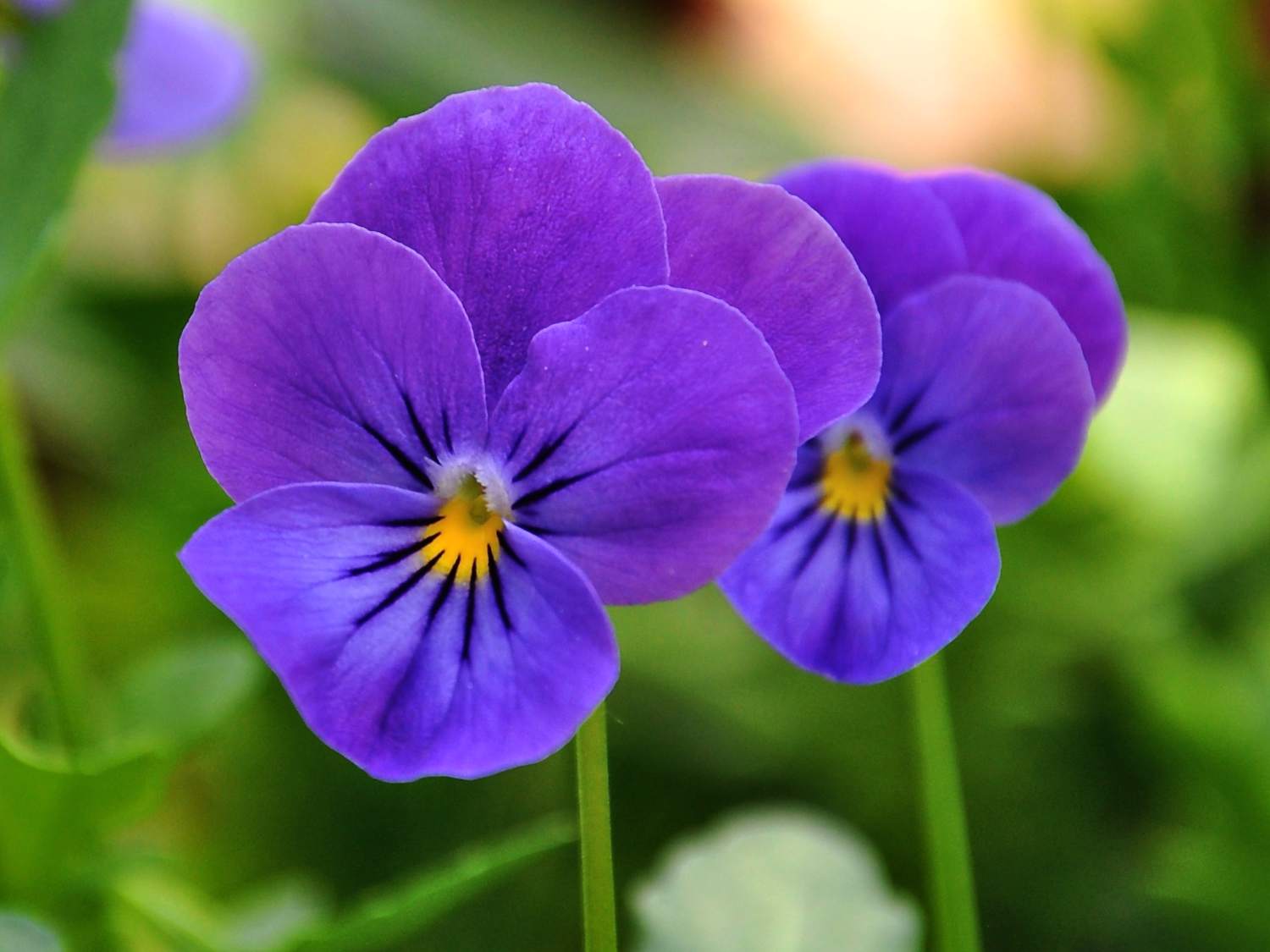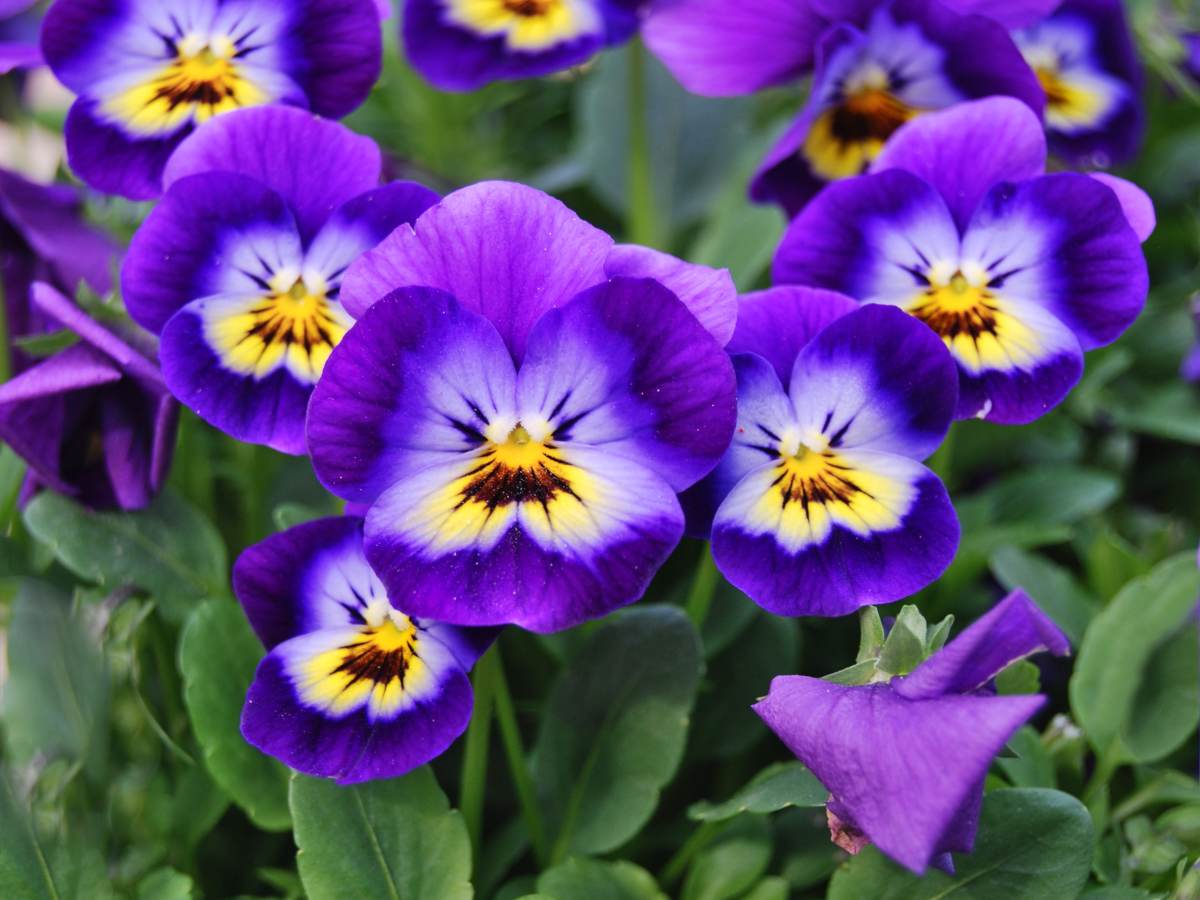
Two petals face up and three face down on each small bloom, with a long, slender spur trailing backwards — the feature that names it. Horned violet (Viola cornuta) is a hardy ground cover for beds and boxes, some varieties flowering through winter; give it full sun and ordinary soil and it shrugs off cold to 5°F (-15°C).
| Name | Viola cornuta |
|---|---|
| Family | Violaceae |
| Type | perennial |
| Height | 3 to 6 inches (10 to 20 cm) |
| Exposure | full sun |
| Soil | ordinary |
| Foliage | evergreen |
| Flowering | depends on variety: spring to summer or fall & winter → early spring |
Here is how to grow these nice ground cover flowers for year-long blooming.
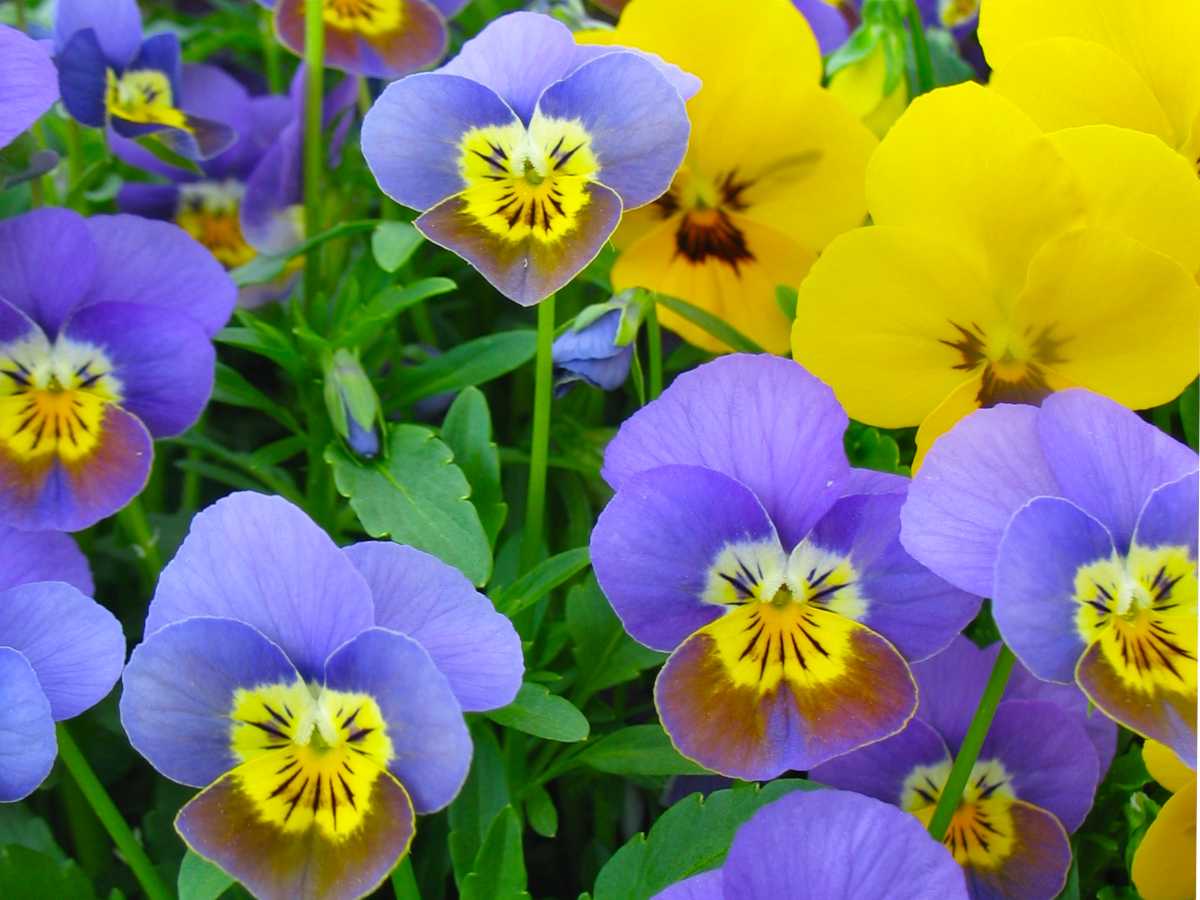
Planting of viola cornuta purchased in pots or containers is best done anytime in fall, and even up to the beginning of spring.
Sow in a nursery from June-July onwards, up until September.
It is highly recommended to transplant first to a nursery pot and then again to the ground in the following fall.
In any case, keep a distance of about 6 inches (15 cm) between each viola cornuta.
It only requires little care, perhaps only a bit of watering if the soil dries up.
You can remove wilted flowers regularly (deadheading) to trigger appearance of new buds.
When blooming is over you can cut back the entire mother plant and wait for new seeds to sprout.
It is better, though, to wait until the first flowers bloom from young sprouts before removing the older plants.
Viola cornuta is handled at very different times of year depending on whether you are planting, sowing or cutting back. The table below gathers the timings given in this article.
| Task | When | What it involves |
|---|---|---|
| Planting pot-grown plants | Anytime in fall, up to the beginning of spring | Plants bought in pots or containers, spaced about 6 inches (15 cm) apart |
| Sowing | From June–July until September | Sow in a nursery |
| Transplanting | The following fall | First to a nursery pot, then out to the ground |
| Blooming | March to the beginning of summer, then again in fall | Some varieties keep flowering all winter long |
| Cutting back | When blooming is over | Cut back the entire mother plant and wait for new seeds to sprout |
Because flowering resumes in fall, spacing planting and sowing as above keeps the bed covered nearly all year round.
Varieties differ mainly in flower colour and in when they flower, some carrying on through winter while others peak in spring. Use the table to match a variety to your bed, box or edging.
| Variety | Flower colour | Height | Main flowering | Best use |
|---|---|---|---|---|
| ‘Boughton Blue’ | Soft sky blue | 6 in (15 cm) | Spring to autumn | Front of border |
| ‘Alba’ | Pure white | 6 to 8 in (15 to 20 cm) | Spring to summer | Edging, ground cover |
| Sorbet Series | Wide colour range, many bicolours | 6 in (15 cm) | Autumn through winter to spring | Garden boxes, bedding |
| ‘Rebecca’ | Cream flecked violet, scented | 6 in (15 cm) | Spring to autumn | Pots, window boxes |
| ‘Etain’ | Pale yellow, violet edge | 8 in (20 cm) | Spring to autumn | Containers, mixed beds |
Viola cornuta looks a lot like pansy. They belong to the same family, but this violet is much more hardy than pansy is.
The flowers look similar to those of the little blue, yellow or white-colored pansies.
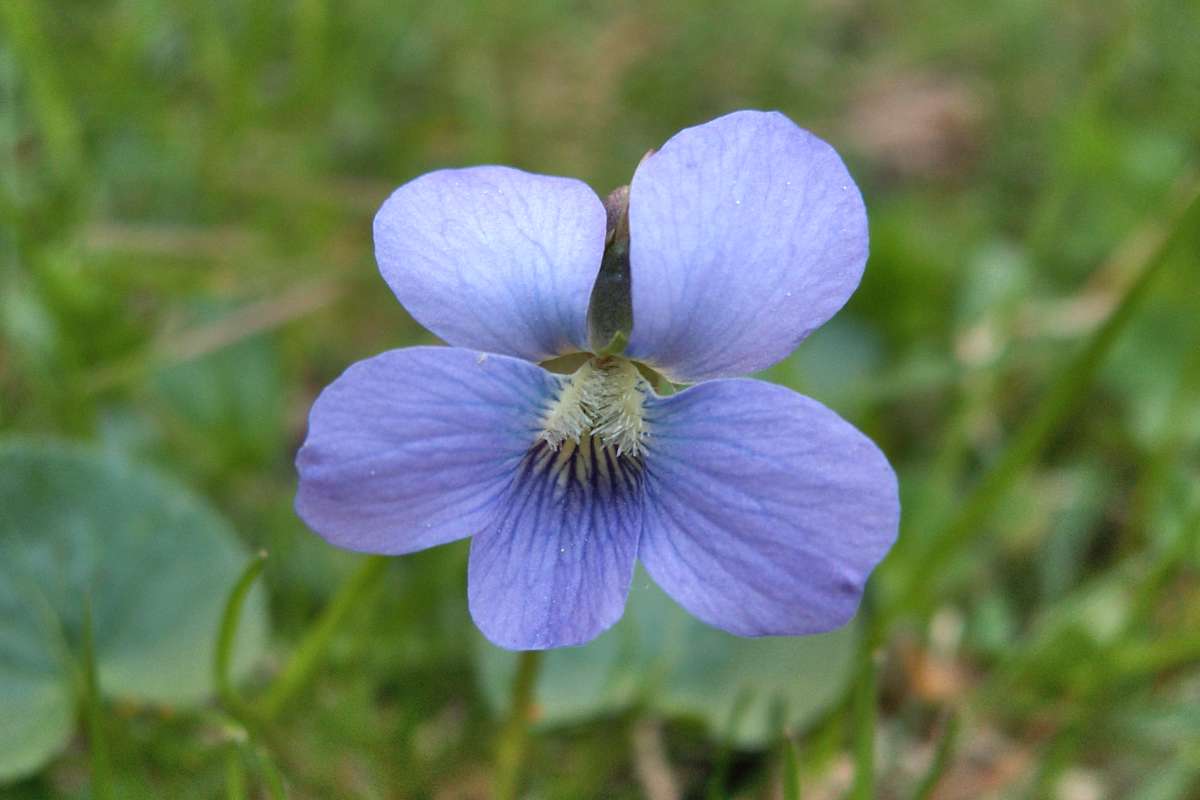
The petals is how you can distinguish pansies from viola cornuta.
Since viola cornuta is particularly hardy, it will resist winder colds very well, even down to 5°F (-15°C).
You’ll be blessed to have flowers blooming all winter long for some varieties, over a relatively lengthy period.
Blooming starts in March and continues up to the beginning of summer, and it resumes again in fall.
The viola cornuta that blooms in spring is perfect paired with tulips which also bloom at the same time!