Small white flowers, sometimes tinged with pink, bring the honeybees in spring, then give way to tiny red berries that cling to the branches all winter and feed hungry birds. Cotoneaster earns its keep as a hedge, a shrub bed or ground cover; give it sun and it shrugs off frost down to 5°F (-15°C).
| Name | Cotoneaster |
|---|---|
| Family | Rosaceae |
| Type | shrub |
| Height | 1½ to 10 feet (0.5 to 3 meters) |
| Exposure | full sun, part sun |
| Soil | ordinary |
| Foliage | deciduous or evergreen |
| Flowering | late spring |
Caring for it, from planting to pruning is very easy. This ornamental shrub is a source of joy throughout the year.
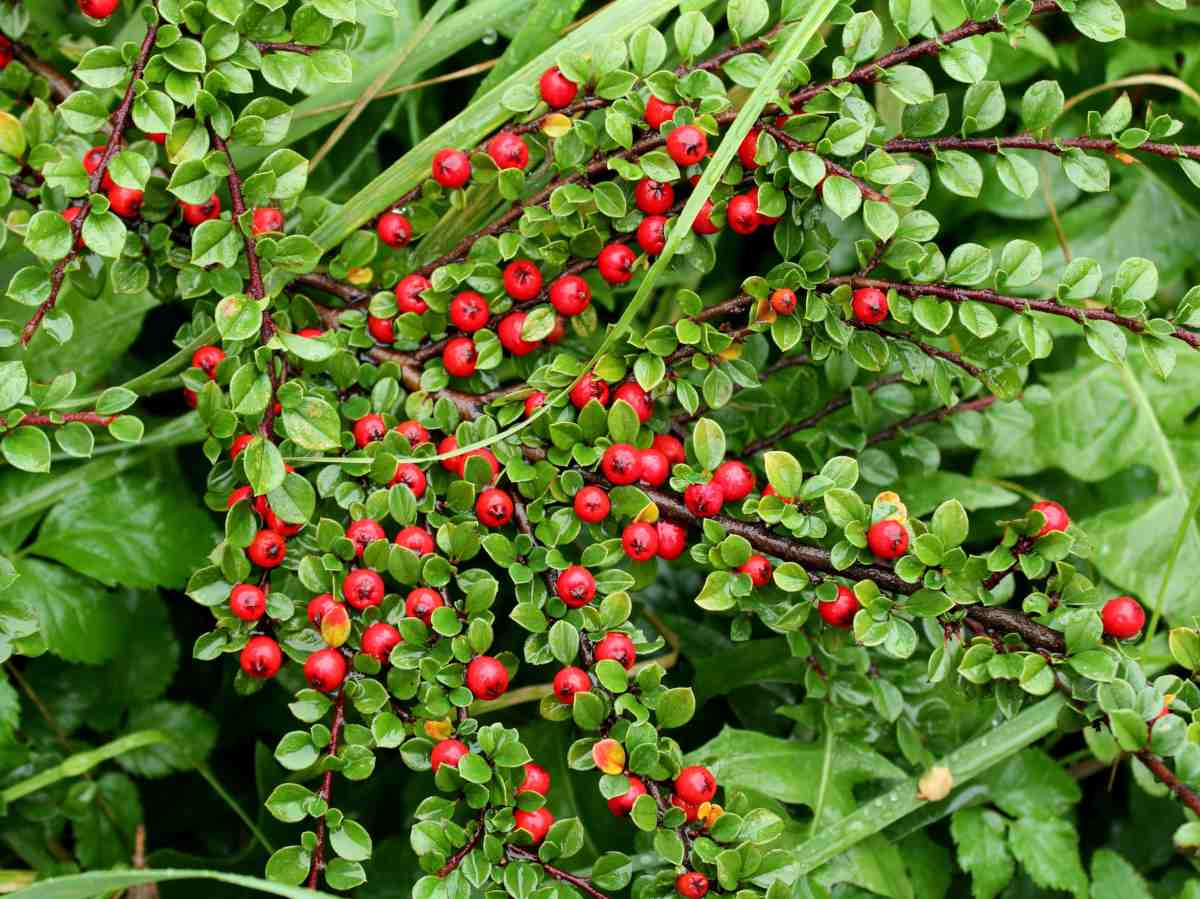
Cotoneaster is ideally planted in fall, which will favor root development. Indeed, late autumn is the period when planting conditions are most favorable.
In spring, you can still plant saplings purchased in containers, but they will need more regular watering at the beginning.
Cotoneaster is a shrub that you can multiply quite easily. Prefer cuttings, it’s the method that yields the quickest results.
Even though preparing cuttings might seem a little difficult, it still is the best way to propagate this shrub.
Before starting, try to get hold of rooting hormones, this will increase your chances of success.
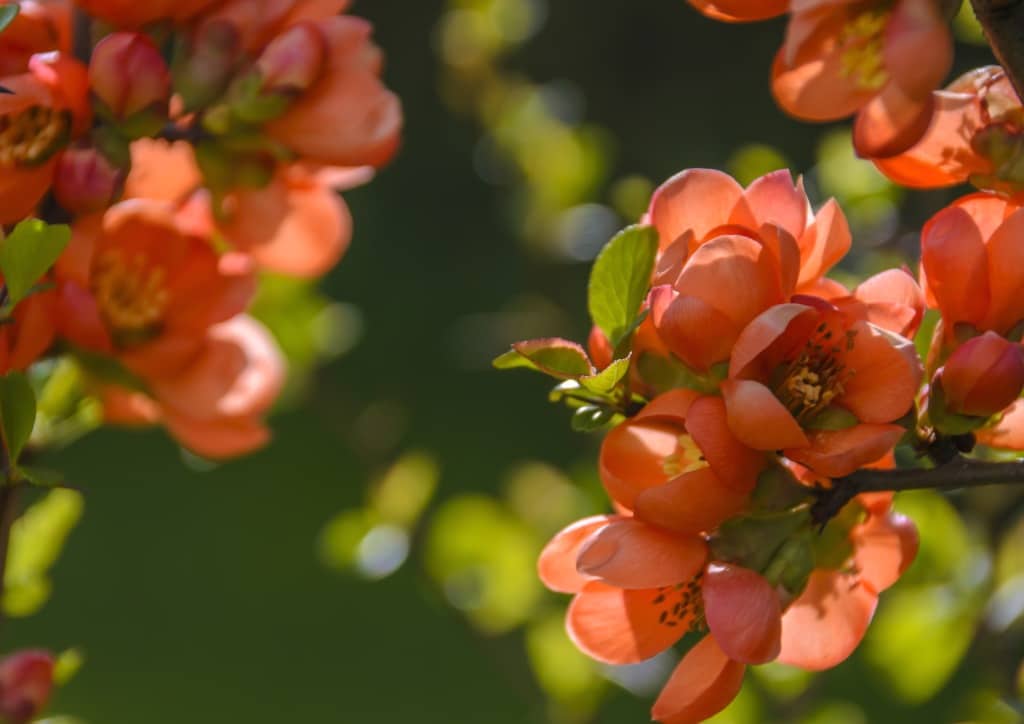
Maintenance is easy for cotoneaster, it is an easy shrub since its needs are very limited.
As is done with most other plants, a timely bout of hoeing will help restrain weed growth. Furthermore, loose soil helps rain trickle down to the roots.
Evergreen species are best pruned at the beginning of spring to shape and balance the shrub to your taste.
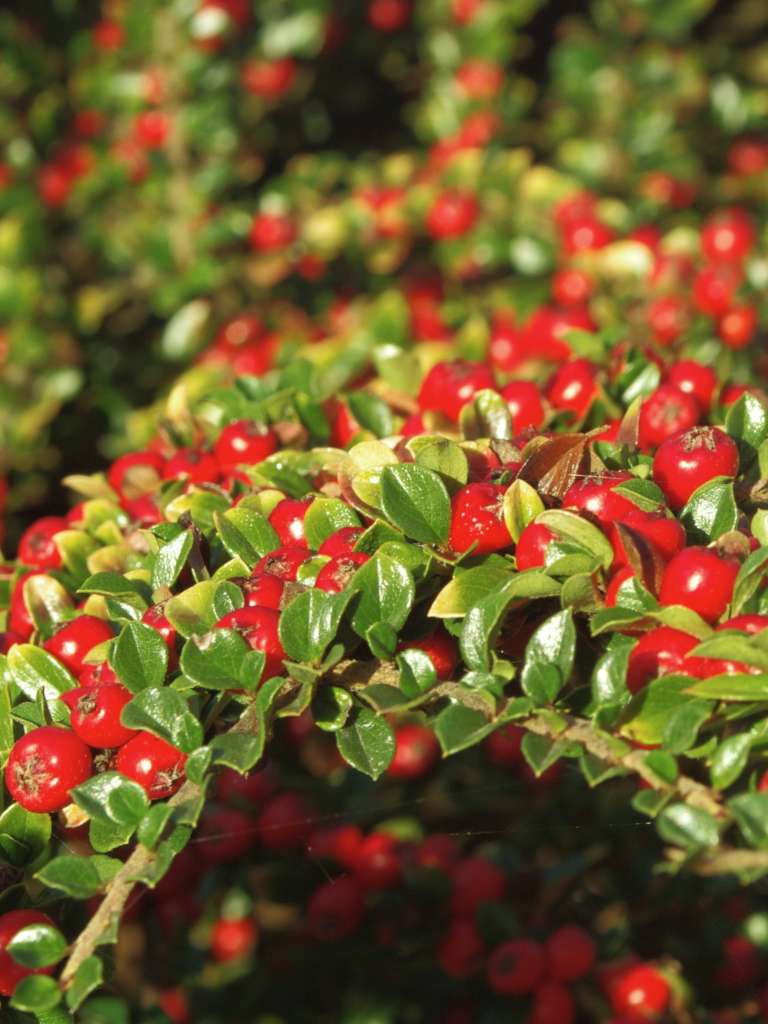
Cotoneaster can bear pruning well. If need be, hack away at it with severe pruning since the shrub can take it without a fuss. Just try to remain within this “early Spring” time frame.
In the same manner, you can remodel and prune all deciduous varieties by pruning just before spring growth.
Regular pruning helps keep the shrub dense, ensures nice flowers and thick foliage.
Cotoneaster only needs water in case of strong heat, except for the first year after planting where watering should be constant.
It is also good to water in summer especially if it’s been days since the last rainfall.
Potted cotoneaster, however, has much higher water needs, and you should water as soon as you notice the surface soil dry off.
Almost everything a cotoneaster asks for is a matter of timing, and that timing changes depending on whether your shrub is evergreen or deciduous. Here is the whole year on one line each.
| Task | Best timing | What to remember |
|---|---|---|
| Planting in open ground | Fall, ideally late autumn | Roots settle before growth restarts |
| Planting container-grown saplings | Spring | Water more regularly at the start |
| Cuttings, evergreen types | End of summer | Take stems from semi-hardened wood |
| Cuttings, deciduous types | Summer | Select wood that is still soft |
| Pruning evergreen species | Beginning of spring | Shape and balance the shrub to taste |
| Pruning deciduous varieties | Just before spring growth | Severe pruning is tolerated |
| Watering | Summer heat, and all through the first year | Pots dry out and need far more |
Stay within these windows and the shrub will more or less look after itself.
Quite resistant in the face of many diseases, cotoneaster can however fall victim to fire blight. If this happens, survival chances are, sadly, very low.
Scale insects and aphids occasionally appear in summer. These are the two main cotoneaster parasites.
Cotoneasters range from flat carpets that hug a bank to tree-sized shrubs dripping with fruit, so the right choice depends almost entirely on the job you have in mind. The table below sets out the types most often stocked by garden centres and mainstream catalogues.
| Variety | Foliage | Habit | Berry colour | Best use |
|---|---|---|---|---|
| ‘Decorus’ | Evergreen, tiny leaves | Low, arching mound | Heavy crop of red | Ground cover, rock gardens |
| ‘Cornubia’ | Semi-evergreen | Tall, tree-like | Abundant deep red | Specimen shrub, small tree |
| ‘Rothschildianus’ | Evergreen, willow-like | Tall, wide-arching | Creamy yellow | Specimen shrub, colour contrast |
| ‘Coral Beauty’ | Evergreen, small and glossy | Prostrate, spreading | Orange-red | Ground cover, edging, containers |
| ‘Repens’ | Evergreen, narrow leaves | Prostrate, trailing | Red | Banks, wall tops, ground cover |
| ‘Skogholm’ | Evergreen | Vigorous, low and spreading | Sparse coral-red | Large-scale ground cover, slopes |
| ‘Gnom’ | Evergreen, fine-textured | Dwarf, dense mound | Red | Small gardens, rockeries, pots |
| ‘Hybridus Pendulus’ | Evergreen to semi-evergreen | Weeping, usually grafted as a standard | Glossy red | Lawn specimen, patio focal point |
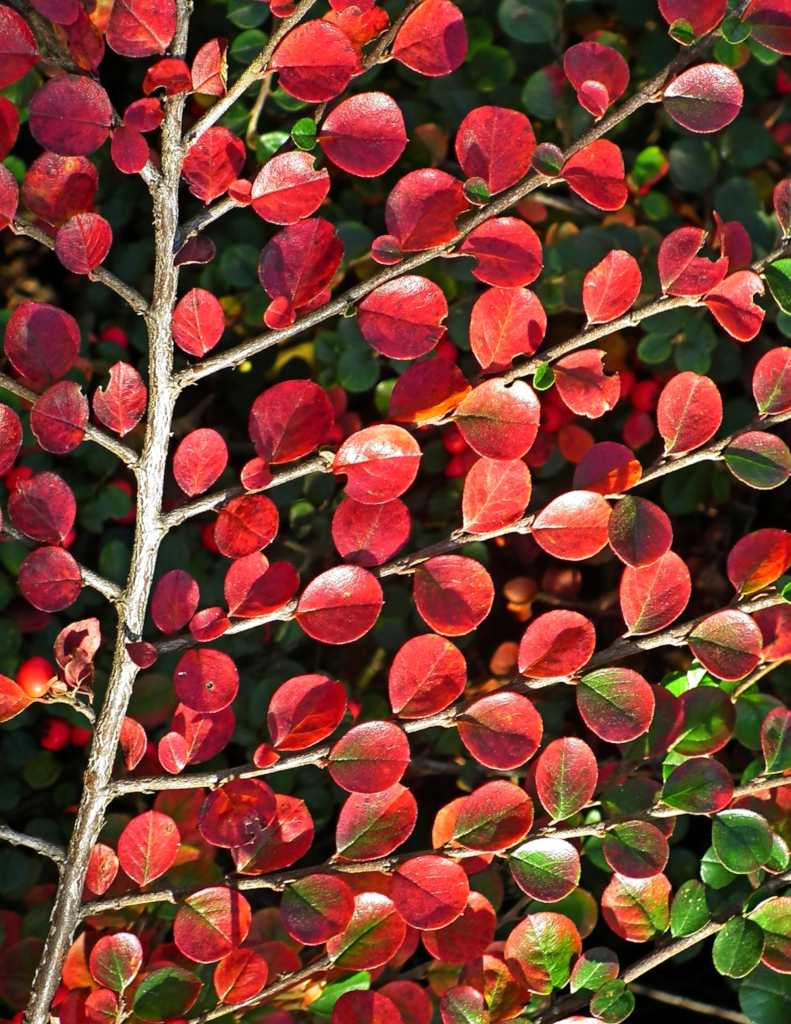
This shrub, most often found to be part of a hedge, a shrub bed or for ground cover, is distinctive thanks to its very ornamental red berries. Accordingly, over 200 species have been accounted for to date.
This plant is also excellent for ground cover. For this specific use, the best variety is Cotoneaster horizontalis.
For hedges, the most appropriate variety is C. franchetii. This taller species is indeed compatible with any shape and height up to 6 to 10 feet (2 to 3 meters) tall.
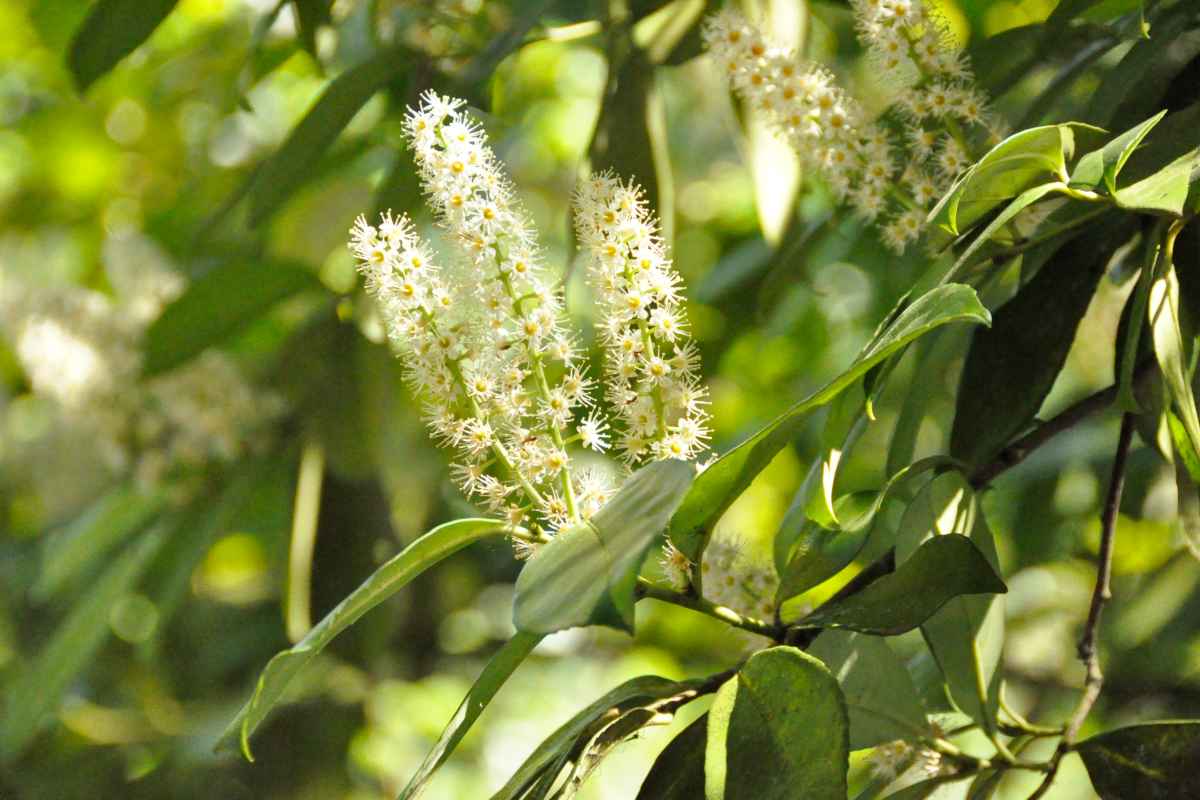
Its blooming produces small white flowers. Depending on the variety, these sometimes show tinges of pink. In any case, come Spring they’re a favorite source of nectar for honeybees.
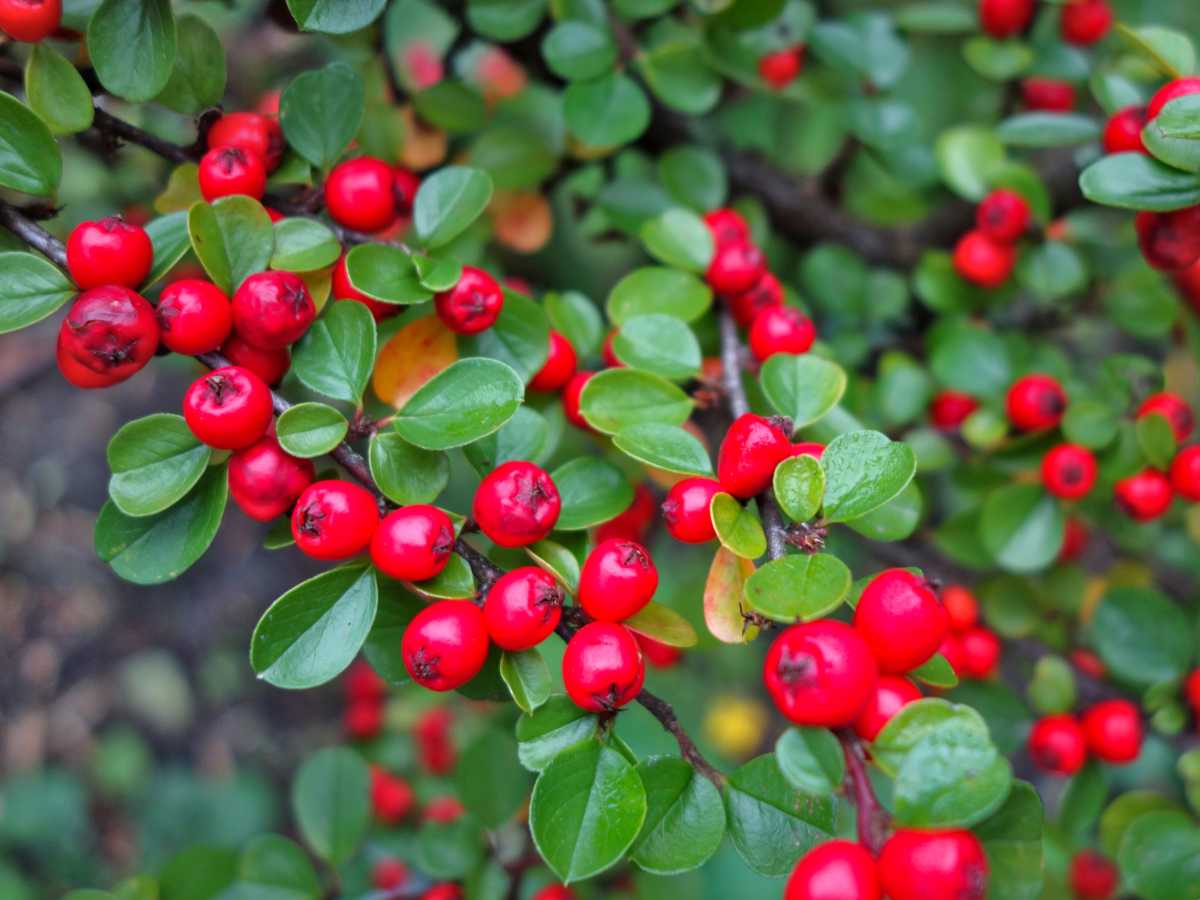
At the end of summer and in fall, tiny red berries will cover your shrub. What’s more, they remain on the shrub all winter long. Cotoneaster is a perfect source of winter food for hungry birds.
In winter, tolerance to cold temperatures reaches down to 5°F (-15°C). It resists freezing and is quite hardy.
To save on water, evening is the best time to water potted cotoneaster. Add mineral mulch to the pot.