Clouds of white and pink flowers open at the very beginning of spring, followed by cherries that go into jam or spirits; this is the wild cherry, or gean (Prunus avium), whose timber furniture makers prize just as highly. Give it full sun, humus-rich, well-drained soil and shelter from wind, and the display lasts.
| Name | Prunus avium |
|---|---|
| Family | Rosaceae |
| Type | tree |
| Height | 16 to 40 feet (5 to 12 meters) |
| Exposure | full sun |
| Soil | humus-rich, well drained |
| Foliage | deciduous |
| Flowering | spring |
Pruning and care take a large part in supporting wild cherry tree growth and blooming.
It is recommended to plant the wild cherry tree in fall, before the first frost spells, to give it time to develop roots.
If you plant your wild cherry in winter, proceed only if it doesn’t freeze.
Just like most trees that have been purchased in pots or containers, it’s possible to wait for spring and summer to transplant it, if you avoid hot spells.
If this is the case, it will be necessary to water regularly over the first few months after planting.
Wild cherry can go in the ground over several seasons, but each one comes with its own condition. This table sums up the timings given below, including the one moment when cutting is justified.
| Task | Season | Condition to respect |
|---|---|---|
| Planting (recommended) | Mid to late autumn | Get it in before the first frost spells so roots have time to develop |
| Planting | Midwinter to late winter | Only go ahead if the ground is not freezing |
| Planting pot-grown trees | Mid-spring to midsummer | Avoid hot spells, then water regularly for the first few months |
| Pruning dead and weak wood | Midwinter | Tree at rest; cut nothing but dead or diseased branches |
Beyond that winter clean-up, leave the tree alone: pruning is not recommended for Prunus.
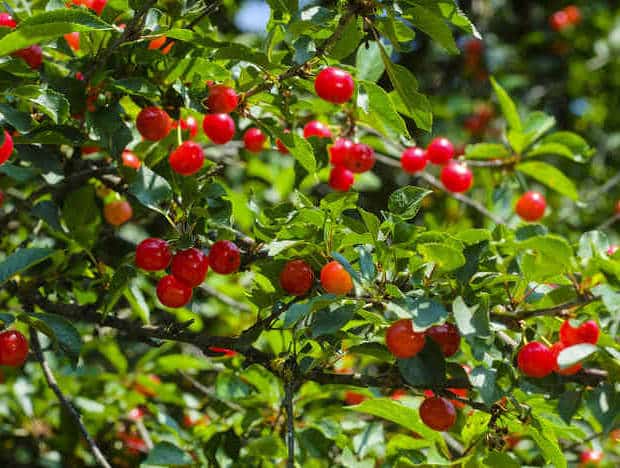
As for all the trees of the Prunus family, pruning isn’t recommended.
Thus, the only pruning that is really important is the removing of dead and weak wood.
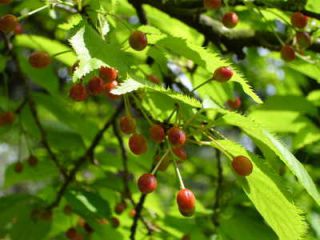
Also called sweet cherry or gean, this tree is native to Europe, West Asia and North Africa. The European name for it, “Merisier” comes from the latin root “Amarus cerasus” which means “bitter cherry”.
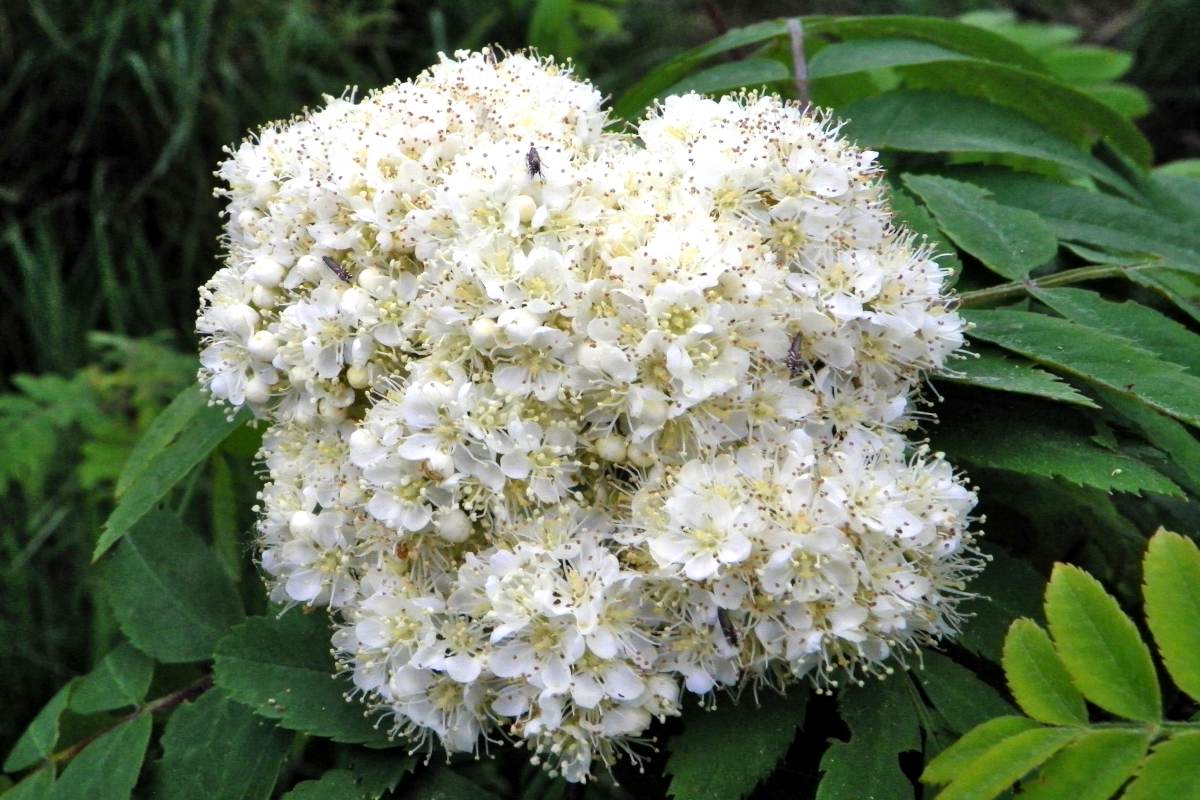
The wild cherry tree is absolutely magnificent. It prettifies the beginning of spring with abundant flowers in hues of white and pink. This period, although quite short, will turn your garden into a colorful space and announces the return of spring.
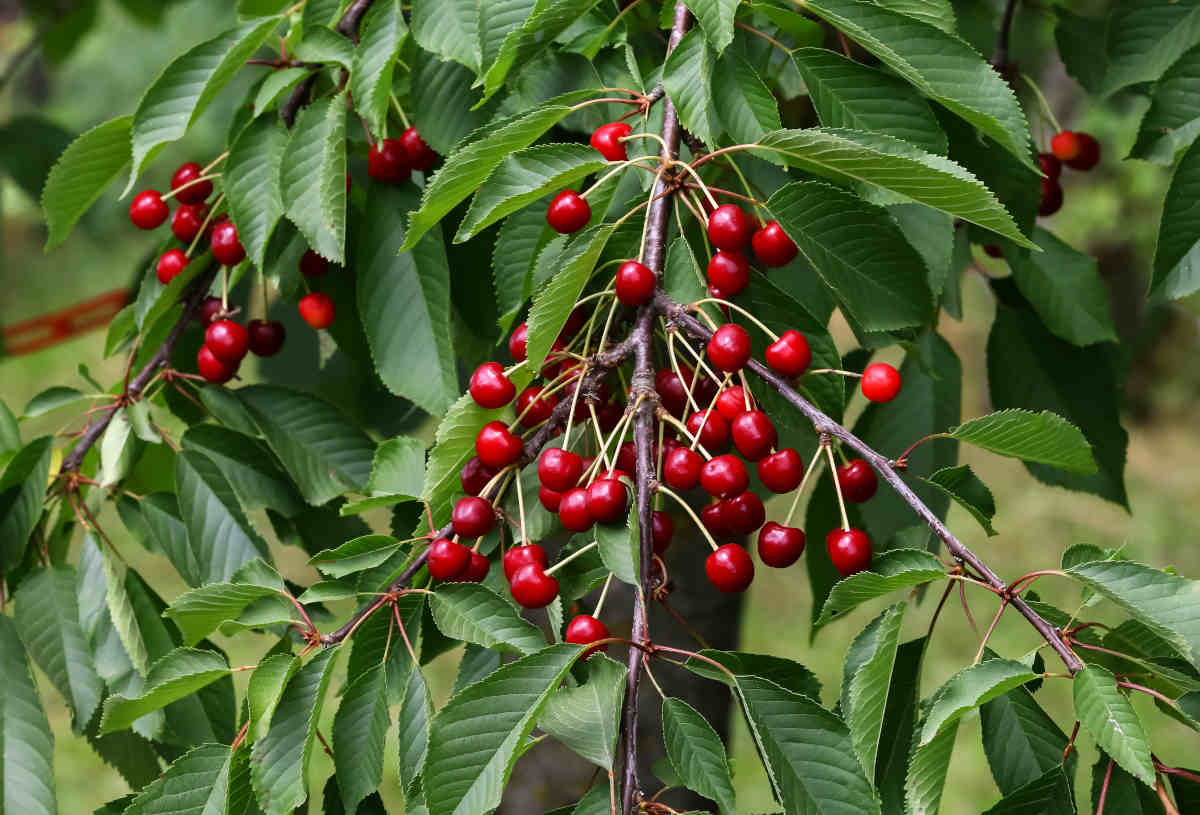
Wild cherry is more often than not cultivated for its fruits or its wood, which furniture makers appreciate.
Wild cherry is savored either as jam or in spirits.
Avoid places that are too exposed to wind so that the fragile blooms aren’t swept away too soon!