Winter blooming shrubs, beautiful flowers in the cold
·
1
Gold yellow mimosa, and the cool blue flowers of tree germander that carry on deep into spring: a handful of shrubs flower when all the other plants are at rest. Mimosa needs a relatively mild climate to bloom in midwinter or late winter, so match the shrub to your garden and you gain colour in the bleakest weeks.
They are unique in that they bloom when all the other plants are at rest.
Also, these shrubs are appealing, beckon to the eyes and give a touch of color that makes one feel gay and happy in your garden.
Blooming in winter isn’t their only advantage
These shrubs also take it on them to support the local ecosystem when fauna and flora are rather sleepy…
Plants that put on such remarkable dresses also do it to attract insects and birds that are part of the species reproductive cycle thanks to pollination.
Flowering in the season when there are much less other flowers around is a great way to catch attention, and winter flowering species usually boast the highest fertility rates!
Plant wintersweet or mahonia beside a path or doorway, where the scent carries.
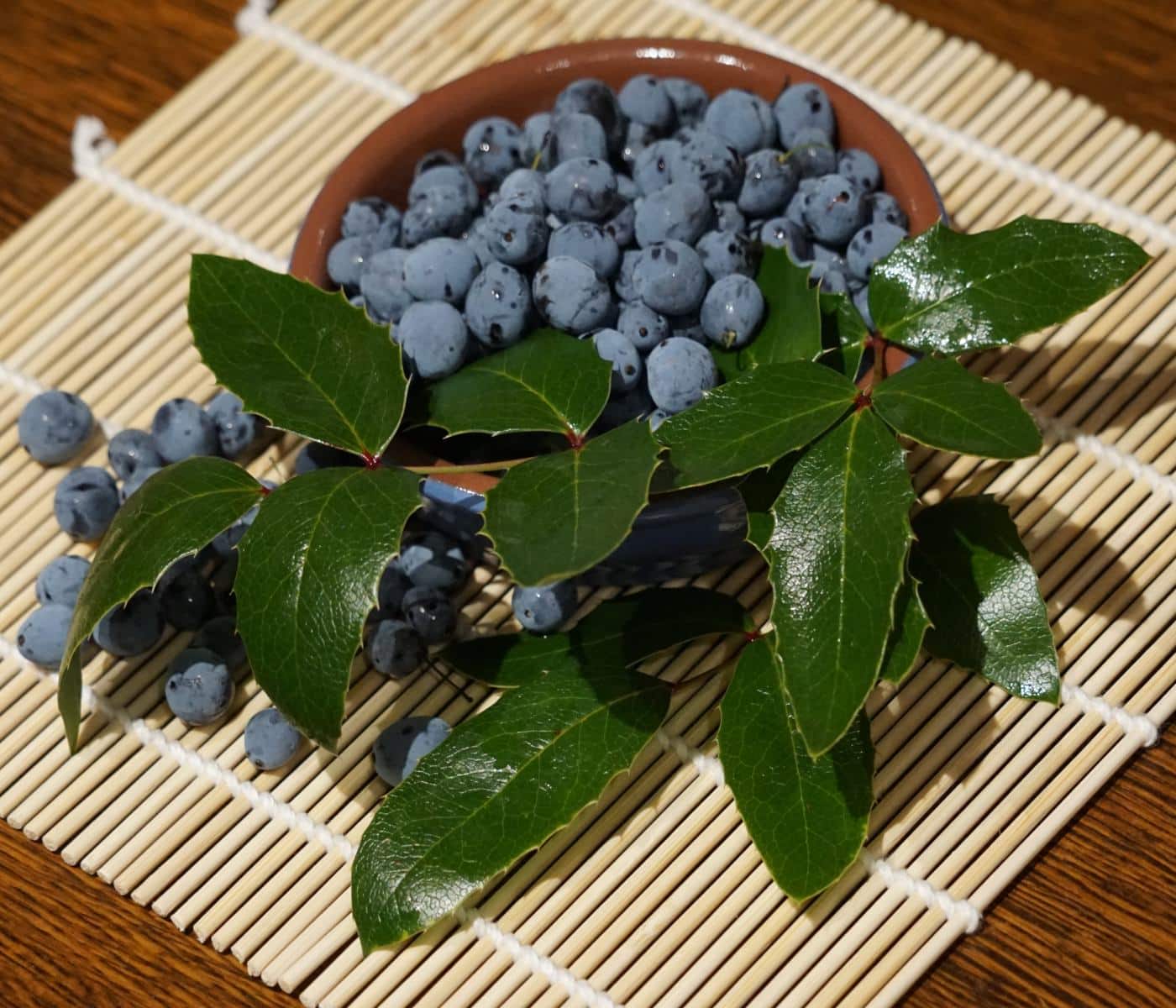
Mahonia’s yellow spikes feed bumblebees active on mild days, and the blue-black berries that follow are taken by blackbirds, so leave them unpicked.
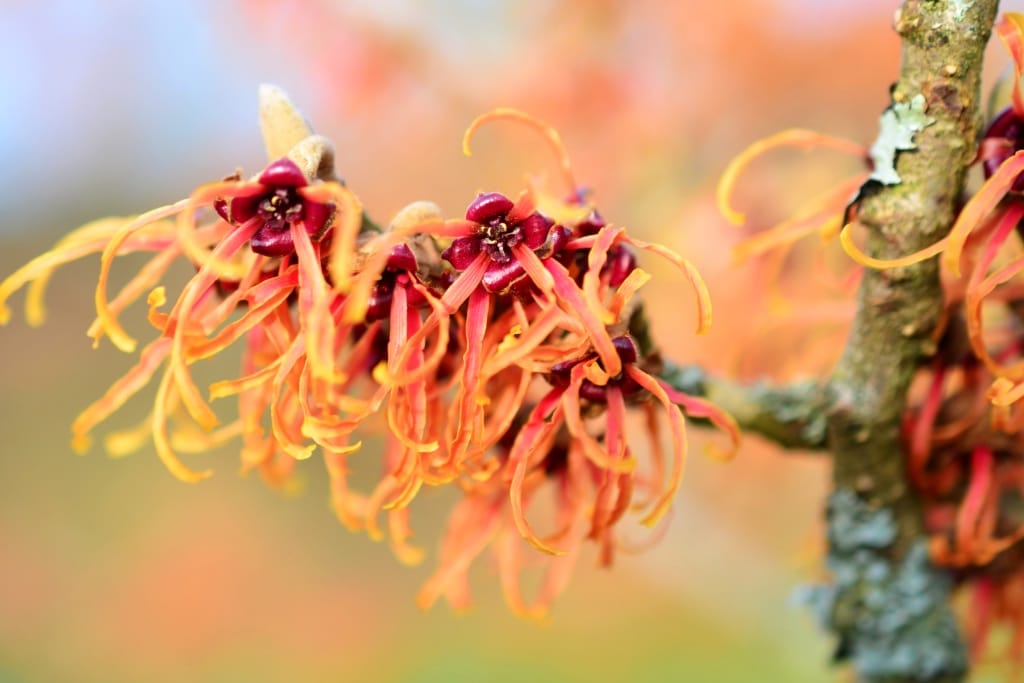
Prune witch-hazel only once its flowers have faded, as cutting earlier removes the very buds you were waiting for.
Give mimosa and winter camellia a spot sheltered from cold drying wind, which browns open petals and keeps pollinating insects away.
The most beautiful winter flowering shrubs
Mimosa tree is one of the most famous due to its magnificent gold yellow garb, but sadly it can’t grow everywhere. It needs relatively mild climate to be able to bloom in midwinter or late winter.
Mahonia produces bright yellow berries, witch-hazel flowers with such beauty, and wintersweet, all offer shades of yellow to brighten up your yard.
Maule’s quince will win you over for a terrace or balcony, since it is perfectly suited to growing in pots. Hedges are also perfect for this shrub.
Tree germander, which blooms at the end of winter and deep into spring, calls softly to the onlooker with its cool blue flowers. It gives a delicate touch to your shrub beds or your terrace.
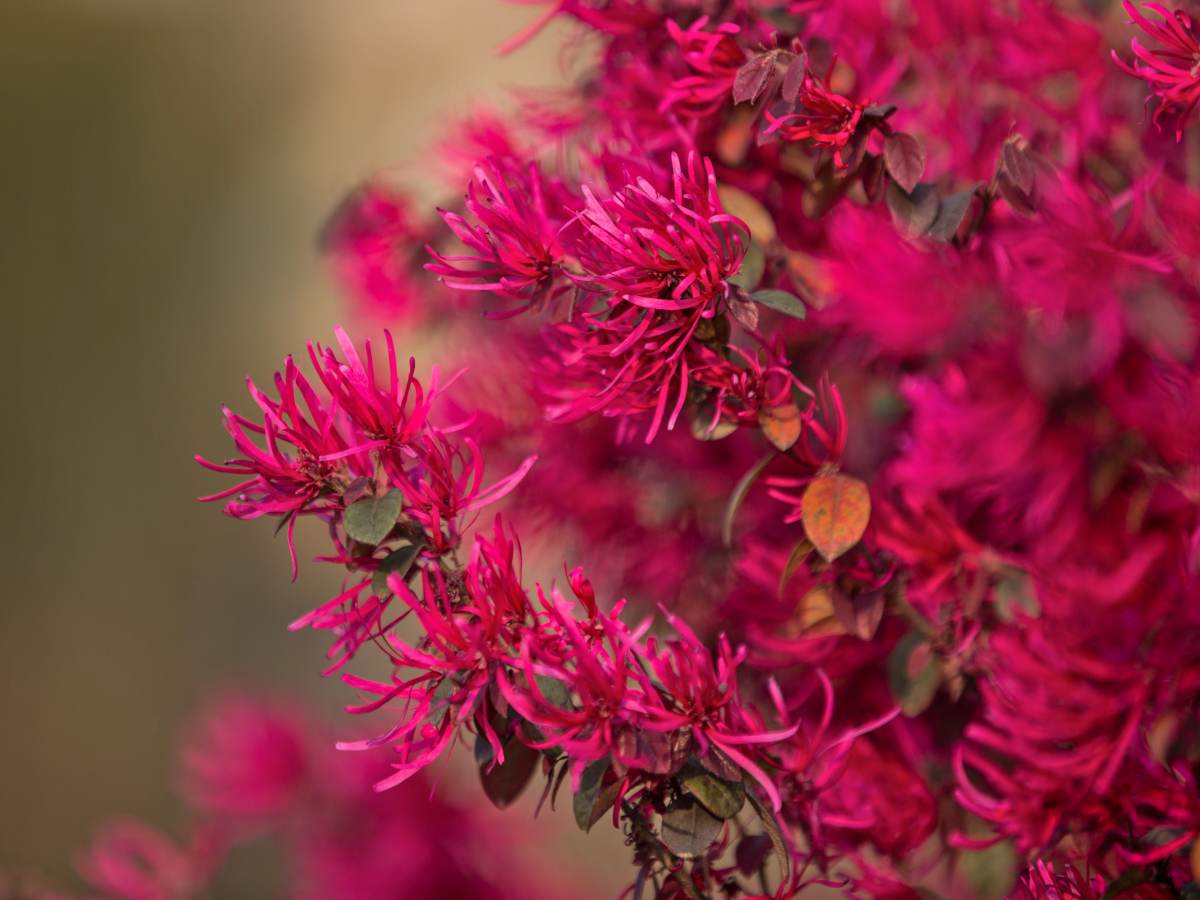
For a little more original surprises in your garden, go ahead and choose the silk tassel bush which bears unique long white flowers that are remarkable.
Finally, Persian ironwood is more a tree than a shrub. The green color of its leaves are one of a kind and the color changes with the seasons. It blooms from midwinter to early spring and is much loved by our feathered friends.
Here are a few pictures…
MimosaGold yellow flowers, but only where winters are mild
Shrubs are only part of the picture — 10 winter flowers adds the bulbs and perennials that flower at the same season.
Winter flowering shrubs at a glance
The shrubs described above differ in flower colour, in when they open and in where they fit best. Use this summary to pick the one that matches your climate and the spot you have in mind.
Winter flowering shrubs at a glance
Shrub
Flowers
Flowering time
Best used for
Mimosa tree
Magnificent gold yellow
midwinter or late winter
Gardens with a relatively mild climate only
Witch-hazel and wintersweet
Shades of yellow
Winter
Brightening up the yard
Maule’s quince
Winter bloom
Winter
Pots on a terrace or balcony, and hedges
Tree germander
Cool blue
End of winter, deep into spring
Shrub beds or the terrace
Silk tassel bush
Unique long white flowers
Winter
An original surprise in the garden
Persian ironwood
Winter bloom, leaves changing colour
midwinter to early spring
More a tree than a shrub; loved by birds
Whichever you choose, the reward is flowers at the one season when almost nothing else is in bloom.
Named witch-hazel cultivars are usually grafted, often onto Hamamelis virginiana rootstock, so any shoots arising from below the graft union should be cut out promptly, before they outgrow the cultivar above.
Prune Maule’s quince just after flowering, since it blooms on older wood.
Tree germander (Teucrium fruticans) needs full sun and gritty, free-draining soil; it dislikes waterlogged ground and is not reliably hardy in cold areas, so sharp drainage and a sheltered position both help.
Image credits (edits Gaspard Lorthiois):
CC BY 2.0: Sound_Gene
CC BY-SA 2.0: Andreas Rockstein, Steve Law
Pixabay: Cornelia Gerhardt, Hans Braxmeier, HeVoLi, Franco Marra, Salvatore Lanza, Annette Meyer
Written by Gaspard Lorthiois | Loves helping out, especially when it comes to growing things. Worked in herbal medicine, runs a farm, and dabbles in tech. Master's degree and engineer.