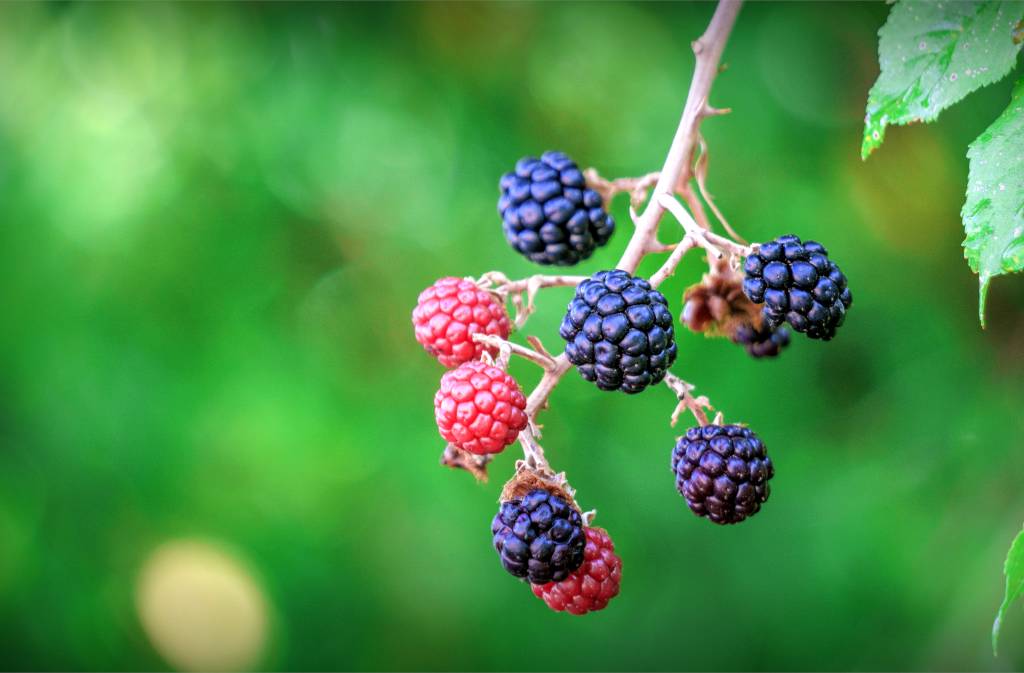
Arching canes 3 to 10 feet long, wickedly thorny in the wild but thornless in the best modern cultivars, flower in summer and ripen fruit as summer ends. The blackberry (Rubus fruticosus) is grown for jams, jellies, pies and juice — give it full sun and a wire to tie it to, and the harvest grows year after year.
| Name | Rubus fruticosus |
|---|---|
| Family | Rosaceae |
| Type | fruit shrub |
| Height | 3 to 10 feet (1 to 3 m) |
| Exposure | full sun, part sun |
| Soil | rich enough |
| Foliage | deciduous |
| Flowering | summer |
| Harvest | end of summer |
Planting, pruning, and care, here are the practices to grow a bountiful blackberry harvest.
You can refer this question to your local horticulture store, where experts on what grows in your area will recommend the best varieties of blackberry bushes without any thorns.
It is planted preferably in fall, but also until spring as long as it doesn’t freeze.
It is highly recommended to attach the blackberry shrubs. Either simply follow a straight line with stakes, or try the following innovation:
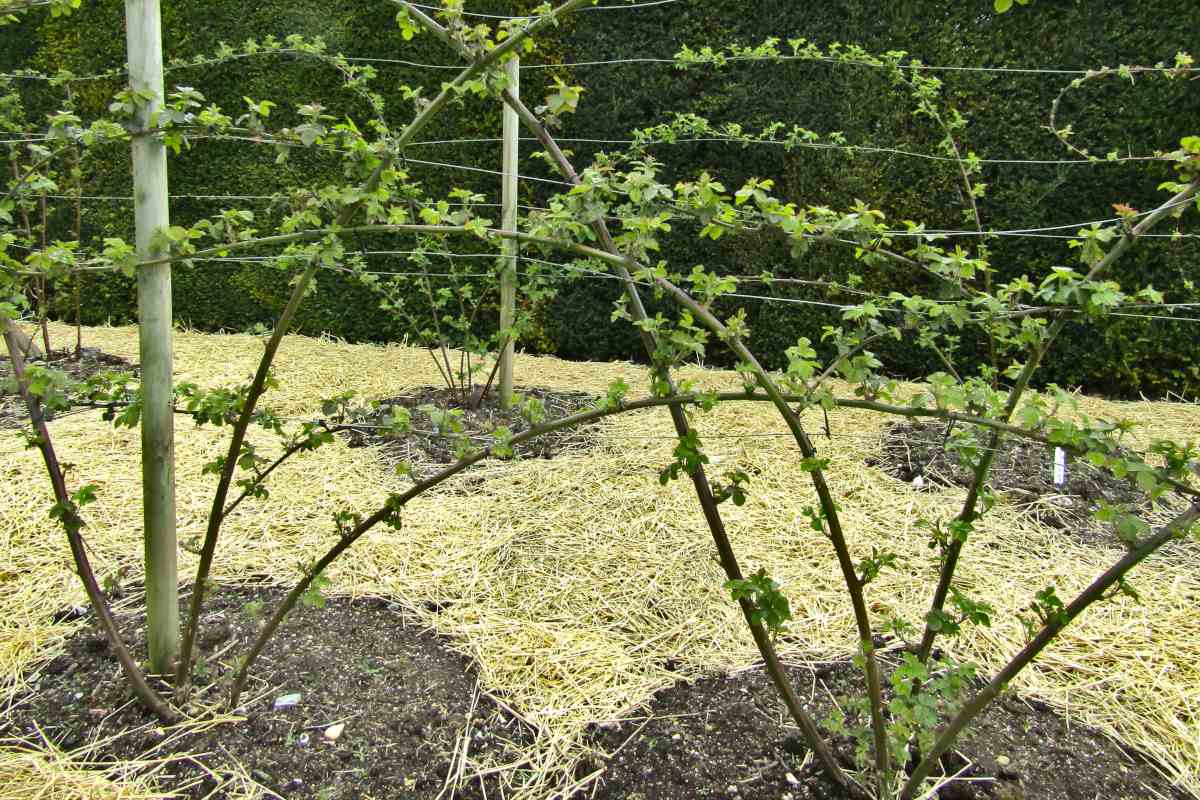
Pruning is in fall or winter, cutting down to ground level any branch that has born blackberries, while safeguarding all the year’s new growth.
>> Video tips on training and pruning a black bush <<
Clear prunings from beneath the bushes rather than leaving thorny canes lying there: healthy wood can be shredded or composted, while diseased or pest-infested material is better burned or binned where permitted.
The cultivars named in this article fall into two groups: those picked for sheer productivity, and those bred to crop without tearing your arms to shreds.
| Cultivar | Thorns | Chosen for |
|---|---|---|
| ‘Apache’ | Thornless | Both a productive cultivar and a thornless one |
| ‘Dirksen’ | Not stated | Abundant harvests |
| ‘Smoothstern’ | Not stated | Abundant harvests |
| ‘Darrow’ | Not stated | Abundant harvests |
| ‘Columbia Star’ | Thornless | Thornless picking, still tasty |
| ‘Caddo’ | Thornless | Thornless picking, still tasty |
| ‘Navaho’ | Thornless | Thornless picking, still tasty |
Early and late varieties also shift the picking window, so mixing them stretches the harvest.
New growth is what will bear fruit in the following year.
You must be patient: the blackberry bush you’ve planted this year will only bear fruit next year, but the harvest will quickly increase as years go by.
The diligent gardener that lurks within will thus give his blackberry bush loving care and attention, and all will be repaid with delicious fruits, jams and jellies.
For an abundant harvest, select more productive cultivars such as ‘Apache’, ‘Dirksen’, ‘Smoothstern’ or ‘Darrow’.
The most tasty blackberries are often the ones you’ll find in the wild. They tend to be more tangy and flavorful. Their drawbacks? Size! And all those THORNS!
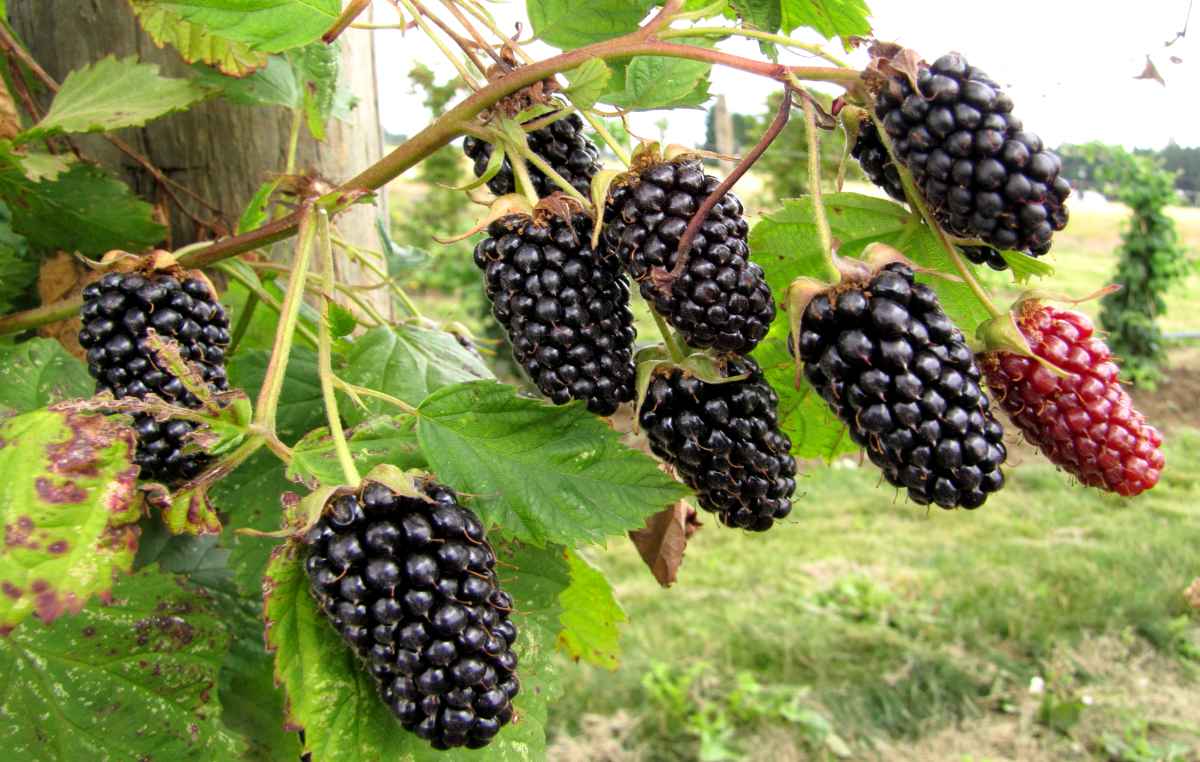
Breeders have focused on creating new thornless blackberry varieties that nonetheless remain tasty. There’s the ‘Apache’ mentioned above, but there are others, too:
Who hasn’t yet noticed those blackberry briar patches along countryside roads, which from late summer onwards attract knowledgeable cooks and gourmets alike?
Some of us even keep secrets handed down from one generation to the next about where the most luscious and bountiful berry spots are, to go there discreetly and harvest enough to prepare blackberry jam and blackberry jelly!
The best time to harvest blackberries in the wild depends on where you live (climate zones). But it usually spans two-three weeks sometime in late summer or early autumn. It depends whether they’re early or late varieties.
Grow blackberries to make your very own jams, pies, crumbles and blackberry juice: satisfaction guaranteed!