A hedgehog nosing through a woodpile for slugs and grubs, a ladybug colony working over an aphid-covered shoot, tits picking at seed heads left to ripen: these are the garden’s unpaid pest controllers. Ban pesticides and slug pellets, then offer food and shelter, and they will do the policing for you.
It’s much better to partner with “entomophage” (insect-eating) creatures than to use toxic chemical insect killers. Here are a few tricks to invite and house useful animals in the garden.
Each helper asks for a different welcome: food, shelter, or simply the absence of chemicals. Here is what the garden’s unpaid pest controllers eat and what they need from you.
| Helper | What it deals with | How to welcome it | Extra feeding |
|---|---|---|---|
| Birds (robins, tits, nuthatches, siskins, crossbills) | Feed on seeds, achenes and fruit in the garden | Plant seed-bearing trees, conifers and fruit trees; let flowers go to seed | Oil seeds and fat in winter |
| Hedgehogs | Cockchafer grubs and mollusks that attack roots | Stack a pile of wood as refuge; check leaf piles and hedges before burning or pruning | Apples or cat food, never milk |
| Ladybugs | Aphids | Let a colony settle instead of reaching for chemical insect killers | Shelter to hibernate in |
| Lacewings, bumblebees, bees, hunting wasps, hoverflies, earwigs, ground beetles | General garden pests | Put up a wooden hut filled with natural materials, holes and crannies | Nothing; they need a hibernation site |
Whichever you are courting, the same rule applies: no chemical products in the garden.
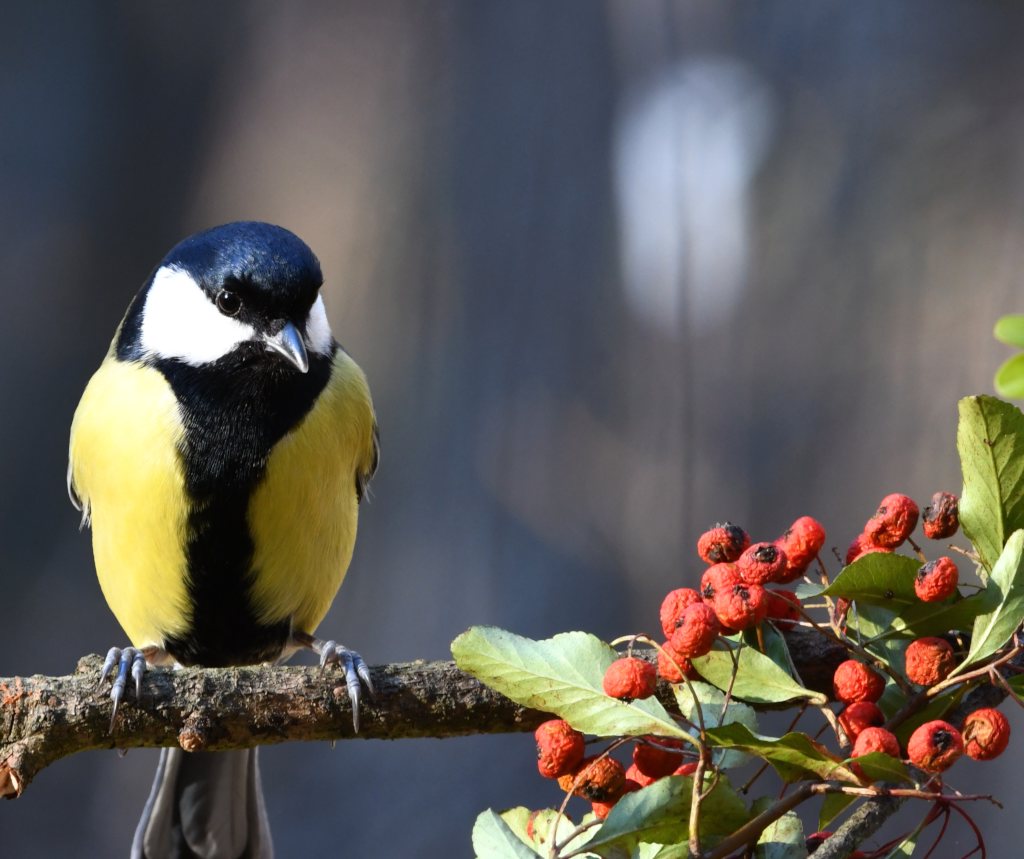
To attract useful birds (robins, crossbills, nuthatches, tits, siskins, etc), try to plant trees that produce seeds and achenes (acorns, nuts, beechnuts and hazelnuts), conifers and fruit trees.
They’ll serve a double purpose: board and lodging!
Also, feel free to neglect your flower garden somewhat. Flowers that go to seed will produce food for the birds, too.
In winter, why not give birds oil seeds and fat to fall back on when all else is gone.
Do not apply any chemical products that would poison them.
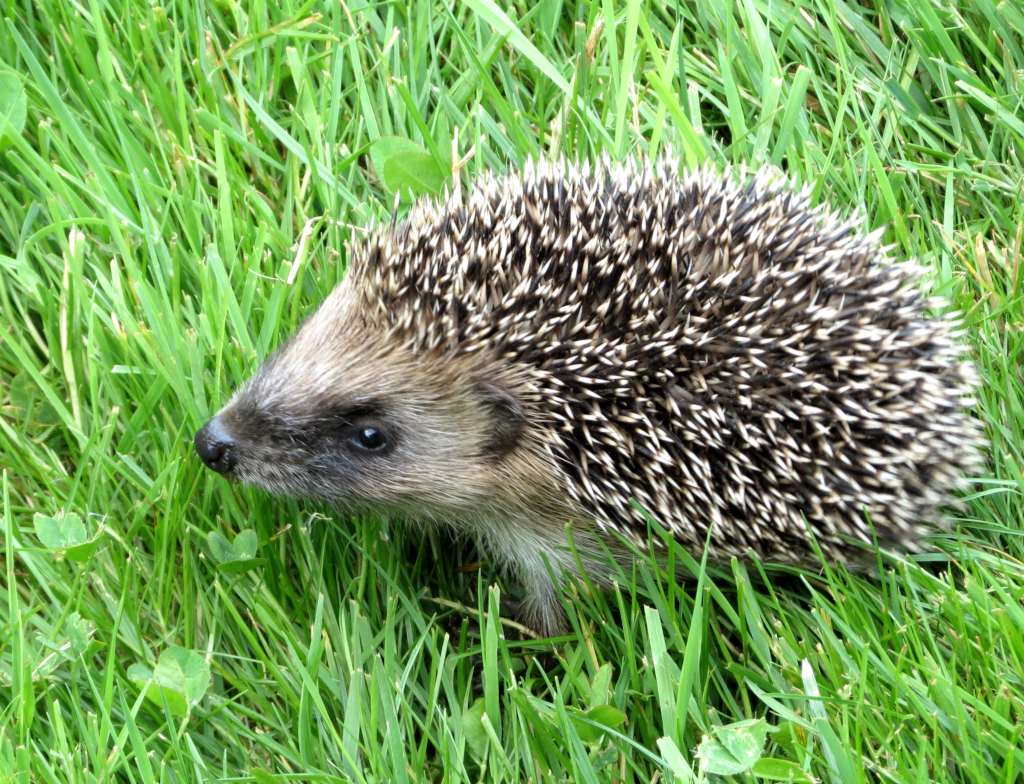
Hedgehogs are on the verge of disappearing because of pesticides and cars. This is quite a shame because they’re precious allies in the garden! They eat cockchafer grubs and mollusks that devour the roots of our vegetables.
To welcome a hedgehog in your garden, prepare a hospitable environment for it. Simply stack a pile of wood where it can take refuge. Never burn a pile of dried leaves before checking that a hedgehog isn’t under it. Same thing when pruning your hedge.
In winter, give it apples or cat food but never give it milk (risk of diarrhea).
Of course, ban all kinds of pesticides and slug-killers from your garden. They would poison the little critter.
To eliminate aphids without damaging the environment, nothing beats a ladybug colony.
But these little “Our Lady’s birds” aren’t the only useful insects.
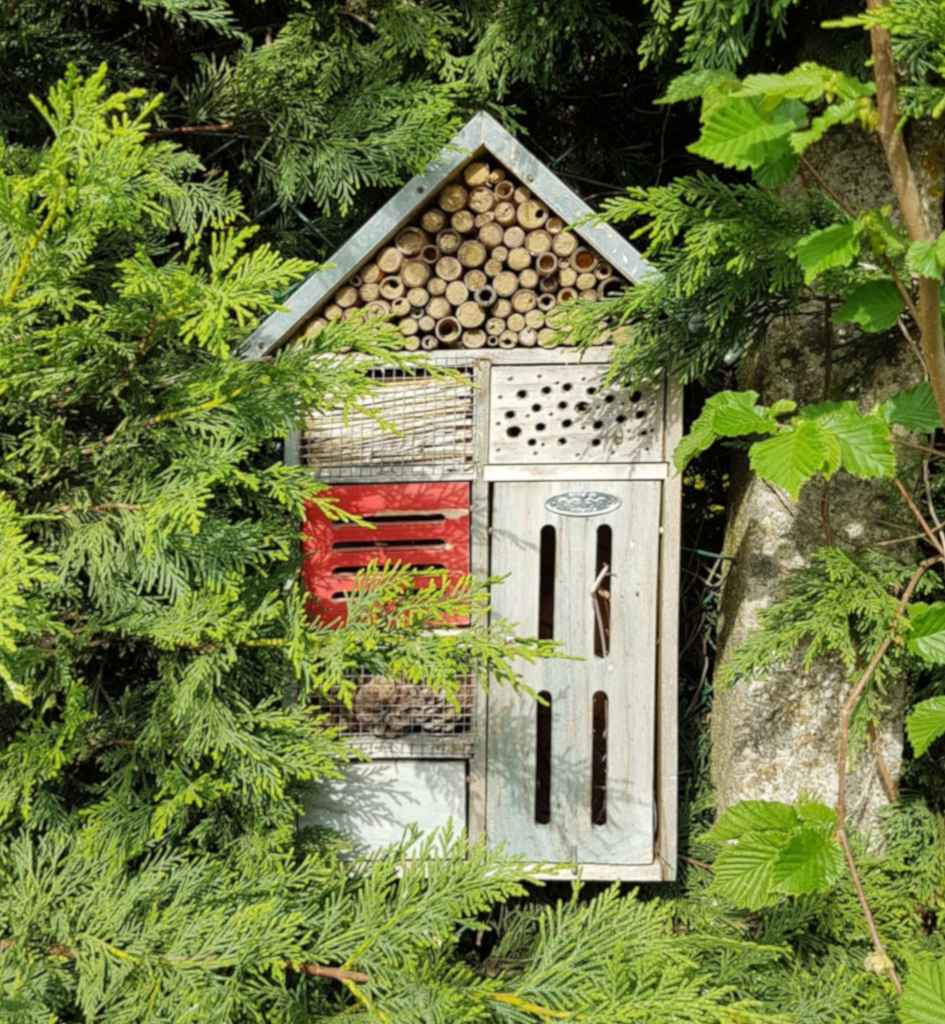
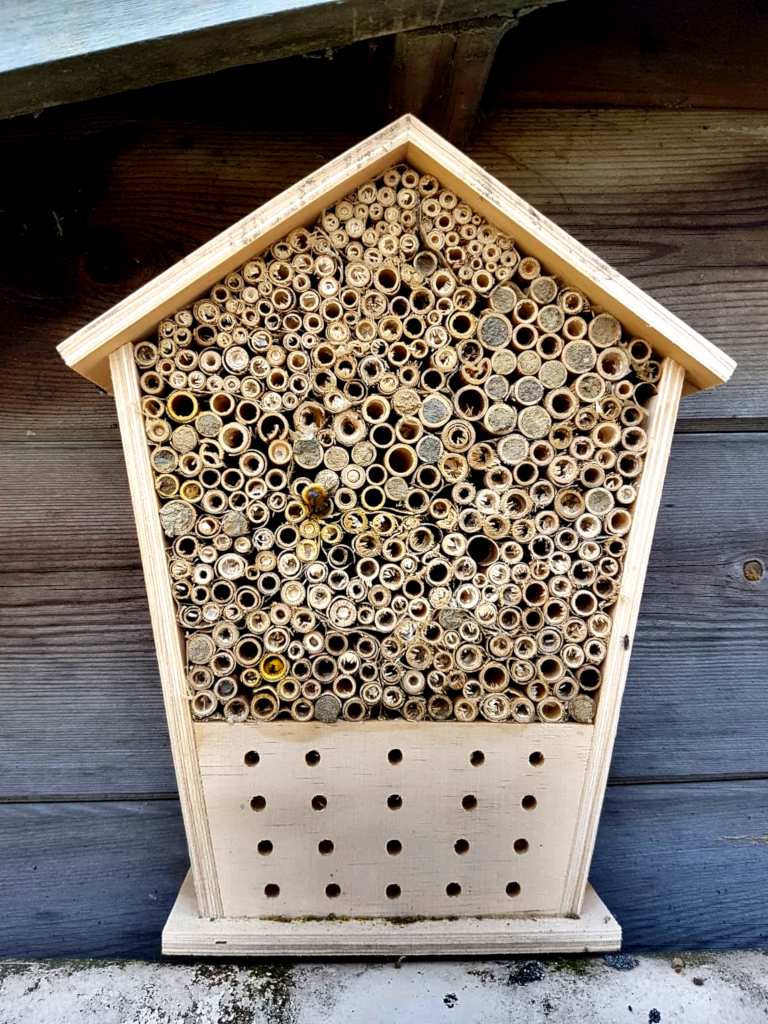
Also protect green lacewings, bumblebees, bees and hunting wasps, hoverflies, forficules (earwigs) and ground beetles. To do this, give them a “hotel” for them to hibernate. Butterflies deserve attention, too!
You can find on the market or in stores small huts made of wood. These often have natural materials in them, with holes and nooks and crannies everywhere. But you can also build your own with whatever you have available!
Pierrick Le Jardinier
Get to know the animals that visit your garden… and let them get to know you, too! Take time to meditate in the garden, quietly praying and attuning yourself to nature. You’ll discover within minutes how much your garden is alive!