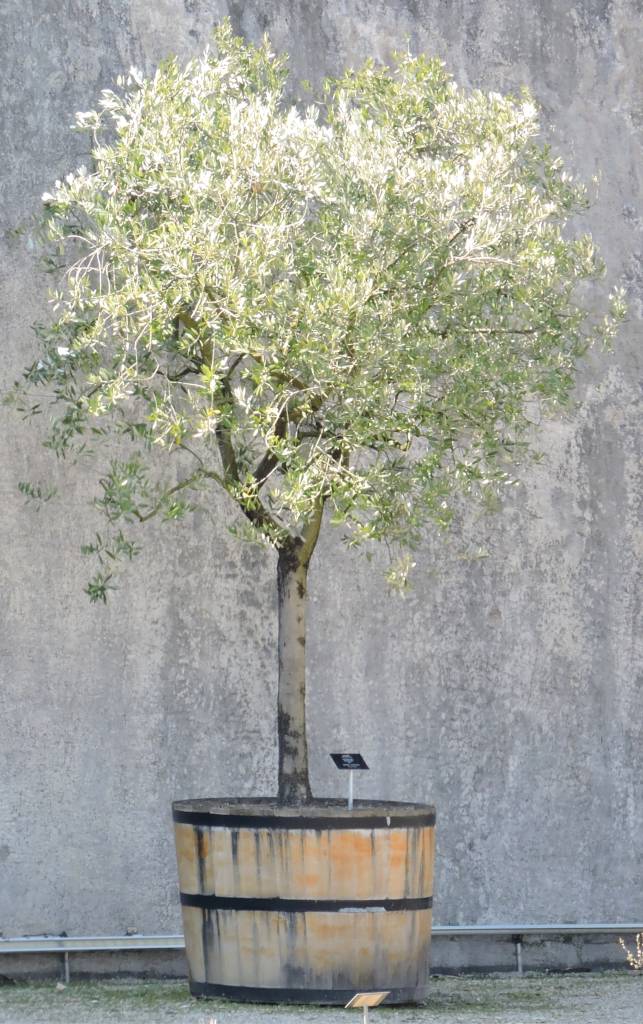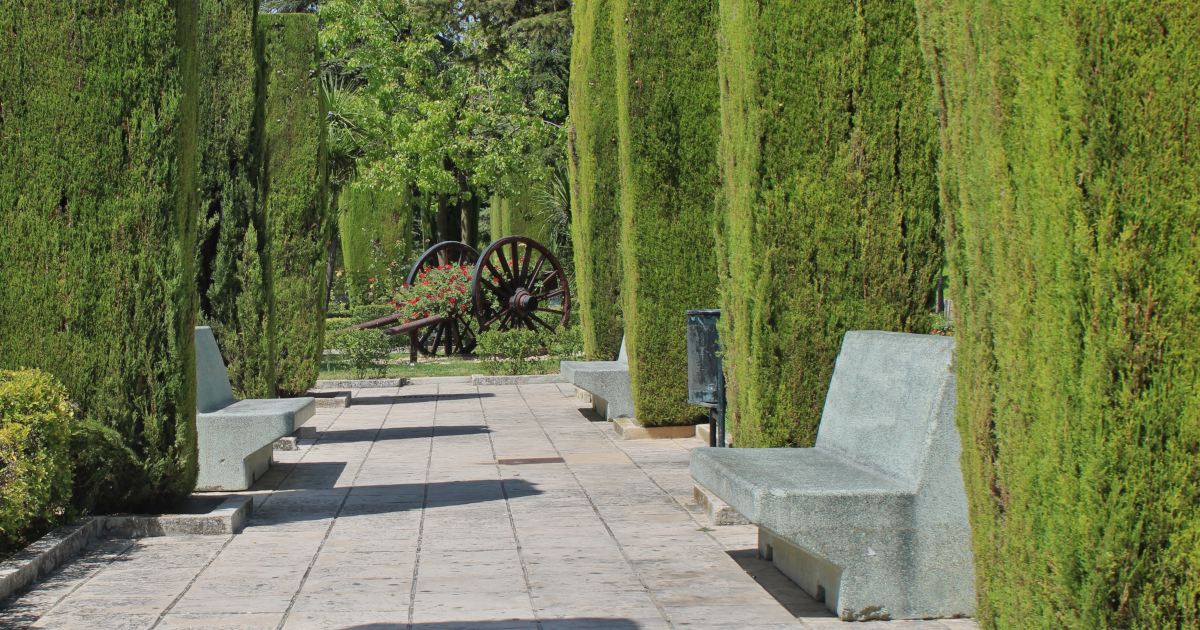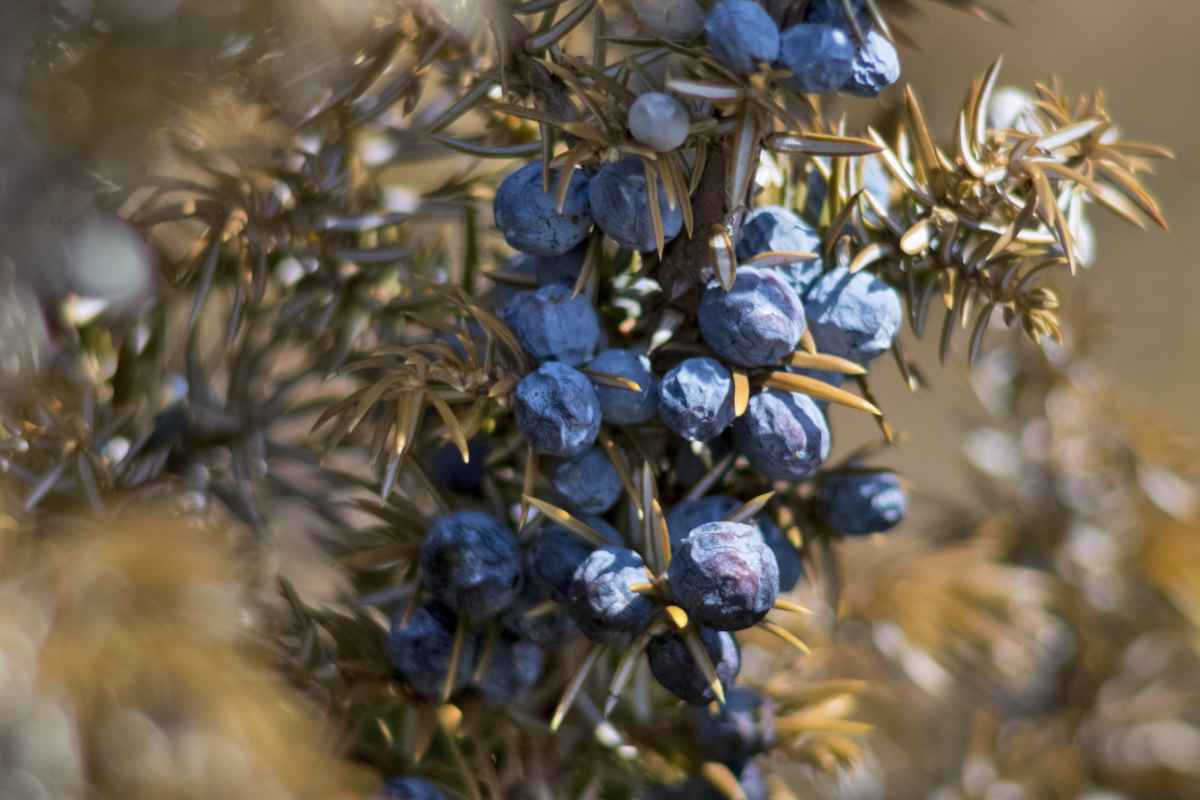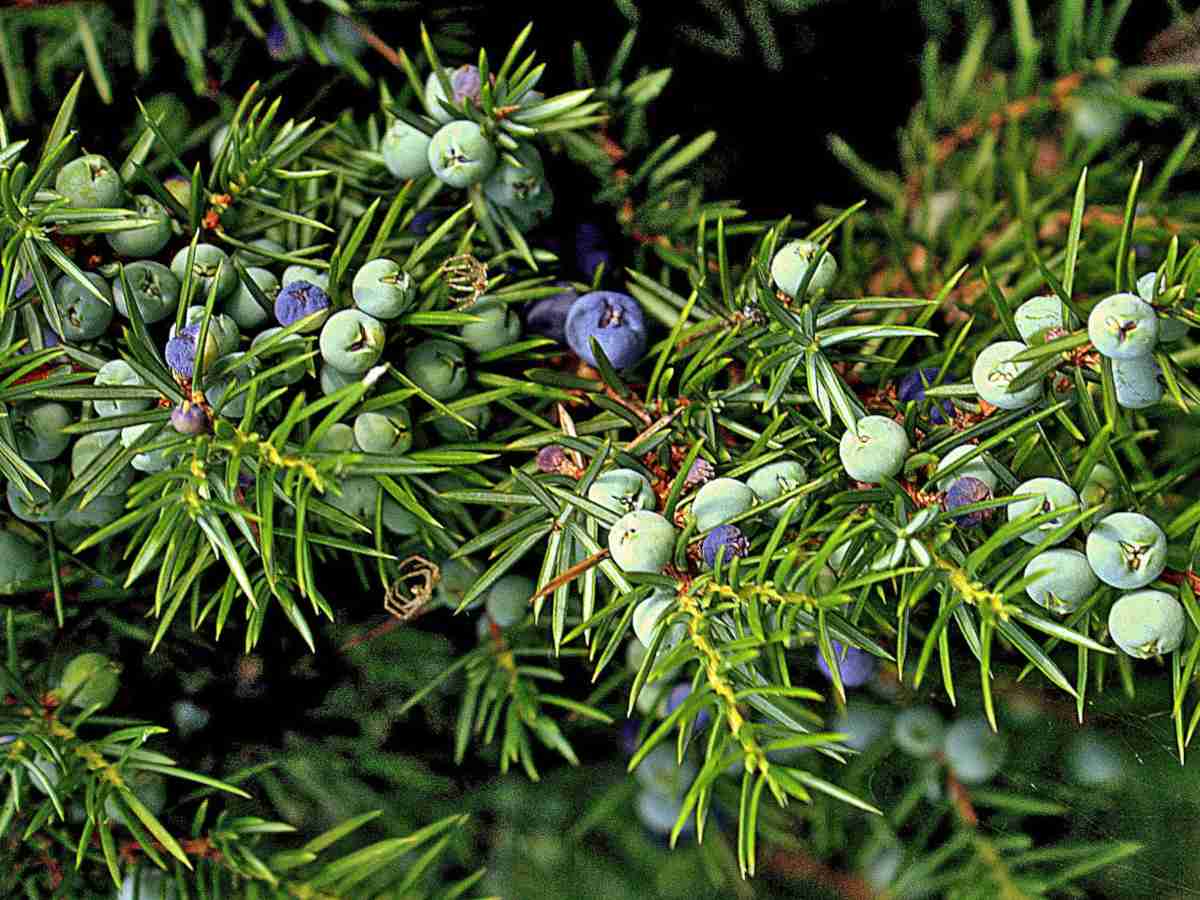
Dense foliage and beautiful bark on a shrub whose natural bearing is sometimes columnar, sometimes spreading flat along the ground: juniper (Juniperus communis) is best known for the cones that flavour gin, and grown as a purely ornamental conifer. Give it well drained soil where water never stagnates, and it behaves the same through damp spells and full drought.
| Name | Juniperus communis |
|---|---|
| Family | Cupressaceae |
| Type | conifer |
| Exposure | full sun or part sun |
| Soil | well drained, ordinary |
| Foliage | evergreen |
| Flowering | spring |

Juniper is ideally planted in fall to ensure root growth and thus proper settling in in spring.
However, you can also plant in spring and water a bit more at the beginning.
Note that juniper tolerates virtually all types of soil, and behaves exactly the same whether conditions are moist or during a full-blown drought. But it does require soil that is well drained where water won’t stagnate.
Caring for juniper is very easy because it requires practically no care.
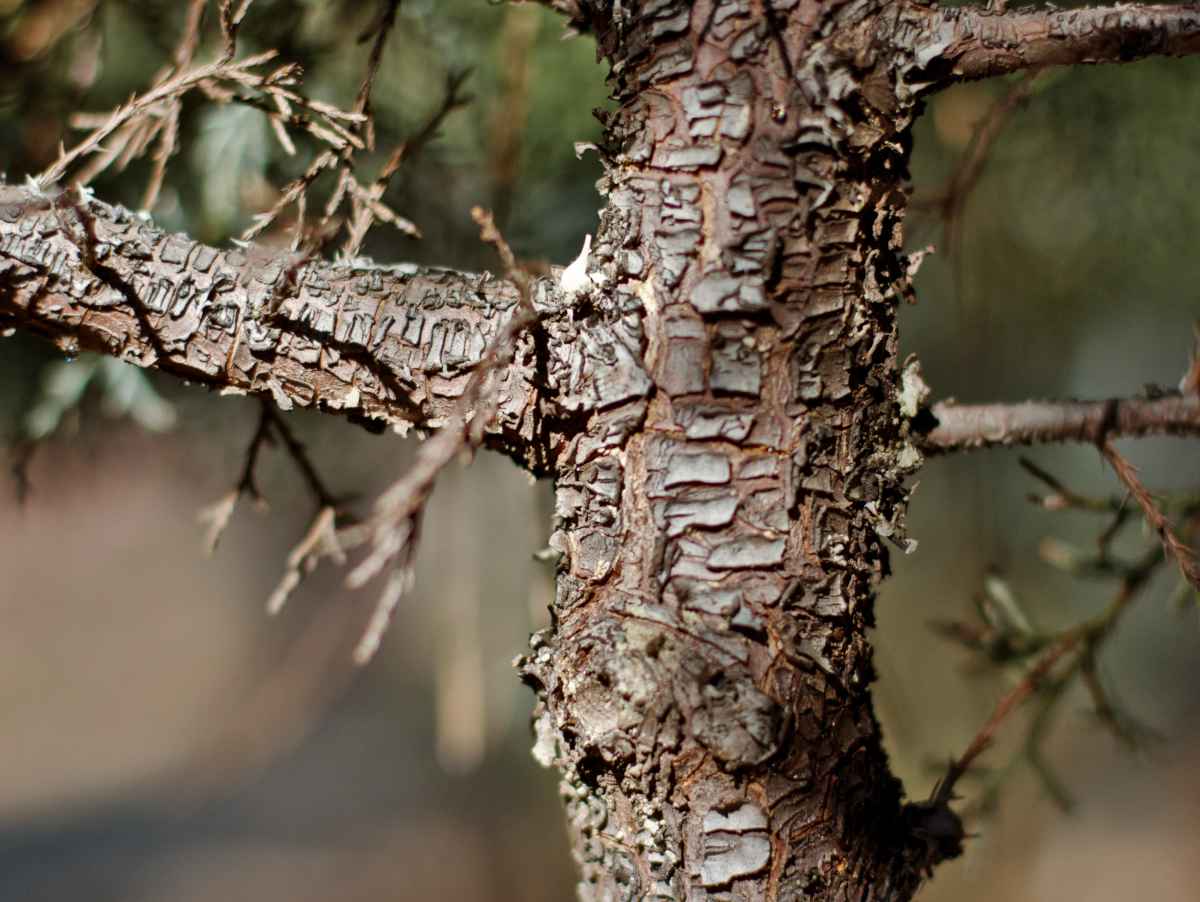
Pruning isn’t really recommended, especially since much of the appeal of a juniper bush is its distinctive natural bearing, sometimes spiking up in a column, sometimes spreading along the ground.
If you must prune it to reduce or balance the branches, do it at the beginning of summer and avoid cutting too near the trunk, and prefer light pruning instead of cutting back severely.
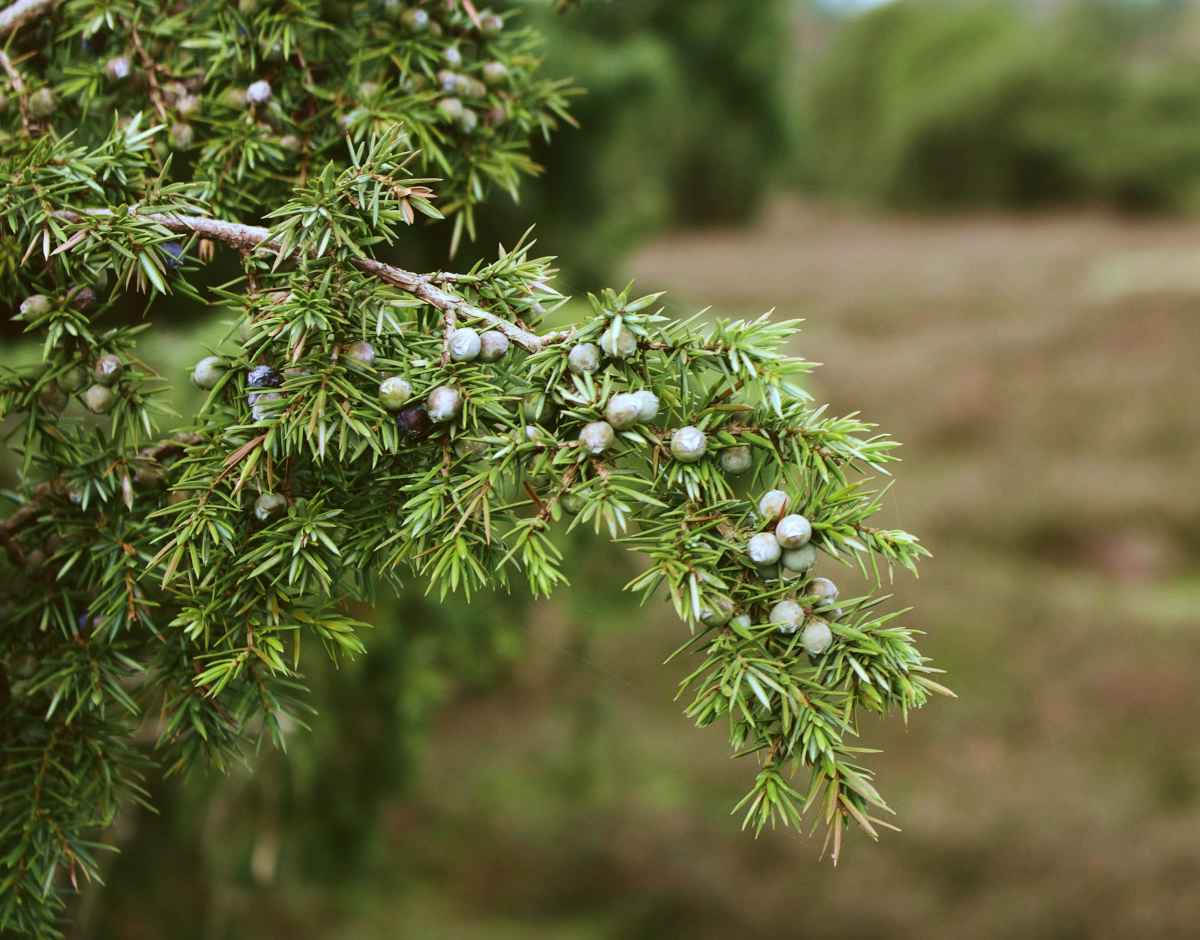
This is a conifer that adapts equally well to growing in the ground as it does to growing in a garden box on a terrace or balcony.
Sought after for its dense foliage and beautiful bark, juniper appeals also in that it has an extremely high tolerance to all types of soil and to pollution.
With a great many cultivars and species, there is a wide range of different shapes and leaves for you to choose from to decorate along edges, on rocky ground, to cover the ground or to garner a garden box on your terrace if possible.

Creeping varieties, Juniperus horizontalis, for example, grows low for ground cover:
Eastern Red Cedar is another family of junipers that is particularly tough:
The junipers named in this article fall into two groups: the creeping horizontalis types and the tougher Eastern Red Cedars. The table below sets out which does what in the garden.
| Cultivar | Group | Habit / trait | Best use |
|---|---|---|---|
| Bar Harbor | Juniperus horizontalis (creeping) | Grows low | Ground cover |
| Pancake | Juniperus horizontalis (creeping) | Grows low | Ground cover |
| Plumosa Compacta | Juniperus horizontalis (creeping) | Grows low | Ground cover |
| Burkii | Eastern Red Cedar | Particularly tough | Where hardiness is needed |
| Emerald feather | Eastern Red Cedar | Particularly tough | Where hardiness is needed |
| ‘Glauca’ | Eastern Red Cedar | Particularly tough, blue foliage | Colour contrast |
With a great many cultivars and species, shapes range from flat ground cover to upright columns.
Beyond the creeping and red cedar types, Juniperus communis itself offers a handful of reliable garden cultivars. The table below compares the ones most often stocked in garden centres, from narrow columns to flat ground cover.
| Variety | Habit & height | Foliage colour | Best use |
|---|---|---|---|
| ‘Green Carpet’ | Flat mat, 20–30 cm | Bright green | Ground cover, banks |
| ‘Repanda’ | Spreading mat, 30 cm | Dark green | Ground cover under trees |
| ‘Hornibrookii’ | Low creeper, 25–30 cm | Green, silvery beneath | Rock gardens, wall tops |
| ‘Depressa Aurea’ | Low spreader, 50 cm | Golden new growth | Colour contrast, slopes |
| ‘Gold Cone’ | Slim column, 1.5–2 m | Golden yellow | Accent in mixed borders |
| ‘Compressa’ | Dwarf column, 60–80 cm | Grey-green | Troughs, rockeries, pots |
| ‘Hibernica’ | Narrow column, 3–4 m | Blue-green | Formal accent, focal point |
Juniper has very slow growth, don’t count on this if you wish to quickly cut off neighborly prying eyes.
You might consider that this is truly a purely ornamental conifer.