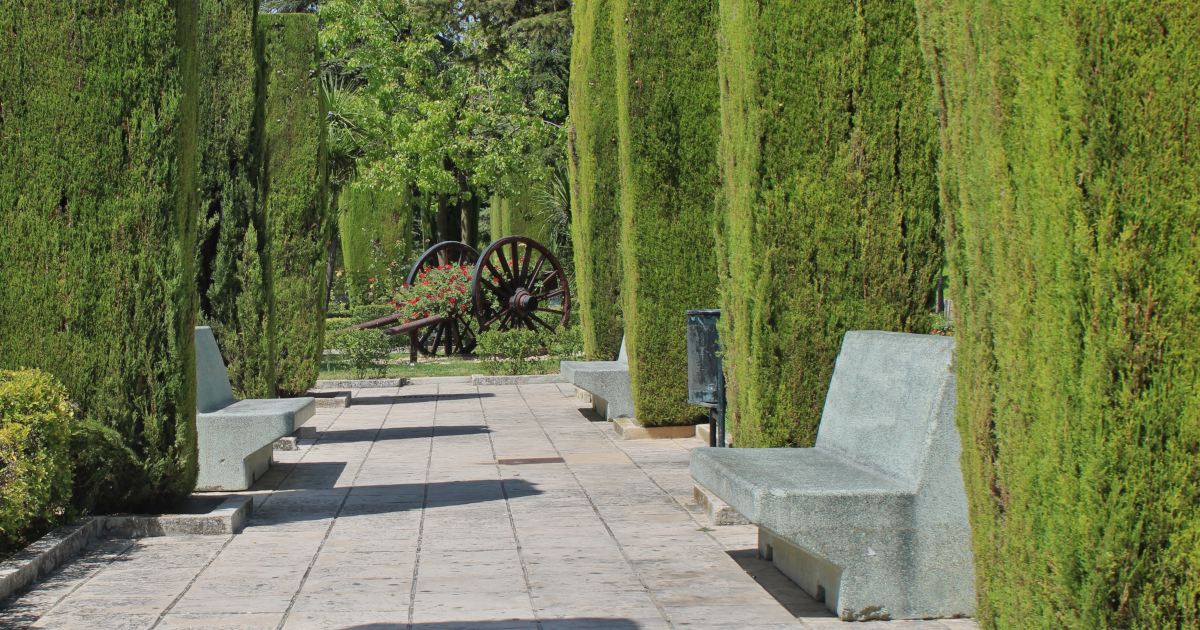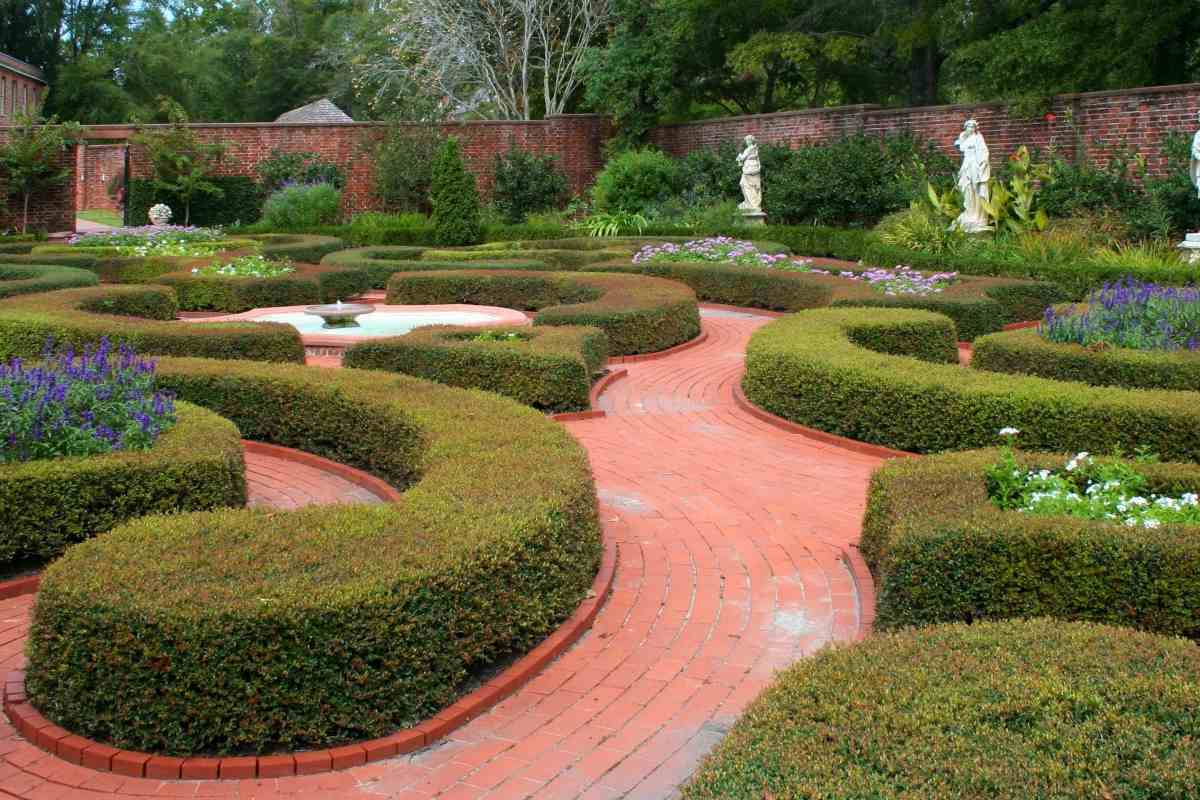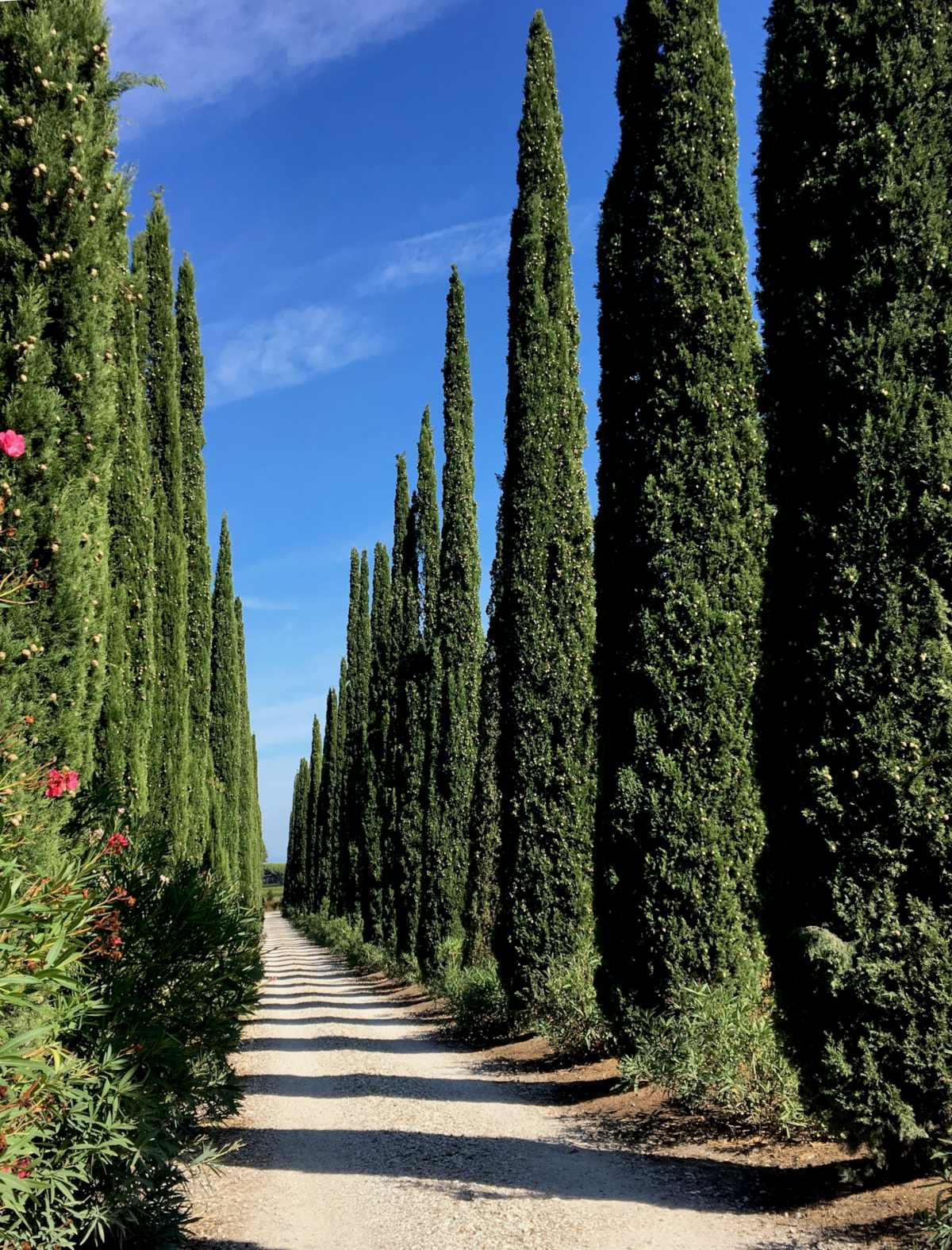
Left unpruned, cypress (Cupressus) climbs into a distinctive, narrow cone of evergreen foliage; clipped, it becomes an elegant hedge, a gale-proof windbreak or an avenue along a drive. Give it ordinary, well-drained soil and it repays you with fast growth, real resistance to disease and pollution, and dense, rot-proof wood prized by furniture makers.
| Name | Cupressus |
|---|---|
| Family | Cupressaceae |
| Type | conifer |
| Height | 16 to 60 feet (5 to 18 m) |
| Climate | temperate to warm |
| Exposure | full sun to shade |
| Soil | ordinary, well drained |
| Foliage | evergreen |
The planting, pruning and caring for this tree are essential steps that will guarantee proper development and help avoid that the plant fall sick.
Cypress is usually planted as part of a hedge, and is usually set up from the beginning of fall, but it can also be planted until the month of early spring to mid-spring as long as it doesn’t freeze.
If you plant it before winter, protect the roots from the cold by spreading mulch at the foot of the conifer.
If you plant it in spring, you can also proceed to do the same in order to avoid having weeds crowd it out from below.
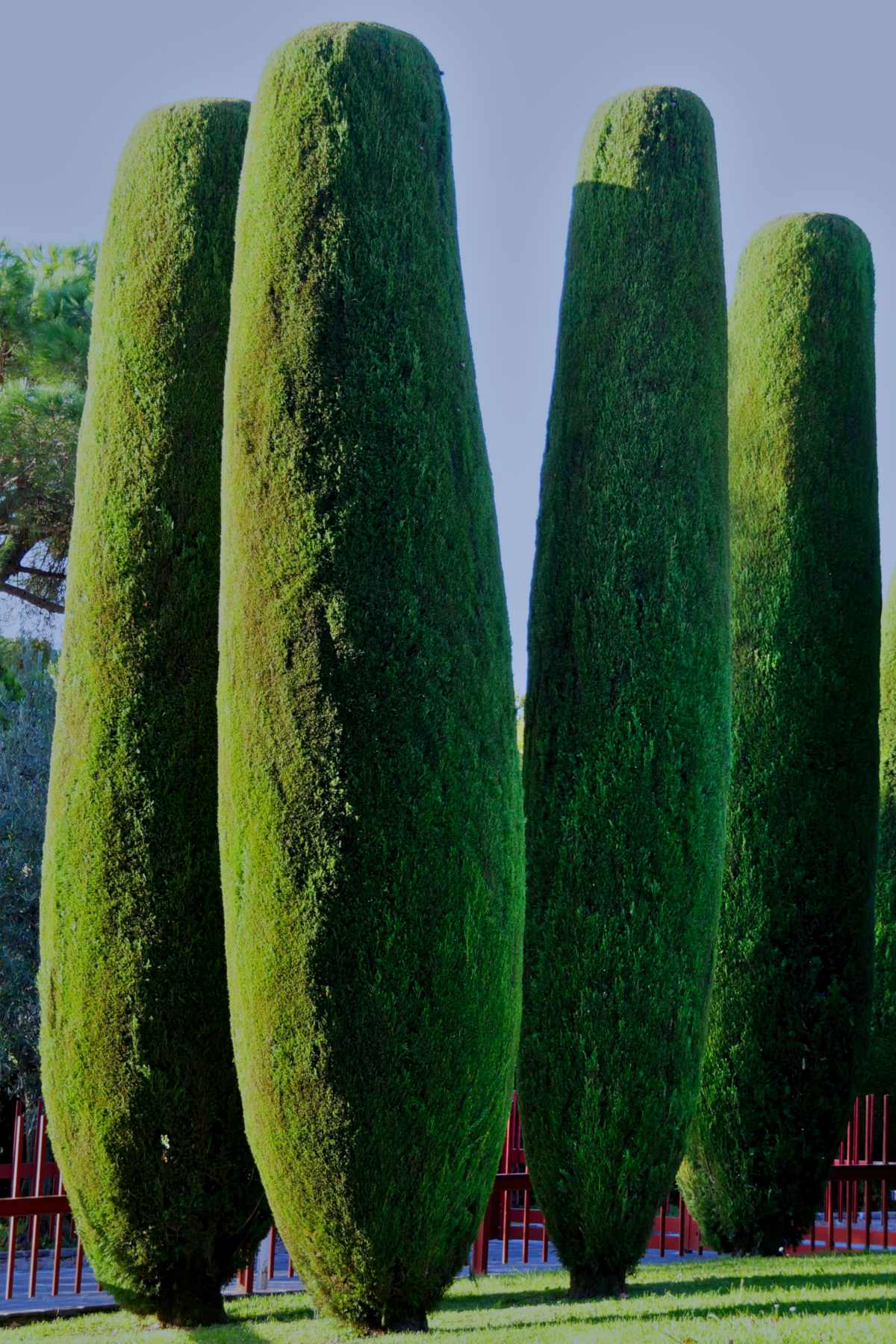
If your cypress is never pruned, it can grow to reach nearly 65 feet (20 meters) and its bearing will be a distinctive, thin cone.
For hedges, select the pruning height you are comfortable with as well as the thickness.
A heavy pruning late summer is enough to keep this growth under control. That is also the season where sap descends and so it will slow the cypress’s growth a bit.
Spring pruning is usually with rising sap and tends to accelerate the tree’s growth, so this is ideal if you aim to hide yourself from prying neighbor’s view.
Cypresses differ enormously in foliage colour and final size, and the wrong choice can mean a tree far too big for the spot. Use this table to match a variety to the job you have in mind.
| Variety | Species | Foliage colour | Best use |
|---|---|---|---|
| Blue Ice | Cupressus arizonica var. glabra | Silver-blue | Standalone specimen, dry soils |
| Leighton Green | Cupressus × leylandii | Deep green | Tall windbreak, large boundary hedge |
| Swane’s Gold | Cupressus sempervirens | Golden-edged green | Slim golden column, pairs by a door |
| Castlewellan Gold | Cupressus × leylandii | Golden-bronze new growth | Fast golden hedge, screening |
| Goldcrest | Cupressus macrocarpa | Bright golden-yellow | Specimen, mild or sheltered gardens |
| Wilma Goldcrest | Cupressus macrocarpa | Lime-gold, fine-textured | Pots, patio, cool conservatory |
| Stricta | Cupressus sempervirens | Dark green | Narrow column, driveway avenue |
The same tree behaves very differently depending on how it is spaced and whether it is clipped. Here is what each use asks of you.
| Use | Spacing | Height and pruning | What it gives you |
|---|---|---|---|
| Hedge | 32 in (80 cm) to 3 ft (1 m) | Trimmed to the height and thickness you choose | A dense screen from prying neighbours |
| Driveway avenue | 13 to 17 feet (4 to 5 m) | Left to gain height | A long, formal lined approach |
| Standalone specimen | Grown alone | Unpruned, up to nearly 65 feet (20 m) | A distinctive, thin cone of evergreen foliage |
| Windbreak | Set in a line as for a hedge | Kept dense by trimming | Shelter from gales of any power |
Decide the finished height first: it is what sets the planting distance.

Mediterranean cypress are excellent wind-breakers ready to resist gales of any power.
They are also very resilient in the face of disease and pollution.
From an aesthetic point of view, it is magnificent when planted as a standalone, or even better, to line a long driveway where each cypress is planted at a distance of 13 to 17 feet (4 to 5 m) from the next.
Mediterranean cypress wood is very dense and this makes it a favorite for furniture makers.
Since it is virtually rot-proof, it has an extremely high resistance to water and moisture, which is why is has long been used for ship-building.
Lastly, cypress essential oil extracted from the tree, specifically sprigs of the tree, is used for its benefits on vein and lymph circulation.
In a hedge, think well about how high you want it to grow so that you can determine the planting distance of your cypresses accordingly! Keep a spacing of about 32 inches (80 cm) to 3 feet (1 meter) for the usual 6-foot (1.80 m) hedge.