A hedge can be a wall of evergreen leaves that blocks prying eyes right through the year, or a run of flowering shrubs whose mellow fragrance pulls in birds and insects. Flowered, evergreen or mixed, one rule decides success: plant several species rather than one, so that a single disease can never take the whole row.
But setting a hedge up means choosing the type of shrub: flowered, mixed or evergreen.
There are many options and not all shrubs are suited to growing in a hedge.

Single-variety hedges tend to disappear nowadays. These rows of shrubs end up looking like monotonous sad green walls and going for mixed, evergreen or flowered hedges is a great enhancement.
The three types of hedge described below answer three different needs — beauty, screening, or a bit of both. This table sums up what each one gives you before you start choosing shrubs.
| Type of hedge | Screening | Flowers and wildlife | Care |
|---|---|---|---|
| Flowered | Not all shrubs keep their leaves, so cover can thin out | Blooms attract birds and insects that help protect the garden | Chosen above all for beauty and fragrance |
| Evergreen | Cuts out prying eyes all year round | Depends entirely on the species chosen | Simple trimming is enough, and no leaves to clear |
| Mixed | Two rows of shrubs hide neighbours or a busy street | Tops other hedges in supporting the garden ecosystem | A wide range of flowering, deciduous or evergreen shrubs together |
Whichever type you settle on, mixing several species is what makes a hedge both handsome and resilient.

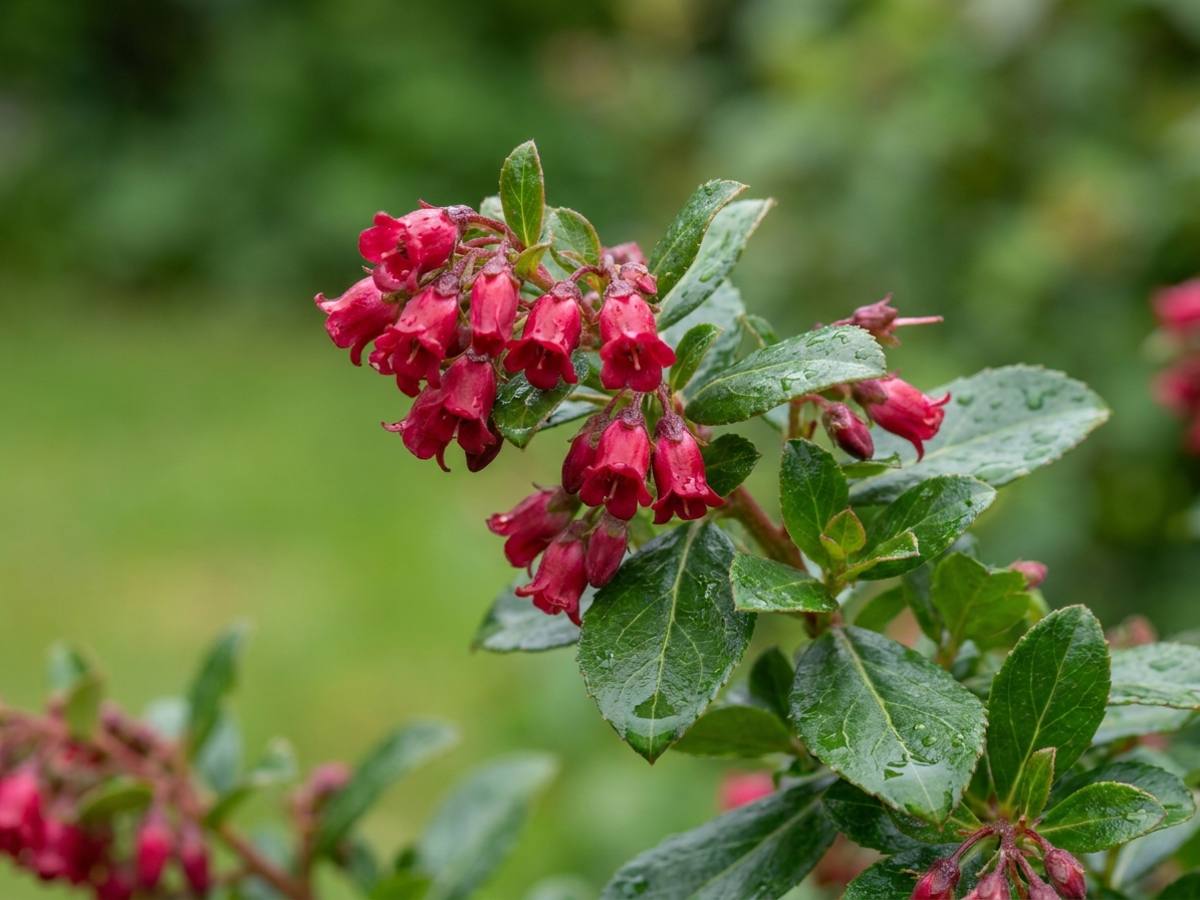
Without doubt, this is the type of hedge that will offer you the highest aesthetic satisfaction: it is beautiful!
Having flowers all year round also has the added advantage of attracting a good number of birds and insects that help protect your garden from diseases.
Not all flower shrubs are evergreen, but this slight disadvantage is quickly forgotten once blooms decorate the garden come spring, with mellow fragrances galore!

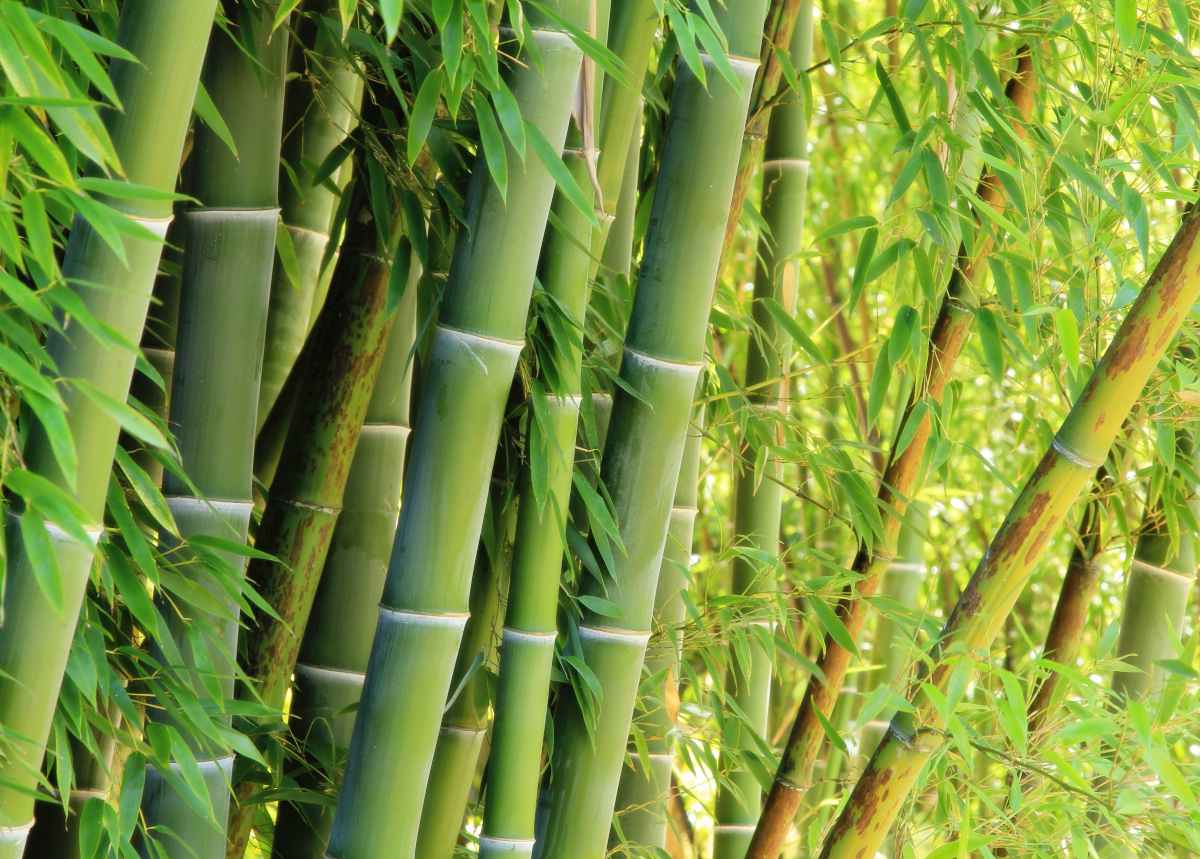
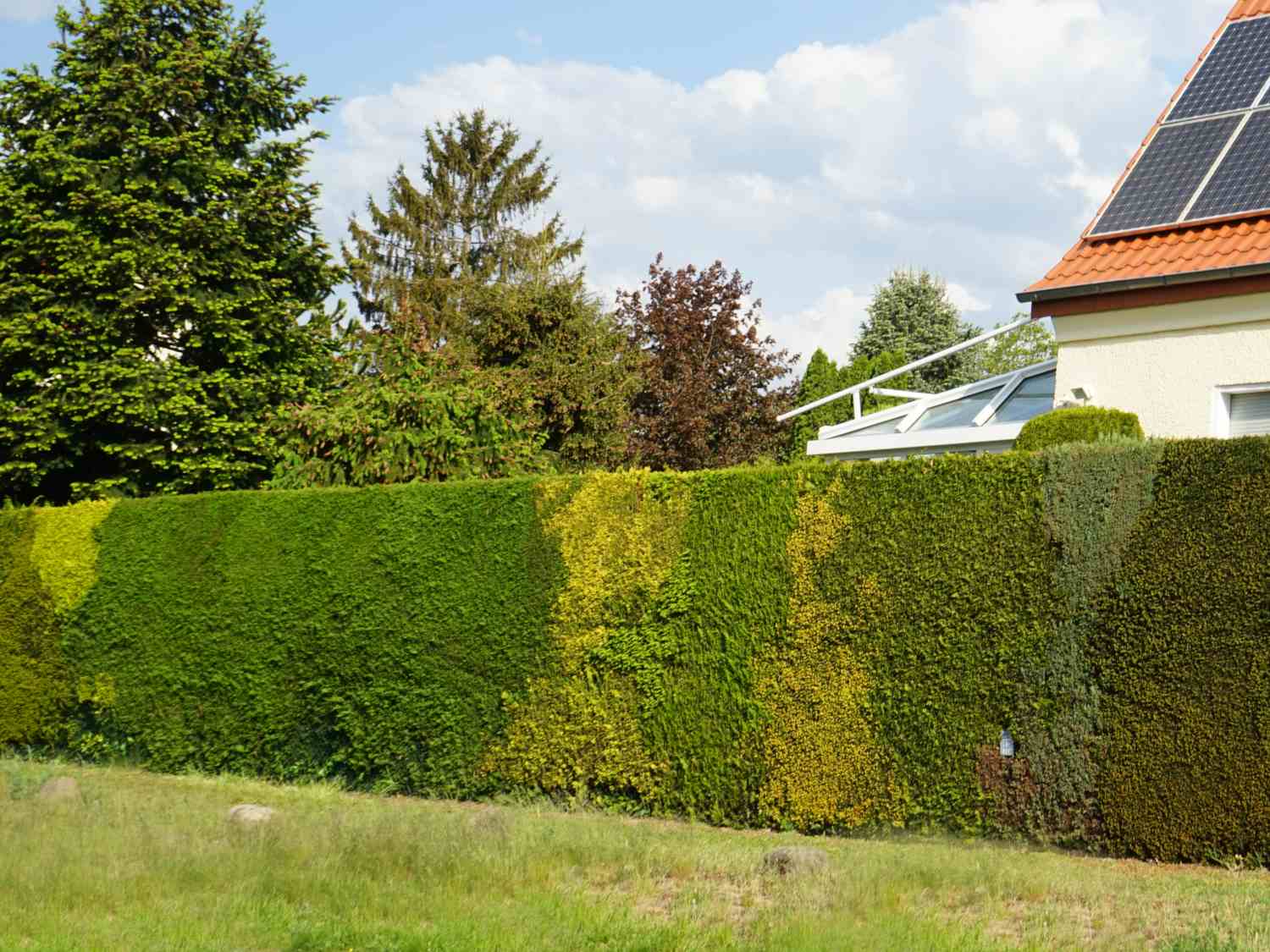
Evergreen hedges have many positive qualities, but first among them is the fact of cutting out prying eyes all year round.
As for care and maintenance, simple trimming is enough. For those who like clean gardens and who consider that raking leaves is an unbearable chore, these are perfect: no leaves to clear!
This hedge can even become very beautiful if the shrubs are carefully chosen – avoid restricting yourself to only one species, since mono-cultures are quite boring… and when they get sick, everything dies!

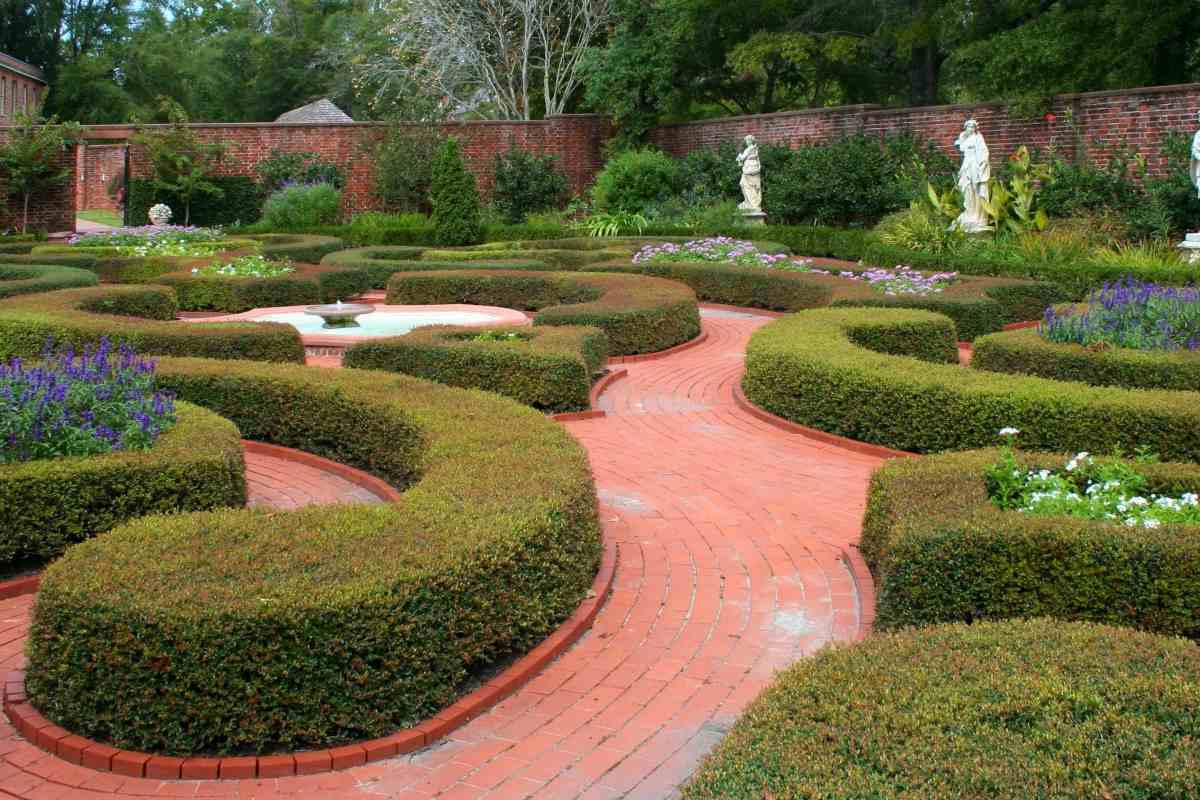
A mixed hedge is a great compromise with advantages of both flowered hedges and evergreen hedges.
Positioning shrubs along two rows allows for hiding away from neighbors or a busy street while offering a wide range of flowering, deciduous or evergreen shrubs.
A mixed hedge protects nature most, since every shrub is usually resistant to one or the other disease. This hedge also tops other hedges in supporting the garden ecosystem.

Did you know that a hedge does much more than just protect us from neighbors, wind and noise?
If you increase the diversity of species used in a hedge, you will reduce the risk of seeing diseases and pests spreading across your garden.
As you can see, hedges play a major part in setting up a positive ecosystem in your garden.
Feel free to associate as many varieties and species as you wish, nature will enjoy it all the more!