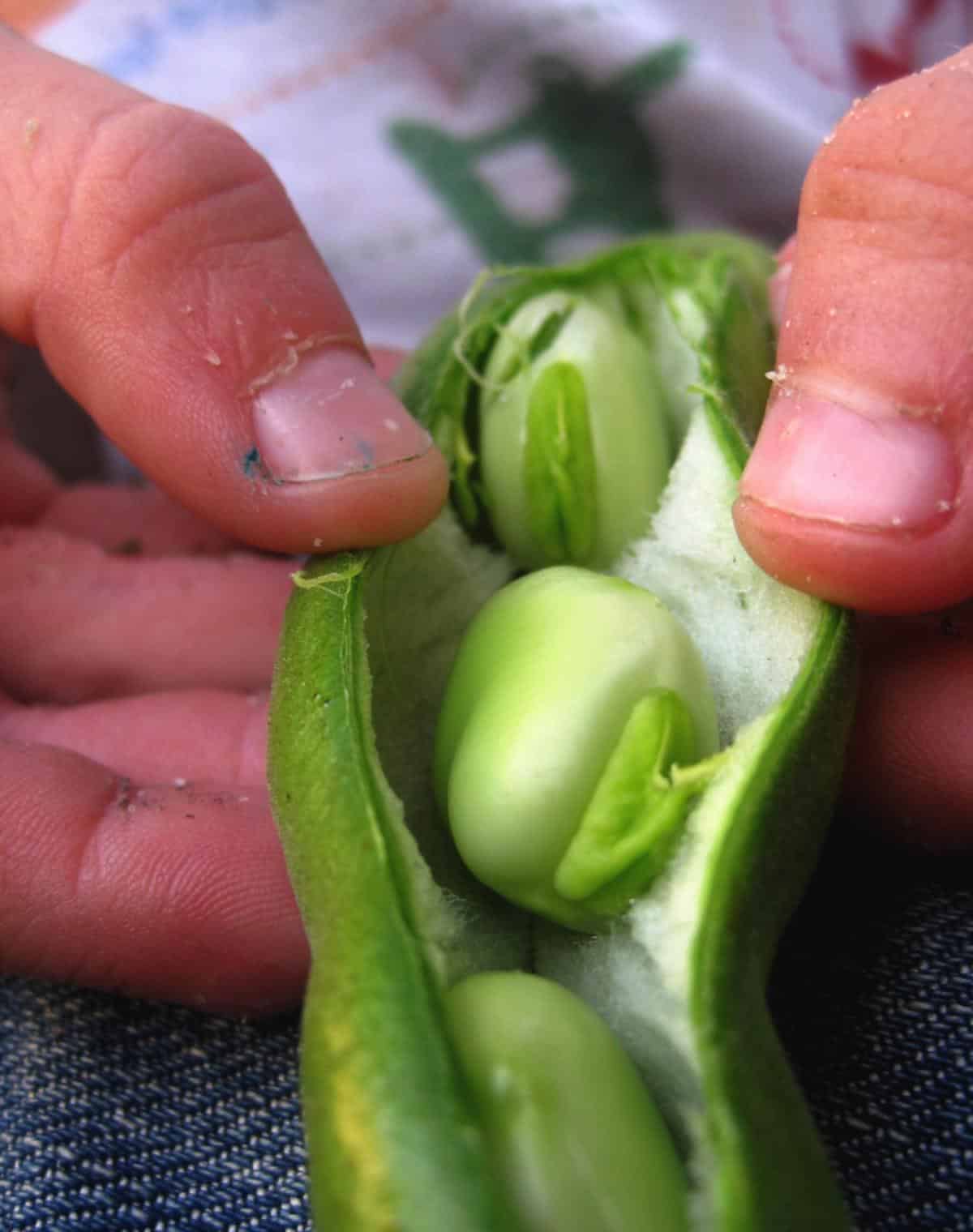
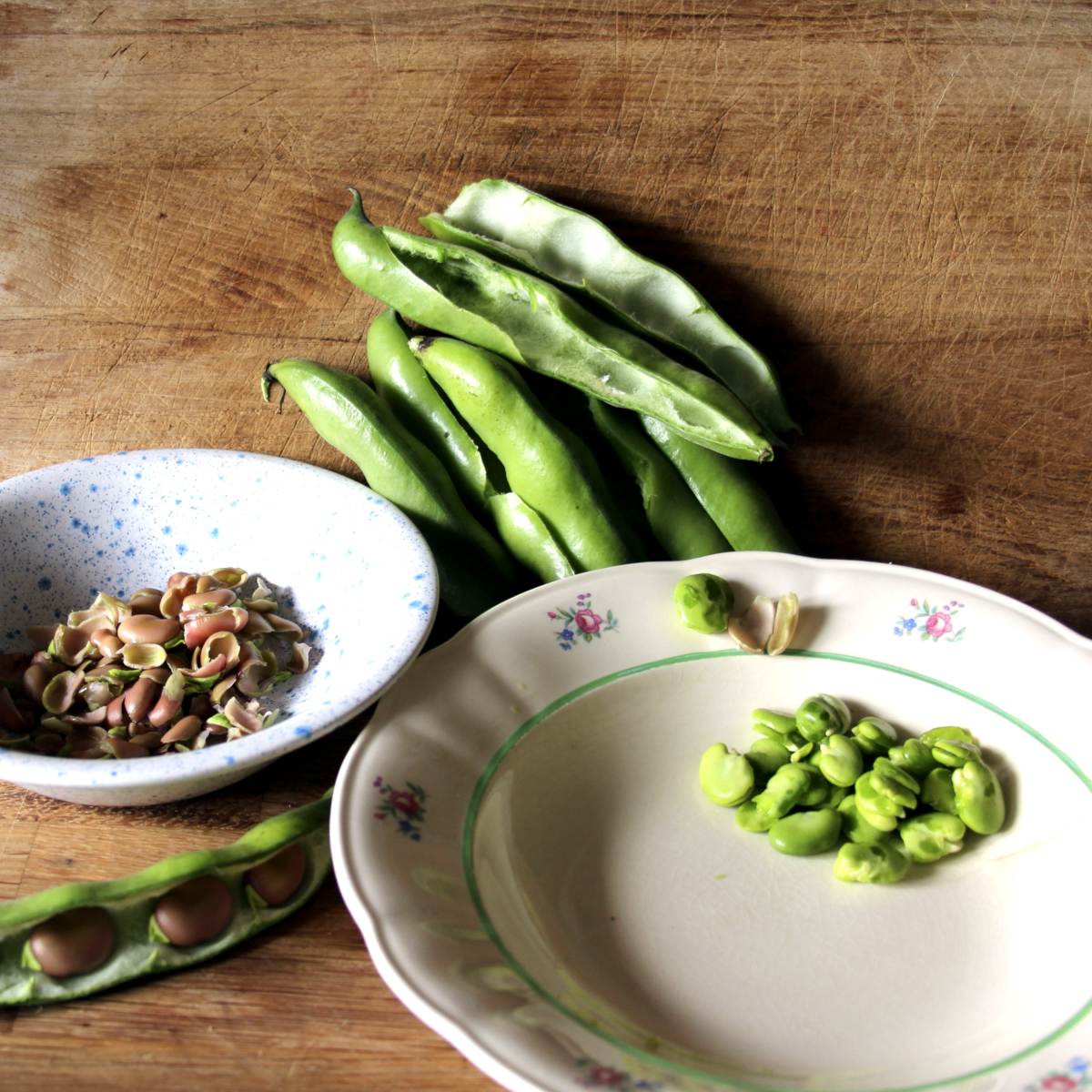
Pods picked at two thirds of their final length hold seeds with a faint hazelnut taste, good cooked or even raw: that is the broad bean (Vicia faba). Sow it early, in light soil and full sun, because heat and drought slow the pods — and pick your crop some three months later.
Broad bean at a glance
Name
Vicia faba
Family
legume family
Type
annual
Height
1 ⅓ to 13 feet (40 to 400 cm)
Exposure
full sun
Soil
light, not too moist
Harvest
Around 3 months after sowing
Their slight taste of hazelnut and the ease with which they can be cooked and prepared or even eaten raw make them a favorite.
Broad beans are very easily sown, from late winter to mid-spring in most temperate climates, and even a bit earlier, from Mid-autumn to early winter for mild winter, coastal, and Mediterranean climates.
Sown at winter’s end for early summer pods
Sowing season and harvest season
Places with cold winters
Direct sowing broad beans end of winter – late winter-mid-spring
Broad bean harvest early summer – May-early summer
Mild-wintered regions
Sowing in fall – mid-autumn-late autumn
Harvest early spring – early spring-May
How to succeed in sowing broad beans
Break up the earth to a depth of around 1 foot (30 cm).
Dig grooves that are around 4 to 6 inches (10 to 15 cm) deep.
Place a seed every 4 inches (10 cm) along the groove, and press it down with your thumb. An alternate way of sowing is to place 2 seeds per seed hole and space the seed holes 8 inches (20 cm) apart.
Cover with about an inch (a couple centimeters) of soil, without pressing it down.
Watering using a gentle spray.
Take care: broad beans hate heat and drought which slow pod growth. This is why broad beans are planted early.
Row spacing
If you wish to plant several rows of broad beans, space them around 8 inches (20 cm) apart.
Once flowers form, pinch the stem tips
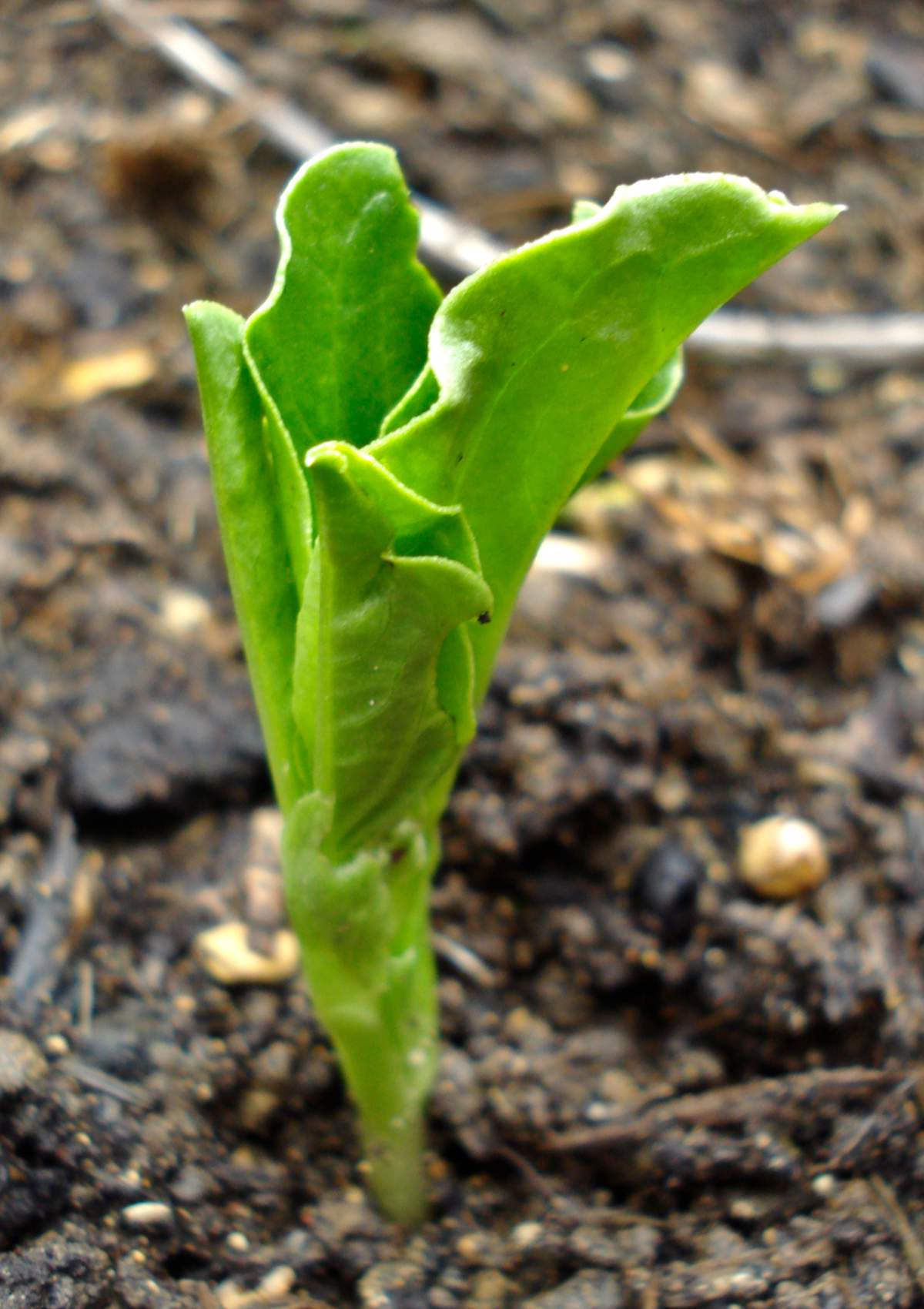
After sprouting
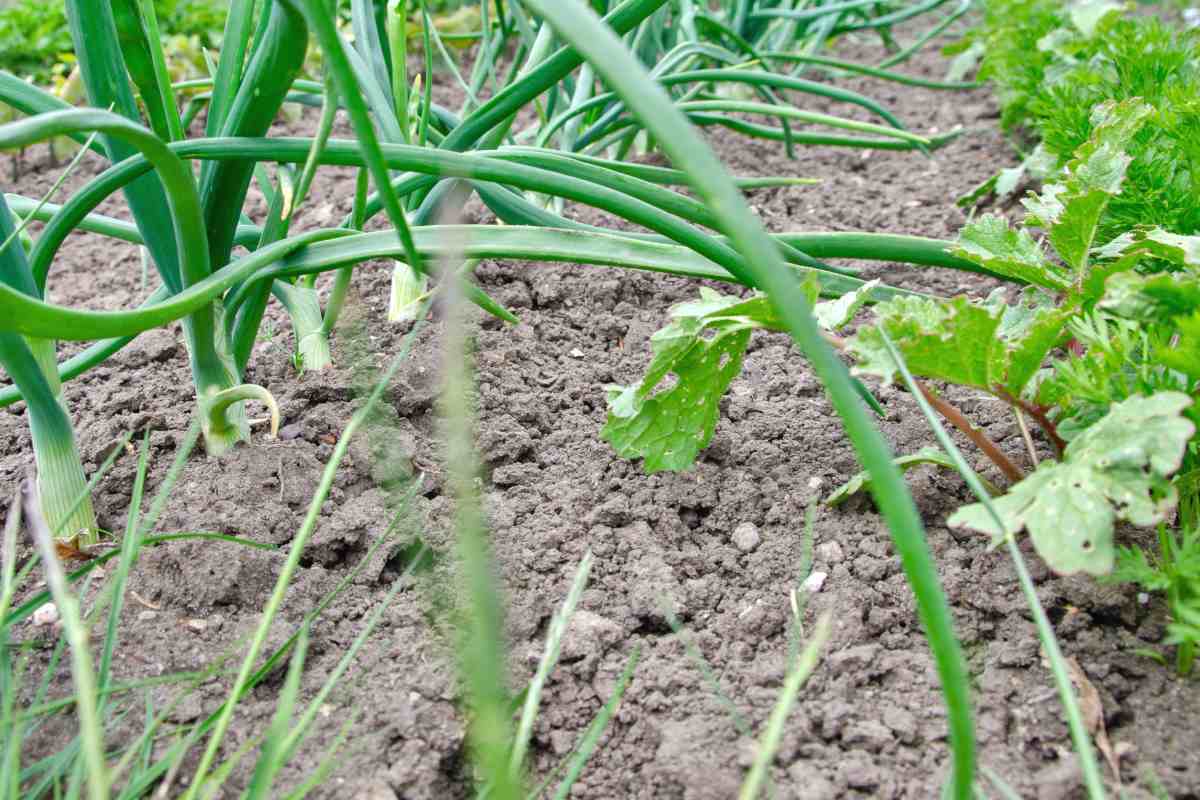
It is important to keep the soil soft and weed-free by running a hoe along on a regular basis.
Mulch helps reduce weed growth and spaces watering, too.
When plants are around 6 to 8 inches (15 to 20 cm) tall, ridge their base by about 1¼ to 1½ inches (3 to 4 cm) to anchor it and favor root development.
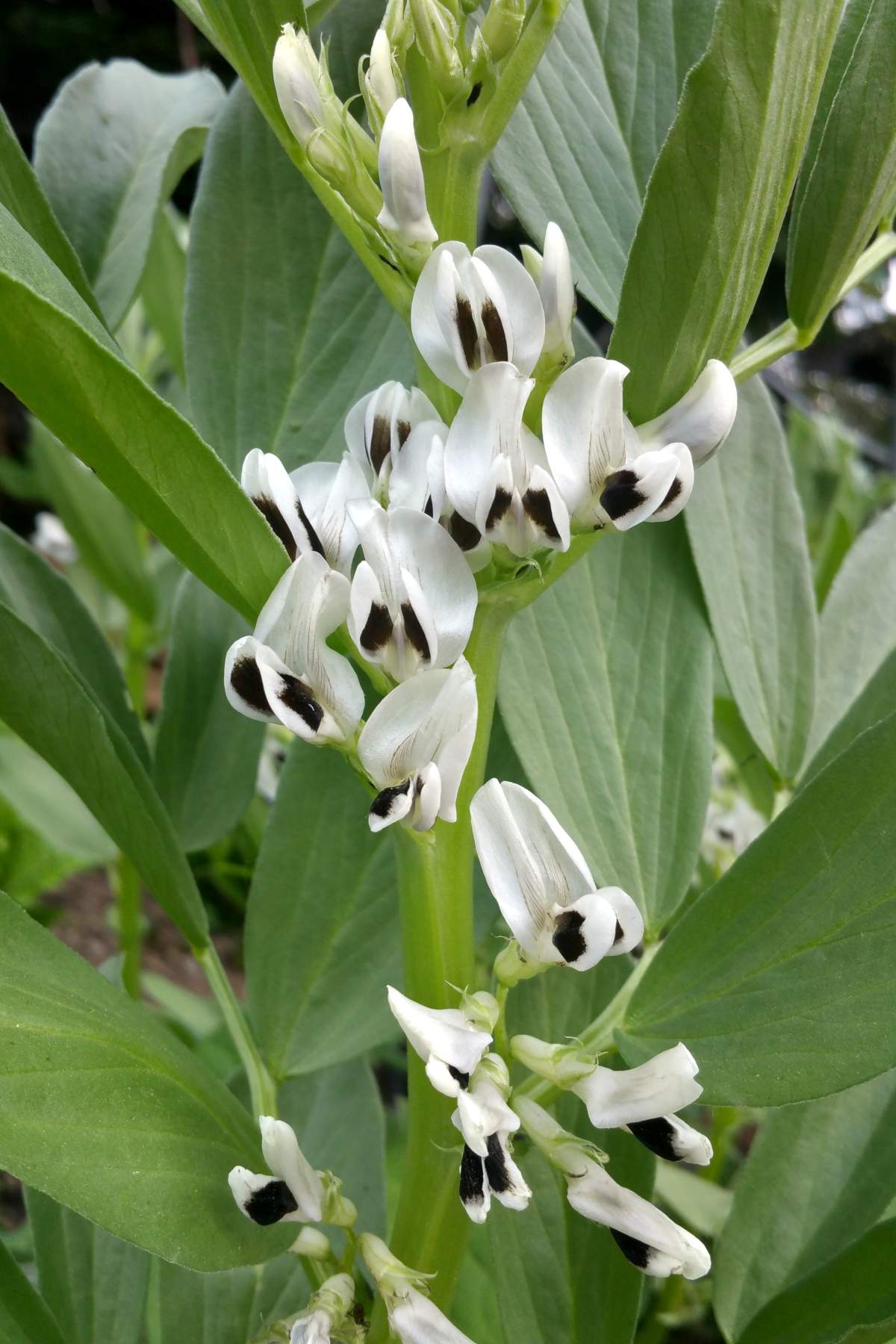
Starting in late spring, usually when broad beans or flowers start forming, pinch tips of stems above the 5th or 6th pair of leaves.
Staking broad beans
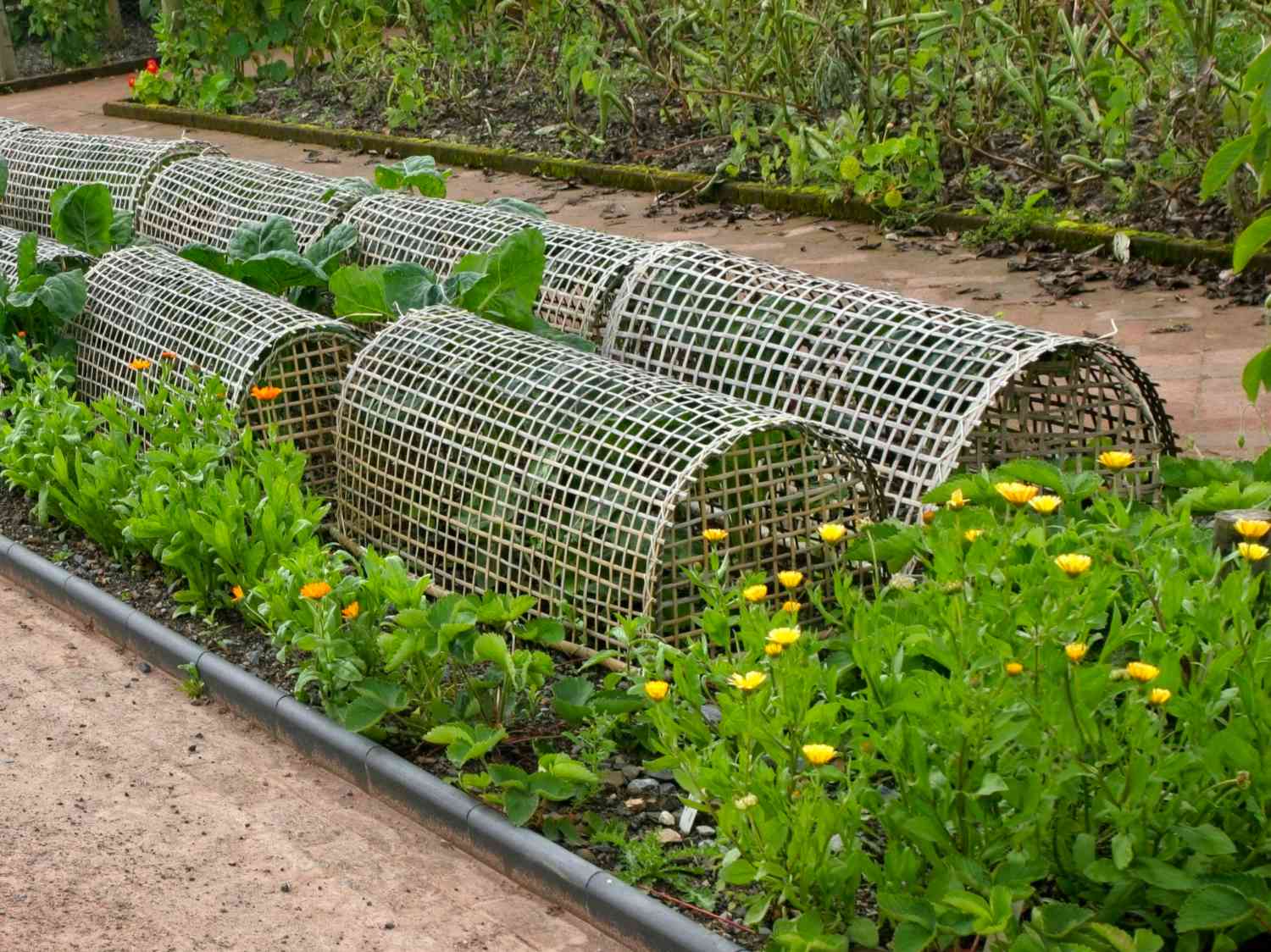
For taller varieties and if your garden is prone to strong winds, stake your broad beans so that they don’t collapse with a gust of wind.
Harvesting broad beans
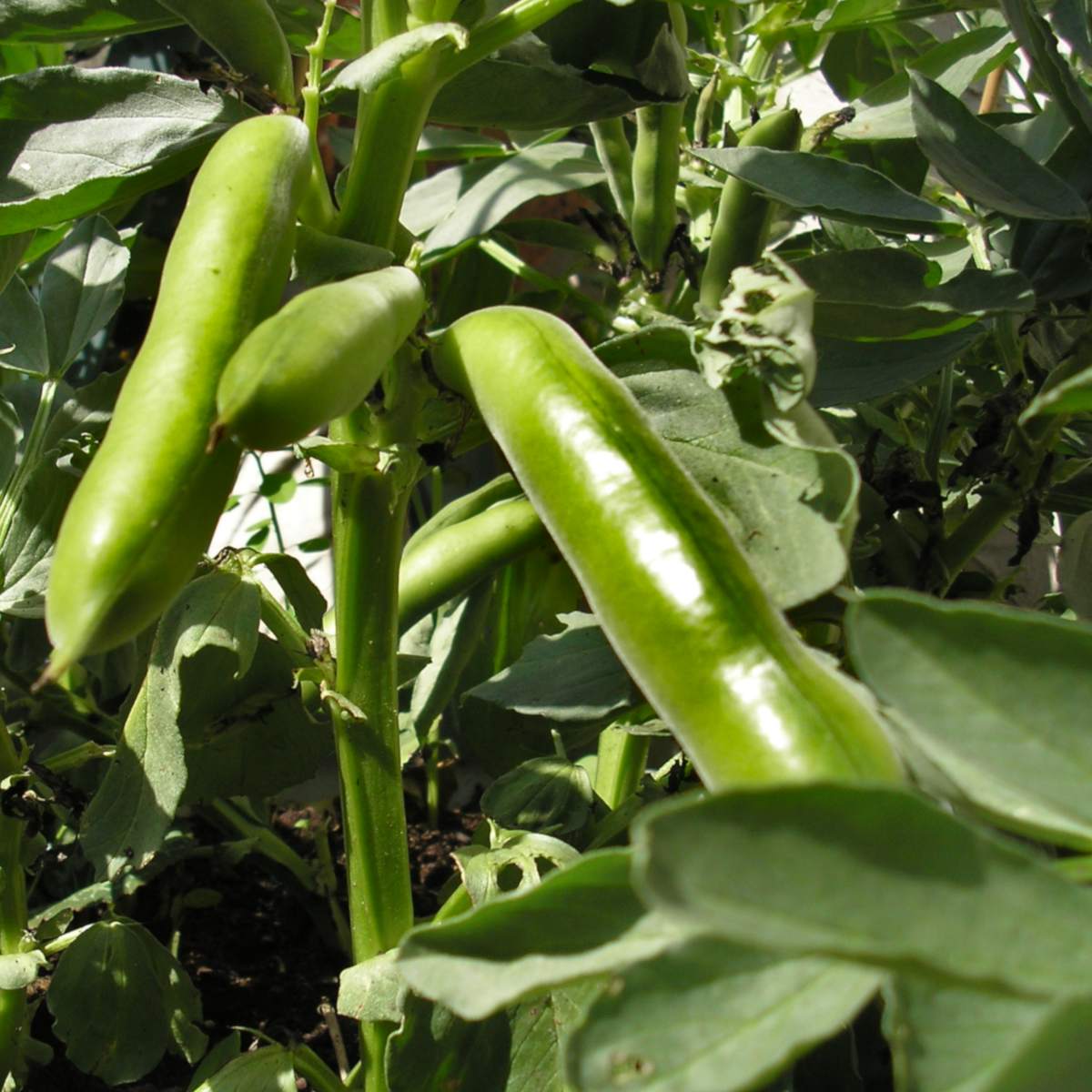
Harvesting broad beans takes place around 3 months after sowing.
This time span may vary depending on climate, soil quality and watering.
How can you know when to harvest broad beans, so that they are neither too ripe nor too young?
Several clues make this a sure practice:
Don’t let pods grow on the stem for too long because the seeds tend to harden quite fast.
Pods can be picked when they reach 2/3 of their final length.
If you wish to harvest them dry, wait for the pods to turn black while still on the plant.
Keeping broad beans
Freezing keeps shelled broad beans green longest
The best way to keep broad beans green for a long time is to put them in the freezer.
They can also keep in the refrigerator, but only for a few days.
Drying beans to keep them
Broad beans can keep for many months if they have been well dried.
Shelling broad beans
Dry the whole broad bean, without the pod but with the thin husk, in a dry and ventilated place.
When you plan to use them, remove the second skin and soak for around 10 hours in water.
Diseases and parasites that attack broad beans
Even though they are easy to grow and care for, it is important to watch over your broad beans for their main enemy: black aphids.
They can be seen attacking stems, and even pods, forming colonies of small black insects that compromise broad bean harvests.
If the colony is large and concentrated on a certain area, remove infested stems.
Watch for possible fungus attacks as well, such as downy mildew or rust on broad beans.
Pinching out the growing tip removes the soft shoot where black bean aphids settle first, so it doubles as a pest measure.
Water at the base rather than over the foliage to limit rust and chocolate spot.
Small round holes in dried beans are exit holes chewed by emerging adult bean weevils, so sort the crop and discard holed seeds, remembering that intact-looking beans may still contain developing larvae.
Cabbages and other leafy brassicas make a good crop to follow broad beans on the same patch.
Avoid following broad beans with peas or French beans because these legumes share soil-borne root and foot rots.
Summer savory is the classic companion sown along broad bean rows and gardeners grow it there in the hope of keeping black aphids off the tips.
Species and varieties of broad beans
Here is a short selection of broad bean varieties, which are interesting for their cultivation, productivity or taste.
‘Agadulce’ – edsarly
‘Trois fois blanche’ – very hardy
‘Red Epicure’ – bright red seeds, broad beans grown for how they look
‘Primabel’ – very productive, possibly the highest among all broad bean varieties
‘De Seville’ – large white seeds, rather early
‘Hystal’ – ideal for early growing
Longpod types tend to be hardier and earlier, while Windsor types carry fewer seeds per pod but are prized for flavour.
Bumblebeescross-pollinate broad beans freely, so keep varieties well apart if you save your own seed.
Which broad bean variety to choose
The varieties named in this article differ mainly in earliness, yield and seed appearance. Use the table to match a variety to what you want from the plot.
Which broad bean variety to choose
Variety
Main asset
Best for
‘Agadulce’
Early
Getting the first pods off the plot
‘Trois fois blanche’
Very hardy
Plots where hardiness matters most
‘Red Epicure’
Bright red seeds
Growing broad beans for how they look
‘Primabel’
Very productive
The largest harvest from a given row
‘De Seville’
Large white seeds, rather early
Big seeds picked early in the season
‘Hystal’
Ideal for early growing
Early sowings
All of these are worth growing for their cultivation, productivity or taste.
Health benefits and therapeutic properties of broad beans
Low in calories, high in fibre and minerals
Broad beans are low-calorie and fiber-rich foods, and help make digestion easier.
With high sugar and mineral content, such as magnesium, potassium or calcium, and many vitamins, too, broad beans have a positive impact on digestive functions and to curb exhaustion.
They are also recommended for persons with diabetes, since the carbohydrates they contain don’t change blood sugar levels.
Dried broad beans are around a quarter protein by weight, which makes them one of the most useful pulses to grow for meat-free meals.
Mature broad (fava) beans develop a tough, slightly bitter seed coat, so blanch them briefly and slip off each skin for a sweeter, more tender and digestible result.
Broad beans naturally contain L-dopa, the same substance used in Parkinson’s medication, so anyone on such treatment should check with a doctor before eating them often.
Smart tip about broad beans
Don’t grow broad beans in the same plot 2 years in a row; better to wait even 4 years before sowing again in the same place.
Written by Gaspard Lorthiois | Loves helping out, especially when it comes to growing things. Worked in herbal medicine, runs a farm, and dabbles in tech. Master's degree and engineer.