Velvet-black pansy petals, striped and tricolour primroses, violets small enough to scatter over a pudding: these blooms open while the rest of the garden still sleeps. They fill pots, window boxes and the bare base of shrub beds, and ask only for a cool, well-drained soil in partial shade to flower for months.
Think pansies, primroses, and violets are just basic garden-variety flowers? Take a closer look at a few new cultivars, they’re eye-openers in winter gardens!

These decorative blooms come together to form vibrant displays, signaling winter’s end. And beyond garden box compositions and pots, they’re perfect to fill in the base of shrub beds throughout the garden.
You’ll find them in nurseries until March. Start sowing them by mid-April and transplant in fall.
They all love a cool, well-drained soil and a partial shade exposure.
The three cold-season favourites are easy to tell apart once you look at the flowers, and they do not all bloom at the same moment. Use this table to decide which one goes where before you buy.
| Plant | Flower | Flowering time | Sowing | Position |
|---|---|---|---|---|
| Wild primrose | Golden, single or double | Late winter to early summer | By mid-spring | Partial shade, cool well-drained soil |
| Tiered or candelabra primrose | Whorled stems, 2 to 4 ft (1.20 m) tall | Late spring to midsummer | By mid-spring | Shade or semi-shade |
| Violet | Small, two petals on top and three below | Autumn and winter until warmer days | Late winter to mid-spring | Partial shade |
| Pansy | Larger, four petals on top and one below | Autumn and winter until warmer days | Late winter to mid-spring | Partial shade |
Whichever you choose, all of them want the same thing: a cool, well-drained soil and a spot out of full sun.
Traditionally golden, wild primrose – single or double – laughs in the face of harsh winters. Snow? Frost? No problem! It blooms as early as February and can continue up to June.

Nowadays, these perennials come in a wide range of unique varieties. Some feature particularly creative blooms – bicolor, tricolor, or even striped! You can even find “tiered” or “candelabra” primroses reaching heights of 2 feet or even 4 feet (1.20m). You’ll see them flowering from May to July, preferring shadow or semi-shadow.
Check out ball primroses or bear’s-ear primroses among other surprising hybrids.
Pansies and violets are nearly identical siblings from the viola family. Differentiated by petal size and arrangement, violets’ flowers are smaller, with two petals on top and three below, while pansies boast larger blossoms, four on top and just one below.
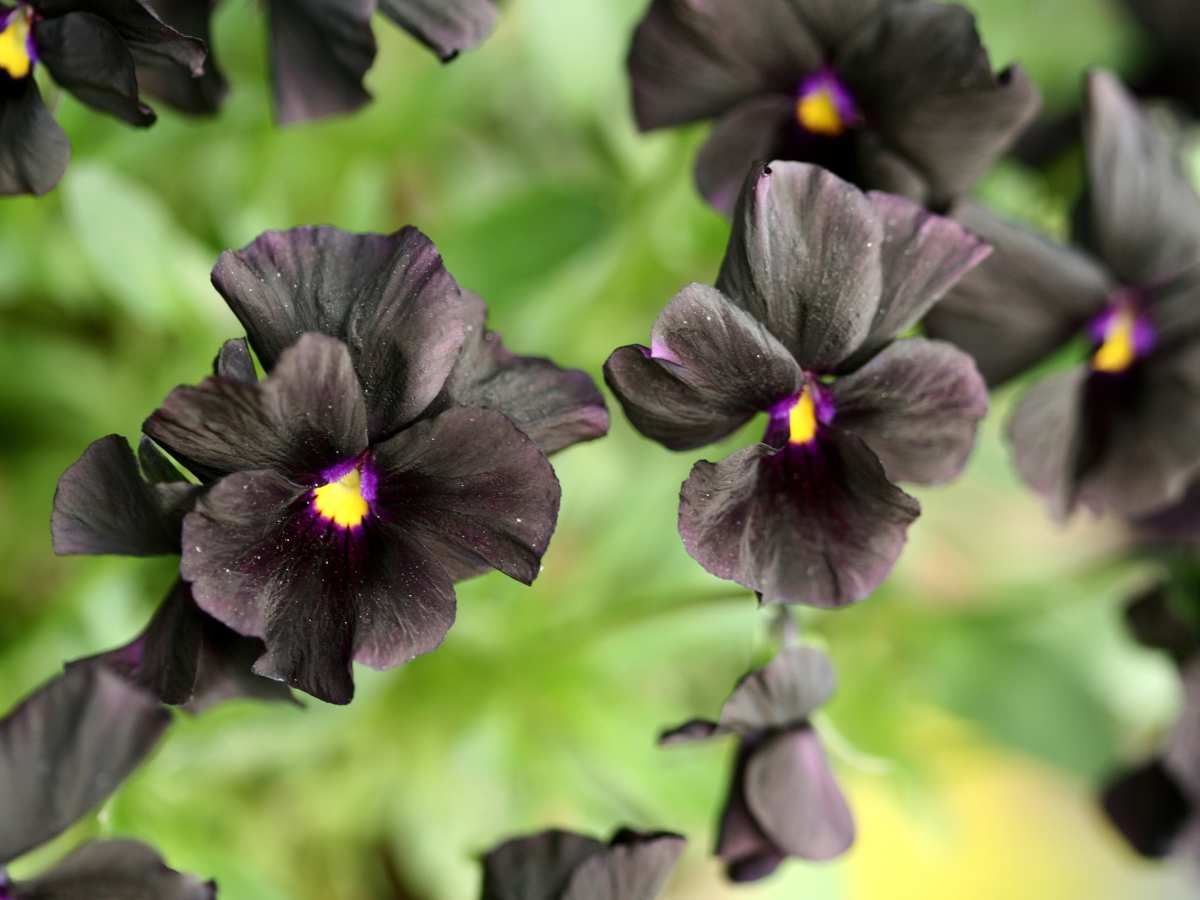
With 500 species out there, color variety keeps expanding with each horticultural innovation. From ‘Kitty surprise’ violets to ‘Carrera purple and orange’ pansies to the velvet-petaled black pansy (viola cornuta ‘Molly Sanderson’), the options are vast. Sow them from February to April; they’re super bloomers!
Pansies and violets, both biennials, are sown early April or planted in fall and spring. They blossom in fall and winter until warmer days. They self-seed generously; let them settle where they please. These spring little flowers thrive everywhere and guess what? They’re edible. Sprinkle them on your desserts and salads!
Claire Lelong-Lehoang