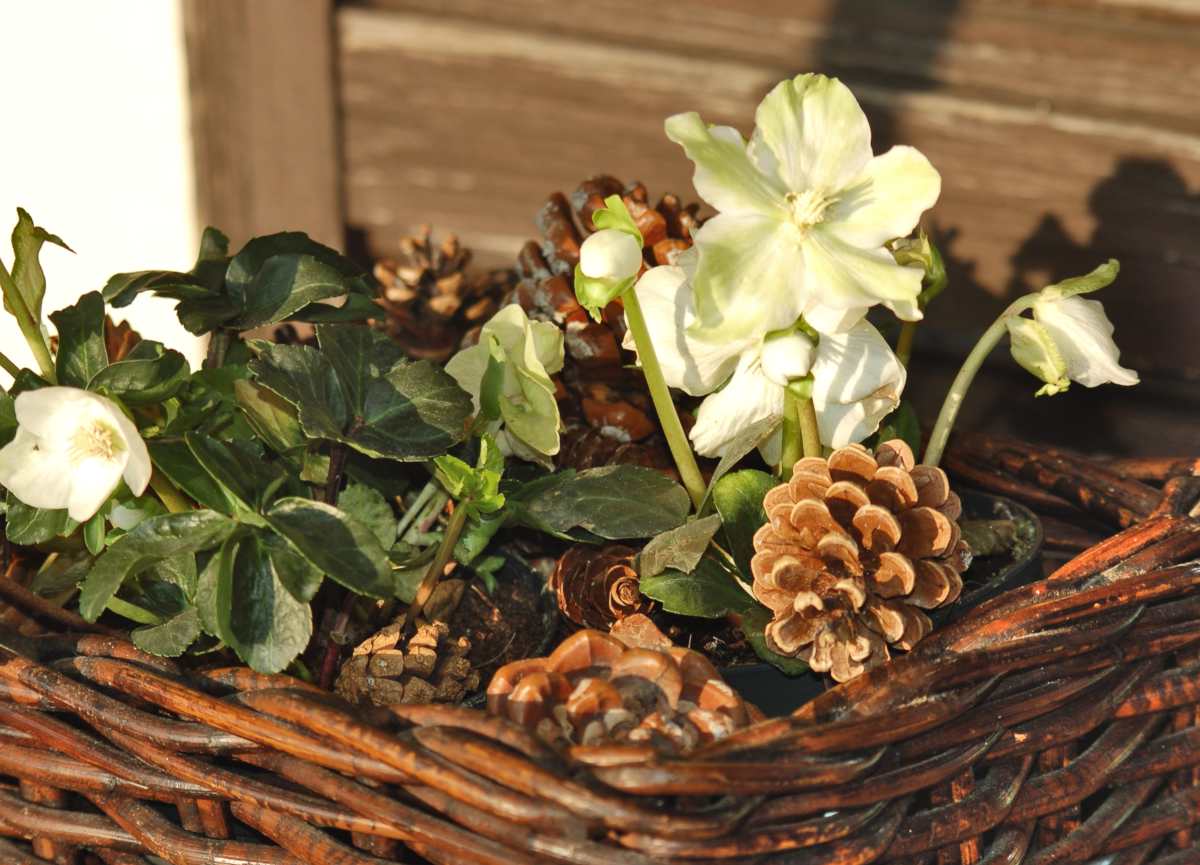
Hellebore flowers open from late autumn to mid-spring, Convolvulus cneorum holds glossy silvery leaves, and ivies edged with white keep climbing while bulbs push up in early winter. A terrace need not stand empty: perennials, bright foliage and autumn-planted bulbs carry it to spring, provided you plant while the compost is unfrozen.
Here are our tips to keep it beautiful, alive and flourishing until Spring gets there.
With perennials, you’ll be growing plants that will stand true year after year without much work, since you’ll save time and efforts as compared to annuals which you must sow and replace. Winter-blooming perennials are particularly interesting in the garden because they fill the gap between tardy autumn flowers like aster and early spring blooms. For instance, let’s mention hellebore, or Christmas roses which bear flowers from late autumn to mid-spring depending on the variety. Other noteworthy hellebores are Helleborus niger, Helleborus foetidus (also called the Corsican hellebore) and Helleborus argutifolius. These are all very hardy plants that withstand colds down to 19°F (-7°C).
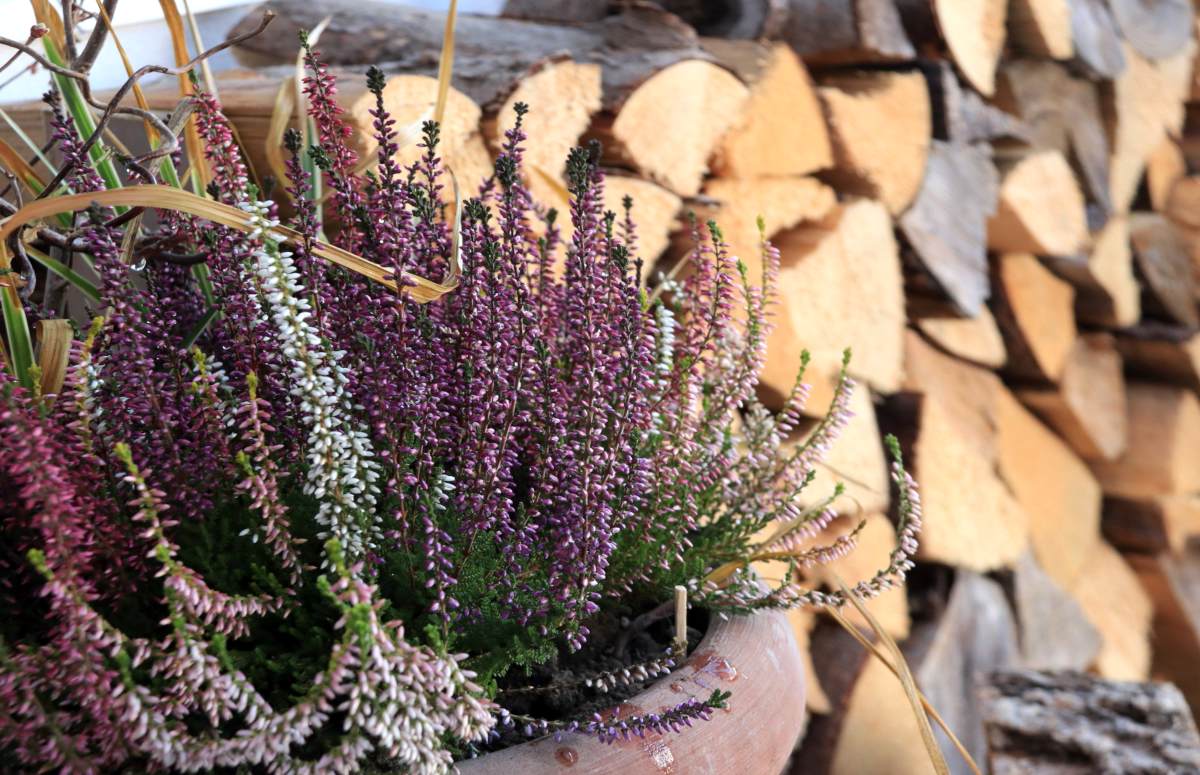
As long as it doesn’t freeze, you can plant these beautiful winter wonders and savor their blooming until the weathers turns milder. They’ll then fade away discreetly just as spring perennials start budding, but their leafage will continue to decorate your landscape. Year in and year out, their clumps will slowly increase in size. To add some color, a nice option is winter heather, the hardiest of all flower plants.
Feel free to dabble into luminous, light-reflecting plants to fill the gaps in your landscaping. For example, there are beautifully colored varieties of medicinal sage such as the ‘Purpurascens’ variety that unfurls dark reddish gray leafage, or bushy bindweed: Convolvulus cneorum which has glossy, silvery leaves, and flowerbuds that are white with a hint of pastel pink.
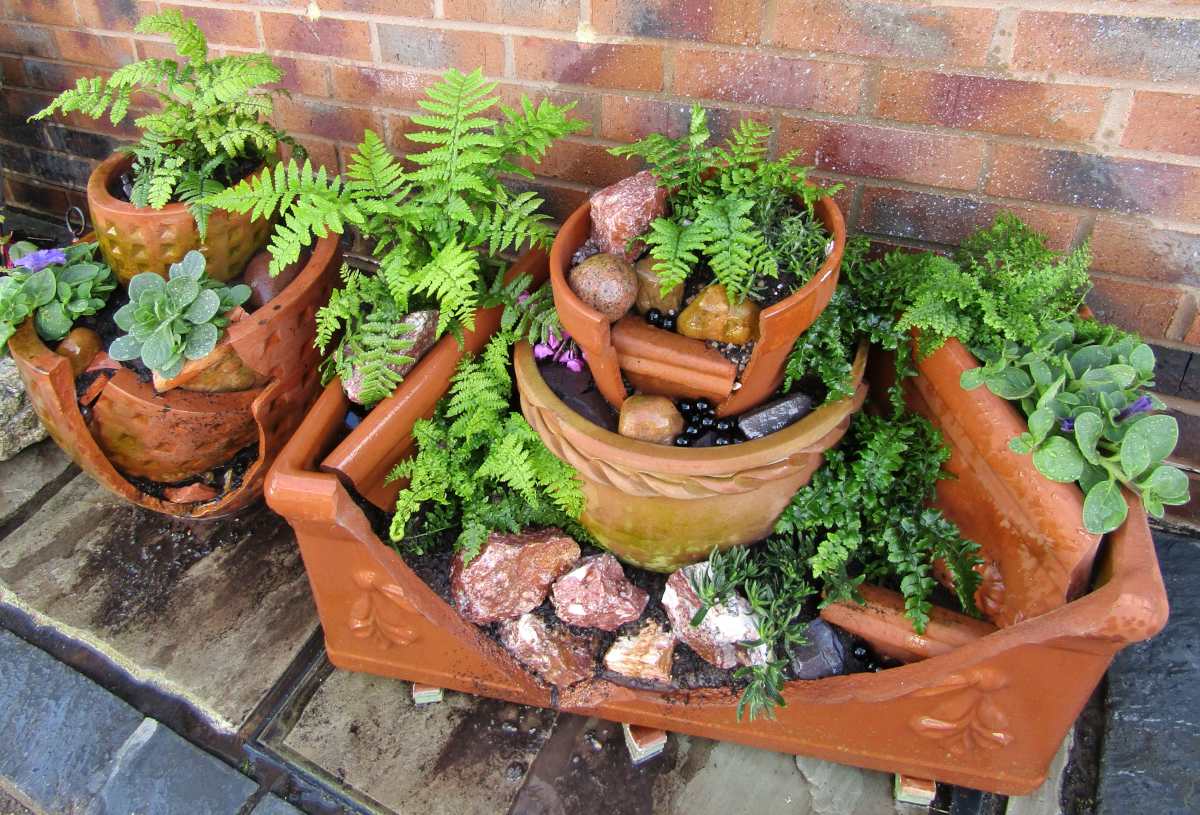
Variegated and mottled leaves are also precious allies: Hedera ‘Glacier’ and Hedera ‘Marengo’ ivy both have their edges that are delicately rimmed with white. Other varieties of ivy stand out because their leaves, although all of one color, seem like delicately chiseled works of art due to the finesse of their shapes. Hedera sagittifolia is a good example of these. Particularly hardy and suited to all types of exposure, ivy is a choice partner in the garden. Evergreen ferns also are worthy choices.

Usually planted in fall, certain bulbs start sprouting in early winter and are great to fill in flower beds while perennials still revel in their winter dormant state. Snowdrop, crocus, cyclamen or Ipheion are to be planted in fall.
If you plant both:
you’ll be blessed with beautiful pink blooming along the lower levels of your flowerbeds from fall to the end of winter.
The plants mentioned above play different roles on a winter terrace: some flower, some simply hold bright foliage, and some come up from bulbs while everything else sleeps. Use the table to pick what fills the gap you actually have.
| Plant | Type | What it brings | When it performs |
|---|---|---|---|
| Hellebore (Christmas rose) | Winter-blooming perennial | Flowers that bridge late autumn and early spring; hardy to 19°F (-7°C) | late autumn to mid-spring |
| Medicinal sage ‘Purpurascens’ | Coloured-leaved sub-shrub | Dark reddish gray leafage to fill gaps in the planting | Foliage through winter |
| Convolvulus cneorum (bushy bindweed) | Evergreen shrublet | Glossy, silvery leaves and white buds hinted with pastel pink | Light-reflecting foliage all winter |
| Ivy ‘Glacier’ and ‘Marengo’ | Evergreen climber | Leaf edges delicately rimmed with white; suits all exposures | Year in, year out |
| Snowdrop and crocus | Bulbs planted in fall | Fill flower beds while perennials stay dormant | Sprouting from early winter |
| Cyclamen hederifolium and Cyclamen coum | Tuberous perennials | Pink blooming along the lower levels of the bed | early autumn, then midwinter onwards |
Combining one flowering perennial, one bright-leaved plant and a handful of bulbs is usually enough to carry a balcony from autumn to spring.
Remember to select a few ornaments to increase the appeal of the flowers you grow on your balcony!