Bougainvillea, hibiscus, oleander, fuchsia and citrus all come from tropical or Mediterranean climates, and a single hard frost can end them. Winterizing means getting those pots into a dry, frost-free space at 32 to 50°F (0 to 10°C), or wrapping them where they stand: keep them dry and cold-but-unfrozen, and winter passes without dire consequences.
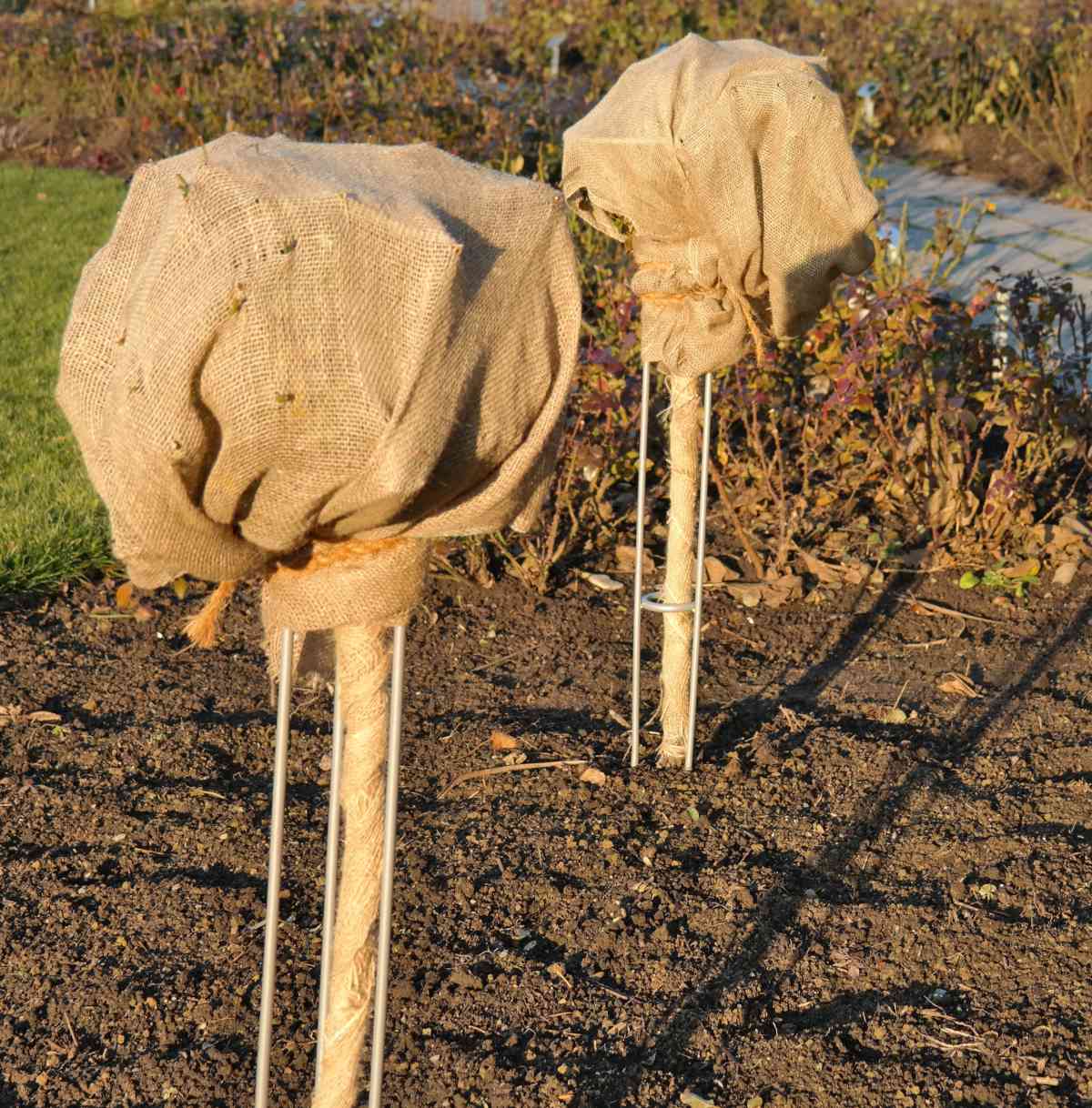
Logically, most non-hardy plants are native to tropical regions, or to the Mediterranean. Grown in pots when outside of their ideal climate zone, they must be protected from the cold.
Plants such as bougainvillea, hibiscus, geranium, fuchsia, oleander, azalea, and all citrus and cactus are considered vulnerable to cold.
Read also:
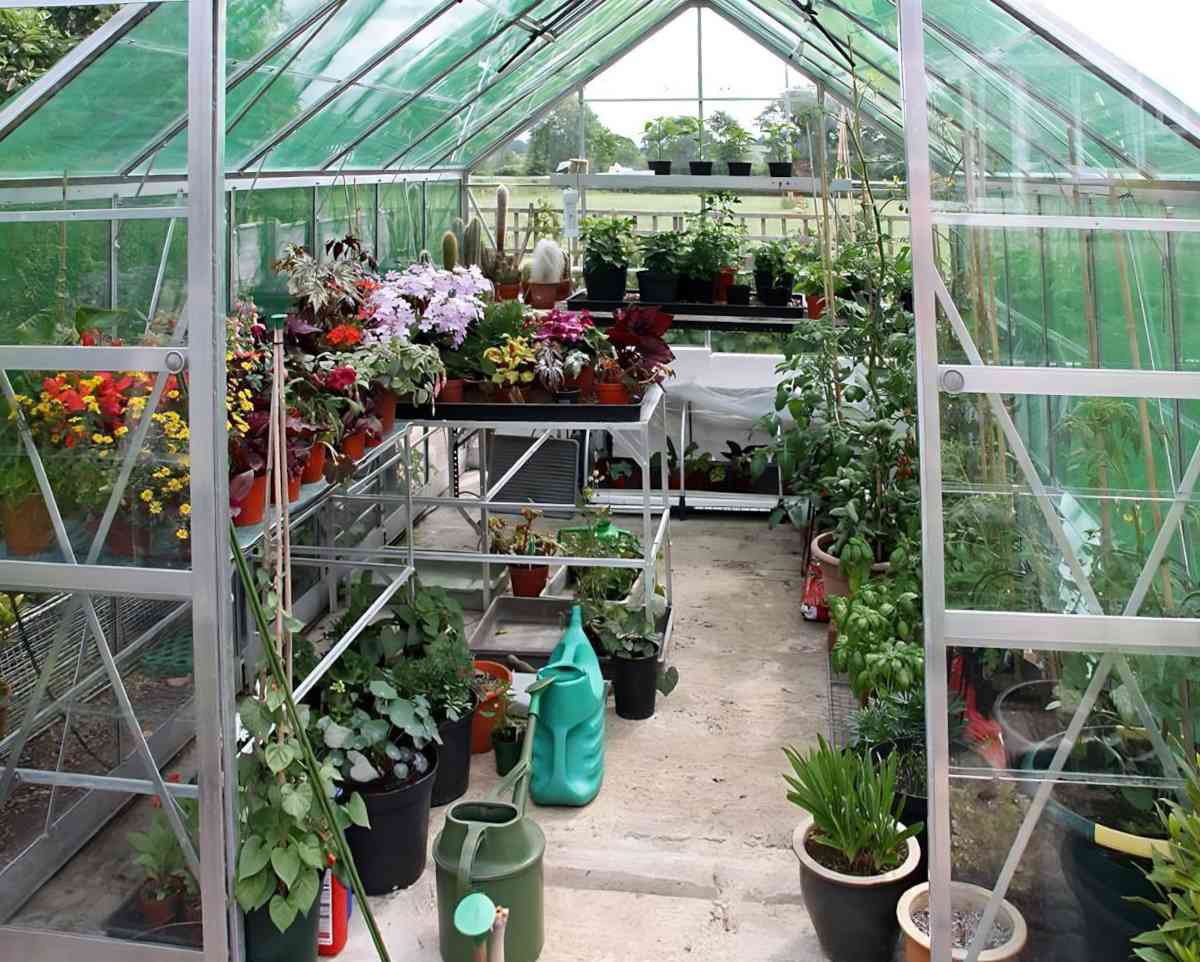
Several options are available to protect non-hardy plants. A lean-in, if not heated during winter, is an ideal storage space for these plants, and becomes a bright winter garden.
But any dry room with a window that doesn’t freeze will also be fine: a garage, basement, laundry room, garden shed, etc. An ideal temperature range is from 32 to 50°F (0 to 10°C); if that isn’t possible, from 50 to 60°F (10 to 15°C) maximum.
Some plants can even bear spending winter in the dark, and can be kept in the basement. Such plants include geraniums, fuchsia plants and oleander. This is also the case for summer flowering bulbs – dahlias, gladiolus, etc. – as long as the air remains very dry.
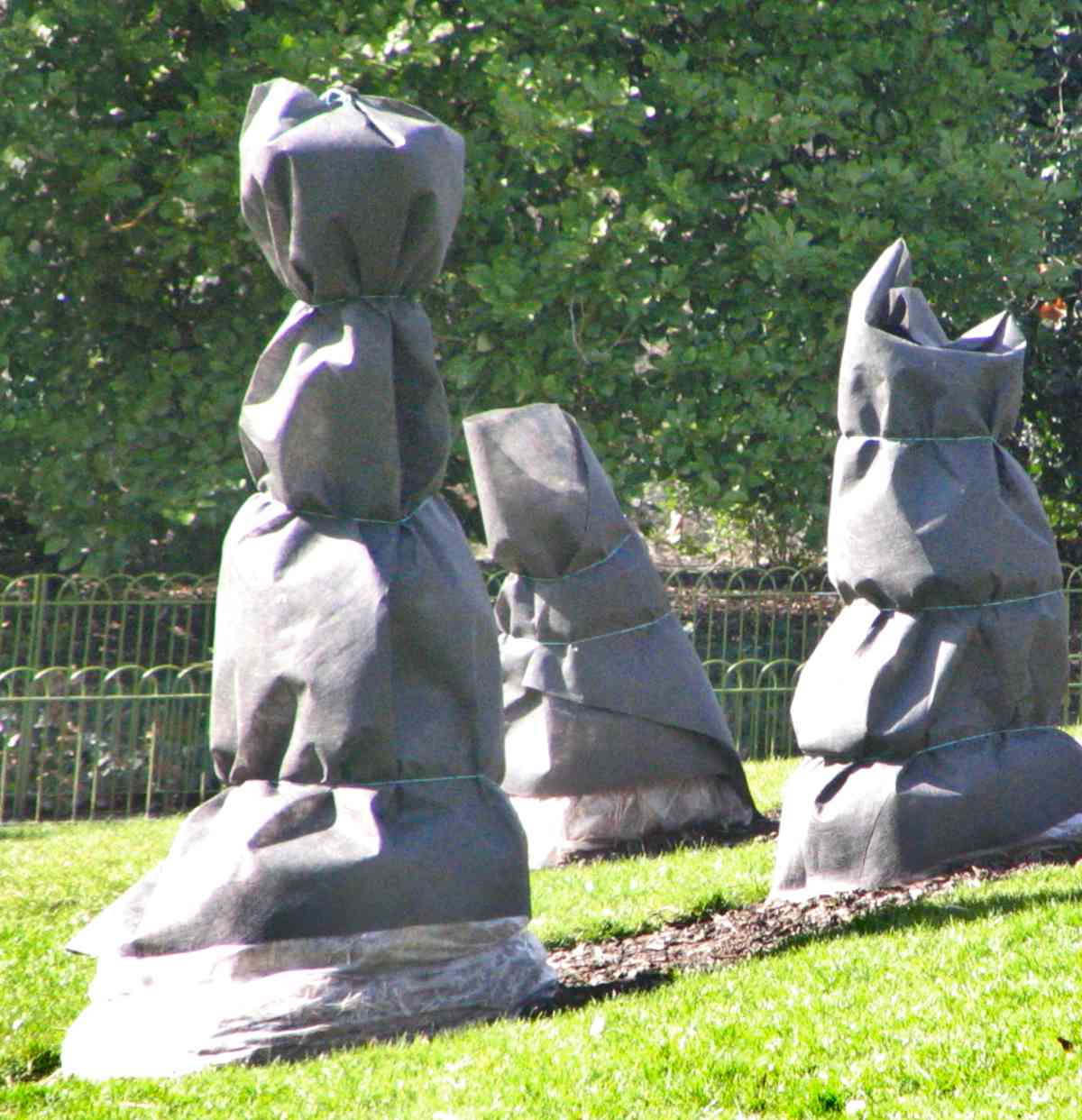
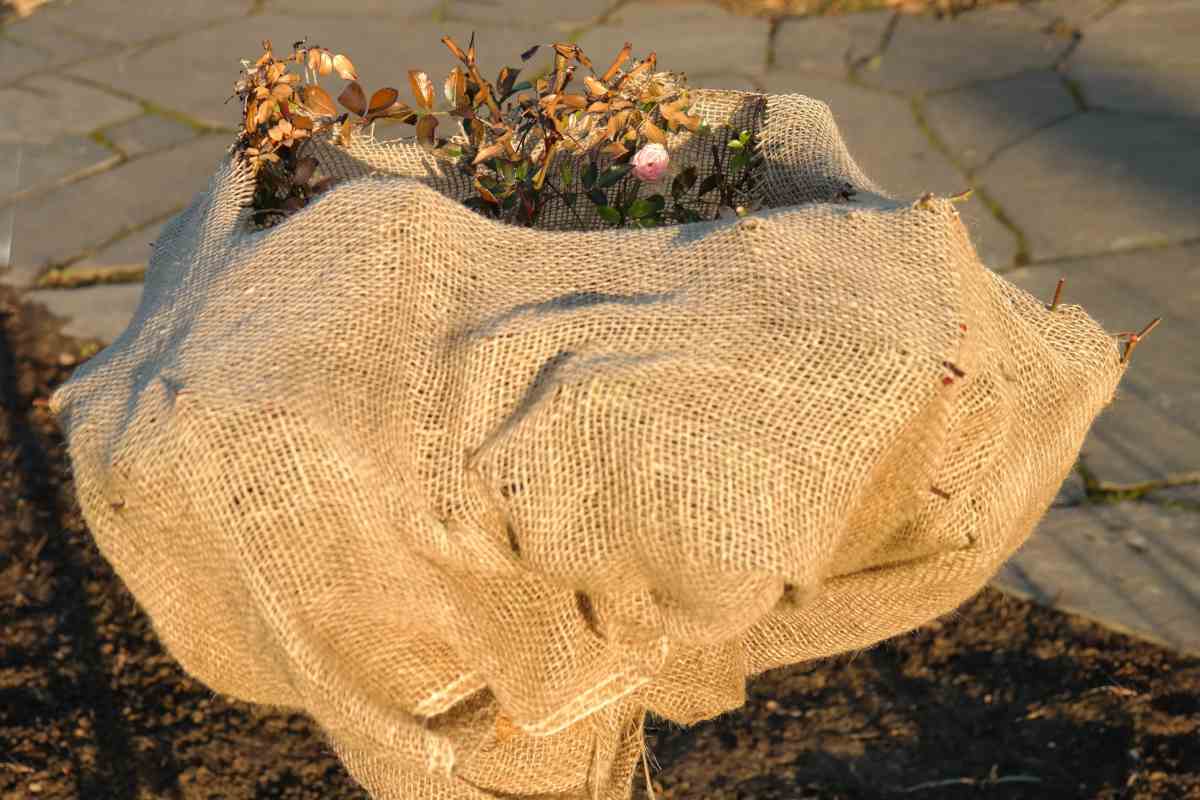
If you lack space to store your garden boxes and pots indoors, wrap them up in plastic bubble wrap or horticultural fleece to protect the roots from the cold as they spend the winter outside. For smaller pots, place a slab of Styrofoam underneath them to insulate them from the cold that might seep in through cement or tiles on the terrace or balcony.
Do not water when weather is freezing, or the water would freeze and weigh heavily on the roots. Plants are in a dormant state over the winter anyway, and need very little water and no fertilizer.
Read also :
The right shelter depends on how much light the plant needs and on how much indoor space you have. The options described here range from a bright unheated lean-in to simply wrapping the pot and leaving it outside.
| Shelter | Light | Plants suited | Key condition |
|---|---|---|---|
| Unheated lean-in / winter garden | Bright | Tender potted plants generally | Must not be heated during winter |
| Dry room with a window (garage, laundry room, garden shed) | Some daylight | Tender potted plants generally | 32 to 50°F (0 to 10°C), 50 to 60°F (10 to 15°C) at most |
| Basement | Dark | Geranium, fuchsia, oleander | Frost-free storage |
| Basement | Dark | Summer flowering bulbs such as dahlia and gladiolus | Air must remain very dry |
| Wrapped pot left outdoors | Full outdoor light | Boxes and pots with no room indoors | Bubble wrap or horticultural fleece round the pot |
| Styrofoam slab under the pot | Full outdoor light | Smaller pots on a terrace or balcony | Insulates from cold rising through cement or tiles |
| Foot of a sheltered wall | Full outdoor light | Hardy plants grown in pots | Wall well exposed and sheltered from wind |
Whichever shelter you pick, keep watering to a minimum and give no fertilizer at all.
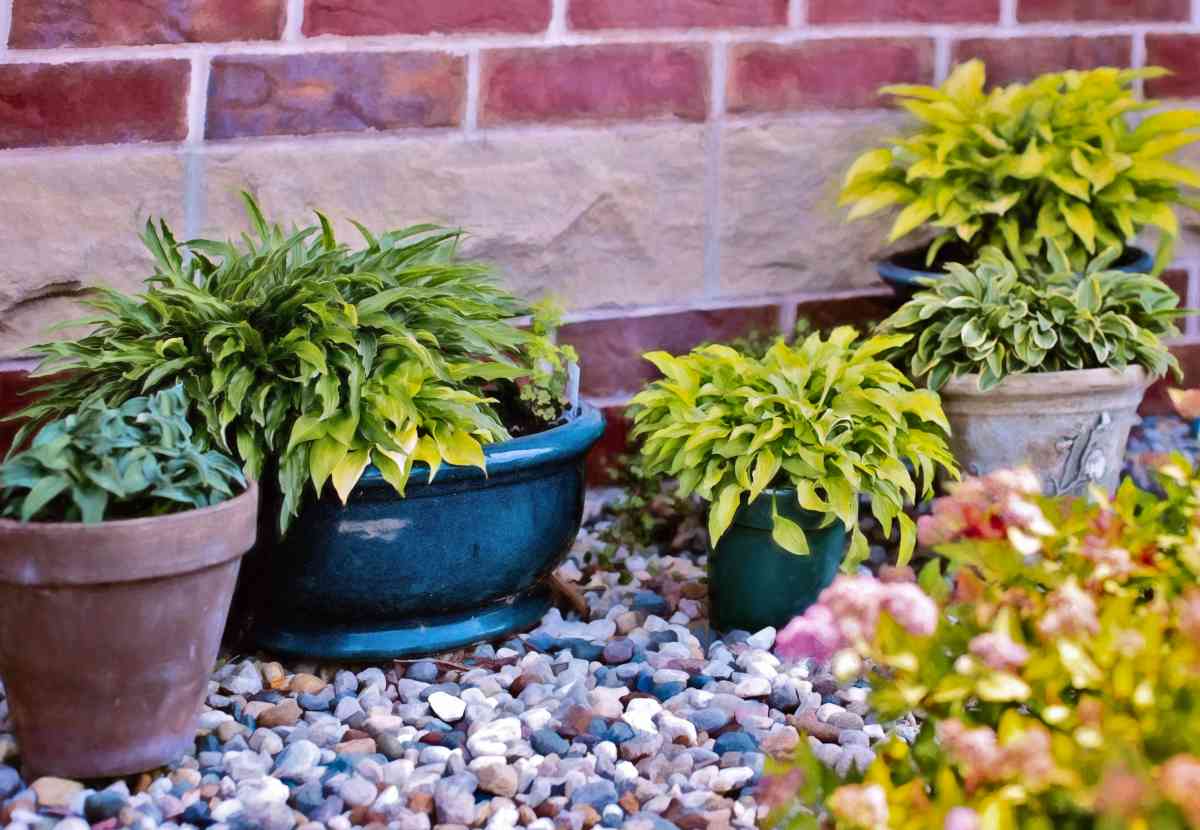
Even if some plants are usually considered hardy, they may be more vulnerable when planted in pots. These pots, if made from clay, can even burst and break when water freezes to ice and expands.
It isn’t necessary to bring them inside, but it helps to place them alongside a wall that is well exposed and sheltered from wind for the winter to pass over without dire consequences.
Laure Hamann
Read also: