A tomato ripening on the deck, lavender flanking the front door, the cool green of ivy, ferns and hostas in a shaded corner: pots bring colour and greenery wherever you put them. Any plant will thrive in one, provided the container is wide and deep enough for roots to spread, with adequate light, soil and regular water.
Whether you’re hoping to grow potted tomato on your deck, enhance front door surroundings with lavender, or even grow an olive tree in the North, growing plants in pots will meet your needs! All plants can grow and thrive in pots, but for that to happen, you must choose pots that are suited to their size, give them adequate light and soil and water regularly.
Choosing the pot
It must be wide and deep enough for roots to spread comfortably. Plan for 14 to 16 inches (35 to 40 cm) wide and deep to grow tomatoes or a shrub.
The material that makes the pot can have pros and cons.
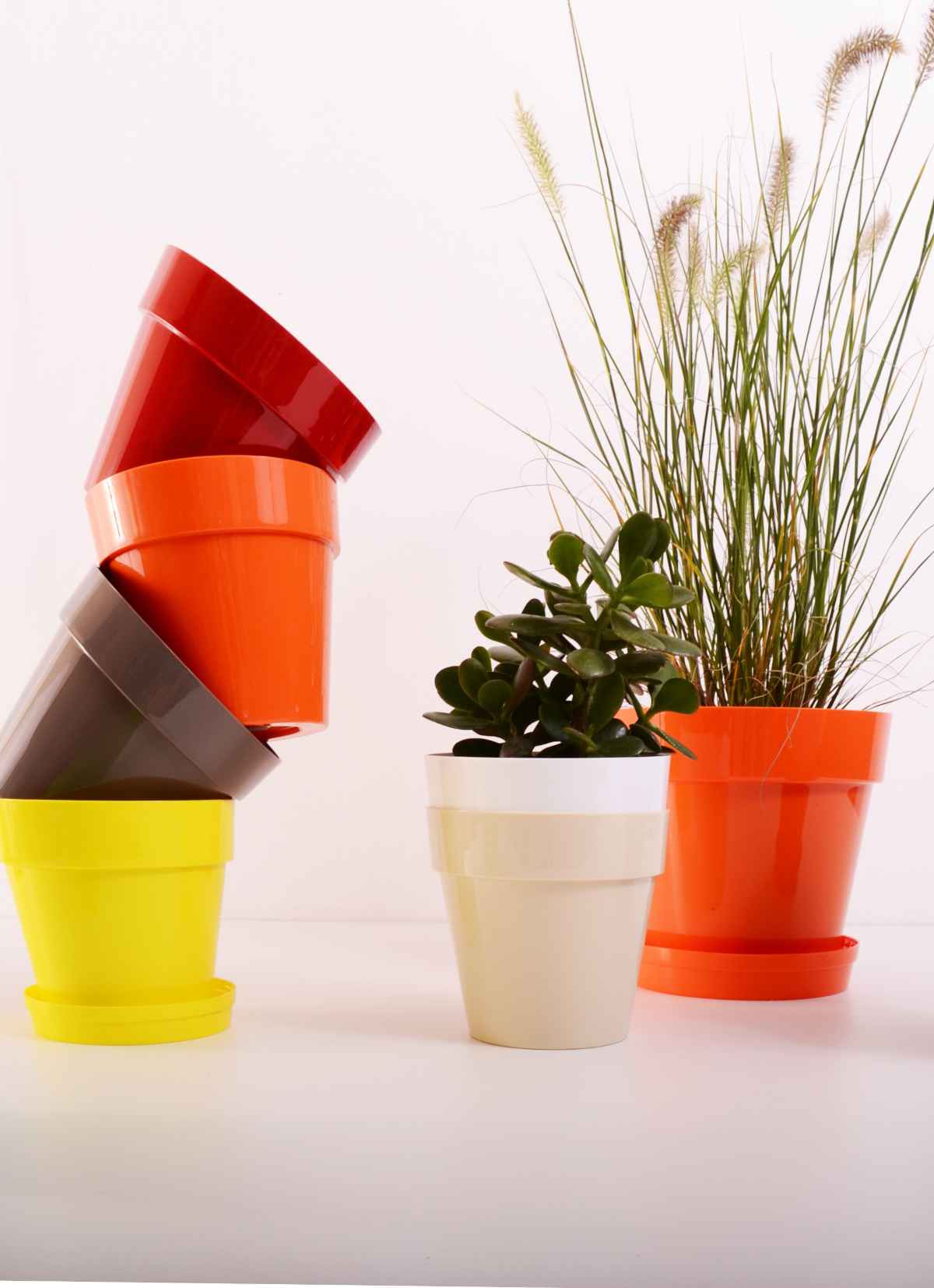
> Plastic, is light and affordable, gets hot in the sun, but is fine for shade.
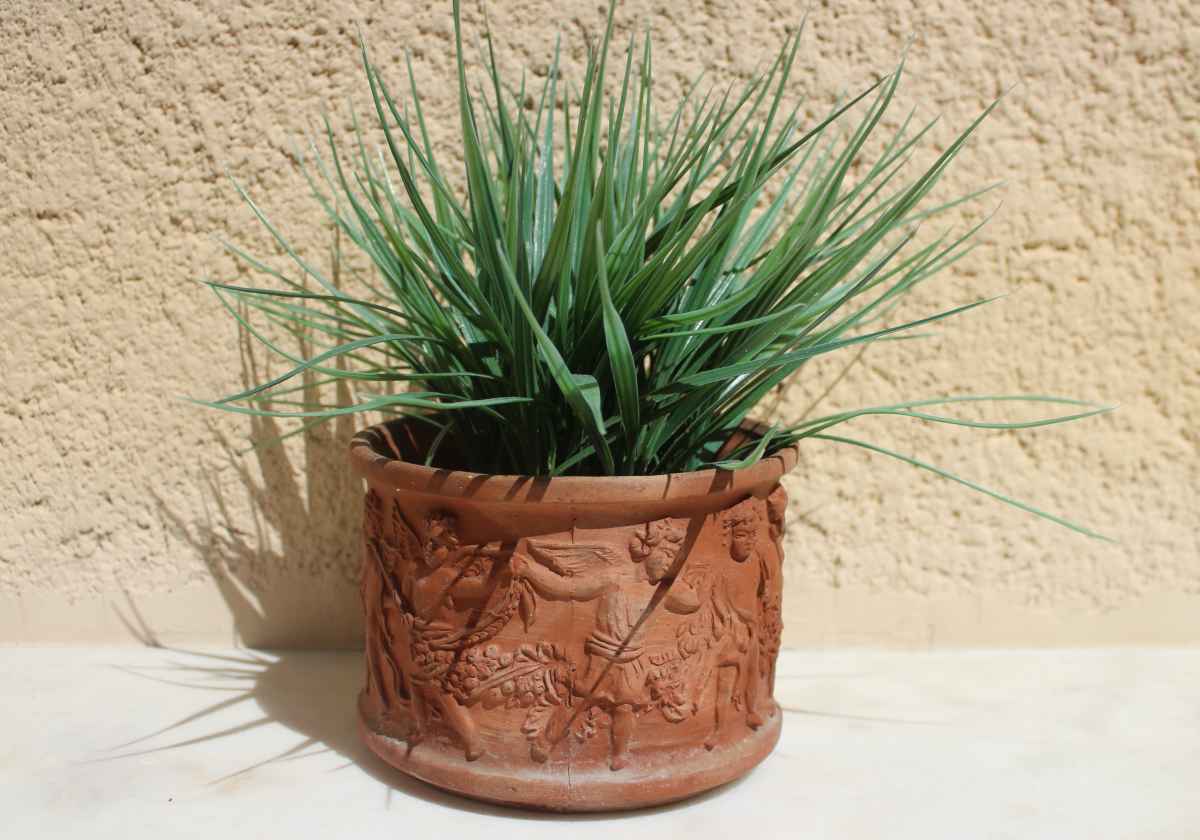
> Terra cotta has advantageous regulating properties, but might break when weather freeze, so they are perfect for those plants that must be brought indoors over winter.
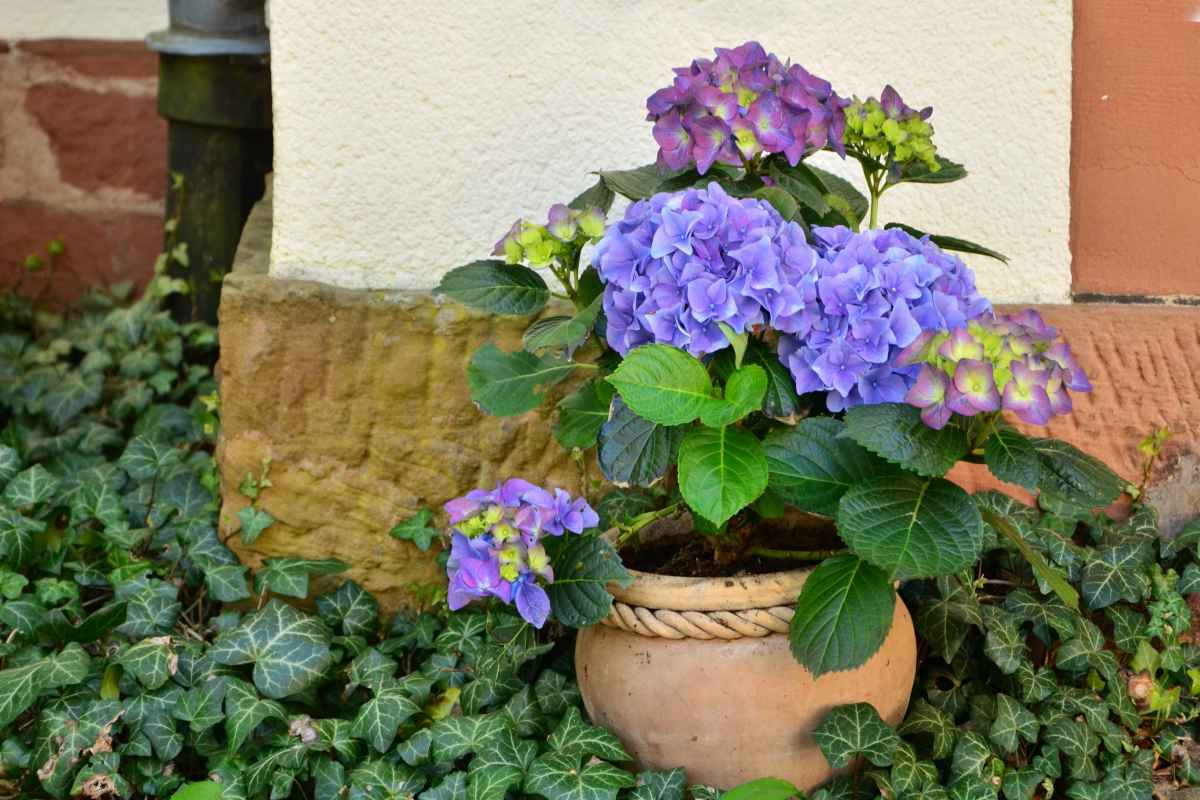
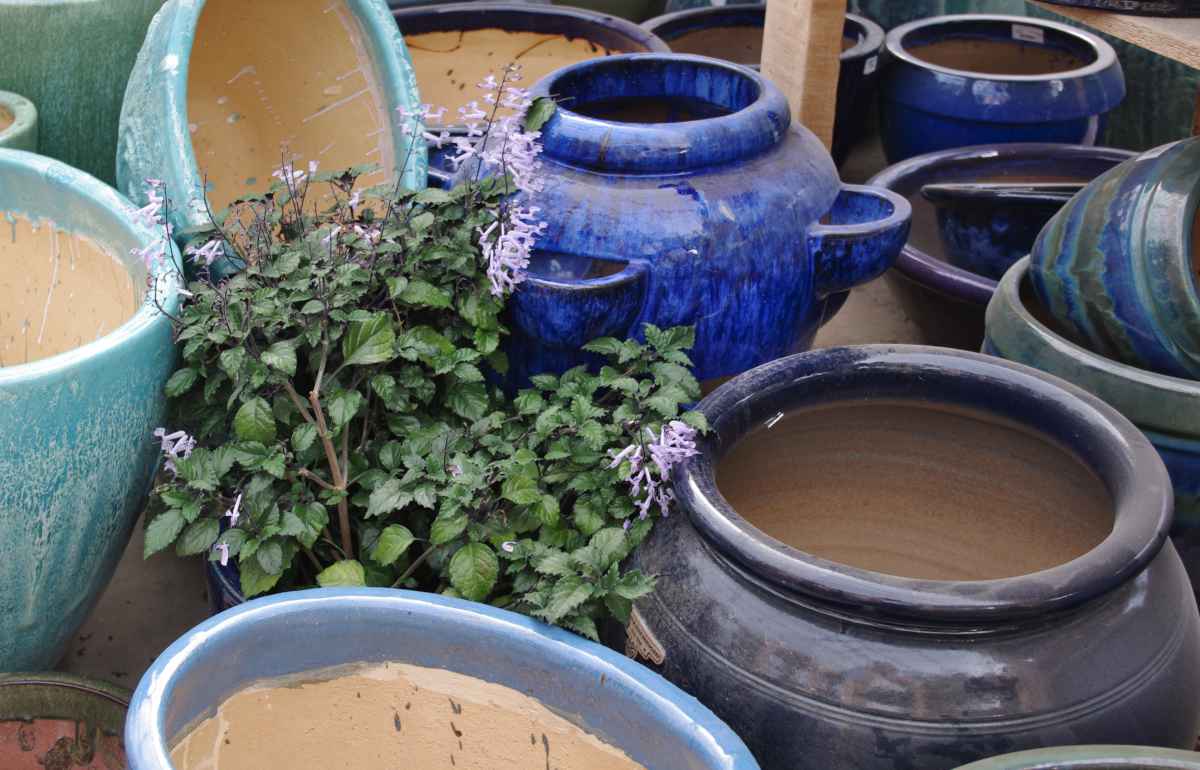
> Ceramics are very elegant and sturdy, but they are heavy and expensive. Keep these for potted arrangements that you would particularly like to highlight, for instance near your main door.
Save heavy ceramic for arrangements beside the main door
Which pot material should you choose?
The material your pot is made of changes how it behaves in sun, frost and in the hand. Here is how the three common choices compare before you buy.
Which pot material should you choose?
Pot material
Advantages
Drawbacks
Best suited to
Plastic
Light and affordable
Gets hot in the sun
Shaded positions
Terra cotta
Advantageous regulating properties
Might break when weather freezes
Plants brought indoors over winter
Ceramics
Very elegant and sturdy
Heavy and expensive
Arrangements you want to highlight, for instance near your main door
Whichever material you pick, the pot must still be wide and deep enough for the roots to spread comfortably.
You will make your plant feel at home in a mix of soil mix – garden soil is fine, too – and compost (usually one part comport for three parts garden soil or soil mix).
In spring, add organic fertilizer to boost plant growth. Repot every two to three years.
Check that the container has drainage holes at its base before filling it, because a layer of clay pebbles cannot evacuate anything if the water has no way out and roots will end up sitting in stagnant water.
Leave some headspace between the soil surface and the rim of the pot—less in small containers, more in large ones—so each watering pools and soaks down through the root ball instead of spilling over the edge.
Adapt the mix to the plant: lavender and olive trees want coarse sand or grit blended in for sharper drainage, while heather-loving plants such as azaleas need an acidic, lime-free potting soil.
In the years between repottings, top-dress instead: carefully remove as much spent soil from the surface as you can without damaging roots — often only an inch or so in small pots — and replace it with fresh compost.
When you repot, move the plant into a container just one size larger and gently tease apart any roots circling the old root ball, since loosening them encourages roots to spread outward into the fresh potting mix.
Watering potted plants
Pot arrangements require abundant water in summer, every two or three days.
Don’t forget to mulch on top of the soil to reduce water loss through evaporation. Law clippings, cocoa hulls, etc make great mulch.
Water a container until it runs freely from the drainage holes at the base, since a light sprinkling only wets the surface and leaves the lower roots of the pot dry.
Empty any water left standing in a pot’s saucer once the soil has finished draining, because roots sitting in water are starved of oxygen and can rot, making the plant wilt as though it were thirsty.
Before reaching for the watering can, push a finger into the potting mix and water only if it feels dry below the surface, since the top layer often dries out while deeper soil stays moist; adjust depth to the plant and pot size.
Terracotta pots lose water through their porous walls and small containers hold little reserve, so both dry out faster than large plastic ones and need checking more often in hot weather.
Potted plants
It may be your intent to combine several plants in a single pot. Play with colors, textures and heights, and place the taller plants towards the center of the composition. Also, place several containers near each other for a great pot arrangement on a terrace or deck!
Use plants that have similar needs in terms of watering and sunlight. In the shade, you might try the cool green that ivy, ferns, hostas or fuchsias can provide.
Laure Hamann
When a pot arrangement stands against a wall and is seen from one side only, set the tallest plantsat the back rather than the centre so nothing is hidden.
Finish the edges of a mixed container with trailing plants such as ivy, which spill over the rim and hide the bare sides of the pot.
Do not mix drought-lovers like lavender with thirsty companions such as fuchsias in one container, as the watering that suits one will rot or starve the other.
Grouping several containers close together shades their sides and raises humidity around the foliage, so the compost dries out more slowly in hot weather.