Convolvulus, the shrubby bindweed with leaves like silver
·
0
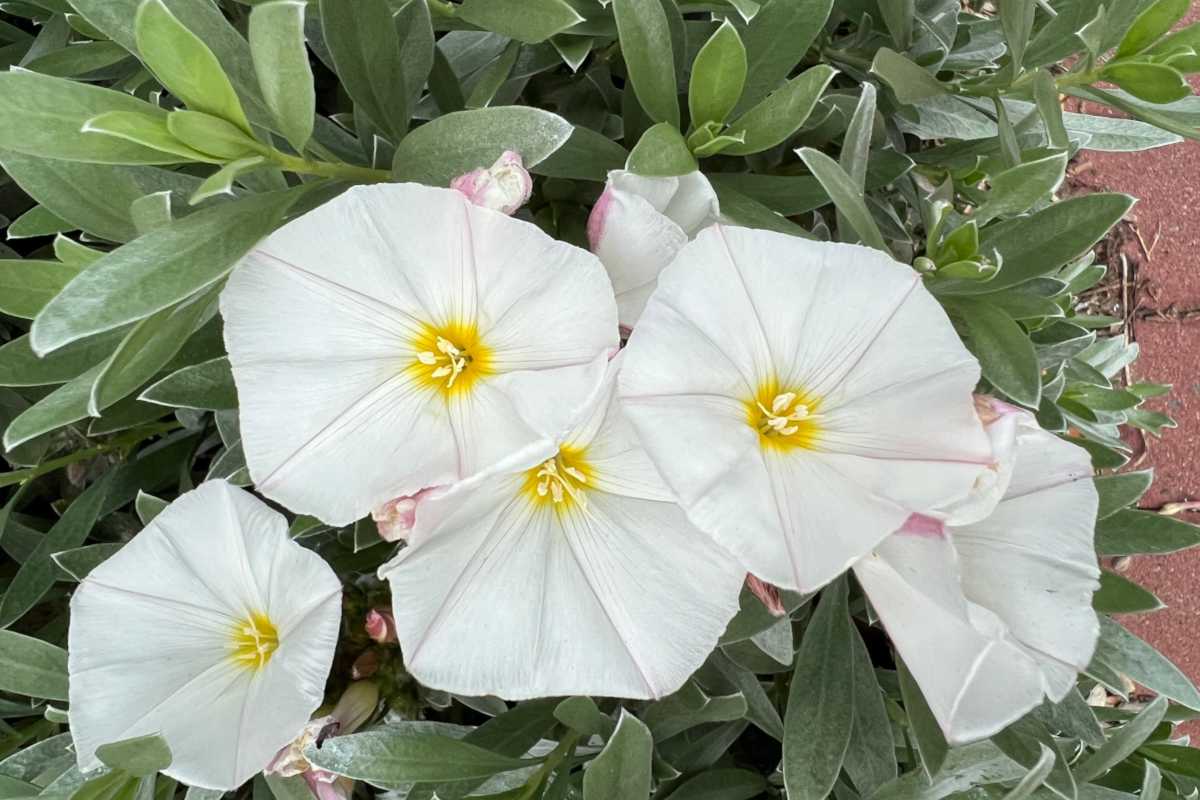
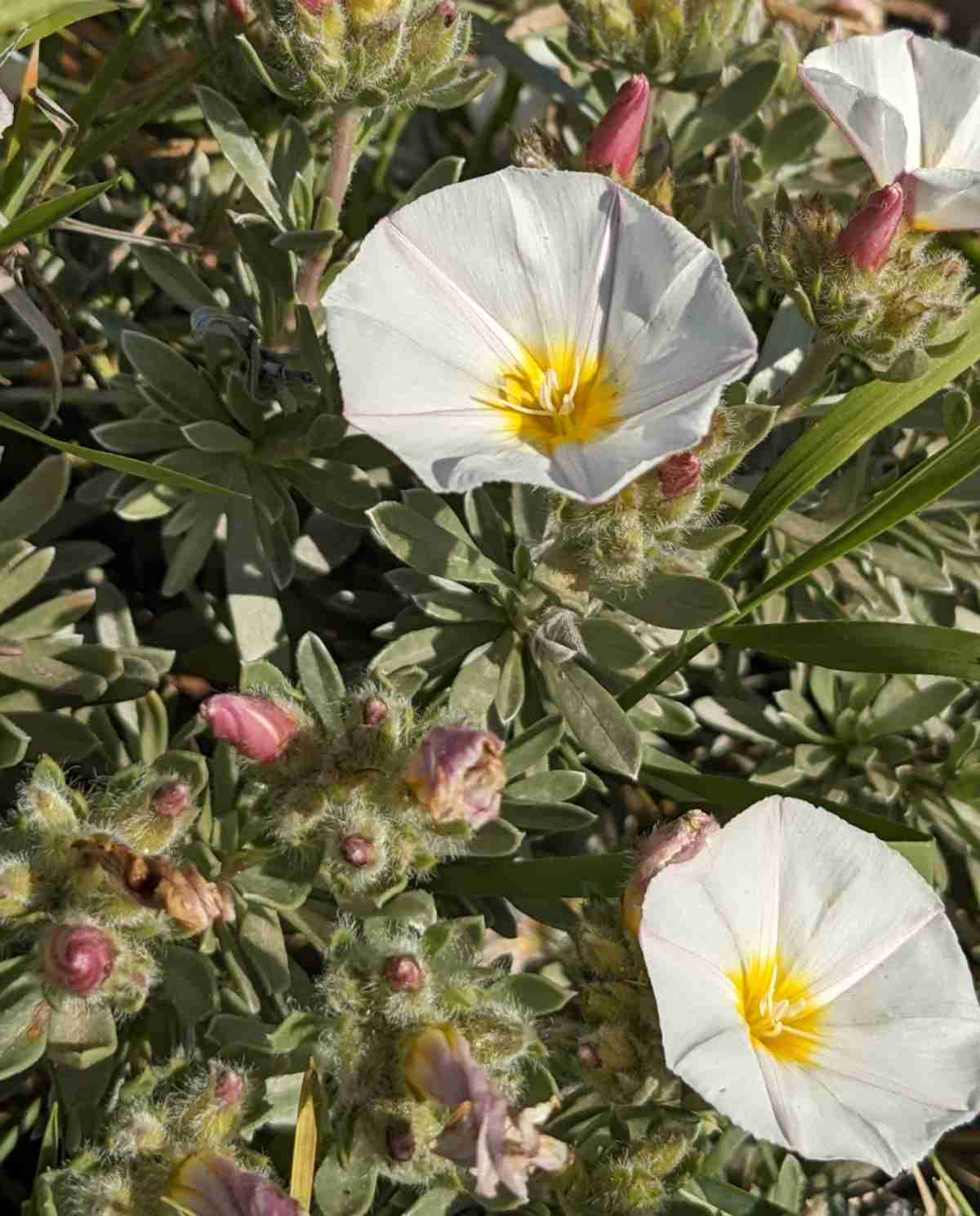
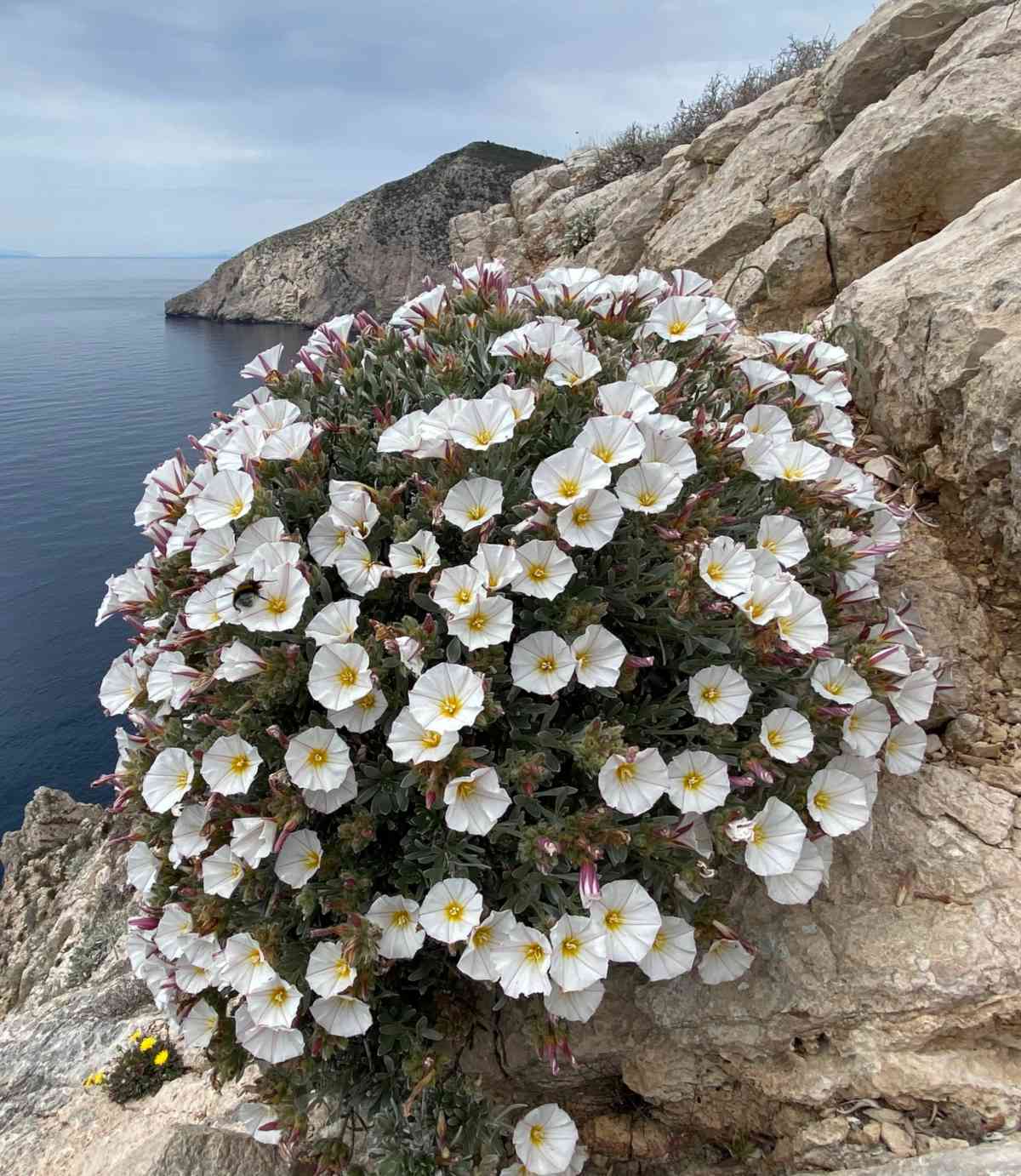
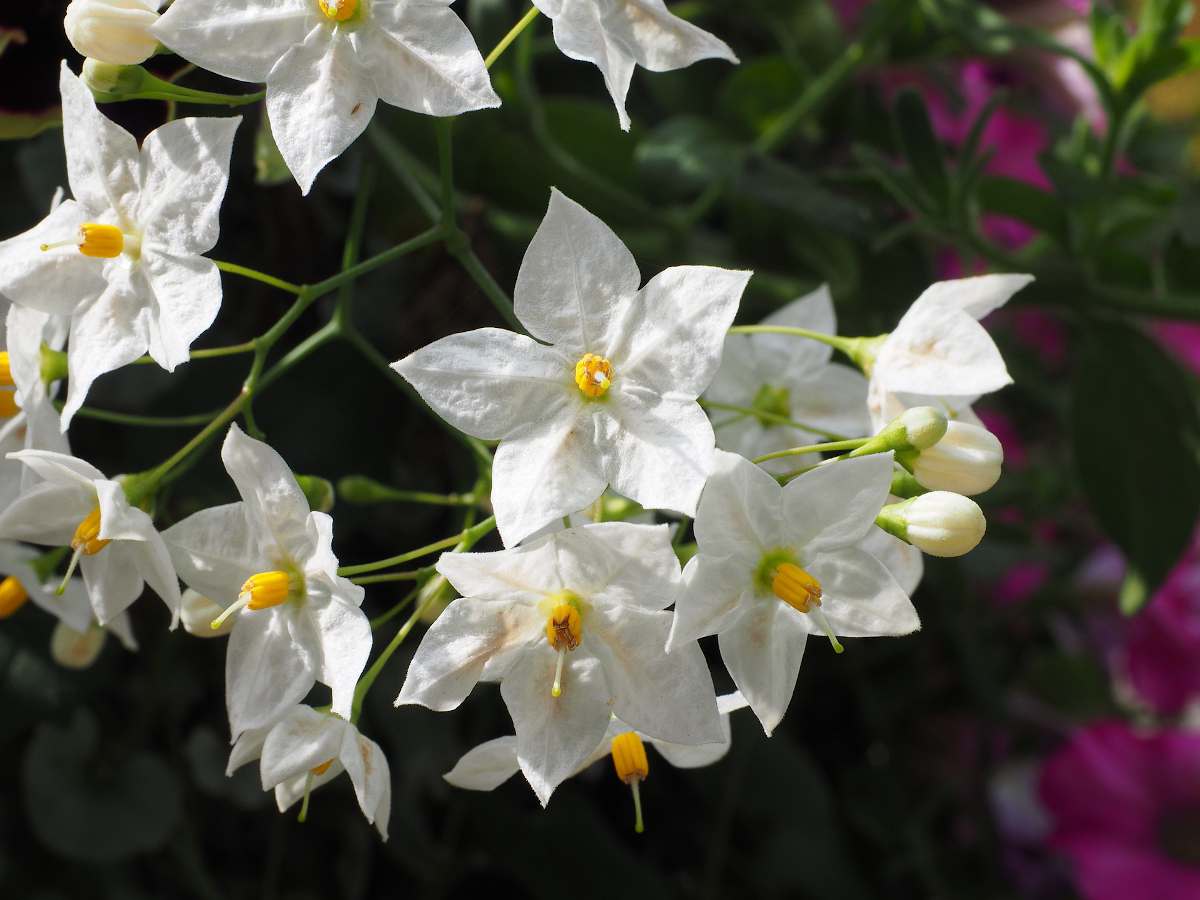
Silvery foliage sets off almost immaculate white flowers shaped just like those of bindweed: this is shrubby bindweed or silverbush (Convolvulus cneorum), an excellent ground cover that pours out bee-attracting nectar. Give it a very sunny spot where the soil drains extremely well and never holds moisture, and it spreads spectacularly with nearly zero care.
Convolvulus cneorum at a glance
Name
Convolvulus cneorum
Family
Convolvulaceae
Type
perennial
Height
16 to 20 inches (40 to 50 cm)
Exposure
full sun
Soil
ordinary
Flowering
late spring to mid-autumn
Planting convolvulus
For convolvulus, planting is an important step, because depending on how well it’s done, settling in, growth and blooming as seasons come and go are dramatically impacted.
Sowing convolvulus seeds:
Convolvulus is sown at the beginning of spring, starting in mid-spring in climates that are mild and late spring after the last frost spells anywhere else.
Convolvulus requires sun and heat but not too much of it.
Sow directly in the ground in soil that drains well.
Water regularly but in small amounts after sowing, at least until seeds sprout, and then reduce your watering step by step.
Planting convolvulus:
Planting for perennial convolvulus is recommended in spring or in fall. It’s a plant that loves growing in the ground, and also in a container to the side of a deck or terrace.
As for the sowing, select a very sunny spot.
Ensure that the soil drains extremely well, it shouldn’t retain moisture.
Water in small amounts after planting and then reduce your watering a little at a time.
Caring for convolvulus
The ultimate crawling vine, convolvulus tends to spread spectacularly without having much to do.
Convolvulus calls for nearly zero care, and what it fears most is excess water.
To keep the bush compact and make your convolvulus very dense, it’s possible to prune it after the blooming.
Prune after flowering to keep the bush compact and dense
When shortening Convolvulus cneorum after flowering, cut only into leafy shoots and never back into bare old wood, as this shrubby bindweed seldom produces new buds on leafless stems.
Spread a mulch of gravel or coarse grit around the base of silverbush rather than bark or compost, so the collar stays dry and the crown is not held against moist, rotting organic matter.
Grow Convolvulus cneorum in poor, well-drained soil rather than rich or heavily fertilised ground, since lean conditions suit this Mediterranean shrub and excess feeding tends to encourage soft, leggy growth instead of a compact bush.
Silverbush grown in a container needs a gritty, free-draining mix and an open drainage hole, and any saucer should be emptied after rain or watering so the roots never stand in water.
Sowing, planting, pruning: which task, and when?
Convolvulus asks very little of the gardener, but the few jobs it does need each have their own moment in the year. Here is what to do, when to do it, and how much water to give.
Sowing, planting, pruning: which task, and when?
Task
When
Where / how
Watering
Sowing seeds
Beginning of spring: Mid-spring in mild climates, May elsewhere once frost has passed
Sow directly in the ground, in soil that drains well and in sun and heat but not too much of it
Regularly but in small amounts until the seeds sprout, then reduce step by step
Planting
Spring or fall
A very sunny spot, in the ground or in a container beside a deck or terrace; soil must drain extremely well
Small amounts after planting, then reduce a little at a time
Pruning
After the blooming
Shorten the bush to keep it compact and make the plant very dense
—
Ongoing care
All year round
Nearly zero care needed; the plant spreads spectacularly on its own
Keep it on the dry side, since excess water is what it fears most
In short, choose a sunny, free-draining spot and the rest of the year’s work amounts to one prune after flowering.
Good to know about Convolvulus
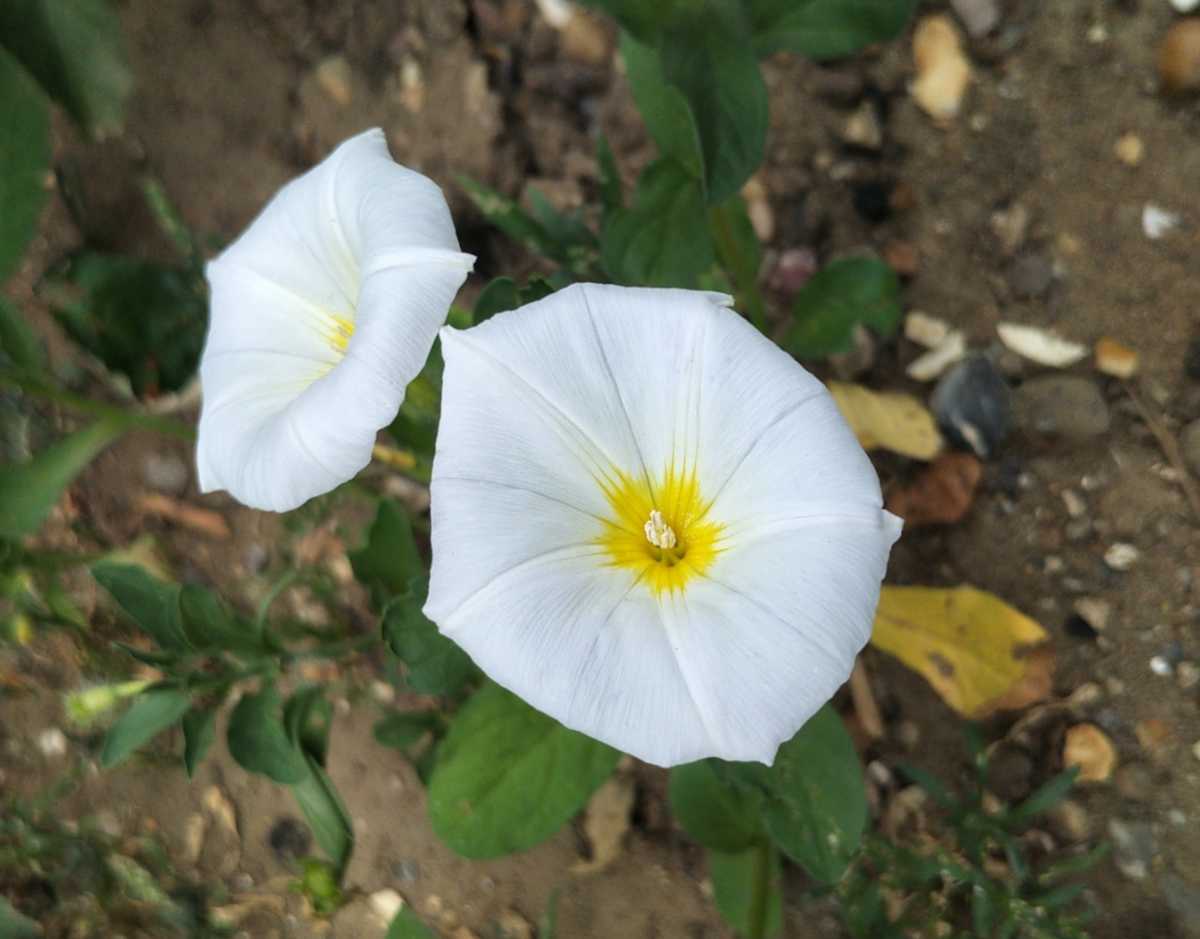
Convolvulus, also called shrubby bindweed, silverbush or silver bindweed, is a beautiful plant with silvery foliage. The flowers are very typical, they look very much like those of bindweed, hence the name.
It blooming that lasts from spring to fall offers white flowers that are an almost immaculate white color.
Convolvulus is an excellent ground cover plant.
Convolvulus is a plant that produces a lot of bee-attracting nectar, which makes it ideal in an orchard.
It’s also a very beautiful flower bush that will decorate your garden from spring to fall.
Written by Gaspard Lorthiois | Loves helping out, especially when it comes to growing things. Worked in herbal medicine, runs a farm, and dabbles in tech. Master's degree and engineer.