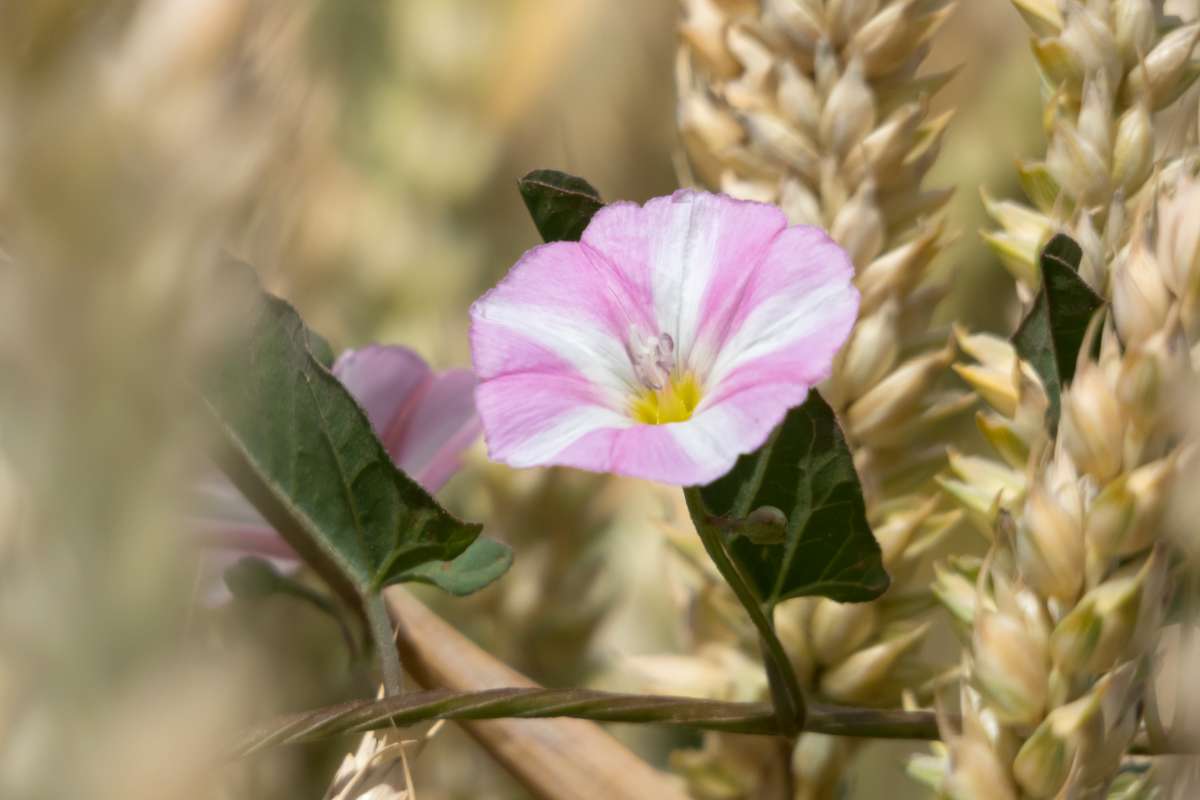
The flowers open with the day and close again at night, each one short-lived but endlessly replaced on fast-twining stems. Morning glory, or bindweed (Convolvulus arvensis), makes quick ground cover and pours out bee-attracting nectar, ideal in an orchard — provided you pull it out during blooming, before it sows itself anew.
| Name | Convolvulus species |
|---|---|
| Family | Convolvulaceae |
| Type | perennial or annual |
| Height | 8 to 32 inches (20 to 80 cm) |
| Exposure | full sun |
| Soil | ordinary |
| Flowering | June to October |
Annual bindweed (Convolvulus sepium, or hedge bindweed) is sown at the beginning of spring, starting in April in climates that are mild and May after the last frost spells anywhere else.
We recommend planting perennial bindweed in spring.
The name bindweed covers both annual and perennial species, and they are not sown or planted at the same moment. Here is what the article says about each of them.
| Species | Common name | Type | When to sow or plant |
|---|---|---|---|
| Convolvulus sepium | Hedge bindweed | Annual | Sown from April in mild climates, May elsewhere after the last frost |
| Convolvulus sabatius | Blue rock bindweed | Perennial | Planted in spring |
| Convolvulus arvensis | Field bindweed | Perennial | Planted in spring |
| Convolvulus cneorum | Shrubby bindweed | Shrub, not a twining vine | Grown for its lush growth and silvery leafage |
Choose the twining species for quick ground cover, and the shrubby one where you would rather not chase runaway stems.
Beyond the wild field bindweed, several Convolvulus are grown on purpose for their flowers or silvery foliage, and they behave far better than their weedy cousin. The table below sets out the ones commonly sold in garden centres and seed catalogues.
| Variety | Species and type | Height and habit | Flower colour | Best use |
|---|---|---|---|---|
| ‘Ensign Mixed’ | Convolvulus tricolor, annual | 12–16 in (30–40 cm), bushy | Blue, pink and white mix | Quick-sown annual patches |
| ‘Red Ensign’ | Convolvulus tricolor, annual | 12–16 in (30–40 cm), bushy | Crimson-pink, pale throat | Warm-toned summer bedding |
| ‘Blue Ensign’ | Convolvulus tricolor, annual | 12–16 in (30–40 cm), bushy | Rich blue, yellow eye | Edging and cutting beds |
| ‘Rainbow Flash’ | Convolvulus tricolor, annual | 8–12 in (20–30 cm), compact | Blue, rose and white shades | Containers and window boxes |
| ‘Royal Ensign’ | Convolvulus tricolor, annual | 12–16 in (30–40 cm), bushy | Deep blue, gold and white throat | Borders and pots in full sun |
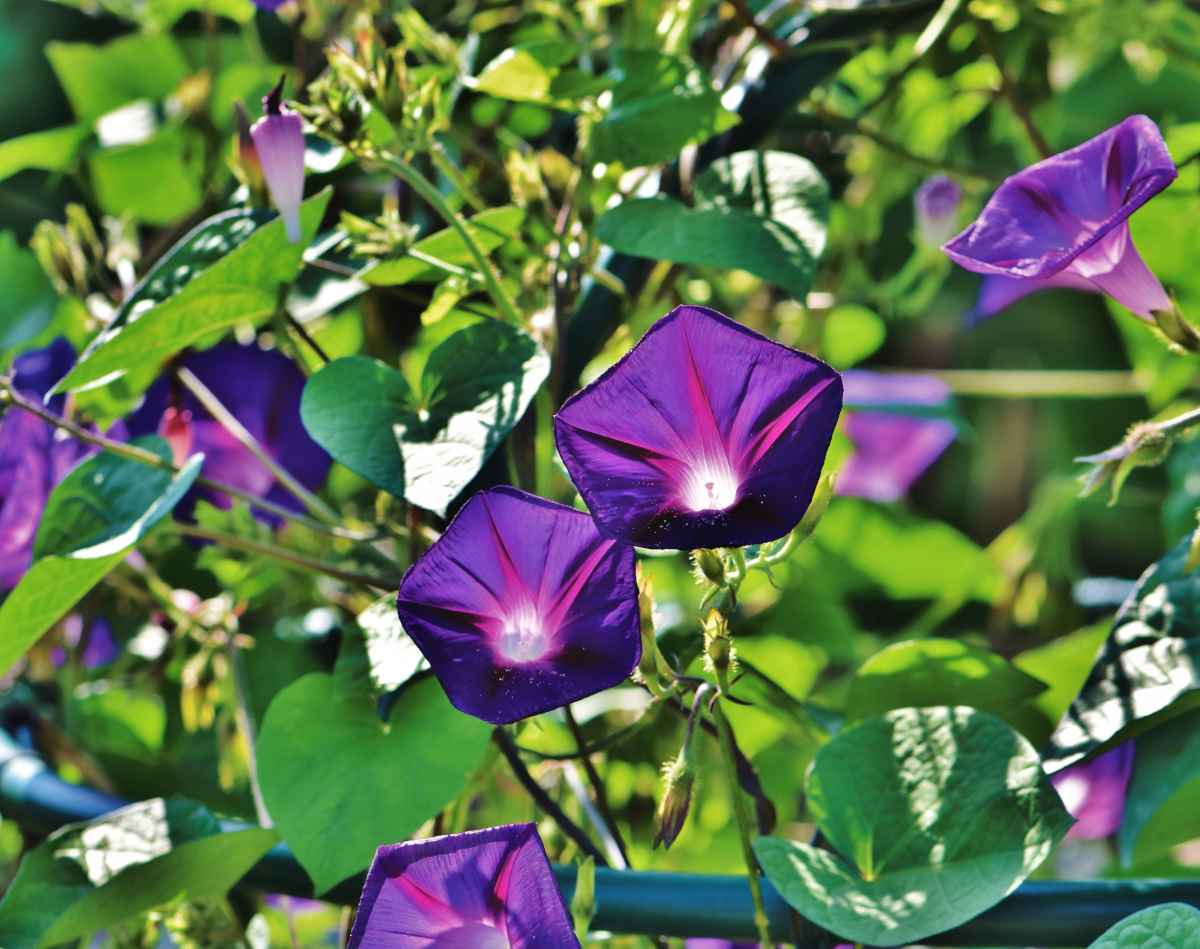
The ultimate crawling vine, bindweed tends to spread spectacularly without having much to do.
Sometimes bindweed is really considered to be a weed, and the problem is often how to get rid of it…
Bindweed or morning glory is a cute plant with distinctive flowers to which it owes its name.
Indeed, they open during the day and close up again at night, and their life span is very short.
Its blooming time is the opposite of that of the four o’clock flower…
But don’t worry, the flowers come back repeatedly!
The capacity of the plant to propagate is surprising, and you’ll probably find that it spreads too fast.
However, it makes for great ground cover, and since it grows quickly, it is perfect for wild gardens.
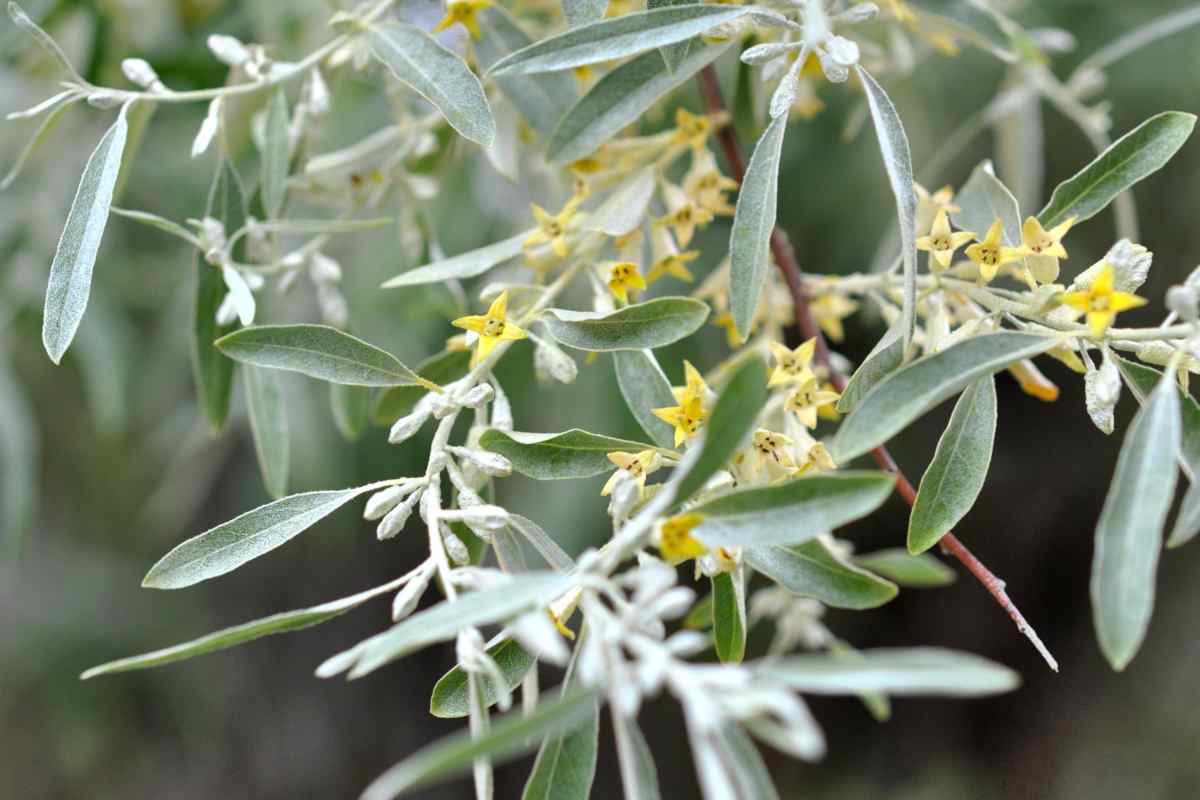
Note that bindweed is a twining vine. There’s a shrubby bindweed that grows lush and isn’t as invasive: Convolvulus cneorum. Its silhouette is similar to that of lavender when left to grow on its own, and it also has silvery leafage as well!
Cuttings are very easy to make from morning glory or bindweed.